Why Color and Style Matter in Modern Orthodontics
Overview of Aesthetic Orthodontic Options
Modern orthodontics offers a wide range of aesthetic choices, from traditional metal braces to nearly invisible alternatives. Patients can select standard metal brackets with colored elastic ligatures for a personalized look. For those seeking discretion, ceramic brackets are made from clear or tooth-colored materials that blend with natural enamel, and clear aligners provide a virtually invisible treatment path. Lingual braces, bonded to the back of the teeth, offer a completely hidden solution. This variety allows individuals to balance treatment needs with their visual preferences.
Psychological Impact of Visible Appliances
The appearance of braces can significantly affect a patient's self-esteem and social confidence. Research indicates that a large percentage of patients feel self-conscious about their smile after starting treatment, with many reporting stress or anxiety related to the visibility of their appliances. Social interactions can suffer, as some patients avoid events due to their braces. However, the same studies show that completing orthodontic treatment leads to substantial improvements in self-esteem and overall quality of life, reinforcing the importance of feeling comfortable during the process.
Patient Empowerment Through Personalization
Choosing a brace color is a simple, low-stakes decision that empowers patients. The elastic bands can be changed at each adjustment visit, typically every four to eight weeks, allowing for frequent updates to match a mood, season, or outfit. This personalization helps patients view their braces as an accessory rather than a medical device, boosting confidence and making the treatment journey more enjoyable. Knowing they have control over a visible aspect of their care can improve compliance and overall satisfaction with the orthodontic experience. Many practices now offer digital simulators to help patients visualize their options before making a decision.
Understanding Bracket Types: Appearance, Function, and Cost
Metal Brackets: The Affordable Standard
Metal brackets are made of high‑grade stainless steel and are the most widely used type. They are strong, durable, and effective for treating even complex dental issues, making them a reliable and cost‑effective option. The main downside is their visibility; the silver metal is noticeable against teeth.
Patients can personalize metal braces with colored elastic ligatures. These small bands hold the archwire and come in dozens of shades, allowing for a fun or subtle look. The cost of metal braces typically ranges from $5,000 to $6,000.
Ceramic Brackets: Discreet Aesthetics at a Premium
Ceramic brackets are made from clear or tooth‑colored materials like alumina. They are designed to blend with the natural tooth color, offering a much less visible appearance than metal. This makes them a popular choice for adults and image‑conscious patients.
However, ceramic brackets are more fragile than metal and can stain if not cared for properly. Their aesthetic benefit comes at a higher price, typically 15‑30% more expensive than traditional metal braces.
Self‑Ligating Brackets: Efficiency with a Clip
Self‑ligating brackets use a built‑in clip or door to hold the archwire, eliminating the need for elastic ligatures. This design reduces friction, which can lead to faster tooth movement and potentially shorter treatment times. They are available in both metal and ceramic materials.
The brackets themselves are often smaller and smoother than traditional ones, creating a cleaner look. The cost for self‑ligating brackets is about 10‑20% higher than standard metal braces.
Lingual Brackets: The Hidden Choice
Lingual brackets are bonded to the back (lingual) surface of the teeth, making them completely invisible from the front. This makes them the most discreet orthodontic option.
Despite their aesthetic advantage, lingual braces can cause initial speech difficulties and tongue irritation. They also require longer chair‑side time for adjustments. This custom, hidden system is the most expensive, often adding $2,000‑$4,000 to the total cost of treatment. The trade‑off is a fully hidden appliance.
| Bracket Type | Appearance | Key Function & Notes | Typical Cost Impact |
|---|---|---|---|
| Metal | Highly visible, silver | Most durable, reliable for complex cases | Baseline ($5,000‑$6,000) |
| Ceramic | Subtle, tooth‑colored | Fragile, can stain; popular for aesthetics | 15‑30% more than metal |
| Self‑Ligating | Clean, smaller profile (metal/ceramic) | Built‑in clip, reduced friction, faster changes | 10‑20% more than metal |
| Lingual | Completely hidden (behind teeth) | Speech disruption, longer appointments | $2,000‑$4,000 additional cost |
Matching Brace Colors to Your Skin Tone and Age Group
How can I match brace colors to your skin tone?
Coordinating brace colors with your complexion can enhance your smile. For fair skin, cool tones like sky blue, lavender, and soft pink create a flattering, clean look. Richer hues such as navy, deep purple, or emerald provide strong contrast without overwhelming the face. Medium or olive skin tones work well with warm colors like coral, teal, rose gold, and forest green, which complement the skin's natural warmth.
For darker or brown skin tones, bold jewel tones are excellent choices. Gold, turquoise, vivid orange, and bright royal blue create striking, flattering contrast. These shades help the braces become a true accessory, enhancing both the teeth and the complexion.
Age‑specific preferences: teens vs. adults
Age often influences color preference. Younger patients frequently choose vibrant, playful shades like hot pink, electric blue, or neon green. They may also enjoy mixing two colors or creating a rainbow effect across their teeth. These options help express personality during a time of self-discovery.
Adults tend to lean toward more sophisticated and subtle hues. Popular choices include pearl silver, soft gray, navy, dark teal, muted burgundy, or classic black. For a very discreet look, clear or tooth‑colored ceramic brackets with neutral bands are ideal. The most important rule is personal comfort; choosing a shade that fits your lifestyle boosts confidence throughout treatment. Personal style always overrides general guidelines if you feel great about your choice.
Choosing the Right Brace Color for You
How should I choose the right color for my braces?
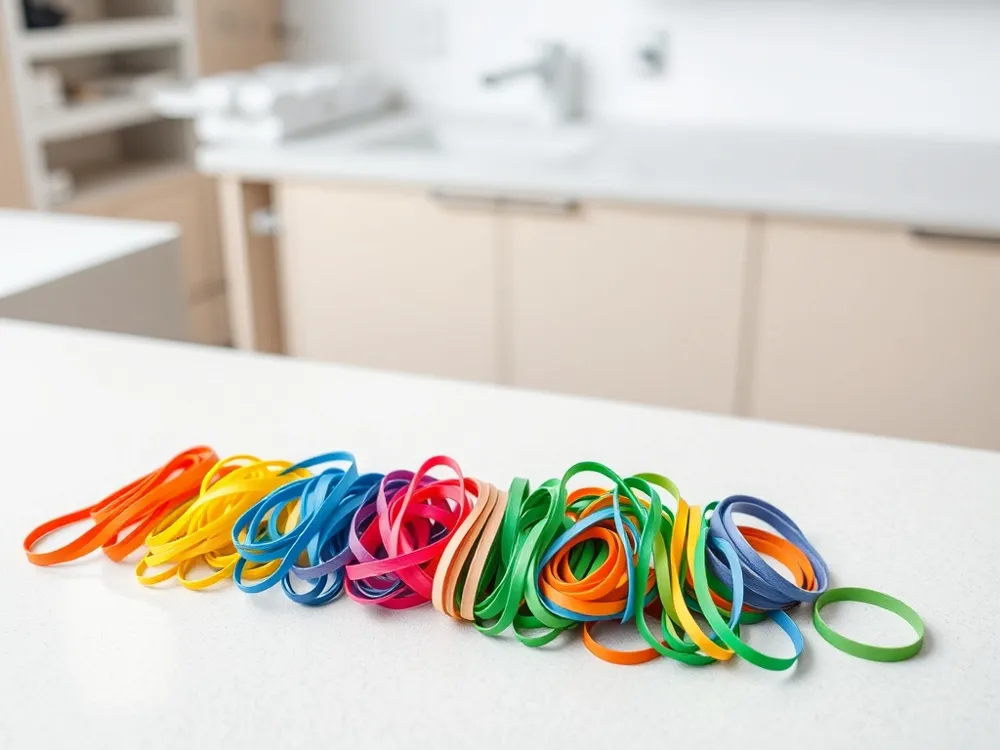
When choosing braces colors, start by considering your skin tone, personal style, and how frequently you want to change shades. Options can be swapped every 4 to 8 weeks during routine orthodontic adjustments. Warm skin tones pair well with gold, coral, or orange, while cool tones look great with silver, navy, or pink. Light blue is a universally flattering shade that makes teeth appear whiter. You can also coordinate colors with your wardrobe, favorite sports teams, or upcoming holidays.
How do stain‑resistant versus stain‑prone shades affect my choice?
Avoid very light or pastel shades if you drink coffee, tea, or red wine, as these colors stain easily. Darker or mid‑tone colors like navy, burgundy, or deep purple are more stain‑resistant and better for longer wear. Clear, white, and yellow elastics are particularly prone to discoloration. To keep your bands vibrant, brush after meals and rinse with water after consuming pigmented foods.
What is the psychological meaning of color choices?
Your color choice can also reflect your personality. Bold reds signal confidence and passion, while calming blues suggest trust and reliability. Dark blues or greys offer an understated, adult‑friendly look. Purple evokes creativity, and black conveys boldness. Ultimately, pick colors that make you smile, whether that‘s matching a favorite team, a holiday, or simply your favorite hue.
| Selection Factor | Recommended Shades | Considerations |
|---|---|---|
| Skin Tone | Warm: gold, coral, orange; Cool: silver, navy, pink | Light blue is universally flattering; creates whitening contrast. |
| Stain Resistance | Navy, burgundy, deep purple, black | Darker shades hide stains from coffee, tea, and dark sauces. |
| Personality & Style | Red (confidence), Blue (trust), Purple (creativity) | Can match team colors, holidays, or seasonal themes. |
| Change Frequency | Every 4–8 weeks during adjustment visits | Allows experimentation without affecting treatment progress. |
2026 Brace Color Trends: From Subtle Pastels to Electric Neons
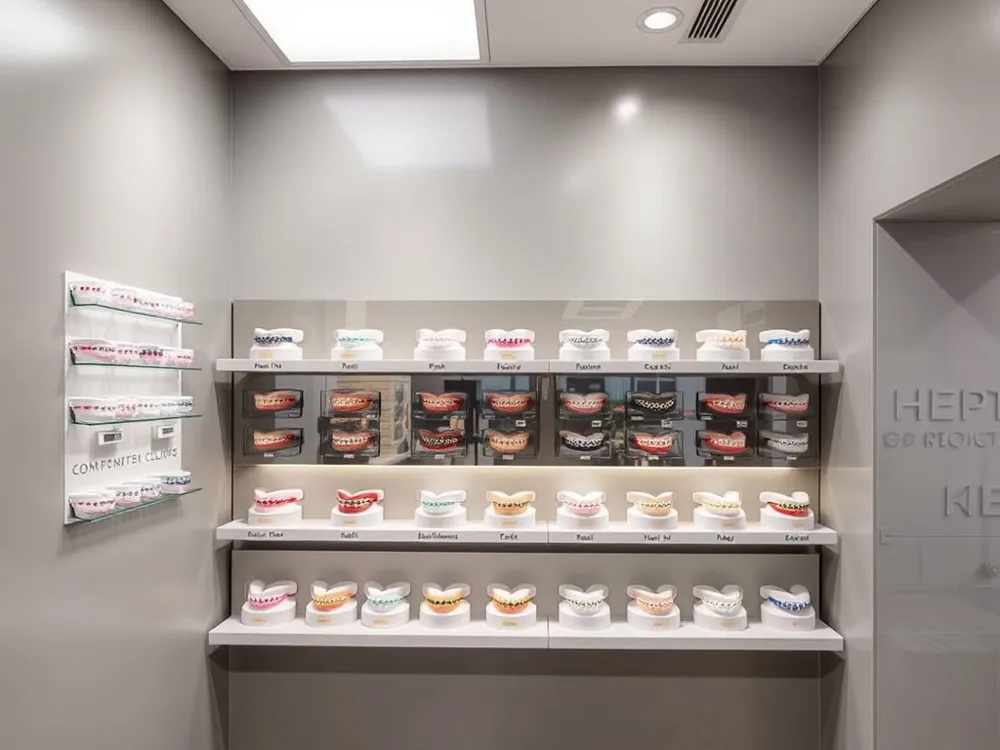 Brace color trends in 2026 range from elegant, muted tones to vibrant, high-energy shades. This year sees a strong interest in jewelry-inspired colors, soft pastels, bold dark hues, and electric neons, offering something for every personality and lifestyle. For personalized advice, you can use our Braces Color Picker or explore our Full List of Bracket Colors and Bold & Bright Brace Shades. The choice is purely cosmetic and allows for a new look at every adjustment appointment, typically every 4 to 6 weeks. You can change your brace colors at each appointment, and we offer a Free Consultation for Custom Braces to help you decide.
Jewelry-Inspired Shades for a Sophisticated Look
For a refined and modern aesthetic, 2026 trends include soft jewelry tones. Colors like champagne, dusty rose, and pearl silver are designed to mimic fine metal or gemstone hues. These shades pair well with metal brackets, creating a polished and sleek appearance that appeals to adults and anyone looking for a more subtle, elegant style. Metallic finishes, such as gold and rose gold, also remain popular for adding a touch of class and warmth. To see these options, check the 2026 braces color trends and consider Stylish Gold Braces.
Classic Soft Pastels for Minimalist Style
Soft pastels continue to be a favorite for those seeking a clean, minimalist look. Shades like mint green, baby blue, light pink, and soft lavender offer a gentle pop of color without being overpowering. These are especially popular among patients who prefer a subtle aesthetic but want more visual interest than clear or silver bands. For a complete Seasonal brace color guide, explore Soft pastel braces shades and see Popular braces color combinations. Pastels are a go-to choice for spring and summer, aligning with seasonal trends.
Bold Dark Colors for High Contrast and Whiteness
Dark colors such as navy blue, deep forest green, and teal remain consistently popular in 2026 because they create strong contrast with tooth enamel. This visual contrast can make teeth appear noticeably whiter, following the Contrast principle for brighter teeth. These shades are also practical, as they resist visible staining better than light or clear bands. Deep jewel tones like burgundy and dark purple are excellent alternatives for a bold yet sophisticated look. For more ideas, see Bold dark braces colors and Jewel-Tone Braces Colors to Brighten Your Smile.
Electric Neons and Metallics for Standout Style
For patients who want a bold, high-energy statement, vivid neon shades are trending. Colors like electric blue, hot pink, neon green, and cyber green offer an eye-catching look that stands out. These are particularly favored by teens and those active on social media. Combining a neon with a contrasting neutral, like black or silver, creates a striking and fashionable appearance. Explore Neon braces for teens and other trending braces color combinations for inspiration.
Seasonal and Themed Palette Ideas
Seasonal color palettes are a fun way to personalize your braces throughout the year. Popular themed ideas include:
- Spring: Light pink, lilac, mint green, baby blue.
- Summer: Coral, aqua, hot pink, electric blue, neon yellow.
- Fall: Burgundy, burnt orange, forest green, chocolate brown.
- Winter: Ice blue, silver, plum, deep navy.
Holiday-specific combos, such as red and green or orange and black, allow you to celebrate events, while school colors or favorite sports teams offer year-round personal expression. Check out Seasonal braces color themes and Seasonal braces color suggestions. You can also use our Brace color simulator tool to Test Braces Colors in the Office before deciding. These choices can be refreshed at each visit, making the orthodontic experience more engaging and enjoyable.
| Color Category | 2026 Trend Examples | Best For | Key Consideration |
|---|---|---|---|
| Jewelry-Inspired | Champagne, Dusty Rose, Pearl Silver | Adults, sophisticated style | Pairs well with metal brackets |
| Soft Pastels | Mint green, baby blue, light pink | Minimalist, subtle look | Popular for spring & summer |
| Bold Darks | Navy, forest green, teal | Creating whiter teeth | Resists staining |
| Electric Neons | Hot pink, electric blue, neon green | Bold, high-energy look | Eye-catching and fun |
Colors to Avoid: Staining, Visibility, and Longevity
Understanding the Problem with Light Colors
White, clear and pastel brace bands are highly porous. They absorb pigments from dark drinks like coffee, tea, and red wine, as well as foods like tomato sauce and curry. This causes them to quickly turn a dull yellow or become visibly stained.
Why Pure White and Clear Are the Worst Choices
Pure white elastics are especially problematic. They can make your teeth appear yellowed in contrast, and every stain shows immediately. Clear or transparent bands, despite their goal of invisibility, are the most stain‑prone type and often end up looking worse than colored bands.
Smart Alternatives for Long-Lasting Looks
Bright neon shades also lose vibrancy quickly. The best alternatives are darker, richer colors. Navy blue and deep purple do not stain noticeably. These shades stay looking cleaner between orthodontic visits and hide any discoloration that does occur.
| Color Choice | Staining Risk | Visual Effect | Best Use Case |
|---|---|---|---|
| White / Clear | Very High | Turns yellow, shows all stains | Avoid entirely |
| Pastel (Pink, Blue) | High | Fades and yellows quickly | Avoid for long wear |
| Neon (Green, Pink) | Moderate | Fades, loses vibrancy | Short-term, special events |
| Navy / Dark Purple | Low | Hides stains, stays clean | Best for long-lasting wear |
A Practical Rule
Choose a color two shades darker than your initial preference. This small shift ensures your brace bands remain vibrant and stain-free until your next adjustment appointment.
The Confidence Boost: How Brace Color Influences Self‑Esteem
Psychological Research Links Aesthetic Choices to Confidence
Studies show that orthodontic treatment significantly improves self-esteem, with 70.6% of adult patients reporting a statistically significant boost after treatment. Quality‑of‑life measures improve markedly: satisfaction with facial appearance rose from 38.2% to 77.5%, and satisfaction with one's own smile jumped from 14.7% to 97.1%. However, the initial visible hardware can temporarily lower self-esteem; 40.3% of patients felt self‑conscious about their teeth sometimes after starting treatment, and 47.5% experienced stress related to the appearance of braces often.
Personal Expression Through Color
Choosing brace colors is a low‑stakes decision that turns orthodontic appliances into a personal accessory. Patients can select colors to match their skin tone, eye color, wardrobe, or seasonal themes. Darker shades like navy blue, deep purple, or black create visual contrast that makes teeth appear whiter, while lighter colors (clear, white, yellow) tend to stain easily and can make teeth look dull. Color choices are purely cosmetic and do not affect treatment duration or mechanics, allowing patients to experiment with different shades at each adjustment visit.
Real-World Examples of Confidence Gains
The impact of color choice on confidence is tangible. Patients who select colors they love report feeling more at ease smiling in social and professional settings. For example, adults often prefer subtle shades like silver, dark gray, or navy for a polished, put‑together look that holds up in work environments. Teens and children use bright neon shades, school‑spirit colors, or seasonal themes to express their personality and connect with peers. One study found that 96.1% of patients would undergo orthodontic treatment again, and 100% would recommend it to other adults, highlighting that personalized aesthetic options contribute to a positive overall experience.
Cost, Financing, and Value of Aesthetic Orthodontics
What is the typical cost range for orthodontic treatment in the United States and what financing options are common?
Understanding the financial commitment is a crucial step in planning orthodontic treatment. In the United States, the typical cost for comprehensive orthodontic care can vary widely based on the complexity of the case and the type of appliance chosen. Generally, patients can expect costs to fall between $3,000 and $8,000. More complex cases or premium options, such as lingual braces, can reach $9,000 or higher.
Price Differences Among Braces Types
The type of brace you choose is a primary factor in the final cost. Metal braces, being the most traditional and durable, are often the most affordable option. Clear aligners and ceramic braces typically fall into a mid-range price bracket, offering a balance between aesthetics and cost. Self-ligating braces may be priced higher than conventional metal braces due to their advanced design, while lingual braces, which are placed on the back of the teeth, are often the most premium option.
Common Financing Options
Orthodontic costs can be managed through several accessible financing routes. Many orthodontic practices offer in-house payment plans, which allow patients to spread the total cost over 12 to 24 months, often with little or no interest. Third-party healthcare credit cards, like CareCredit, are another popular choice, providing special financing options for medical and dental treatments. Patients can also use pre-tax dollars from a Flexible Spending Account (FSA) or Health Savings Account (HSA) to pay for eligible orthodontic expenses, offering a significant tax advantage. Finally, many dental insurance plans provide a lifetime orthodontic benefit that covers a portion of treatment costs, and some practices offer family discounts when multiple members are undergoing treatment at the same time.
| Brace Type | Typical Cost Range (USD) | Key Considerations |
|---|---|---|
| Metal Braces | $3,000 - $6,000 | Most affordable; highly durable; very effective for complex cases; customizable with colored elastics. |
| Ceramic Braces | $4,000 - $8,000 | More discreet, tooth-colored brackets; can be more fragile and prone to staining than metal. |
| Clear Aligners | $3,500 - $8,000 | Virtually invisible; removable for eating and cleaning; best for mild to moderate cases. |
| Lingual Braces | $8,000 - $10,000+ | Completely hidden behind teeth; can affect speech initially; require specialized expertise. |
Keeping Your Colors Vibrant: Oral‑Hygiene Best Practices
Brushing and Flossing Routine for Braces
Maintaining a diligent oral hygiene routine is essential for keeping brace colors bright. Brush at least twice daily with a soft‑bristled toothbrush and fluoride toothpaste, paying special attention to cleaning around each bracket and wire. Flossing once a day with floss threaders or interdental brushes removes trapped food and plaque that could dull the elastic bands.
Avoiding Stain‑Prone Foods and Drinks
Light‑colored elastics are particularly vulnerable to staining. To preserve the original shade, limit consumption of pigmented foods and drinks like coffee, tea, red wine, dark sodas, berries, tomato sauce, and curry. Darker bands (navy, deep purple, black) resist discoloration better and are a practical choice for those who enjoy these items.
Rinse After Meals, Use Mouthwash
Rinsing the mouth with water immediately after eating or drinking staining substances can wash away residue before it settles. Using an alcohol‑free antibacterial mouthwash helps reduce bacteria and plaque that contribute to discoloration, supporting overall band vibrancy.
Requesting Color Changes When Fading Occurs
If elastics fade or discolor between appointments, request a fresh set during the next orthodontic visit. Band colors can be changed every 4–8 weeks, ensuring the smile always looks clean and intentional. Proactive communication with the orthodontist maintains both aesthetic appeal and confidence throughout treatment.
Personalized Consultations at Trielle Orthodontics
Choosing the perfect braces color is an exciting part of treatment, and we make it simple. Our practice offers color-picker tools on our website and in-office testing, allowing you to see how different shades look before you decide. We also provide expert guidance, helping you select colors that complement your skin tone, wardrobe, and personality for a look you'll love. Your braces color can be changed at every adjustment appointment, typically every 4–6 weeks, so you can refresh your style as often as you like. We also integrate modern tech, like clear aligner options for patients who prefer a virtually invisible treatment path. To start your personalized journey, schedule a free consultation today.
Your Aesthetic Journey Starts Here
Choosing band colors is a simple, low-stakes way to express your personality throughout your treatment. Whether you prefer the subtle look of tooth-colored ceramic brackets, the durability of metal, or the sleek feel of self-ligating systems, each option can be customized to fit your style. You can switch your elastic colors every four to eight weeks, matching your braces to your mood, the season, or a special event.
The right aesthetic choice can significantly boost your confidence. Studies show that patients who feel good about their smile during treatment report higher self-esteem and are more engaged in their own care. This is your journey, and every detail should work for you.
Ready to explore your options? Schedule a free consultation with Trielle Orthodontics today. Our team will help you find the perfect bracket and color combination to start your transformation with confidence. Let’s design a smile you’ll be proud to share. | Bracket Type | Key Features | Best For |
|---|---|---| | Metal Braces | Durable, cost-effective, customizable with any elastic color | All ages, complex cases, expressive color choices | | Ceramic Braces | Tooth-colored, discreet, sturdy | Patients prioritizing aesthetics with a subtle look | | Self-Ligating Braces | No elastic ties, lower friction, efficient | Adults and teens seeking a modern, low-profile design |