Setting the Stage – Why Early Orthodontic Screening Matters
The Importance of Early Evaluation
An early orthodontic evaluation is a proactive step that can significantly influence a child’s long-term oral health. The goal is to identify potential skeletal problems—such as underbites, overbites, and crossbites—while a child’s jaw is still growing and responsive to treatment. This early detection allows for simpler, less invasive interventions that can prevent more serious issues later.
The ‘Rule of 7’ and Growth Windows
The American Association of Orthodontists recommends a child’s first orthodontic checkup by age 7. This is a crucial milestone because at this age, the first permanent molars and incisors have usually erupted, allowing the orthodontist to assess the developing bite and jaw relationship. The optimal growth window for intervention is typically between ages 7 and 10, a period when the jaw is flexible and growing rapidly. Between ages 7 and 12, skeletal growth is active, making it the ideal time for growth modification.
What Are Growth-Modifying Appliances?
Orthodontic devices designed to influence the position and relationship of the upper and lower jaws are known as growth-modifying appliances. Unlike traditional braces that move teeth, these appliances direct jaw development. Common examples include:
| Appliance | Type | Main Action |
|---|---|---|
| Palatal Expander | Fixed | Widens the upper jaw |
| Herbst Appliance | Fixed | Pushes lower jaw forward |
| Twin Block | Removable | Encourages forward mandibular growth |
| Bionator | Removable | Guides lower jaw alignment |
By harnessing a child’s natural growth, these appliances can correct bite problems, promote balanced facial development, and often reduce the need for future surgery or tooth extractions. Treatment duration is typically 9 to 12 months, after which the child may transition to braces or aligners for fine-tuning.
The Rule of 7, Growth Windows, and When to Expand the Palate
What is the rule of 7 in dentistry?
The American Association of Orthodontists (AAO) recommends that children receive their first orthodontic evaluation by age seven. This is the “rule of 7.” At this stage, a child is in “mixed dentition,” with both primary and permanent teeth present. An early visit helps orthodontists detect issues like crowding, crossbites, or jaw growth problems early on.
It’s important to note that this evaluation does not always lead to immediate treatment. Often, it serves as a monitoring checkpoint to guide future care. Early screening can prevent more invasive treatments later, such as tooth extractions or jaw surgery.
What age range is suitable for growth-modification orthodontic appliances?
Growth-modification appliances are most effective between ages 6 and 12. This includes Phase I treatment, often starting around ages 6 to 9, when the jaw is developing rapidly. The optimal window to start is generally between ages 7 and 10, when the jaw is still flexible and growing quickly.
While older children and teens can also benefit from growth-modification during their growth spurts, treatment is most predictable when started early. The AAO recommends an initial evaluation by age 7 to determine the ideal timing for each child’s unique growth pattern, not just their age.
At what age should a child get a palate expander?
A palate expander is most effective when placed before the mid-palatal suture fuses, typically between ages 7 and 12. The ideal window is often around ages 7 to 8, after the permanent first molars and incisors have erupted.
Expansion after age 12 becomes less predictable, and once the suture fuses in the late teens, surgery may be required. An evaluation by age 7 helps determine the best timing for your child.
The benefits of early intervention
Early use of functional appliances can correct bite issues, promote balanced facial development, and reduce the need for future invasive procedures. It can also enhance a child’s breathing, speech, and overall confidence. Early intervention addresses skeletal problems proactively, potentially preventing the need for extractions or prolonged treatment time.
| Age Range | Type of Treatment | Key Benefit |
|---|---|---|
| By age 7 | Orthodontic evaluation | Early detection of skeletal issues |
| 6 to 12 | Growth-modification appliances | Corrects bite and jaw development |
| 7 to 8 (ideal) | Palate expander | Widens upper jaw, corrects crossbites |
| 9 to 12 | Functional appliances | Addresses overbites and underbites |
Functional Appliances Explained – From Twin Blocks to the Herbst
What Are Functional Appliances?
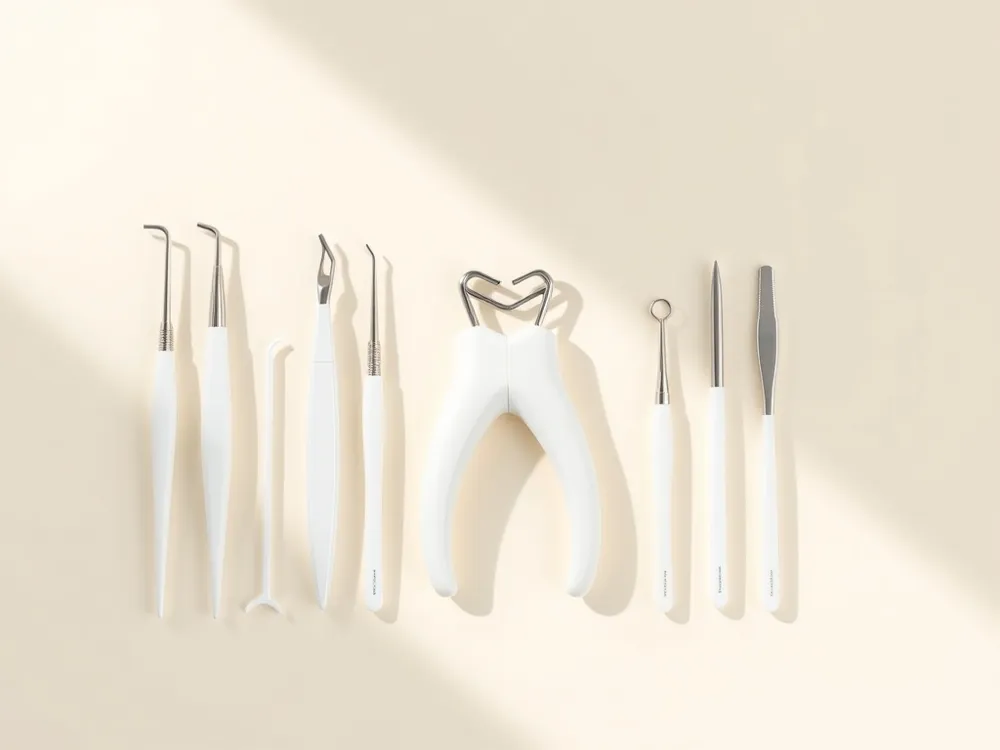
Functional appliances are specialized orthodontic devices designed to actively influence jaw growth, not just tooth movement. They work by harnessing the natural forces of a child's facial muscles and redirecting them to guide the development of the upper and lower jaws. Unlike traditional braces that adjust tooth position, these devices modify the skeletal framework itself, making them a primary tool for early orthodontic intervention.
These appliances are most effective when used during a child's active growth phase, typically between the ages of 7 and 12. The goal is to correct jaw discrepancies early, potentially preventing more complex treatments, such as extractions or jaw surgery, later in life.
Common Functional Appliances: Bionator, Frankel, and Twin Block
Several removable appliances are designed to encourage favorable jaw development:
- Twin Block: Consists of two separate acrylic pieces with interlocking blocks. When the child bites down, the blocks posture the lower jaw forward, encouraging it to grow into a more favorable position.
- Bionator: A single-piece, wire-and-acrylic appliance that guides the lower jaw forward and helps align the bite. It is often used for less severe bite issues.
- Frankel Appliance: A more complex device that not only positions the jaw but also uses shields to influence the function of facial muscles, promoting proper oral posture and development.
All these devices are removable and require a high degree of patient compliance to be effective. Treatment typically lasts 9–12 months to capture the most rapid phase of growth.
Herbst Appliance: Mechanics and How It Works
The Herbst appliance is a fixed device, meaning it is cemented to the teeth and cannot be removed by the patient. It uses metal bands attached to the back upper and lower molars or premolars, connected on each side by a telescoping rod mechanism. This system holds the lower jaw in a continuously forward position, even while the child opens and closes their mouth.
This forward posture provides constant, gentle pressure. It encourages the lower jaw (mandible) to grow forward to meet the upper jaw, while simultaneously applying a slight backward force on the upper jaw. This action is most effective in growing patients, typically between ages 9 and 14, and is a powerful tool for correcting significant overbites. The fixed nature of the Herbst appliance makes it an excellent choice when a more predictable outcome is required, as treatment progress is not reliant on daily patient cooperation.
Clinical Goals and Comparison of Functional Devices
| Appliance | Type | Primary Function | Key Advantage | Key Limitation |
|---|---|---|---|---|
| Twin Block | Removable | Encourages forward growth of the lower jaw | Highly effective for overbite; can be removed for eating/cleaning | Requires excellent patient compliance |
| Bionator | Removable | Guides lower jaw forward and aligns bite | Less bulky; good for mild to moderate discrepancies | Less effective for severe skeletal problems |
| Frankel | Removable | Influences facial muscle function and jaw posture | Addresses underlying muscle habits | Complex design; can be uncomfortable for some children |
| Herbst Appliance | Fixed | Continuously postures lower jaw forward for growth | Does not rely on patient compliance; very predictable | Higher cost; can cause temporary TMJ discomfort or speech changes |
The primary clinical goal for all functional appliances is to resolve Class II malocclusions—where the upper jaw and teeth are positioned too far forward relative to the lower jaw. By modifying growth during a child's developmental window, these devices help create a balanced bite, improve facial aesthetics, and often reduce the need for more invasive procedures in adulthood. The choice between a fixed Herbst and a removable appliance like the Twin Block largely depends on the severity of the case and the patient's likely cooperation.
Teen‑Centric Orthodontics – Braces, Aligners, and the Most Popular Appliance
What orthodontic appliance is most commonly used for teenagers?
Metal braces remain the most common orthodontic appliance for teens. They are highly effective for correcting a broad range of alignment and bite issues. Today's metal braces are smaller, more comfortable, and more efficient than older designs, and many teens enjoy personalizing them with colorful elastic bands.
Clear aligners, like Invisalign, are another popular option for teens who prefer a nearly invisible and removable choice. However, they require consistent wear and responsibility to be effective. For more complex bite problems, appliances like the Forsus™ Fatigue-Resistant Device or the Herbst® appliance may be used alongside braces. The Herbst appliance is a fixed device that encourages forward growth of the lower jaw, while Forsus is a spring-loaded alternative to headgear that corrects overbites without requiring patient compliance.
| Appliance | Type | Common Use | Key Features |
|---|---|---|---|
| Metal Braces | Fixed | General alignment & bite | Highly effective; colorful bands for personalization |
| Clear Aligners (Invisalign) | Removable | Mild to moderate alignment | Nearly invisible; requires discipline to wear |
| Forsus™ Device | Fixed (with braces) | Correcting overbites | Spring-loaded; minimal patient cooperation needed |
| Herbst® Appliance | Fixed | Severe overbites | Positions lower jaw forward; worn for 12-15 months |
Is $6,000 too much for braces?
No, $6,000 is not too much for braces. It falls well within the typical national average for comprehensive orthodontic treatment. According to industry data, the average cost of braces in the United States ranges from approximately $3,000 to $10,000, with most patients paying between $5,000 and $6,000.
The final price depends on factors like the type of braces (metal, ceramic, clear aligners), treatment complexity, and duration. Modern practices offer personalized treatment plans and flexible payment options to ensure that the investment fits your budget. With today's technology and individualized care, this cost reflects quality treatment that enhances both oral health and confidence for years to come.
Addressing Habits and Airway Concerns – Thumb‑Sucking, Growth Guidance, and TADs
What appliance is used to treat thumb‑sucking?
A palatal crib, also known as a thumb‑sucking appliance or thumb guard, is the primary device used to treat this habit. It is a custom‑made metal framework cemented to the roof of the mouth, creating a physical barrier that prevents the thumb from forming a seal against the palate. This breaks the comforting sensation, discouraging the behavior almost immediately. The appliance is typically left in place for about six months after the habit has stopped to ensure lasting results. Regular daily cleaning is recommended to maintain oral hygiene while the appliance is worn. Other habit‑breaking devices include tongue guards or tongue tamers, which address detrimental oral habits that can negatively affect teeth and jaw development.
Growth Guidance Appliances vs. Traditional Expanders
Growth guidance appliances differ from conventional palate expanders. While expanders primarily widen the palate laterally to correct crossbites, growth guidance appliances focus on forward (anteroposterior) growth of the upper jaw. This forward growth supports airway development and helps reduce snoring, sleep apnea, and mouth breathing. Both appliance types are often used in children with poor orofacial development, but the choice depends on the specific skeletal deficiency.
Are TADs (temporary anchorage devices) a painful procedure?
Placing and removing TADs is generally not painful because a local anesthetic numbs the area, so patients feel only slight pressure during the quick procedure. After placement, some discomfort or soreness is common on the first day, but studies show that pain decreases significantly by the second and third day. Immediate loading of the TAD after insertion can cause more discomfort than waiting, but overall the experience is well‑tolerated. Most patients find the minor, temporary discomfort manageable with over‑the‑counter pain relief if needed. In summary, TADs are a minimally invasive option with brief, mild discomfort that resolves quickly.
Link Between Oral Habits and Airway Health
Improper oral habits like thumb‑sucking, tongue thrust, and mouth breathing are not just orthodontic inconveniences. They can be root causes of structural issues, narrow jaws, and sleep‑disordered breathing. For example, a narrow anterior palate prevents the tongue from resting correctly on the roof of the mouth, which is linked to obstructive sleep apnea (OSA), TMJ disorders, and malocclusion. By addressing these habits early with appropriate appliances, parents can improve a child’s breathing, speech, and overall facial development.
| Topic | Key Appliances | Primary Goal | Common Age Range |
|---|---|---|---|
| Thumb‑sucking | Palatal crib, tongue guard | Break the habit physically | Young children (ages 3–6) |
| Growth guidance | Bionator, Twin Block, Herbst | Forward jaw growth for bite & airway | Ages 7–14 |
| Palatal expansion | Rapid palatal expander | Widen the upper jaw laterally | Ages 7–12 |
| TADs | Temporary anchorage device | Provide stable anchorage for tooth movement | Adolescents & adults |
Herbst for Adults – When the Device Can Still Make a Difference
Does the Herbst appliance work for adults?
Yes, the Herbst appliance can be effective for adults, though it was originally designed for growing patients. A 2010 study in the American Journal of Orthodontics and Dentofacial Orthopedics found that adult Class II malocclusion patients treated with the Herbst and subsequent braces achieved good occlusal stability, with overjet remaining stable in 92.3% of cases after about 2.5 years. However, results may be slower because adult jaws have less growth potential, and additional procedures like braces or surgery may be needed. The Cleveland Clinic notes that while the Herbst is rarely used in adults for bite correction, it can be effective for treating sleep apnea by advancing the lower jaw.
Clinical evidence and considerations for adult use
The clinical response in adults often relies more on dentoalveolar changes (tooth movement) than on skeletal growth. Some research suggests mandibular growth can still occur in adults due to condylar remodeling, particularly with devices used for sleep apnea. Fixed functional appliances like the Herbst can achieve over 60% success in non‑growing patients, though skeletal changes become less pronounced with age. Skeletal maturity indicators are more useful than chronological age for planning treatment.
Integrating the Herbst with other adult orthodontic strategies
For adults, the Herbst is often integrated into a broader treatment plan that may include braces, clear aligners, or, in complex cases, orthognathic surgery. In non‑growing patients, TMJ remodeling can occur during Herbst therapy, and the device may be used as a preliminary step before other orthodontic interventions. The Cleveland Clinic highlights its role as a sleep apnea device, which opens another avenue for adult use. Ultimately, your orthodontist can determine if the Herbst appliance is a suitable option based on your specific jaw flexibility, comfort, and treatment goals.
| Appliance | Primary Use in Adults | Key Consideration | Typical Duration |
|---|---|---|---|
| Herbst Appliance | Class II malocclusion, sleep apnea | Less skeletal effect; comfort adaptations needed | 12-15 months |
| Braces/Aligners | Fine-tuning tooth position | Often used after Herbst phase | Varies |
| Mandibular Advancement Device (MAD) | Sleep apnea | Non‑invasive, removable | Long-term use |
Putting It All Together – Choosing the Right Growth Appliance for Your Child
Personalized Treatment Planning at Trielle Orthodontics
Every child’s jaw and face develop differently, which is why a one-size-fits-all approach does not work for growth modification. At Trielle Orthodontics, the process begins with a comprehensive evaluation that includes digital X‑rays, 3D scans, and clinical photographs. These diagnostic tools allow the orthodontist to assess the underlying skeletal structure and choose the most effective appliance—whether it’s a fixed Herbst device for a severe overbite or a removable Bionator for a growing child who can comply with daily wear.
Why Early Evaluation and Compliance Matter
The American Association of Orthodontists recommends a first check‑up by age seven. At Trielle Orthodontics, this early evaluation helps identify skeletal discrepancies while the jaw is still flexible. Success depends heavily on the child’s age, the severity of the bite problem, and patient compliance—especially with removable appliances. Parents play a vital role in encouraging consistent wear and maintaining diligent oral hygiene during the 9‑ to 12‑month treatment period.
Lasting Benefits of Growth‑Modifying Appliances
When used at the optimal time—typically between ages 7 and 10—functional appliances can correct bite issues, reduce long-term tooth wear, improve speech and chewing, and lower the risk of temporomandibular joint disorders. Early intervention often prevents the need for extractions, prolonged braces, or jaw surgery later in life. The result is not only a healthier bite but also more balanced facial features, which can boost a child’s self‑confidence.
Schedule a Consultation at Trielle Orthodontics
If you are concerned about your child’s jaw growth or bite alignment, we encourage you to schedule an appointment. A thorough evaluation will help determine if a growth‑modifying appliance is the right path—and whether treatment should begin now or be timed to a later growth spurt. Early action can make a lasting difference.