Why Invisalign Is Changing Smiles Across Generations
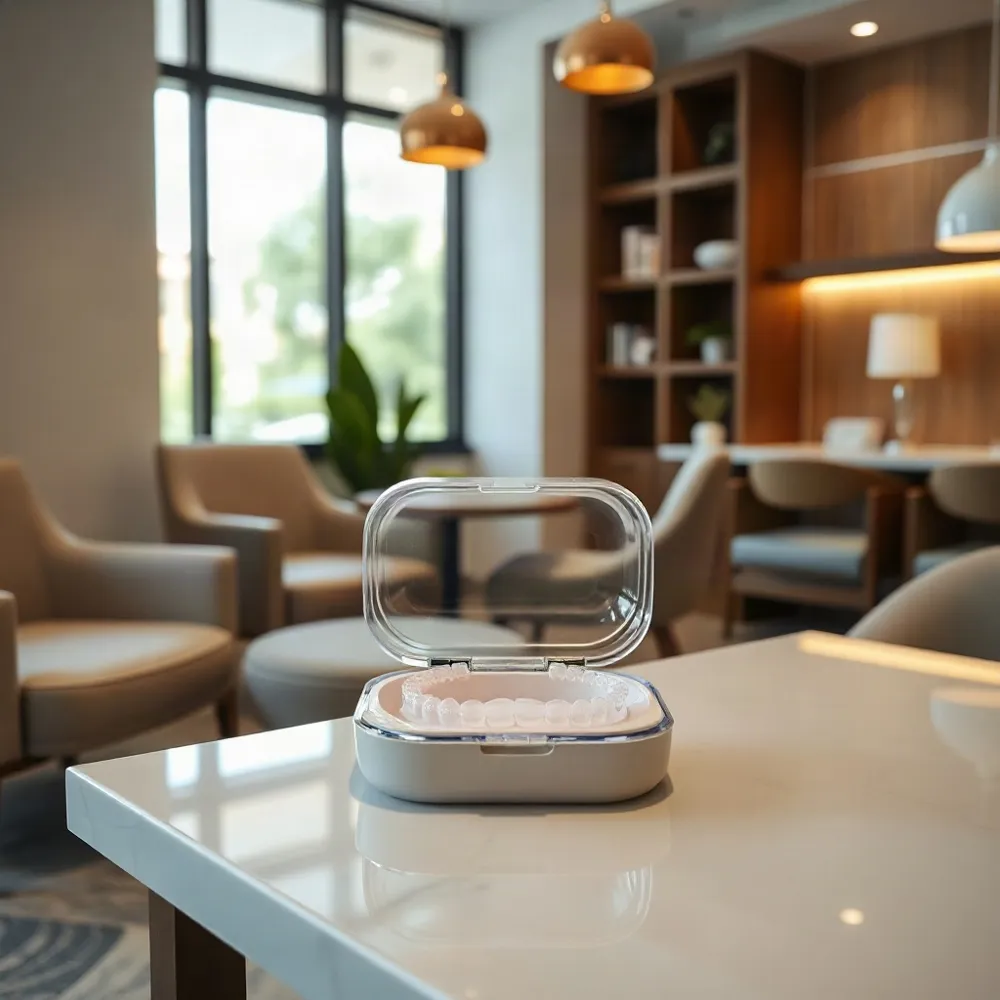
Invisalign utilizes a series of custom‑made, clear plastic trays that are digitally designed from a 3‑D intraoral scan. Each tray applies gentle, controlled pressure to shift teeth gradually, and patients swap to the next set every one to two weeks while wearing the aligners 20‑22 hours daily. Because the aligners are virtually invisible and removable, they offer discreet aesthetics and allow normal eating, brushing, and flossing without the restrictions of metal brackets. Patients experience less discomfort, fewer office visits, and improved oral hygiene. Trielle Orthodontics in Union, NJ builds on this technology with a personalized workflow: a detailed digital impression, a SmileView™ simulation of the final smile, and an individualized treatment plan that selects the appropriate Invisalign product (Express, Go, Lite, Moderate) based on case severity. The practice emphasizes comfort, imaging, and flexible payment options—including insurance, HSA/FSA, and financing—to make clear‑aligner therapy accessible for teens, adults, and families alike.
Cost Realities of Invisalign
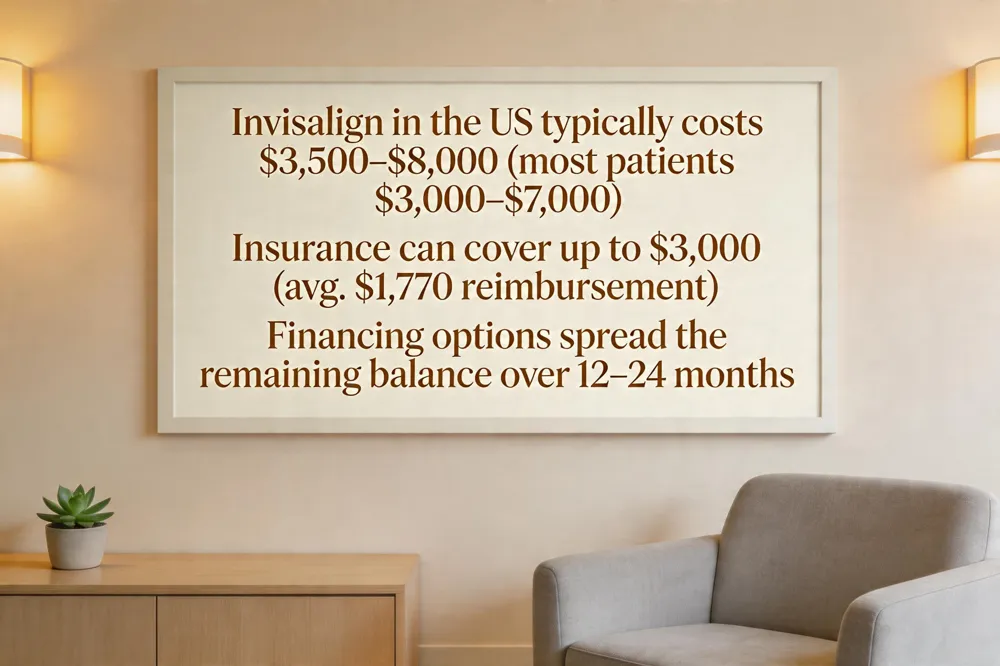 In the United States, the price of an Invisalign® program usually falls between $3,500 and $8,000, with most patients paying somewhere in the $3,000‑$7,000 range. The exact amount depends on the complexity of the case, the number of aligner trays required, and the geographic location of the practice. For example, adult patients with moderate to severe crowding or bite corrections often fall toward the higher end of the spectrum, while simple teen cases may be completed for less.
Dental insurance can dramatically lower the out‑of‑pocket expense. National data show that 92 % of U.S. patients qualify for orthodontic coverage of up to $3,000, with an average reimbursement of about $1,770. Many plans treat clear aligners the same way as traditional braces, covering a portion of the total cost. After insurance is applied, the remaining balance can still be several thousand dollars, but the financial burden is typically reduced.
Trielle Orthodontics in Union, NJ helps patients manage the remaining cost through flexible payment options. The office works with most dental insurers, accepts HSA/FSA funds, and offers in‑office financing plans that break the expense into affordable monthly installments. Patients can also explore third‑party financing with low‑interest or interest‑free periods, allowing them to spread the cost over 12‑24 months without a large upfront payment.
Is $6,000 a normal cost for Invisalign treatment? Yes. A $6,000 price tag sits comfortably within the typical U.S. range, especially for adult cases that may require more precise movements or additional refinements. With many insurance plans covering up to $3,000, the out‑of‑pocket expense can be reduced, and Trielle Orthodontics’ financing options make the remaining balance manageable through monthly payments.
Common Patient Complaints and Managing Discomfort
 The biggest complaint patients voice about Invisalign is the pressure‑induced soreness that occurs when they begin a new set of aligners. This tight, aching sensation in the teeth and gums usually lasts two to three days and signals that the teeth are moving as planned. A secondary issue is a temporary change in speech—often a slight lisp—as the tongue adapts to the new tray thickness. To ease discomfort, patients should wear the aligners for the full 20‑22 hours each day, change trays only as prescribed, and use over‑the‑counter pain relievers such as ibuprofen during the first 24‑48 hours after a switch. Soft foods, warm salt‑water rinses, and gently massaging the gums with a clean fingertip can also reduce soreness. Practicing speaking aloud while the aligners are in place helps the tongue adjust more quickly, minimizing the temporary lisp. Consistent oral‑hygiene routines—brushing and flossing after each meal before reinserting the aligners—prevent irritation and keep the mouth comfortable throughout treatment. By following these simple strategies, most patients find the brief period of pressure and speech adjustment manageable, allowing them to stay on track for a smoother, more confident Invisalign journey.
Why Some Patients Quit Invisalign Before Finishing Their Treatment
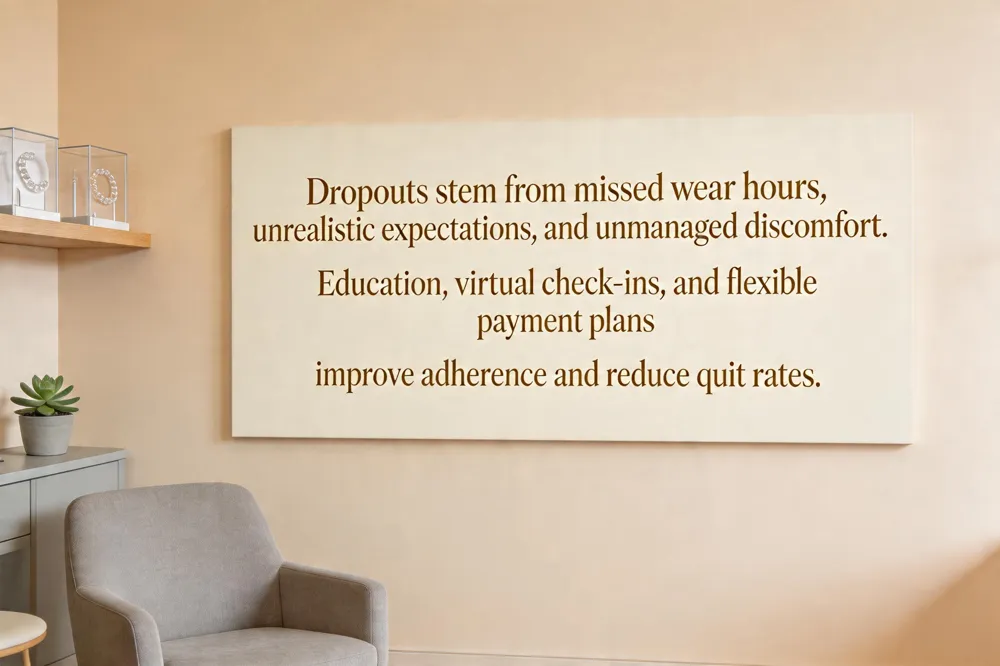 Invisalign’s success hinges on strict daily wear, realistic expectations, and comfort. Many patients struggle to meet the 20‑22 hour wear rule because busy work schedules, social events, or travel make it easy to miss hours. When the aligners are removed for meals or special occasions, patients may underestimate the cumulative loss of force, leading to slower tooth movement than anticipated.
Unreal the expectations also play a role. Before treatment, some patients imagine rapid, dramatic changes, especially after seeing before‑and‑after photos. However, clinical data show that mild to moderate cases can take six months or longer, and complex rotations or vertical shifts may progress even slower. This perceived lag can cause disappointment and a desire to quit.
Discomfort and irritation add another barrier. While most report lower pain scores than metal braces (average 6.5 vs. 5.1 on a 1‑9 scale), the pressure felt when switching trays, sore gums, or soft‑tissue irritation can be frustrating, especially if not properly managed with proper fit adjustments and oral‑hygiene guidance.
At Trielle Orthodontics in Union, NJ, thorough patient education, regular virtual or in‑office check‑ins, and personalized support—such as using the SmileView™ preview and flexible payment plans—help set realistic goals, mitigate discomfort, and encourage adherence, reducing dropout rates.
What to Expect After Just One Month of Invisalign
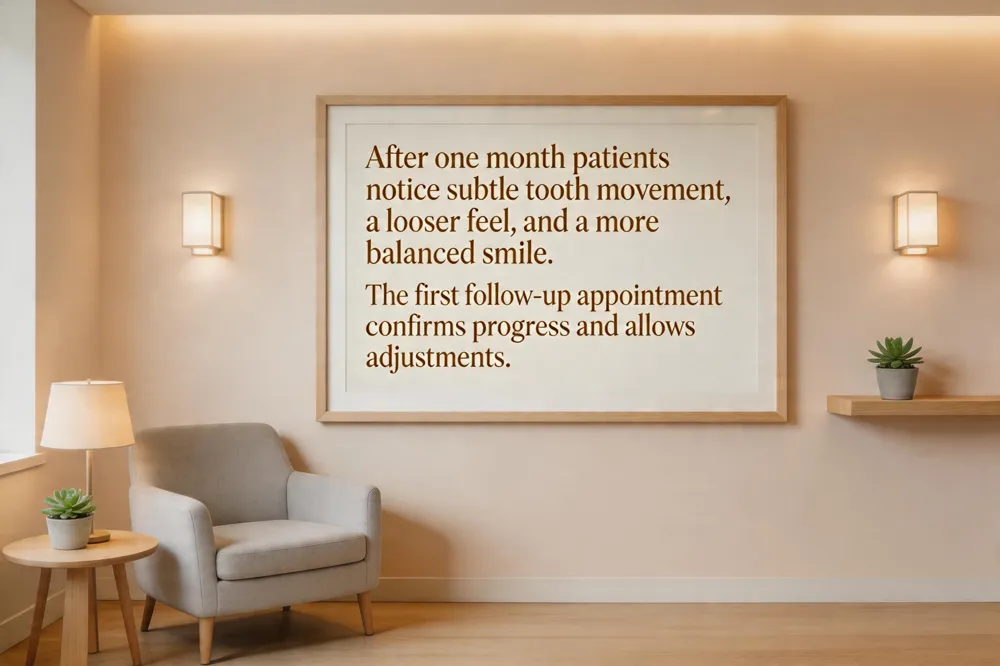 During the first month of Invisalign treatment, most patients begin to see subtle but encouraging tooth movement. The clear SmartTrack aligners apply gentle, continuous pressure that nudges crowded or spaced front teeth into a more harmonious position. While the changes are often not dramatic enough to be obvious in a mirror, the alignment start to feel looser and the overall smile begins to look slightly more balanced.
The initial weeks can feel a bit tight as the aligners settle onto the teeth. This pressure is normal and usually eases after a few days, giving the mouth a comfortable, almost natural feel. Because the aligners are virtually invisible, patients can go about daily activities—work, school, social events—without drawing attention to their orthodontic work. Consistent wear of 20‑22 hours per day, removing the trays only for meals, brushing, and flossing, is essential for optimal progress.
A crucial component of the early phase is the first follow‑up appointment, typically scheduled after the first month. At Trielle Orthodontics, this visit confirms that teeth are moving as planned, allows the orthodontist to assess comfort levels, and provides an opportunity to make any necessary adjustments to the treatment plan. The check‑up also reinforces proper aligner hygiene and reinforces the importance of compliance, setting the stage for a successful, timely transformation.
How Long Does a Typical Invisalign Treatment Take, and What Does the Before‑and‑After Timeline Look Like?
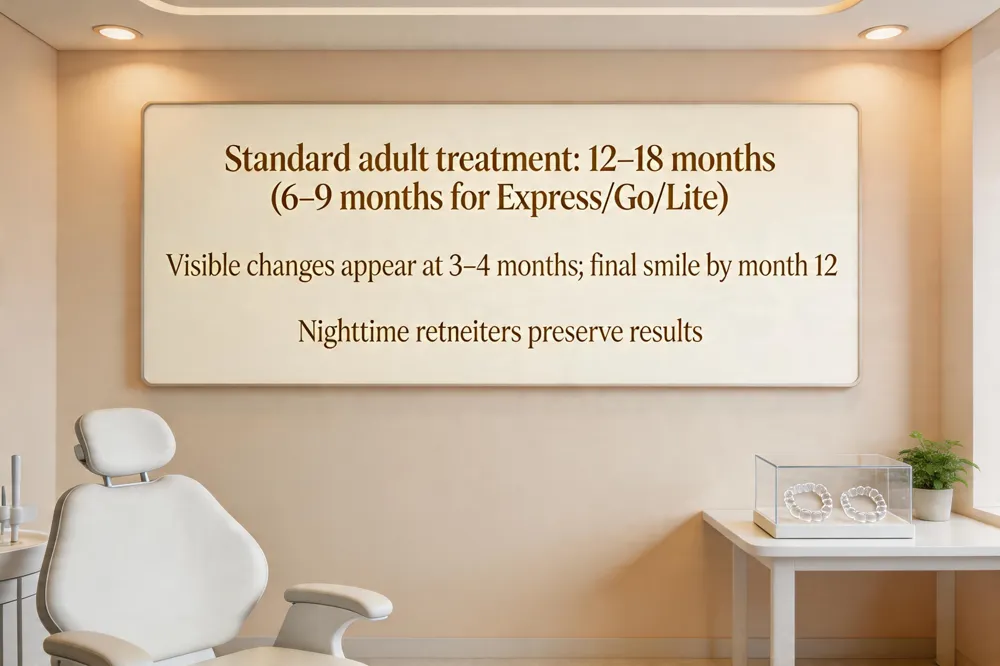 At Trielle Orthodontics, the standard adult Invisalign plan spans 12–18 months, with patients wearing each tray for 20–22 hours daily and swapping trays every one to two weeks. For mild to moderate cases—such as crowding or small gaps—our Express, Go, or Lite products can compress the timeline to 6–9 months, delivering noticeable results sooner. The journey begins with a 3‑D digital scan and a SmileView™ simulation, giving you a visual “before‑and‑after” preview before treatment starts.
Progress is documented every three months using standardized photos, allowing you to see the incremental shifts in tooth position. Most patients notice the first visible changes after the initial 3–4 months, as the aligners apply gentle, controlled forces that remodel the periodontal ligament. Regular check‑ups every 6–8 weeks ensure the plan stays on track and provide opportunities for minor adjustments.
By the final three‑month checkpoint—typically the 12‑month mark for most adults—the last set of aligners produces a fully straight, aesthetically pleasing smile. After active treatment, a nighttime retainer phase preserves the results long‑term. Whether you follow the conventional 12–18‑month pathway or qualify for a faster 6–9‑month route, Trielle Orthodontics combines modern digital planning, comfort‑focused aligner design, and flexible financing to keep your smile transformation on schedule.
Adult vs. Teen Experience and Where to Find Real Success Stories
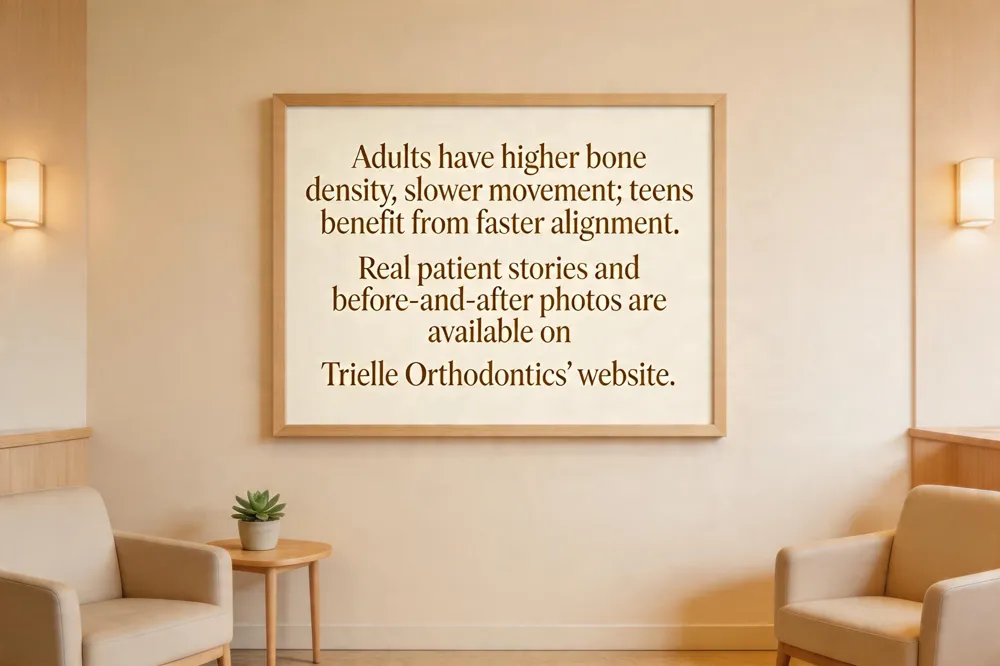 Older adults often choose Invisalign for its discreet, removable trays that let them maintain a professional appearance and flawless oral hygiene. Unlike teens, whose jaws are still developing, adult bone density is higher and teeth are more mature, which can slow tooth movement and extend treatment by a few months. Trielle Orthodontics addresses these age‑related differences with individualized digital treatment plans, frequent virtual check‑ins, and flexible payment options, ensuring that adults achieve results comparable to younger patients while enjoying the comfort of no brackets or wires.
For teens, the appeal lies in the near‑invisibility of the aligners and the ability to eat any foods without dietary restrictions. Their still‑growing bone structure generally allows faster alignment, often completing mild to moderate cases in as little as six months. Both age groups benefit from Trielle Orthodontics’s modern technology—SmileView™ simulations, and iTero imaging—that preview the final smile before treatment begins.
To see real‑world outcomes, visit Trielle Orthodontics's online patient‑story gallery. It features before‑and‑after photos, video testimonials, and detailed case studies from Union, NJ residents such as Sarah (28), Jason (36), and Emma (16). The practice also links to verified third‑party reviews on Google and Healthgrades, providing an unbiased view of patient satisfaction across adult and teen Invisalign experiences.
Your Smile Journey Starts With Confidence
Invisalign has become a trusted orthodontic solution because its clear, custom‑made aligners are virtually invisible, removable for eating and oral hygiene, and supported by 3‑D digital treatment planning that lets patients preview their future smile. Clinical surveys consistently show higher comfort (7.1/9) and less pain (6.5/9) compared with traditional metal braces, and treatment times for mild‑to‑moderate cases often finish in six to twelve months. At Trielle Orthodontics in Union, NJ, we build on that trust by pairing Invisalign with state‑of‑the‑art imaging, personalized treatment plans, and a focus on patient comfort—using the exact thickness and fit to minimise irritation. Flexible payment options, insurance coordination, HSA/FSA benefits, and financing make this technology affordable for teens and adults alike. Ready to transform your smile? Schedule a free, no‑obligation consultation today and discover how Invisalign can work for you.