Introduction
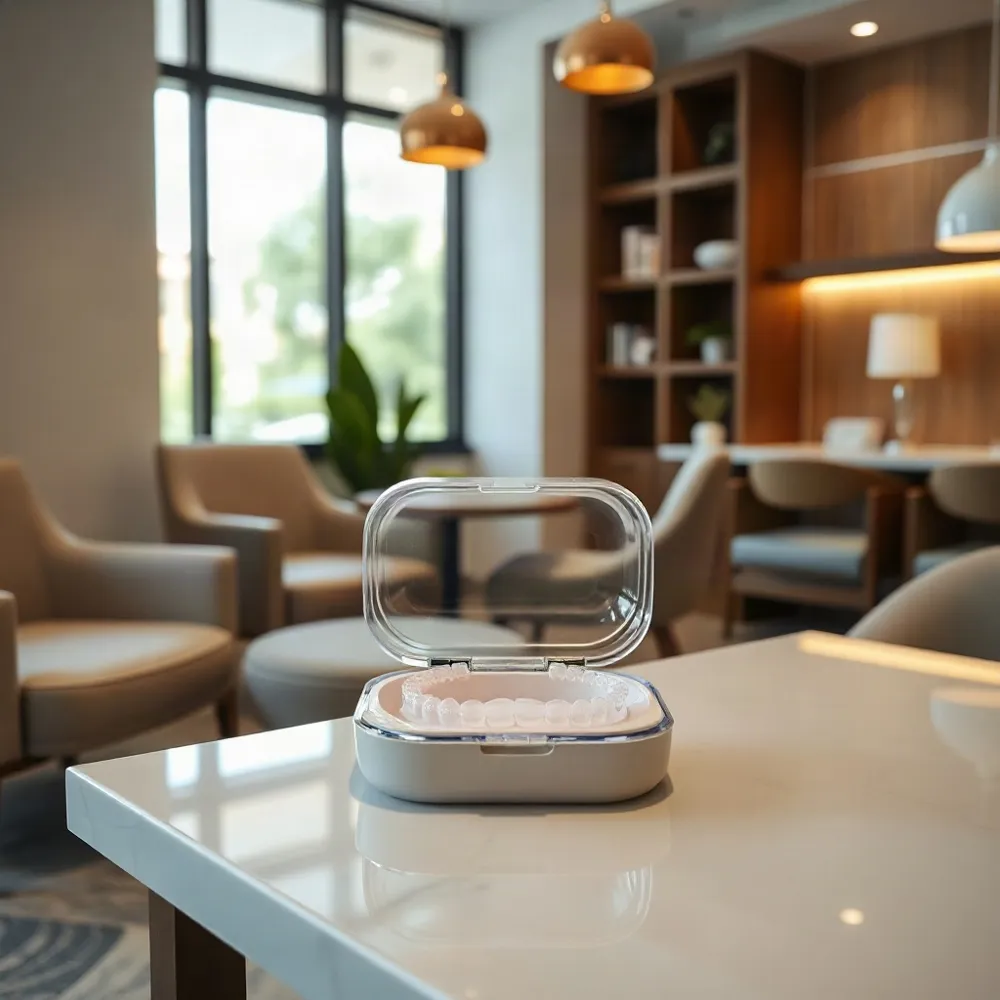
Modern orthodontic care is being reshaped by digital technologies that prioritize patient comfort, streamline workflows, and gain rapid adoption across U.S. practices. Intra‑oral 3‑D scanners capture a full‑arch impression in seconds, eliminating the need for messy alginate trays that trigger gag reflexes and cause discomfort. The instant, cloud‑based digital model allows orthodontists to share data with labs and specialists without shipping physical casts, reducing chair time and the risk of damage. Integrated CAD/CAM and 3‑D printing turn the scan into custom aligners, brackets, or retainers within hours, accelerating treatment planning and start‑up. Major groups such as the American Orthodontic Group have embraced these workflows, and practices like Trielle Orthodontics in Union, NJ routinely use intra‑oral scanners, CBCT, and AI‑driven simulation to enhance precision. This convergence of comfort‑focused scanning, seamless digital communication, and broad technology uptake is redefining how orthodontic care is delivered. Patients also benefit from faster appointments and fewer visits.
From Scans to Treatment Plans
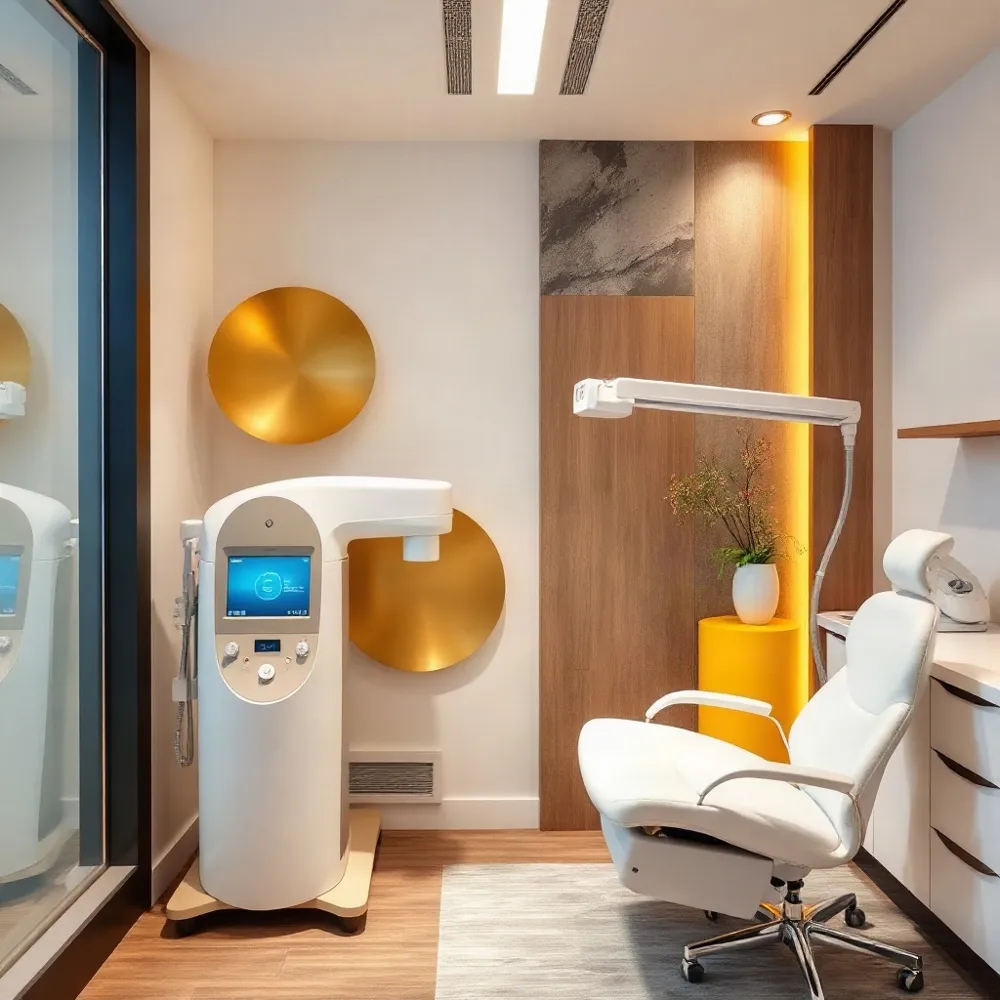
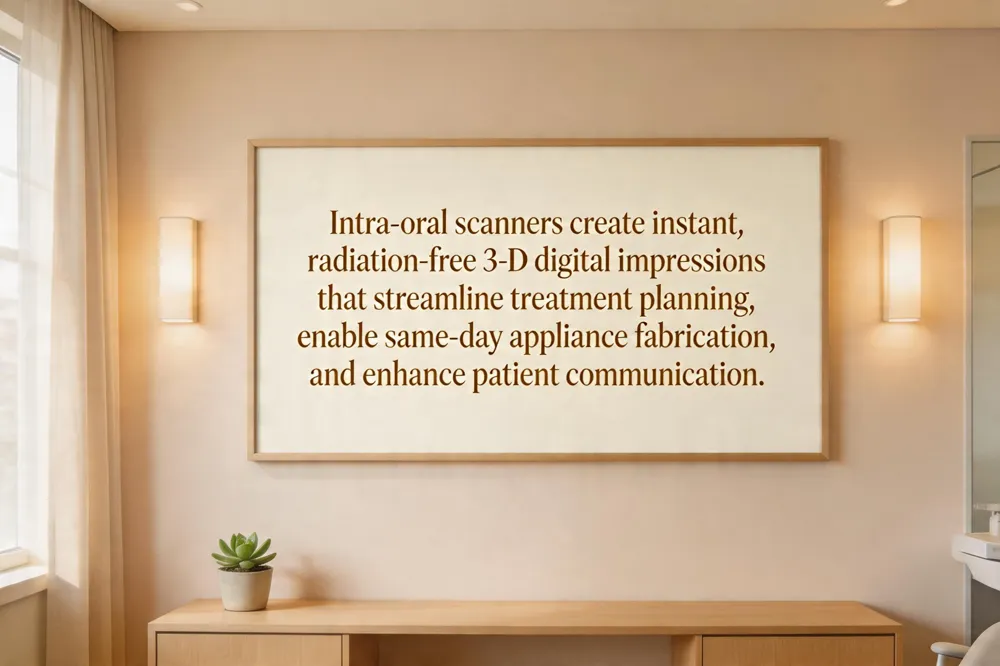 An intra‑oral scanner creates a precise digital impression of the teeth and gums in seconds, eliminating messy putty trays and uncomfortable traditional molds. The high‑resolution 3‑D scan is instantly available for treatment planning, allowing orthodontists to design clear aligners, braces, and other appliances with pinpoint accuracy. Because the data is digital, it can be sent directly to the lab or a 3‑D printer, dramatically reducing turnaround time and the chance of remakes.
Digital dental impressions are 3‑D scans captured intraorally with laser or optical scanners, creating a virtual replica of the anatomy. They provide a gag‑free, comfortable experience and display the model instantly on a screen, enabling clinicians to assess bite, plan aligner therapy, and design custom appliances with high precision. The digital workflow shortens chair time, improves accuracy, and supports an environmentally friendly, paper‑free practice.
Yes—digital impressions are generally superior to traditional putty‑based molds. They capture every detail of the teeth and gums, leading to better‑fitting orthodontic devices and faster, more predictable treatment plans. The instant transmission of data to labs allows same‑day or next‑day appliance fabrication, reducing office visits and increasing patient satisfaction.
Using a digital scanner eliminates uncomfortable, gooey materials, provides an accurate 3‑D model, and enables rapid, on‑site fabrication of retainers, aligners, and custom brackets. The visual model can be shown to patients in real time, improving communication and education while reducing waste.
Trielle Orthodontics captures this workflow in‑office. A quick 2‑3‑minute scan yields a radiation‑free digital model that is uploaded to treatment‑planning software, allowing patients to preview their future smile and receive a personalized plan before any appliance is placed.
Custom Brackets and Digital Braces
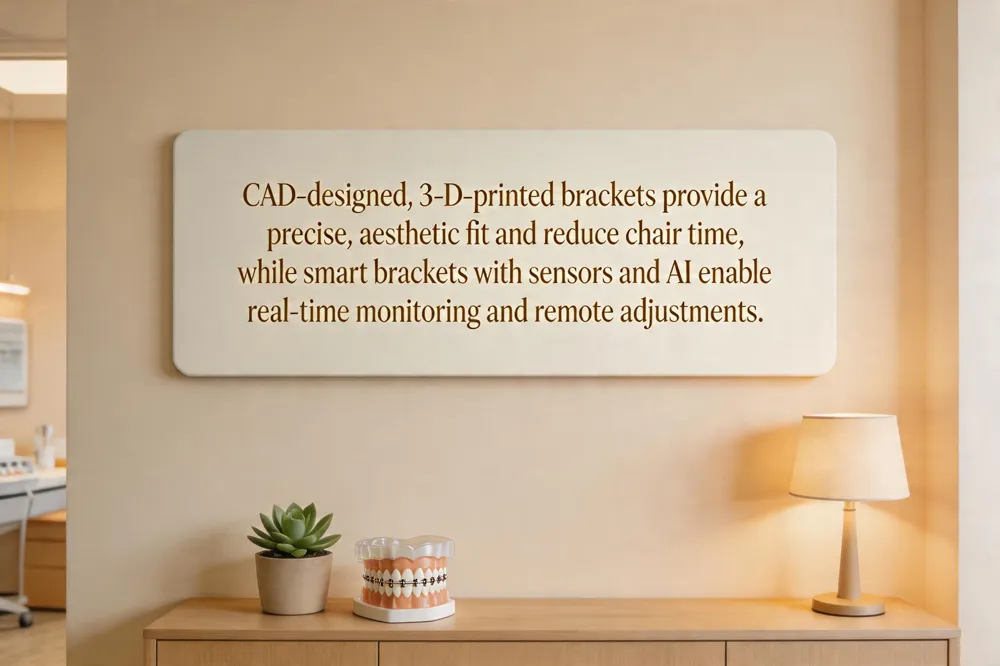 Digital braces are custom‑fabricated orthodontic brackets designed with CAD and produced by 3‑D printing. Each bracket fits the patient’s tooth morphology precisely, allowing virtual treatment simulation on a 3‑D model and placement with patient‑specific indirect‑bonding trays. This workflow reduces chair‑time, improves comfort and and maintains high aesthetics while delivering the control of traditional braces. Trielle Orthodontics in Union, NJ combines these digital brackets with flexible financing and thorough patient education.
A professional intra‑oral 3‑D scanner typically costs $7,000–$30,000 depending on the and accessories; refurbished units can be $5,000–$12,000. Trielle includes the scanner’s cost in the overall treatment plan, so patients do not pay a separate fee.
Recent advances in orthodontic brackets include tooth‑colored ceramic designs for discreet aesthetics, self‑ligating systems that cut friction and chair‑time, antibacterial nanocoatings, and 3‑D‑printed patient‑specific brackets. Smart brackets now embed micro‑sensors and AI algorithms that monitor force and movement in real time, enabling remote adjustments and fewer office visits.
Innovation in orthodontics revolves around digital workflows, 3‑D‑printed appliances, AI‑driven simulations, remote‑monitoring apps, and accelerated techniques such as high‑frequency vibration. These tools, paired with personalized care and flexible payment options, define the modern orthodontic experience at Trielle Orthodontics.
Clear Aligners: Costs, Benefits, and Comparisons
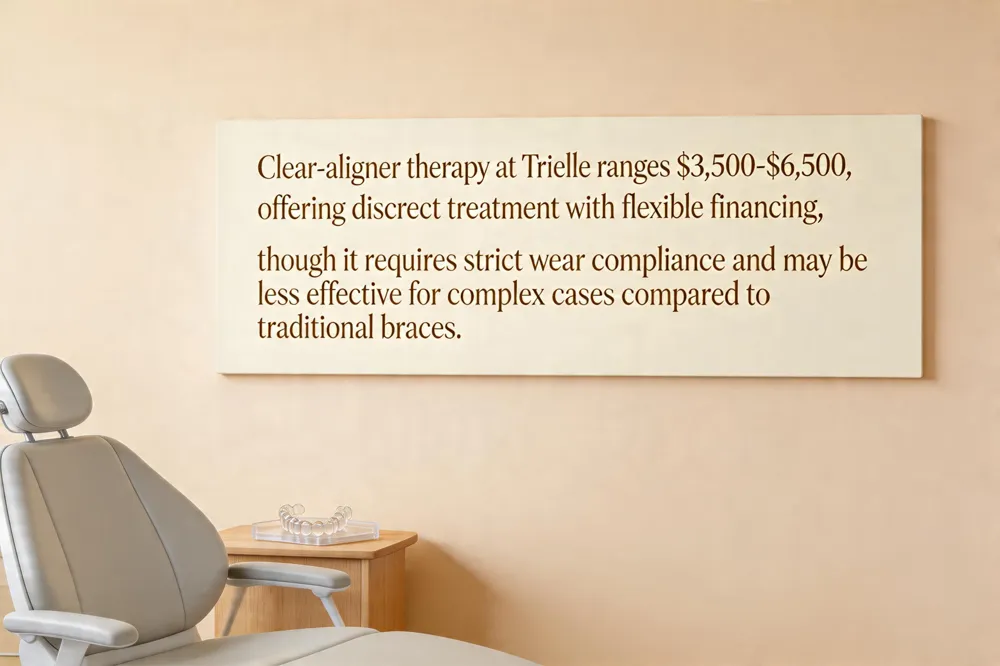 Clear‑Aligner Cost
At Trielle Orthodontics, clear‑aligner therapy typically ranges from $3,500 to $6,500, depending on case complexity and the number of trays required. This aligns with the national average of $1,800‑$8,100. The practice accepts most dental‑insurance benefits and offers interest‑free financing plans to ease the financial burden.
Clear‑Aligner Therapy vs. Invisalign
Clear‑aligner therapy is the generic term for any removable, transparent tray system, while Invisalign is a specific brand that uses Align Technology’s SmartTrack material and advanced 3‑D imaging. Invisalign often provides greater precision for complex movements, but other brands can be more cost‑effective for mild crowding. Trielle evaluates each patient to recommend the most suitable option based on budget and treatment goals.
Why Some Dentists Prefer Braces
Dentists may favor traditional braces because they do not rely on patient compliance—aligners must be worn 20‑22 hours daily. Severe rotations, large gaps, and complex bite corrections can be harder to achieve with Invisalign, sometimes requiring supplemental appliances. The higher cost and the need for diligent oral hygiene also deter some clinicians.
Disadvantages of Clear Aligners
Aligners demand strict wear time, can be lost or misplaced, and are less effective for severe malocclusions. Initial discomfort, gum irritation, and the need for meticulous cleaning are common drawbacks. They are generally more expensive than metal brackets.
Clear‑Aligner Before and After
Digital 3‑D scans and custom BPA‑free aligners allow patients to see a virtual treatment simulation before starting.
Before‑and‑after images demonstrate how crowding, gaps, and bite issues are resolved while maintaining a natural smile throughout the discreet, removable process.
Future Directions and AI Integration
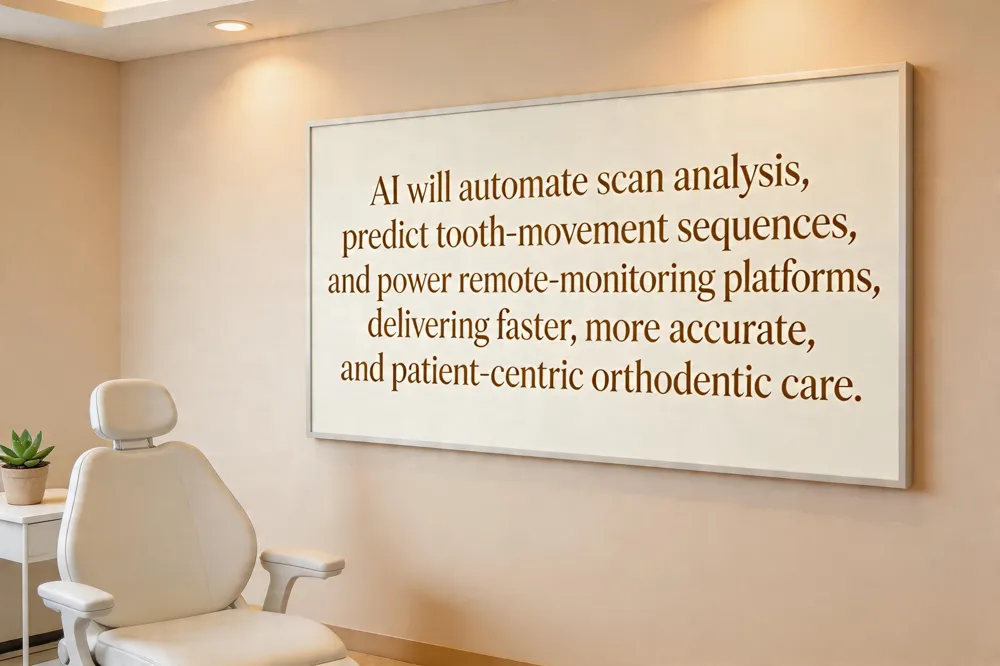 Artificial intelligence (AI) is poised to transform orthodontic workflows by automatically analyzing 3‑D digital impressions, predicting optimal tooth‑movement sequences, and suggesting custom bracket or aligner designs. AI‑driven algorithms can compare a patient’s scan to millions of cases, flagging potential complications and accelerating treatment planning. Remote monitoring platforms, already used for smartphone photo uploads, will soon incorporate AI to evaluate intra‑oral scans taken at home, alerting clinicians to deviations in aligner fit or undesired movements before they become clinically significant. This continuous, data‑rich feedback loop reduces office visits and enhances treatment efficiency. Patient education benefits from AI‑generated visual simulations that update in real time as scans are re‑taken, allowing patients to see exactly how their smile will evolve. At Trielle Orthodontics, integrating AI with digital impressions not only shortens chair time and improves accuracy but also creates an interactive, transparent experience that empowers patients to make informed decisions about their orthodontic journey.
Conclusion
Digital orthodontics has transformed the patient experience by prioritizing comfort and efficiency. Intra‑oral scanners eliminate messy impressions, reducing gag reflexes and chair‑time while delivering micron‑level accuracy that translates into better‑fitting appliances. Integrated CAD/CAM, 3‑D printing, and AI‑driven treatment simulations accelerate planning, shorten overall treatment timelines, and enable remote monitoring, all of which enhance clinical outcomes and patient satisfaction. Trielle Orthodontics embraces these advancements, offering a fully digital workflow that combines rapid 3‑D scanning, virtual treatment visualizations and on‑site fabrication of clear aligners and retainers. This commitment to cutting‑edge technology not only streamlines care but also reinforces the practice’s patient‑centered philosophy—delivering personalized, comfortable orthodontic solutions with transparent communication and flexible financing options.