Knowledge is the Foundation of a Great Smile
Making an informed decision about orthodontic care starts with understanding the options available. For many patients, the first question is whether to choose traditional braces or clear aligners. Both systems are effective, but they work in fundamentally different ways.
Braces use brackets bonded to the teeth and an archwire to apply gentle, continuous pressure. Modern options include self-ligating braces, which use a specialized clip instead of elastic ties, often requiring fewer adjustments. Lingual braces, placed behind the teeth, offer an invisible alternative. Clear aligners, on the other hand, move teeth through a series of incremental, custom-made plastic trays. Because they are removable, they allow you to eat and drink normally and brush and floss with ease. Orthodontic staff training, often grounded in resources from the American Association of Orthodontists (AAO), ensures that this information is conveyed accurately and confidently during patient workshops.
What Problems Can Be Treated?
Orthodontic care addresses a wide range of issues that affect both oral health and appearance. Common conditions treated include overcrowding, gaps between teeth, overbite, underbite, crossbite, and open bite. A thorough diagnosis, which may involve 3D scanning and digital smile design, helps the orthodontist determine the most effective approach. Clear aligners have proven versatile, treating everything from simple crowding to complex malocclusions when combined with adjuncts like attachments—small tooth-colored bumps that guide tooth movement—and interproximal reduction (IPR) to create space. Temporary Anchorage Devices (TADs) can be used with either braces or aligners to achieve movements not possible with the appliance alone.
The Treatment Journey: From Scan to Smile
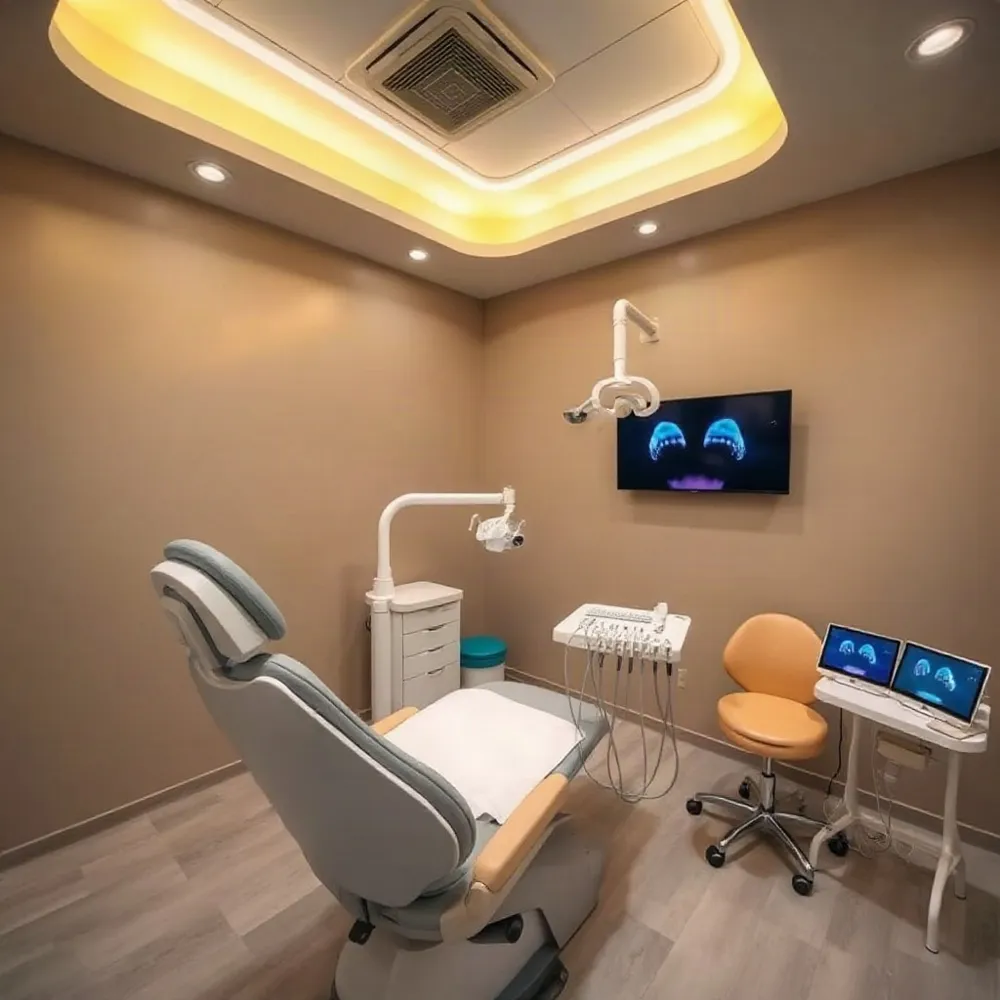
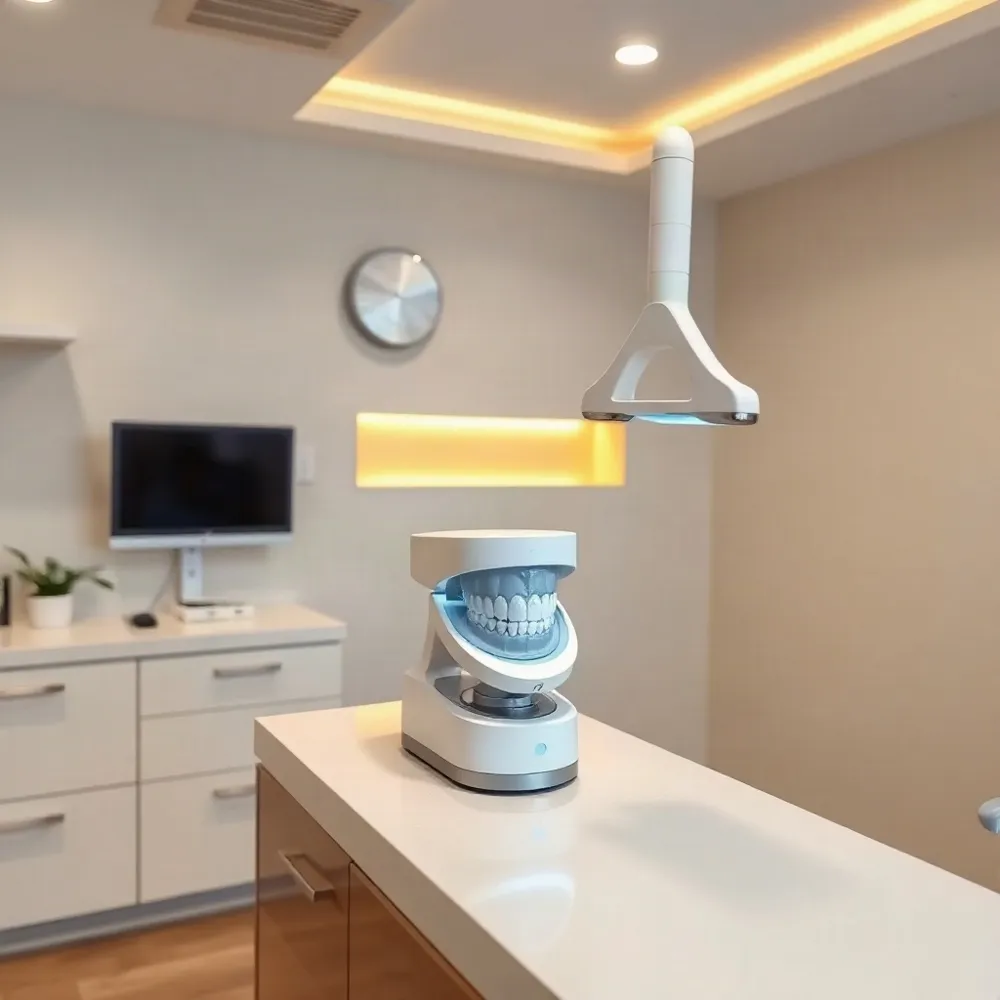
Modern orthodontics relies heavily on digital technology. The process typically begins with an intraoral scan, capturing a precise 3D model of the teeth. For aligner patients, this digital model is used to create a virtual treatment plan, simulating every stage of tooth movement before the first tray is ever made. This planning software, such as ClinCheck, allows the orthodontist to review the projected outcome and make adjustments prior to fabrication. The Aligner Course Series from Dentsply Sirona, for example, teaches clinicians how to review these digital plans and communicate them effectively to patients. For braces, systems like SureSmile use digital scans to design custom archwires, reducing treatment time.
Understanding Your Commitments
Treatment duration varies depending on age, the complexity of the case, and the patient's diligence. Most orthodontic treatment lasts between one and three years. Here are the key commitments for each option:
| Aspect | Braces | Clear Aligners |
|---|---|---|
| Wear time | 24/7 (fixed) | 20-22 hours per day |
| Oral hygiene | Special brushing/flossing tools needed | Removable, so regular hygiene is simple |
| Diet | Avoid sticky, hard, or chewy foods | No dietary restrictions |
| Appointments | Frequent adjustments (4-8 weeks) | Fewer office visits, but patient compliance is essential |
| Discomfort | Mild to moderate after adjustments | Slight pressure when switching to a new tray |
| Visibility | Metal, clear ceramic, or gold (or lingual) | Nearly invisible acrylic trays |
Adjuncts and Additional Procedures
To achieve the best results, many treatment plans incorporate additional techniques. Attachments are commonly bonded to teeth to improve aligner grip and control. Interproximal reduction (IPR) is a safe method of slightly reducing tooth width to create space for alignment. For more complex cases, TADs provide a fixed anchor point to facilitate difficult tooth movements. Gingivectomy, or laser gum contouring, may be recommended to improve gum health or enhance the smile's appearance. Your orthodontist will explain exactly which adjuncts are needed for your specific plan.
Why Professional Guidance Matters
The American Association of Orthodontists (AAO) warns against at-home orthodontic treatments, emphasizing that adequate care cannot be received remotely. An in-person evaluation by a qualified orthodontist is necessary for proper diagnosis and safe treatment. Trielle Orthodontics, for example, uses the full scope of professional training, including Continuing Education from the AAO and resources from the American Orthodontic Society (AOS), to ensure every patient receives a safe, evidence-based treatment plan. Patient education workshops at the practice draw on materials like the Krames dental booklets—including 'All About Braces' and 'Adult Orthodontics'—to help patients understand their conditions and options clearly.
Making the Right Choice for You
Ultimately, the best orthodontic solution depends on your lifestyle, the complexity of your case, and your personal preferences. A facially driven approach considers not just tooth alignment but also your facial aesthetics, airway health, and TMJ function. By participating in a patient education workshop, you will gain the knowledge to have a more productive conversation with your orthodontist. Informed patients are happier, healthier patients, and understanding the mechanics, timeline, and care requirements of braces and aligners is the first step toward a confident, lasting smile. Whether you choose the proven reliability of braces or the discreet flexibility of aligners, a treatment plan built on education and partnership will deliver the best outcome.
Why Patient Education Matters in Orthodontics
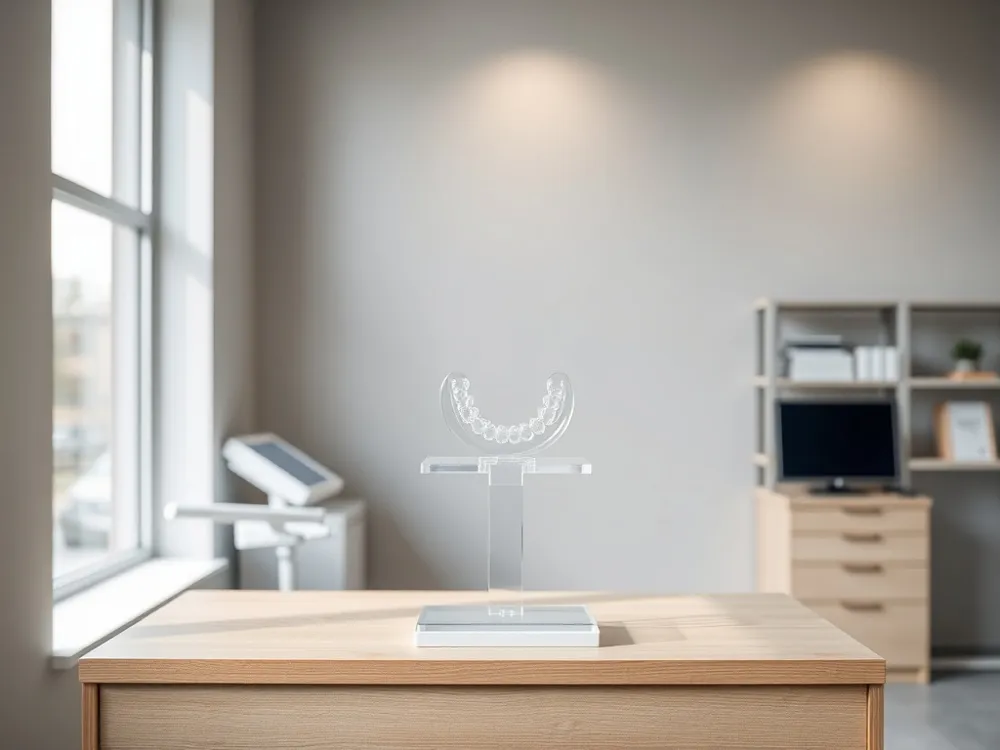
Patient education is the foundation of successful orthodontic treatment. The American Association of Orthodontists (AAO) states that “more informed patients are happier, healthier patients.” When individuals understand how braces or clear aligners work, what to expect during treatment, and how their cooperation affects results, they are more likely to follow instructions—such as wearing aligners 20–22 hours daily or maintaining good oral hygiene with braces. This adherence minimizes delays and complications, leading to smoother, more predictable outcomes.
Educated patients also make better decisions. By learning about treatment options—from traditional metal braces to clear aligners—they can choose what best fits their lifestyle and goals. A clear understanding of the process builds trust and reduces anxiety, especially for adults considering orthodontics later in life. Practices that prioritize education, such as Trielle Orthodontics, help patients feel empowered and engaged in their care.
Ultimately, well-informed patients tend to be more satisfied with their results. They recognize that orthodontic treatment is a partnership between the patient and the orthodontist, and that their active participation is essential for a lasting, healthy smile.
Understanding Your Options: Braces vs. Clear Aligners
How Do Braces and Clear Aligners Differ?
Both braces and clear aligners apply gentle, controlled forces to move teeth over time. Traditional braces use metal or ceramic brackets bonded to teeth, connected by an archwire. Clear aligners are a series of removable, transparent plastic trays that shift teeth through incremental adjustments. Braces are fixed in place and can manage a wider range of complex tooth movements, especially rotations and vertical adjustments. Aligners offer a discreet and removable alternative that allows normal eating, brushing, and flossing. Your specific orthodontic needs determine which option is best suited for you.
What Types of Braces Are Available?
Braces are not one-size-fits-all. Metal braces use high-grade stainless steel brackets and archwires, with optional colored elastics. Ceramic (clear) braces are less visible and popular among teens and adults. Self-ligating braces use a specialized clip instead of elastic ties, potentially reducing pressure and the number of adjustments needed. Gold-coated braces provide a cosmetic option with similar function to metal braces. Lingual braces are customized and placed behind the teeth, making them invisible when smiling—an ideal choice for musicians or athletes.
What Treatment Options Do Clear Aligners Offer?
Clear aligners can treat a wide range of issues, from simple crowding to complex bite problems such as open bites, deep bites, and crossbites. Attachments (small tooth-colored bumps) help guide tooth movement, and interproximal reduction (IPR) may be used to create space. Digital treatment planning software creates a precise 3D simulation of your tooth movement before treatment begins, leading to predictable outcomes. Adjunct therapies like temporary anchorage devices (TADs) or accelerated orthodontics can be combined with aligners for more complex cases. After active treatment, a retention protocol is essential to maintain your new smile.
How Do Treatment Timelines Compare?
Depending on your age, treatment method, and case severity, orthodontic treatment usually lasts between one and three years. Patient diligence—such as wearing aligners for 20-22 hours per day—significantly impacts speed. With braces, adjustments are scheduled every 4-8 weeks. Aligners involve changing to a new set of trays every 1-2 weeks as directed. Both methods require a retainer after active treatment to prevent teeth from shifting back.
| Feature | Traditional Braces | Clear Aligners |
|---|---|---|
| Visibility | Metal or ceramic brackets visible | Nearly invisible plastic trays |
| Removability | Fixed, cannot be removed | Removable for eating and cleaning |
| Treatment Range | Effective for complex movements, rotations | Effective for mild to moderate cases, some complex |
| Oral Hygiene | More difficult, requires special tools | Easier, normal brushing and flossing |
| Appointment Frequency | Every 4-8 weeks for adjustments | Every 4-12 weeks for progress checks |
| Comfort | May cause initial irritation from brackets | Fewer abrasions, less initial discomfort |
| Patient Compliance | Not dependent on wear time | Requires 20-22 hours daily wear for success |
| Digital Planning | Limited, often relies on physical impressions | 3D digital simulation for precise treatment plan |
What to Expect During Treatment: From Digital Scans to Retainers
Digital Scans and 3D Treatment Planning
Your treatment begins with a precise digital scan of your teeth. This scan replaces messy impressions and creates a 3D model used to design your custom braces or clear aligners. With aligner therapy, software like ClinCheck allows your orthodontist to simulate tooth movement step by step, showing your expected outcome before treatment starts. For braces, systems like SureSmile use this scan to craft custom archwires for more efficient movement.
The Treatment Journey
During active treatment, you’ll wear your appliance (braces or aligners) as directed. Clear aligners should be worn 20–22 hours daily, switching to a new set every 1–2 weeks. Braces apply constant gentle force through brackets and wires. You may also receive attachments for aligners or temporary anchorage devices (TADs) for complex movements. Treatment typically lasts one to three years, depending on your case.
Long-Term Retention
After your teeth reach their final positions, retention is essential to prevent relapse. You will receive a custom retainer (fixed or removable) to wear, often at night. Your orthodontist will provide care instructions, including cleaning and when to replace your retainer. Regular follow-ups ensure your smile stays straight.
Dispelling Myths and Answering Common Questions
Can you receive orthodontic care entirely at home?
A common misconception is that adequate orthodontic care can be received at home. Visiting an orthodontist in person is necessary for safe and effective treatment. Professional evaluation is critical, as proper case selection and diagnosis are essential for successful outcomes. At-home treatments cannot provide the precise force control or monitoring needed.
What is the difference between a dentist and an orthodontist?
Both care for your mouth and teeth, but orthodontists are specialists who complete additional years of training. An orthodontist focuses specifically on diagnosing and correcting misaligned teeth and jaws. A qualified orthodontist manages the biomechanics of tooth movement, whether using braces or clear aligners.
How do clear aligners and braces differ in mechanics?
Aligners move teeth through a series of incremental adjustments using removable acrylic trays. In contrast, braces use brackets and archwires to apply constant, gentle pressure. For aligners, attachments (small tooth-colored bumps) and interproximal reduction (IPR) help guide movement. Self-ligating braces use a specialized clip instead of elastic ties, reducing pressure and appointments.
| Topic | Braces | Clear Aligners |
|---|---|---|
| Mechanism | Brackets & archwires | Incremental trays |
| Placement | Fixed, bonded to teeth | Removable |
| Auxiliaries | Elastics, coils | Attachments, IPR |
| Visibility | Metal or ceramic | Nearly invisible |
| Oral hygiene | Requires special care | Normal brushing & flossing |
Workshop Formats and How to Get Involved
In-Person Workshops
These hands-on sessions at Trielle Orthodontics’s office allow you to see actual models of braces and aligners, ask your orthodontist questions directly, and practice care techniques. You can expect demonstrations on brushing and flossing with braces, an explanation of how attachments and interproximal reduction work with aligners, and a guided tour of the digital scanning process used to create your custom treatment plan.
Digital and On-Demand Learning
Prefer to learn from home? Trielle offers recorded workshops and downloadable materials covering the same essential topics. These resources include glossary explanations for common orthodontic terms, step-by-step instructions for managing appliances, and videos comparing treatment options like traditional braces, self-ligating brackets, and clear aligners.
How to Join
To get involved, simply call Trielle Orthodontics at (973) 528-7558 to inquire about upcoming workshop dates. No prior commitment is needed. Participation is free and can help you confidently decide which treatment path is right for you.
| Workshop Format | Description | Best For |
|---|---|---|
| In-Person | Live demos and Q&A with the orthodontist | Ask detailed questions, see equipment |
| On-Demand Video | Pre-recorded sessions on your schedule | Self-paced learning, revisiting topics |
| Downloadable Guides | PDF reports on specific topics | Home reminders, care instructions |
Your Journey to a Confident Smile Starts Here
Understanding the timeline is the first step in planning your orthodontic journey. The duration of treatment with braces or clear aligners typically ranges from one to three years. This timeline depends on several factors, including your age, the complexity of your case, and the specific orthodontic method chosen. Your diligence in following treatment protocols, such as wearing aligners for the recommended 20-22 hours per day, plays a significant role in achieving your desired results efficiently.
Modern orthodontics offers a variety of appliances tailored to different needs and lifestyles. For patients seeking a discreet option, clear aligners are a popular choice. They consist of a series of custom-made, removable acrylic trays that gently shift teeth into alignment. These aligners allow you to eat, drink, and maintain oral hygiene without the restrictions often associated with fixed braces. Attachments, which are small tooth-colored bumps, and techniques like interproximal reduction (IPR) are often used to enhance the effectiveness of aligner therapy.
For those requiring a different approach, several types of braces are available. Traditional metal braces, constructed from high-grade stainless steel, are a time-tested and highly effective option. Self-ligating braces use a specialized clip instead of elastic ties, which can reduce friction and the number of adjustment appointments. Clear ceramic braces offer a less visible alternative, though they require more diligent oral hygiene. Each type is designed to apply gentle, constant pressure to move teeth to their proper positions.
| Treatment Option | Key Features | Best For |
|---|---|---|
| Clear Aligners | Removable, discreet, allows normal eating & brushing | Mild to moderate crowding or spacing |
| Traditional Metal Braces | Stainless steel, high durability, colored elastics | Comprehensive corrections of all complexities |
| Self-Ligating Braces | Clip mechanism, gentler pressure, fewer appointments | Patients seeking efficiency and comfort |
| Clear Ceramic Braces | Tooth-colored, less visible, larger brackets | Aesthetic-conscious teens and adults |