Personalized Orthodontic Treatment Plans: Tailoring Care to Your Unique Needs
Defining Personalized Orthodontic Treatment Plans
No two smiles are exactly alike, and neither are the paths to achieving a healthy alignment. Personalized orthodontic treatment plans have become the gold standard, offering tailored solutions designed specifically for your teeth, lifestyle, and goals. A personalized plan includes a detailed diagnosis, clear objectives, and step-by-step guidance on the appliances, adjustments, and timelines you will follow.
The journey begins with an in-depth evaluation. Your orthodontist will take X-rays, digital scans, and photographs. Bite analysis and patient interviews help understand your concerns, preferences, and lifestyle. This comprehensive assessment ensures that every decision—from the type of braces to the treatment duration—is built around your unique dental anatomy.
Why Generic Approaches Fall Short
Generic orthodontic approaches follow a template that may work for some but not for all. They do not account for individual differences in dental structure, bite patterns, or personal priorities. This can lead to inefficiencies, discomfort, and suboptimal results. Personalized plans, by contrast, adapt every step to your exact needs. They eliminate unnecessary steps and focus only on what your smile requires.
Modern orthodontics has evolved to deliver treatments that are as unique as you are. Advanced technologies like 3D imaging, AI-based planning, and simulation software allow for hyper-precise plans. Your orthodontist uses these tools to project outcomes, adjust strategies in real time, and ensure that the final result matches your expectations.
Core Components of a Personalized Plan
A personalized treatment plan is more than a set of braces. It is a roadmap that includes:
- Diagnosis: Based on clinical exams, scans, photographs, and dental records.
- Treatment options: A discussion of available choices—metal braces, ceramic braces, lingual braces, clear aligners, or combinations.
- Projected outcomes: Using software to show what your smile will look like.
- Timeline: Estimated duration, from several months to two years, depending on complexity.
- Post-treatment care: A retention phase to keep teeth in place.
The Importance of Customized Orthodontic Care
Personalized care matters because it addresses not just the cosmetic appearance of your teeth but also the underlying structural and functional aspects of your oral health. Crooked teeth, crowded teeth, gaps, overbites, underbites, and crossbites are corrected with precision when the plan is tailored to your specific jaw and tooth positions.
Benefits extend far beyond aesthetics. Straight teeth are easier to clean, reducing the risk of cavities, gum disease, and enamel wear. Proper alignment also improves chewing, speech, and jaw function, potentially relieving temporomandibular joint (TMJ) discomfort. A well-planned treatment boosts self-esteem and confidence, often leading to improved social and professional interactions.
Another critical advantage is fewer surprises during treatment. With a personalized plan, your orthodontist can anticipate challenges and adjust proactively. This reduces the likelihood of emergency visits and ensures steady progress. Patients who understand their plan tend to be more compliant, which can shorten overall treatment time.
The Role of Your Orthodontist
Your orthodontist plays a central role in ensuring your treatment is genuinely personalized. They spend years in advanced training to understand tooth movement, jaw growth, and facial development. During the initial consultation, they listen carefully to your goals—whether you prioritize speed, discretion, or cost—and craft a plan that aligns with your values.
Open communication is key. A good orthodontist explains every option, discusses pros and cons, and answers your questions. They involve you in decisions about appliance type, adjustment schedule, and retention methods. Throughout treatment, regular check-ups (every four to six weeks) allow them to monitor progress and make small refinements as needed.
Technology That Powers Personalization
Modern orthodontic practices use cutting-edge technology to create custom appliances with unparalleled accuracy.
| Technology | Purpose | Benefit |
|---|---|---|
| Digital intraoral scanning | Creates 3D models of teeth | Eliminates messy impressions; improves comfort and precision |
| 3D X-rays (CBCT) | Provides comprehensive views of teeth and jaw structure | Enables accurate diagnosis of impacted teeth, root positions, and bone density |
| AI-based treatment planning software | Simulates tooth movements and predicts outcomes | Allows orthodontists to test different approaches and choose the most efficient path |
| On-site 3D printing | Produces custom aligners, retainers, and space maintainers in-house | Reduces wait times, lowers costs, and ensures perfect fit |
These tools allow for hyper-precise bracket placement, aligner design, and adjustment sequences. They also make treatment more comfortable and efficient.
Types of Appliances in a Personalized Plan
Your orthodontist will recommend appliances based on your specific needs. Common options include:
- Metal braces: Traditional brackets and wires; still highly effective for complex cases.
- Ceramic braces: Tooth-colored brackets that are less noticeable.
- Lingual braces: Attached to the back of teeth; nearly invisible.
- Clear aligners (e.g., Invisalign): Removable plastic trays; discreet and comfortable.
- Palatal expanders, elastics, and retainers: Used to correct bite issues and maintain results.
Each option has advantages and limitations. For example, clear aligners are popular for mild to moderate crowding and spacing, but severe malocclusions may require fixed braces. A personalized plan matches the appliance to your unique orthodontic needs.
The Retention Phase: Securing Your Investment
Once active treatment ends, the retention phase begins. Wearing retainers prevents teeth from shifting back to their original positions. Your orthodontist will design a custom retainer—either removable (Hawley or Essix) or fixed (bonded wire). They will guide you on wear duration and care. Without retention, even the most successful treatment can relapse.
Long-Term Benefits of Personalized Orthodontic Care
Investing in a personalized treatment plan yields lifelong dividends. Beyond a beautiful smile, you gain improved oral health, better function, and enhanced self-confidence. Studies show that individuals who undergo orthodontic treatment report higher self-esteem and reduced anxiety. Proper alignment also prevents premature wear and tear on teeth, reducing future dental expenses.
Personalized care is not just about straightening teeth—it is about creating a foundation for overall health. By addressing bite issues and crowding, you lower the risk of tooth decay, gum disease, and jaw pain. The result is a smile that not only looks great but also functions optimally for years to come.
Starting Your Personalized Journey
To begin, schedule an initial consultation with a qualified orthodontist. During this visit, you will receive a comprehensive evaluation, discuss your goals, and review treatment options. Come prepared with questions about types of braces, expected timeline, cost, and payment plans. Many orthodontists offer flexible financing to make care accessible.
Remember, personalized orthodontic care is a partnership between you and your orthodontist. With the right plan, you can achieve a healthy, confident smile that is uniquely yours.
Introduction to Orthodontic Treatment
What is Orthodontic Treatment?
Orthodontic treatment is a specialized branch of dentistry focused on diagnosing, preventing, and correcting misaligned teeth and jaws, often referred to as malocclusions. It addresses issues like crooked teeth, crowding, overbites, and underbites. Beyond improving appearance, treatment reduces the risk of cavities, gum disease, and excessive tooth wear by making teeth easier to clean. The American Association of Orthodontists recommends an early evaluation around age 7 to identify developing problems. Modern orthodontics offers personalized, comfortable options using advanced technology.
What Types of Orthodontic Treatments Are Available?
Common orthodontic options include traditional metal braces, which use brackets and wires to apply constant gentle pressure. Ceramic braces are less noticeable due to tooth-colored brackets. Lingual braces attach to the back of teeth, hiding them from view. Clear aligners, like Invisalign, are virtually invisible, removable plastic trays that gently move teeth. Other devices include retainers for post-treatment stability, expanders for jaw width, and elastics for bite correction. The choice depends on the severity of the issue, aesthetic preferences, and lifestyle.
Orthodontic Treatment Options
Your orthodontist will create a custom plan after a detailed diagnosis using X-rays, digital scans, and bite analysis. Treatment length varies from a few months to two and a half years, followed by a retention phase with retainers. Whether you choose braces or aligners, personalized care ensures better precision, faster progress, and lasting results.
Understanding Different Types of Orthodontic Treatments
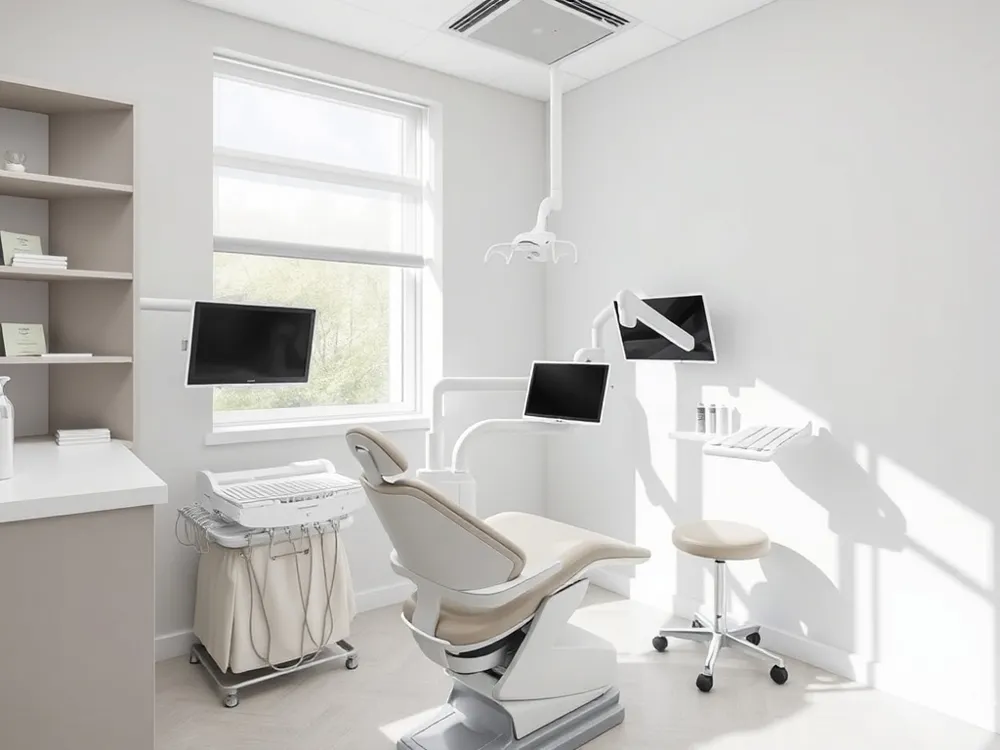
What are the different types of orthodontic treatments available?
Traditional metal braces remain a highly effective option for complex cases, using metal brackets and wires to apply constant, gentle pressure. For a less noticeable appearance, ceramic braces use clear or tooth-colored brackets that blend with your teeth.
Lingual braces offer near-invisibility by attaching to the back surfaces of your teeth. Clear aligners, like Invisalign, provide a removable, nearly invisible alternative for mild to moderate misalignment, using a series of custom-made plastic trays.
Palatal expanders and space maintainers are often used in children to correct jaw width or preserve space for permanent teeth. Retainers, either removable or fixed, are essential for maintaining results after active treatment is complete.
Types of Orthodontic Treatments
| Treatment Type | Description | Best For |
|---|---|---|
| Traditional Metal Braces | Metal brackets and wires with elastic bands | Complex misalignment, all ages |
| Clear/Ceramic Braces | Tooth-colored or clear brackets | Aesthetic-conscious patients |
| Lingual Braces | Brackets attached to the inside of teeth | Maximum discretion |
| Clear Aligners | Removable, transparent plastic trays | Mild to moderate misalignment |
| Palatal Expanders | Device to widen the upper jaw | Children with crossbites or crowding |
| Space Maintainers | Appliance to hold space for permanent teeth | Children after premature tooth loss |
| Retainers | Custom device to prevent teeth from shifting | Post-treatment stability |
The Concept of Orthodontic Treatment Plans
What is an orthodontic treatment plan?
An orthodontic treatment plan is a personalized roadmap, crafted by a specialist to correct issues like crooked teeth, overcrowding, or bite problems. It begins with a deep diagnosis, using clinical exams, X-rays, and digital scans to understand your unique dental structure. Based on this, the orthodontist outlines the specific steps, appliance options, and timeline needed to achieve your goals. This plan is not a generic template; it’s built around your specific needs and lifestyle.
Orthodontic Treatment Plans
Every plan details the chosen method, such as metal braces or clear aligners, and the expected treatment length, which can range from several months to over two years depending on complexity. A crucial element is the post-treatment phase, which always includes wearing retainers to prevent teeth from shifting back. The ultimate aim is to improve both the appearance and long-term oral health of the patient. The orthodontist’s role is central to designing and adjusting this plan, ensuring a safe and effective journey toward a healthier, more confident smile. This level of personalization is what sets professional care apart from one-size-fits-all approaches.
Clear Aligners and Their Benefits
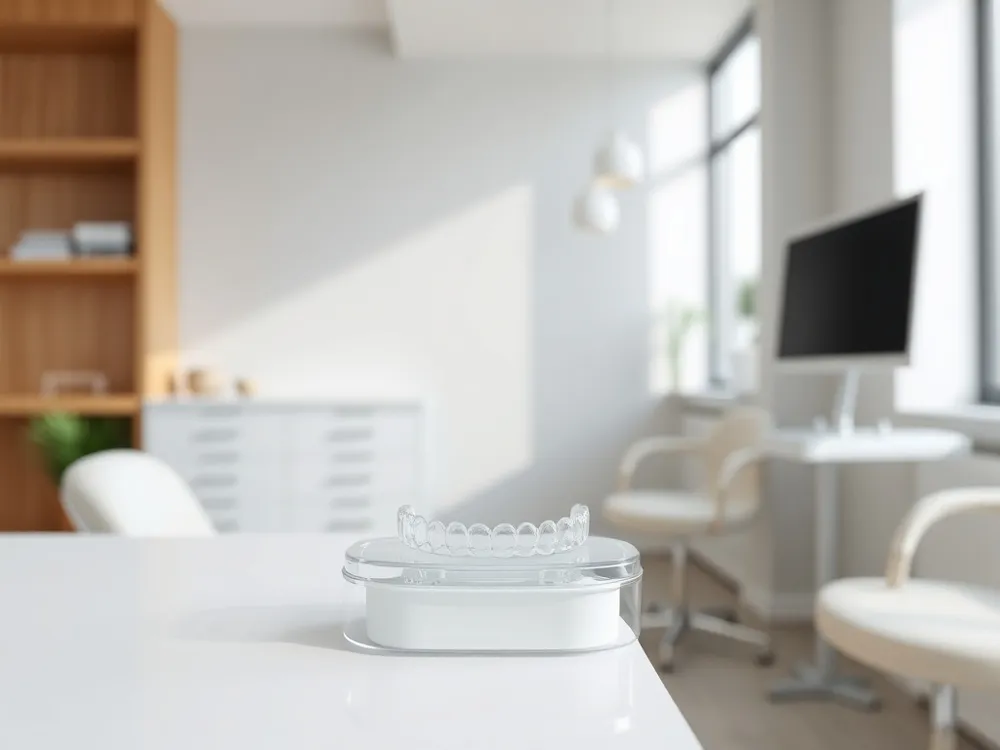
What are clear aligners and how do they work?
Clear aligners are a modern orthodontic option made from transparent, medical‑grade plastic. They consist of a series of custom‑designed trays that fit snugly over your teeth. Each tray is worn for one to two weeks, applying gentle, controlled pressure to shift teeth into their proper positions. Treatment begins with a digital scan of your mouth, which is used to create a 3D model of your current and desired alignment. Small, tooth‑colored attachments may be added to help the aligners grip specific teeth for more complex movements. For best results, aligners should be worn 20–22 hours per day and removed only for eating, brushing, and flossing.
What are the benefits of clear aligners vs traditional braces?
Clear aligners offer several advantages over metal braces. They are nearly invisible, making them a discreet choice for adults and teens. Because aligners are removable, you can eat your favorite foods without restrictions and maintain normal oral hygiene — simply remove them to brush and floss. This reduces the risk of plaque buildup and tooth decay that can occur with fixed braces. Aligners typically require fewer office visits for adjustments, offering greater convenience for busy schedules. They also eliminate the irritation that metal brackets and wires can cause to your gums and cheeks. For many patients, clear aligners provide a comfortable, flexible path to a healthier smile, while still effectively correcting issues such as crowding, gaps, overbites, and underbites.
Cost and Payment Plans for Orthodontic Treatment
How much do clear aligners cost?
The average cost of clear aligners in the U.S. typically ranges from $3,000 to $7,000, with many patients paying between $3,000 and $5,000. Your final cost depends on several factors, including the complexity of your case, your location, dental insurance coverage, and the provider's experience. After treatment, you may also need retainers, which can cost $100 to $500 each. At Trielle Orthodontics, we offer personalized treatment plans and flexible payment options to make clear aligners more affordable. To get an accurate estimate, schedule a consultation to discuss your specific needs and smile goals.
Are there any payment plans or financing options available for orthodontic treatment?
Yes, Trielle Orthodontics offers flexible payment plans and financing options to make orthodontic treatment affordable. Monthly payments typically range from $100 to $250, allowing you to spread the cost over time rather than paying a large upfront fee. The practice accepts insurance, flexible spending accounts (FSAs), and health savings accounts (HSAs) to further reduce your out-of-pocket expenses. During a complimentary consultation, the team will provide a transparent cost estimate and help you choose a plan that fits your budget. With these options, you can start your personalized treatment—whether braces or clear aligners—without financial stress.
Choosing the Right Orthodontic Treatment
Can adults get orthodontic treatment?
Yes, adults can absolutely get orthodontic treatment. About 20% of orthodontic patients in the United States are over 18, and treatment works at any age because healthy teeth can be moved the same way. Adults have many discreet options, such as clear aligners, ceramic braces, or lingual braces, making it easy to straighten teeth without drawing attention. Beyond cosmetic improvements, correcting misalignment enhances oral health by reducing the risk of tooth decay, gum disease, and jaw issues. Factors like existing cavities or gum disease should be addressed first, but a personalized treatment plan can help adults achieve a healthier, more confident smile.
How do I choose the right orthodontic treatment for my needs?
Start with a comprehensive consultation with an orthodontist to assess your unique dental needs and goals. Consider the severity of misalignment, your lifestyle, and aesthetic preferences. For example, traditional braces are effective for complex issues, while clear aligners offer discretion and convenience. Your orthodontist will explain the pros and cons of each option—metal braces, ceramic braces, or Invisalign—based on your specific case. Effective treatment requires commitment, such as wearing aligners 20–22 hours daily or attending regular adjustments for braces. Ultimately, a personalized treatment plan tailored by a qualified orthodontist ensures the best results for a healthy, beautiful smile.
What are the different types of dental braces available?
Several types of dental braces address different needs. Metal braces are the most common and affordable, using stainless steel brackets and wires. Ceramic braces are tooth-colored and less noticeable. Self-ligating braces use clips instead of elastic ties, reducing friction and often requiring fewer adjustments. Lingual braces attach behind the teeth, making them nearly invisible, though they require specialized expertise. Clear aligners (e.g., Invisalign) are removable, nearly invisible trays made of medical-grade plastic, popular among adults and teens. Each type has unique advantages, and your orthodontist will recommend the best option based on your dental anatomy, treatment goals, and lifestyle.
Experience the Transformative Power of Personalized Orthodontic Care
Personalized orthodontic care moves beyond a one-size-fits-all approach, addressing your unique dental anatomy, lifestyle, and goals. Using advanced diagnostics like 3D imaging and digital scans, your orthodontist creates a custom plan for efficient, comfortable treatment.
Trielle Orthodontics
At Trielle Orthodontics, we deliver this tailored experience. Our practice combines expert diagnosis with modern technology, including clear aligners and braces, to craft a treatment journey that fits your life, not just your teeth. We prioritize your comfort and long-term oral health, helping you achieve a confident, lasting smile.