Understanding Retainers After Orthodontic Treatment
Retainers are essential after braces or clear aligners because they stabilize the newly positioned teeth while the surrounding bone and ligaments remodel; without them, relapse is common. The three most common options are Hawley retainers (acrylic base with a visible metal wire), clear (Essix) retainers (transparent thermoplastic trays that fit snugly over the teeth), and fixed bonded retainers (a thin wire permanently attached to the lingual surfaces of the front teeth). Choosing the right retainer depends on aesthetics (clear retainers are virtually invisible, Hawley retainers show a wire), durability (Hawley retainers last years, clear retainers often need replacement every 6–12 months), adjustability (Hawley can be tweaked by the orthodontist), lifestyle (athletes may favor the robustness of a Hawley, while forgetful patients benefit from a discreet, comfortable clear retainer), and oral‑hygiene considerations (fixed retainers require meticulous flossing). Orthodontists, including Trielle Orthodontics in Union, NJ, tailor recommendations to each patient’s dental history, preferences, and long‑term compliance goals.
Fixed (Bonded) Retainers: Stability Without Daily Effort
 Fixed (bonded) retainers consist of a thin stainless‑steel wire that is permanently bonded to the lingual surface of the front teeth, usually the lower incisors. Using digital scans and precise bonding agents, the orthodontist secures the wire directly to the enamel, providing continuous 24‑hour retention without any removable appliance.
Advantages include true compliance‑free stability, virtually invisible appearance, and the ability to prevent relapse of teeth that are prone to shifting, such as lower front teeth after extensive orthodontic movement. Because the wire cannot be lost or forgotten, patients enjoy long‑term peace of mind while the retainer can last indefinitely with proper care.
Hygiene considerations are critical: the bonded wire can trap plaque, so daily flossing with a threader or water flosser and thorough brushing around the wire are essential to avoid gum disease and decay. Common concerns involve occasional tongue irritation, the need for periodic professional checks to ensure the bond remains intact, and the difficulty of cleaning compared with removable options.
Fixed retainer – Trielle Orthodontics provides fixed (permanent) retainers for patients who need long‑term stability after completing orthodontic treatment. The thin, stainless‑steel wire is delicately bonded to the back of the teeth, keeping them in place without the need for removable appliances. Our orthodontists use digital imaging and precise bonding techniques to ensure a comfortable fit and optimal aesthetic results. We schedule regular check‑ups to verify that the retainer remains secure and to address any hygiene concerns. Flexible payment options and comprehensive patient education make maintaining your new smile both affordable and effortless.
Why do dentists not recommend permanent retainers? – Dentists often avoid permanent retainers because the bonded wire makes thorough oral hygiene difficult, increasing the risk of plaque buildup and gum disease. The wire can loosen or break unexpectedly, requiring additional visits for repair or replacement. Fixed retainers also hide the tooth surfaces, limiting the dentist’s ability to inspect for early signs of decay or wear. They may cause discomfort or irritation to the tongue and soft tissues, especially if the wire becomes rough or shifts. At Trielle Orthodontics we favor removable clear retainers, which are easy to clean, comfortable, and allow regular monitoring of your teeth’s health.
Are Hawley retainers more expensive than clear Essix‑type retainers? – Hawley retainers are generally comparable in price to clear retainers, and in many cases they are a little less expensive because they require less material and simpler fabrication. Typical costs for a custom Hawley range from roughly $150 to $250 or $375 to $475, depending on the practice, while clear Essix‑type retainers usually run about $200 to $300 or $350 to $650. The price gap is modest, so the choice often comes down to personal preference, aesthetics, and the need for adjustability rather than a large cost difference. Both options are covered by many dental insurance plans, and Trielle Orthodontics offers flexible payment plans to fit each patient’s budget. Ultimately, a Hawley may be slightly cheaper up‑front, but the overall expense for either type is similar when you factor in replacements and maintenance.
Clear (Essix) Retainers: Aesthetic Comfort and Practicality
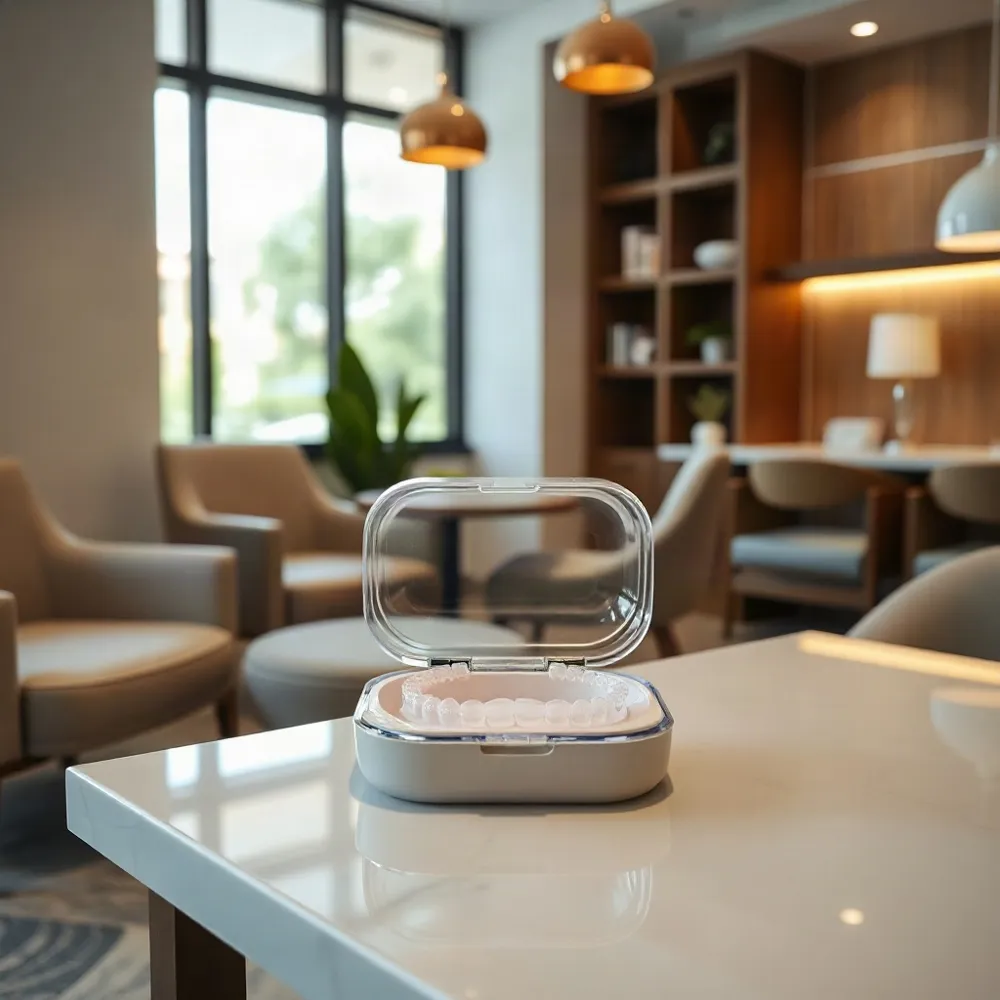
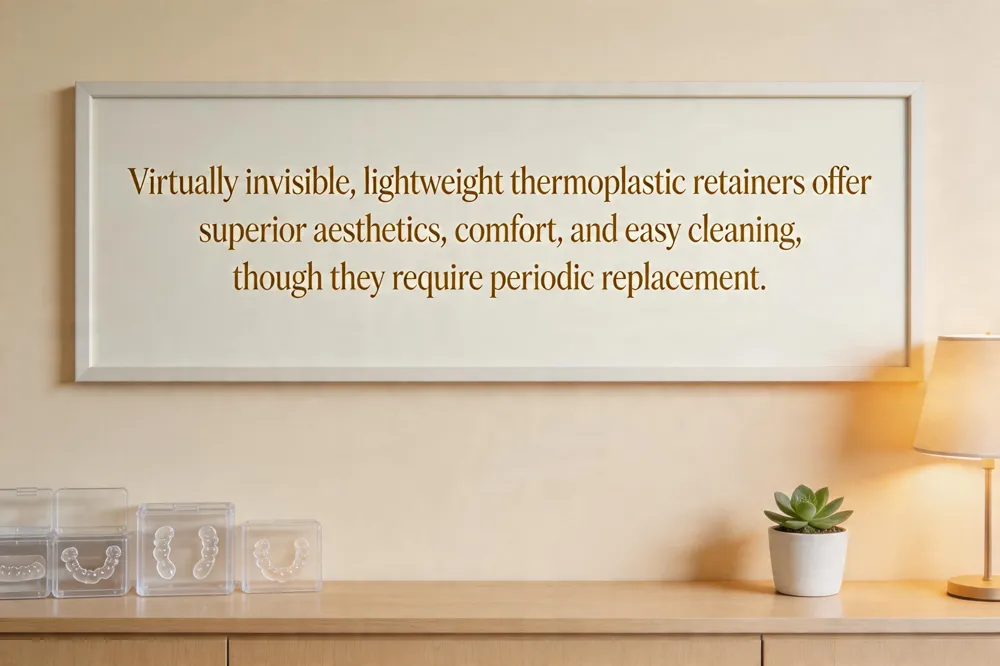 Clear retainers are fabricated from a medical‑grade, high‑molecular‑weight thermoplastic polymer—typically BPA‑free polyurethane or PETG—that is lightweight, durable, and translucent. Orthodontists at Trielle Orthodontics recommend wearing the retainer full‑time (20‑22 hours per day) for the first 3‑6 months after treatment, removing it only for eating, brushing, and flossing; thereafter, nightly wear is advised. Daily cleaning involves a soft toothbrush and mild soap or a specialized effervescent cleanser, followed by storage in a protective case away from heat. Compared with Hawley retainers, Essix retainers are virtually invisible, more comfortable, and easier to clean, but they are less durable and may crack or discolor, requiring replacement every 6‑12 months. Hawley retainers, with their acrylic base and metal wire, are sturdier, adjustable for minor tooth movements, and can last years, though the wire is visible and may affect speech. Overall, clear retainers offer superior aesthetics and comfort, while Hawleys provide greater durability and adjustability for patients who need ongoing fine‑tuning.
Hawley Retainers: Durability, Adjustability, and Classic Benefits
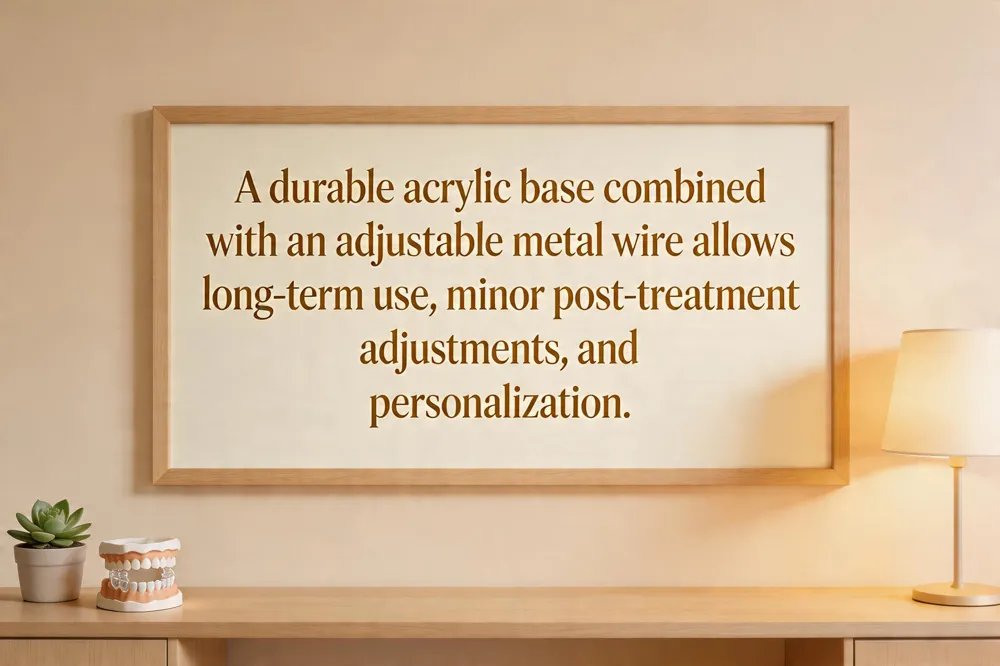 Hawley retainers are made of a hard acrylic base that rests against the palate (or tongue side) plus a thin stainless‑steel wire that holds the front teeth. The acrylic gives the device a long service life—often 2–10 years with proper care—while the wire can be bent or reshaped by the orthodontist for minor post‑treatment tooth movements.
Cleaning routine – Rinse immediately after removal with lukewarm water, then brush gently with a soft toothbrush and mild dish‑soap or a dedicated retainer cleaner (avoid abrasive toothpaste). Once a week soak for 10‑20 minutes in a denture‑cleaning tablet solution, a 1:1 vinegar‑water mix, or a hydrogen‑peroxide blend to disinfect. Store in a clean, vented case and never use hot water to prevent warping.
Pros & cons – Pros: removable, durable, adjustable, easy to clean, cost‑effective, can be personalized with colors. Cons: visible metal wire, bulkier feel, may affect speech initially, can be lost, requires patient compliance.
Why some patients still receive Hawleys – Orthodontists may select a Hawley when minor adjustments are expected after braces or when a robust, long‑lasting appliance is preferred over the thinner clear options.
Wrap‑around vs. classic Hawley – A wrap‑around retainer eliminates molar clasps, encircles the back teeth, and often feels more comfortable, whereas a traditional Hawley uses molar clasps and a visible labial wire for maximum adjustability. Both are removable and allow thorough cleaning, but the wrap‑around design offers a smoother, less conspicuous profile while retaining the proven stability of a Hawley‑type appliance.
Cost, Insurance, and Practical Considerations
 Trielle Orthodontics offers three main retainer options with clear price ranges. A custom Hawley retainer typically costs $150‑$250, while a clear Essix (plastic) retainer runs $100‑$300 per arch. Fixed bonded retainers are $225‑$550 per arch and can last indefinitely with proper care. Invisalign® therapy for the Union, NJ area averages $4,500‑$6,500; a full series around $6,000 is well within the national $3,000‑$8,000 range. Most dental insurance plans cover a portion of orthodontic treatment and may reimburse part of the retainer cost; Trielle provides flexible financing and payment plans to ease out‑of‑pocket expenses. For patients with TMJ discomfort related to bite misalignment, clear retainers such as Invisalign are often the first‑line option because they can incrementally adjust occlusion and alleviate joint strain, though severe TMJ cases may need additional therapies. Choosing the best retainer after braces depends on lifestyle and aesthetic goals: clear retainers for invisibility, Hawley for adjustability, or a bonded fixed retainer for a set‑and‑forget solution. Consistent wear—full‑time for the first months, then nightly—is essential regardless of type.
Everyday Use, Compliance, and Managing Common Concerns
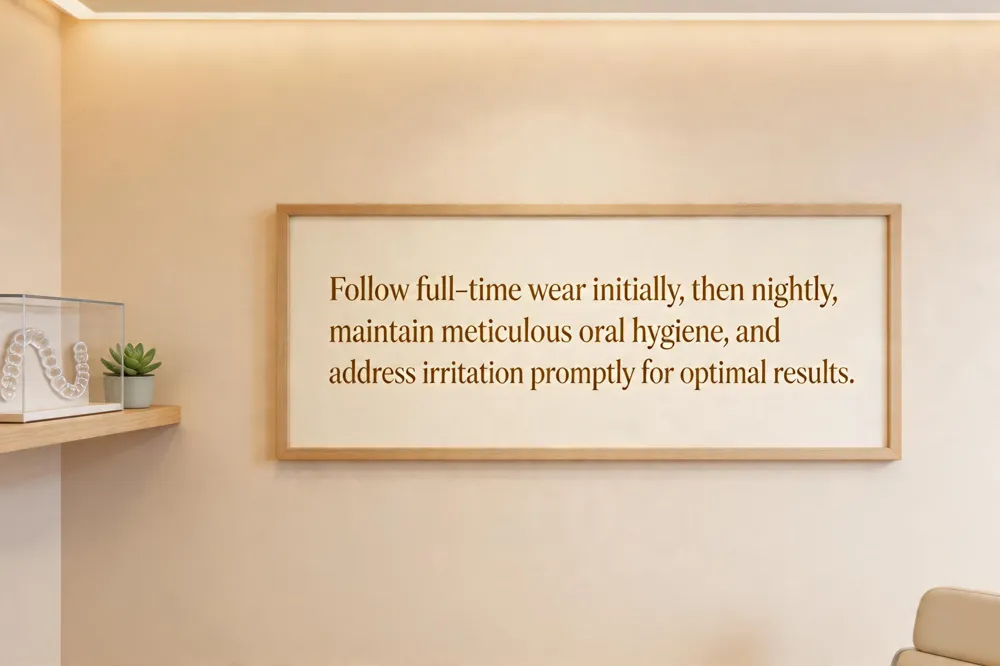 Trielle Orthodontics advises that a clear retainer be worn full‑time—about 20‑22 hours daily—during the first 3‑6 months after treatment, removing it only for eating, brushing, and flossing. After this initial phase, nighttime wear only is usually sufficient. During the early months you should not go longer than two hours without the retainer; a brief lapse can allow the teeth to shift, especially within the critical six‑month window. If you have gingivitis, you may continue to wear the retainer, but meticulous oral hygiene is essential: brush and floss twice a day, use an alcohol‑free antimicrobial mouthwash, and rinse the retainer with a soft brush after each removal. Should the appliance feel tight or cause gum irritation, take a short break and soak it in a mild cleaning solution before reinserting it, and schedule a check‑up. Clear retainers are fabricated from medical‑grade, BPA‑free thermoplastic polymers such as polyurethane or PETG, which are lightweight, durable, translucent, and biocompatible. These materials provide a discreet, comfortable fit while resisting staining and warping when cared for properly.
Choosing the Right Retainer for a Lifetime of Smiles
Hawley retainers, clear (Essix) retainers, and bonded fixed retainers each have distinct strengths: Hawleys are durable, adjustable, and easy to clean but show a visible wire; clear retainers are virtually invisible and comfortable yet require more frequent replacement; fixed retainers offer compliance‑free, lifelong retention but demand meticulous oral hygiene. At Trielle Orthodontics in Union, NJ, Dr. [Name] evaluates your dental history, aesthetic preferences, lifestyle, and any bite concerns to recommend the ret the that best fits your long‑term goals. Whether you prioritize durability, discretion, or convenience, the practice tailors the appliance and provides digital scans for a precise fit. Regular follow‑up appointments are essential—orthodontists check fit, make adjustments, and ensure oral health, helping you maintain your smile for life.