Why Retention Matters
After braces, ligaments and bone remodel, allowing teeth to shift. Without retainers, relapse risks increase, causing misalignment. Retainers maintain positions, ensuring long‑term stability. They are prescribed, worn daily, and checked.
Understanding Retainer Types and Their Role After Braces
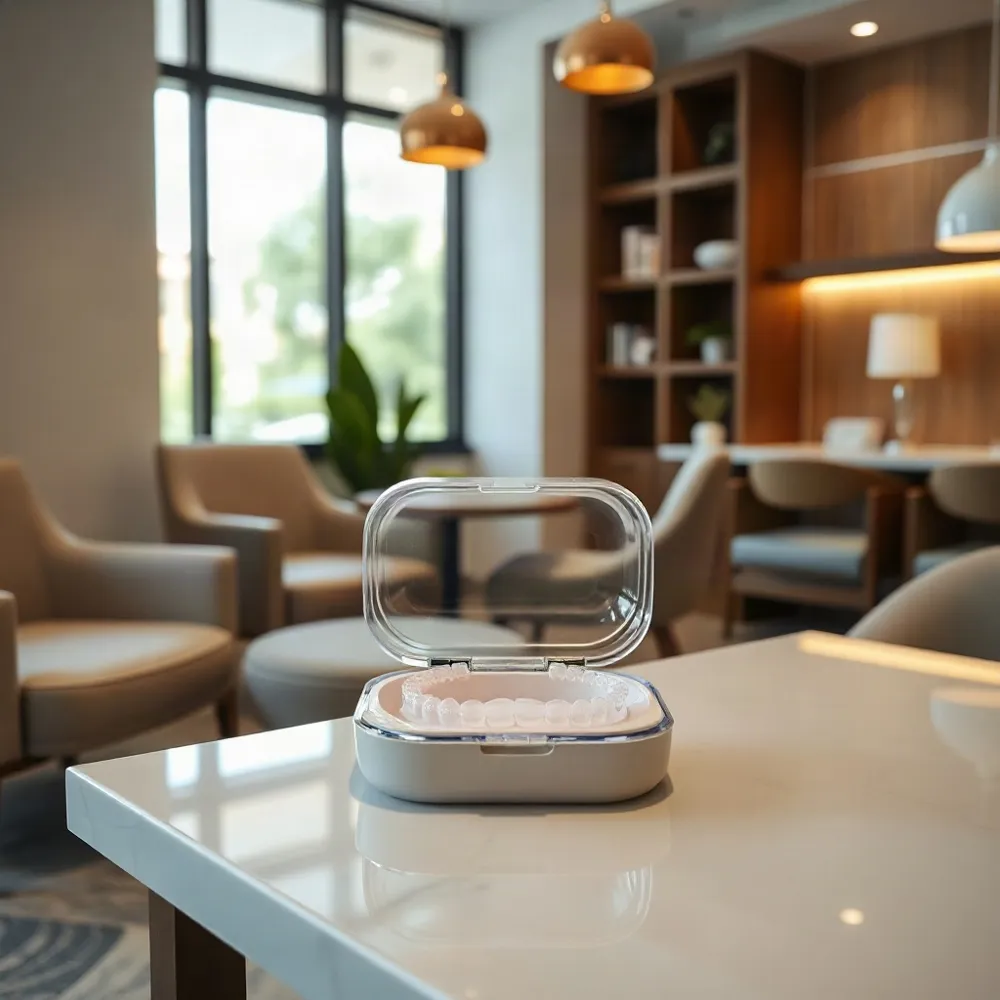
 Plastic retainers after braces – also called clear or Essix retainers, are thin, transparent trays that fit snugly over the teeth. They are virtually invisible, comfortable, and easy to remove for eating and brushing. Daily care means brushing with a soft toothbrush and mild soap, avoiding hot water or harsh chemicals, and storing the appliance in a protective case.
Types of retainers after braces – orthodontists prescribe either removable or fixed devices. Removable options include the traditional Hawley retainer (acrylic base with a metal wire) and clear‑plastic (Essix) retainers (vacuum‑formed). Fixed retainers consist of a thin wire bonded to the lingual side of the teeth, providing continuous, invisible retention.
Best retainers after braces for front teeth – a clear‑plastic (Essix) retainer offers excellent aesthetics and a snug fit, while a bonded (permanent) retainer on the lower front teeth gives “set‑and‑forget” stability. The choice depends on lifestyle, aesthetic preference, and the orthodontist’s assessment.
Which retainer is best for upper teeth – a fixed lingual retainer gives constant, invisible retention, but many patients prefer a removable clear‑plastic retainer for discretion and ease of cleaning. Hawley retainers are also effective but are more visible.
Fixed retainer after braces – this thin wire is bonded to the back of the front teeth, usually the lower incisors, and remains in place indefinitely. It eliminates the need for daily insertion but requires diligent flossing and regular check‑ups.
Hawley retainer – made of an acrylic base and a metal wire, it is durable, adjustable, and easy to clean. Though the wire is visible, it allows minor adjustments as the bite settles and is a cost‑effective long‑term solution.
Daily Cleaning Routine for Removable Retainers
 Keeping a removable retainer clean every day is essential for oral health and the longevity of the appliance. Follow these steps each time you remove the retainer:
1. Rinse with lukewarm water – Immediately after taking the retainer out, give it a thorough rinse in lukewarm (not hot) water. This washes away saliva, food particles, and loose plaque without risking heat‑induced warping.
2. Brush with a soft‑bristled toothbrush and mild soap – Use a dedicated, soft‑bristled toothbrush (never the one you use on your teeth) and a gentle dish‑soap or a non‑abrasive hand‑soap. Gently scrub all surfaces, paying special attention to acrylic areas and any metal wires. Avoid regular toothpaste; its abrasives can scratch the plastic or acrylic and create tiny pits where bacteria hide.
3. Focus on the specific retainer type
- Hawley retainers: Brush the acrylic base and thin the wire, then rinse. Once a week, soak for 15‑20 minutes in a retainer‑cleaning tablet solution, a 1:1 white‑vinegar‑to‑water mix, or a hydrogen peroxide‑water blend to eliminate plaque and disinfect.
- Clear (Essix) retainers: Brush lightly without abrasive agents. For stubborn plaque, apply a baking‑soda‑water paste, scrub gently, and rinse. Weekly soaking in the same vinegar or peroxide solutions helps remove stains and bacteria.
4. Store in a protective case – After cleaning and a final rinse, place the retainer in its dedicated case. Keep the case in a cool, dry place away from pets, direct sunlight, and heat sources (hot water, dishwashers, car dashboards) to prevent warping or bacterial growth.
5. Maintain oral hygiene around fixed retainers – If you have a bonded (permanent) retainer, daily flossing with a threader and brushing around the wire are essential to keep the area plaque‑free.
By repeating this routine each night, you will prevent odor, discoloration, and bacterial buildup, while preserving the fit and function of your retainer. If you notice persistent smells, cracks, warping, or a loose fit, contact your orthodontist promptly for evaluation and possible replacement.
Deep Cleaning and Disinfection Techniques
 Deep cleaning a removable retainer removes plaque, odors and stains. A baking‑soda paste (½ tsp baking soda + water) is brushed gently with a soft toothbrush to lift surface grime without scratching. Soak the appliance for 15‑30 minutes in a 1:1 white‑vinegar and cool water solution, then rinse. Hydrogen peroxide (3 % mixed 1:1 with lukewarm water) gives a non‑abrasive antibacterial soak for 10‑15 minutes, killing germs and clearing cloudiness. Retainer cleaning tablets dissolve in warm water and sanitize the retainer in 15‑20 minutes; they are convenient for Hawley and clear trays. Ultrasonic cleaners give a fast clean when used with a safe tablet. Soaking should never exceed 20 minutes and hot water must be avoided to prevent warping.
How to deep clean plastic retainers – brush with baking‑soda paste, rinse, soak in vinegar 15‑30 minutes, then peroxide 10‑15 minutes.
Hydrogen peroxide to clean retainer – mix equal parts 3 % peroxide and lukewarm water, soak 10‑15 minutes, rinse, brush lightly.
Retainer cleaning tablets – dissolve one tablet in warm water, submerge 15‑20 minutes, rinse, dry.
Is it OK to soak retainers overnight? – only in a solution like a tablet or diluted peroxide; limit to 15‑20 minutes and rinse before wear.
How to deep clean retainers at home – rinse, soak (tablet or peroxide), brush, use ultrasonic cleaner, store in case.
Retention Schedules, Compliance, and the Consequences of Skipping Wear
 After braces are removed (Stage 4 – debonding), orthodontists prescribe a specific retainer schedule. Most patients wear the appliance Full‑time (22–24 hours/day) for the first 3–6 months, then transition to nighttime‑only wear for the long term, often indefinitely. Hawley, Essix (clear), and bonded wire retainers all follow this protocol, but clear plastic retainers are especially vulnerable to heat‑induced warping, so they must be stored in a protective case and kept away from hot water or sunlight.
Full‑time wear stabilizes the teeth while the periodontal ligament and bone remodel, preventing the natural “snap‑back” tendency. If the retainer is missed, teeth can shift within weeks, creating crowding, gaps, bite changes, and even TMJ discomfort. relapse may become severe enough to require another round of orthodontic treatment, increasing cost and time.
Patients with TMJ symptoms often benefit from clear‑aligner systems (e.g., Invisalign, ClearCorrect) that can gently correct bite misalignment and reduce joint strain; these aligners can incorporate night‑guard features when needed. However, traditional braces remain the preferred option for complex movements, because they provide stronger, more precise forces.
If a smile looks off after braces, ensure the retainer is worn as directed; minor shifts can be refined with a short‑term clear‑aligner or a brief adjustment. For chips, uneven edges, or discoloration, dental contouring, bonding, or professional whitening can restore a flawless appearance.
Advanced Products, Tools, and Professional Support
 Retainer Brite tablets are a tablet‑based cleaning system formulated for removable appliances. Each tablet creates a gentle, pH‑balanced solution that eliminates up to 99 % of odor‑causing bacteria while breaking down plaque and tartar. A 96‑tablet box supplies a three‑month regimen when used daily for about 15 minutes, preserving the clarity and durability of clear and Essix retainers without the abrasives found in regular toothpaste.
Ultrasonic cleaning devices provide a quick, thorough deep clean in a few minutes. By generating high‑frequency vibrations, they dislodge biofilm from hard‑to‑reach crevices, complementing daily brushing and weekly soaking in a Retainer Brite or vinegar solution.
Regular orthodontic check‑ups (typically every 6–12 months) allow the orthodontist to assess fit, identify cracks or warping, and adjust the retainer as the supporting bone remodels. Early detection of problems prevents relapse and costly retreatment.
Proper case storage and heat avoidance are essential: retainers should be kept in a ventilated, hard case when not in use, away from pets, direct sunlight, hot water, dishwashers, or car dashboards. Exposure to heat can warp plastic retainers, compromising fit and comfort. Together, these tools and professional guidelines ensure long‑term stability of the post‑orthodontic smile.
Your Smile, Secured for Life
Clean your retainer daily with a soft brush and mild soap, store it in a case, wear it as prescribed, see the orthodontist, and pick a style that fits life.