Understanding Orthodontic Pain: A Normal Part of Progress
What Causes Orthodontic Pain and Why Is It a Good Sign?
Orthodontic pain is a temporary side effect of treatment that signals active tooth movement. When braces or aligners apply gentle, consistent pressure to the teeth and jawbone, they initiate a natural biological process of bone remodeling. The pressure compresses the periodontal ligament, reducing blood flow and triggering an inflammatory response. This inflammation, along with localized swelling and edema, is what causes the familiar soreness. While uncomfortable, this process is necessary for teeth to shift into their ideal positions.
The discomfort should be viewed as a positive indicator that treatment is working. Over 80% of orthodontic patients experience some level of pain, particularly in the first 24 to 48 hours after appliance placement or adjustment. The soreness is typically described as a dull ache rather than sharp pain and is most noticeable when chewing or biting. It usually resolves completely within 3 to 5 days as the mouth adapts to the new forces.
The Typical Timeline of Orthodontic Discomfort
Pain follows a predictable pattern after each activation of treatment, whether from brace tightening, placement of separators, or starting a new set of clear aligners.
| Phase | Timing | What to Expect |
|---|---|---|
| Onset | Within 4 hours | Mild sensitivity begins as pressure on teeth activates. |
| Peak | 24–48 hours | Discomfort is most intense; inflammation and soreness are highest. This is the most challenging period. |
| Gradual decline | Days 3–5 | Pain and soreness steadily decrease as the periodontal ligament adapts. |
| Return to baseline | By day 7 | Most patients feel minimal to no residual discomfort. |
It is important to note that this pattern repeats with each subsequent adjustment or aligner change, though many patients report that later adjustments are less painful than the initial placement. Aligner patients may experience a more cyclical pattern of mild soreness with each new tray, typically lasting 1 to 3 days.
Braces vs. Aligners: Differences in Pain Experience
Clear aligner systems generally produce less acute pain than traditional fixed braces. Clinical studies report that aligner patients experience only a 50–100% increase in discomfort above baseline, compared to a 300–500% increase for those with braces. Aligners apply intermittent, lighter forces and can be removed, allowing the tissues brief recovery periods. Fixed braces, by contrast, deliver continuous pressure that sustains inflammatory mediators. Consequently, aligner patients are less likely to need pain medication, especially during the first week of treatment.
Trielle Orthodontics: Prioritizing Comfort with Modern Technology
At Trielle Orthodontics in Union, NJ, patient comfort is a core focus. The practice utilizes modern, low-friction bracket systems and heat-activated aligner materials designed to deliver more gentle, consistent forces that reduce the intensity of discomfort compared to older technologies. Digital impression systems and 3D treatment planning allow for precise force application, which can shorten treatment duration and decrease the number of adjustments, thereby reducing the frequency of pain episodes.
Flexible Access to Care
Recognizing that financial stress can compound treatment anxiety, Trielle Orthodontics offers flexible payment options, including financing plans and CareCredit, to help patients access advanced orthodontic technologies and pain-relief resources without financial strain. Regular follow-up appointments allow the orthodontist to monitor progress and make necessary adjustments to ensure optimal comfort.
In summary, understanding that orthodontic pain is a normal, temporary, and manageable part of the journey can help patients approach treatment with confidence. The discomfort is a sign that their smile is progressing, and with modern techniques and proper support, it can be effectively minimized.
Covered Topics at a Glance
| Topic | Key Points |
|---|---|
| Cause of pain | Pressure on periodontal ligament triggers inflammation and bone remodeling. |
| Timeline | Onset 4 hours, peak 24–48 hours, subsides within 3–5 days. |
| Braces vs. aligners | Aligners cause lower peak pain (50–100% increase vs. 300–500%) and less need for pain medication. |
| Trielle’s approach | Low-friction brackets, heat-activated aligners, digital planning for precise forces. |
| Financial support | Flexible payment options and CareCredit to reduce stress. |
What to Expect After an Adjustment
 It is completely normal to feel some discomfort after a braces tightening or when you start a new set of clear aligners. This is a positive sign that your treatment is working. Over 80% of orthodontic patients experience some level of pain, which is typically described as a dull ache or pressure, not a sharp pain. The discomfort is caused by the gentle, constant pressure needed to move your teeth and is a standard part of the process at Trielle Orthodontics.
What Does the Pain Feel Like?
The ache usually peaks within the first 24 to 48 hours after an adjustment. On a typical braces pain scale of 1 to 10, most patients rate their discomfort between 2 and 5. This soreness is generally milder than the initial placement of braces. Patients with clear aligners often report less pain, with initial soreness rated at 4–6 that quickly drops to 1–2 by day five. The key is that this feeling is temporary and manageable.
How Long Does It Last?
The worst of the soreness typically lasts for one to three days. You can expect the dull ache to gradually fade within a few days, with most discomfort resolving completely within a week. If you experience sharp or severe pain that persists beyond a few days, it is important to contact your orthodontist.
How to Manage This Normal Discomfort
Managing the soreness is straightforward. Taking an over-the-counter pain reliever like ibuprofen or acetaminophen about an hour before your appointment can proactively reduce inflammation. After the adjustment, stick to a soft food diet for a day or two, use a cold compress on your cheek for 10–15 minutes at a time, and rinse with warm salt water several times daily to soothe your gums. These simple steps will help you stay comfortable while your braces do their work.
Safe and Effective Pain Relief Options
Acetaminophen: The Preferred Choice for Braces Pain
Acetaminophen (Tylenol) is widely recommended as the safest over‑the‑counter pain reliever for orthodontic discomfort. Unlike ibuprofen and other NSAIDs, acetaminophen does not interfere with the inflammatory response needed for effective tooth movement. Taking 500–1000 mg one hour before your adjustment appointment helps proactively reduce soreness. Follow label dosing (max 4000 mg per day) and avoid aspirin, which can increase bleeding risk.
Ibuprofen and Topical Options for Short‑Term Relief
Ibuprofen (Advil, Motrin) can be used for short‑term inflammation, but prolonged use may slow tooth movement by inhibiting prostaglandin production. Limit use to 200–400 mg every 6–8 hours for the first two days after an adjustment. For localized areas, topical anesthetics containing benzocaine (Orajel, Anbesol) provide targeted numbing for 15–45 minutes. Use sparingly on dried spots. Always consult your orthodontist before combining medications.
At-Home Remedies for Immediate Relief
 For immediate pain relief, start by sipping cold water or applying an ice pack wrapped in a thin cloth to the outside of your cheek for 10–15 minutes. The cold constricts blood vessels, which numbs soreness and reduces swelling around the teeth and gums. This is particularly helpful during the first 24–48 hours after an adjustment or when starting a new set of aligners.
Warm Salt Water Rinses
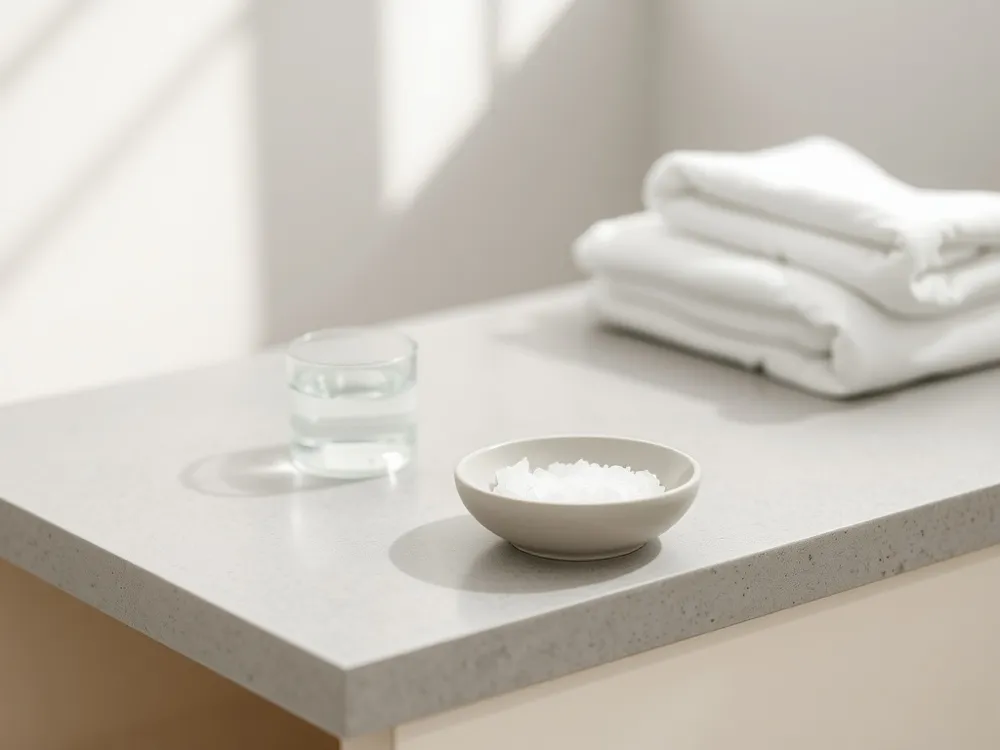
A warm salt water rinse (½ to 1 teaspoon of salt dissolved in 8 ounces of warm water) is a simple way to calm irritated oral tissues. Swish gently for about 30 seconds, focusing on areas where brackets or wires rub. This rinse promotes healing of minor cuts, reduces gum inflammation, and can be repeated up to four times daily. It is a safe, non-medicated option that works well alongside other treatments.
Protecting Soft Tissues with Wax
Orthodontic wax is an essential tool for immediate comfort. Roll a small, pea-sized piece into a ball, dry the irritating bracket or wire end, and press the wax firmly over it. This creates a smooth barrier that prevents the metal from cutting or chafing the cheeks, lips, and tongue. The wax can stay in place for hours and should be replaced after eating or brushing. Keeping wax on hand allows you to address sharp spots as soon as they appear.
Fast Relief with Numbing Gels
Over-the-counter topical anesthetics containing benzocaine (such as Orajel or Anbesol) provide localized numbness that lasts 15–45 minutes. Apply a small amount directly to a specific sore tooth, gum, or ulcer using a clean finger or cotton swab. Use sparingly and follow the label directions. These gels are useful before meals or at bedtime for short-duration relief.
Adjusting Your Diet for Comfort
Switching to a soft-food diet takes pressure off tender teeth. Focus on foods that require minimal chewing, such as yogurt, smoothies, applesauce, scrambled eggs, mashed potatoes, oatmeal, and soup. Avoid hard, crunchy, sticky, or chewy foods like chips, nuts, raw vegetables, and caramels, which can worsen pain and potentially damage braces. Cool or lukewarm foods are often more comfortable than very hot or cold items as your mouth adjusts. Combining these measures helps you manage discomfort effectively while your orthodontic treatment progresses.
Soothing Your Mouth Naturally
Are there any home remedies for braces pain relief?
Yes. A warm salt water rinse using one teaspoon of salt in eight ounces of water, swished for 30 seconds up to four times daily, reduces gum swelling and promotes healing. Applying a cold compress for 10–15 minutes numbs pain and eases inflammation. Gently massaging the gums with a clean finger or soft toothbrush can relieve tension, and eating cool treats like frozen yogurt (but avoid ice) soothes soreness. Elevating your head with an extra pillow while sleeping lessens overnight inflammation. Herbal teas such as chamomile may also help relax the jaw muscles and provide gentle comfort during treatment.
When to Call Your Orthodontist
When to Call Your Orthodontist
Contact Trielle Orthodontics if you experience sharp, severe pain that persists beyond a few days, or if a bracket or wire breaks or becomes loose. Also seek help if mouth sores become infected, extremely painful, or if you suspect an allergic reaction to any appliance or wax.
A broken or poking wire can be temporarily covered with orthodontic wax to prevent irritation. However, professional repair is often needed to avoid treatment delays. Do not attempt to cut wires yourself without guidance.
Regular follow-up appointments allow your orthodontist to monitor comfort and adjust treatment forces as needed. This ensures steady progress without excessive pain. Your comfort and successful treatment depend on open communication—always reach out when something feels wrong.
A Team Approach to Your Comfort
A Team Approach to Your Comfort
Orthodontic discomfort is temporary and usually fades within days. Keeping your eyes on the long-term benefits—improved chewing, speech, oral hygiene, and confidence—helps you stay motivated.
At Trielle Orthodontics, we support you with personalized pain management plans, modern technology, and flexible payment options. We encourage open communication so you can share any concerns. By working together, we can adjust your treatment for maximum comfort throughout your journey.