Why Early Intervention Matters for Your Child
The American Association of Orthodontists recommends an initial orthodontic screening by the age of 7. At this stage, permanent teeth are typically developed enough to identify subtle bite discrepancies or jaw alignment concerns. While not every child requires immediate correction, this proactive evaluation allows our team at Trielle Orthodontics to monitor growth patterns and implement interceptive care only when necessary.
Addressing issues like crossbites, crowding, or narrow dental arches during these formative years takes advantage of a child's natural growth trajectory. By utilizing specialized appliances to guide skeletal development, we can often minimize the need for complex adult treatments, such as extensive extractions or surgical interventions. Research suggests that well-timed interceptive orthodontics can simplify future requirements, potentially reducing the duration of treatment needed during the teenage years.
Beyond physical alignment, our practice emphasizes comprehensive patient education, ensuring parents and children understand how habits like mouth breathing or persistent tongue posture impact long-term dental health. By fostering a clear understanding of the developmental process, we empower families to make informed choices. This collaborative approach at trielleorthodontics.com ensures that each child receives an individualized treatment plan tailored to their unique functional needs, prioritizing both a balanced facial structure and a healthy, stable bite for years to come.
Understanding Interceptive Orthodontics and Growth Modification
At Trielle Orthodontics, we view interceptive orthodontics, often called Phase I treatment, as a strategic opportunity to set the trajectory for a healthy smile. This proactive approach identifies and addresses developing dental concerns while a child still has their baby teeth and their jawbones are highly malleable. Unlike conventional braces that primarily focus on shifting teeth into new positions, interceptive care at trielleorthodontics.com uses specialized appliances to influence skeletal growth directly.
What is interceptive orthodontics and what problems does it fix? Interceptive orthodontics is a proactive approach to dental care designed to identify and address developing alignment or bite issues during childhood and adolescence. By intervening while a child is still growing, this specialized treatment guides the development of the teeth and jaws to ensure proper alignment. It aims to solve common problems such as overcrowding, misalignment, and harmful oral habits like thumb sucking or tongue thrusting. Furthermore, it helps manage skeletal discrepancies to improve both facial aesthetics and long-term oral function. Ultimately, this early intervention simplifies future dental needs and can often reduce the necessity for more invasive orthodontic procedures later in life.
Beyond simple alignment, functional appliances target underlying issues involving the airway and resting posture. Mouth breathing and incorrect tongue resting positions often impede proper jaw development, leading to long-term structural changes. By coordinating care with myofunctional therapy, we help children establish habits that support better nasal breathing and oral posture. While some practices rely on rigid adherence to delayed treatment, our approach at Trielle Orthodontics evaluates each child individually to determine if early hardware, such as a palatal expander, will prevent future skeletal complications. This individualized attention ensures that we treat the root of the problem rather than just the visible symptoms.
The Recommended Timeline for Your Initial Consultation
 The American Association of Orthodontists suggests an initial orthodontic evaluation by the age of 7. At this stage, children typically possess enough permanent teeth to allow an orthodontist to identify subtle developmental trends. While many patients simply require periodic monitoring, screening at this age ensures that any skeletal or dental discrepancies are caught while the jaw is still pliable.
At what age is it recommended to begin interceptive orthodontic treatment?
The American Association of Orthodontists recommends that children have an initial orthodontic evaluation by age seven, as this is when the emergence of permanent teeth allows orthodontists to detect potential developmental issues. While many children may simply be monitored at this stage, some specific conditions, such as severe crossbites, crowding, or skeletal discrepancies, may require immediate intervention to guide proper jaw growth. Interceptive treatment is most effective during the deciduous or early mixed dentition stages when a child’s facial structure is still actively developing. By addressing these concerns early, we can often simplify later treatment plans or reduce the need for more invasive procedures like extractions or surgery. Ultimately, the exact timing for treatment varies based on each child's unique dental development, severity of the problem, and individual readiness.
Parents should observe for functional signs that indicate a need for early consultation. These indicators include mouth breathing, snoring, or difficulty with chewing and speech. Visible crowding or shifting in the bite during the mixed dentition phase may also signal that the jaw requires guidance. At Trielle Orthodontics, we use diagnostic tools like digital X-rays to assess these developmental patterns early, ensuring that your child receives a personalized plan that addresses concerns before they impact permanent dental health.
Common Appliances and Their Functional Design
At Trielle Orthodontics, we use specialized appliances to guide jaw development while a child’s facial bones remain malleable. Unlike methods used by general dental practices, our treatment plans are customized through 3D imaging, ensuring that any chosen appliance precisely addresses the skeletal or dental discrepancy at hand.
Palatal expanders represent a primary tool in our repertoire. These devices work by gradually widening the upper jaw, which increases the available arch space for erupting permanent teeth. This mechanical expansion can also improve the nasal airway, supporting healthy nasal breathing and proper tongue posture. By creating this space early, we often reduce the future need for tooth extractions or more invasive surgical procedures in adolescence.
When addressing jaw alignment, functional appliances such as the Twin Block or the Herbst device are frequently employed. These appliances guide the mandible into a more favorable position, helping to correct Class II malocclusions (overbites). Research indicates that the Twin-block appliance is effective in stimulating mandibular growth, whereas other devices may rely more on dentoalveolar modifications. Choosing the right appliance depends on whether the clinical goal is skeletal stimulation or focused dental movement.
Beyond widening arches or shifting jaw position, we utilize specific habit-breaking designs to discourage thumb sucking or tongue thrusting. These devices act as physical reminders, helping to extinguish behaviors that might otherwise warp the dental arch. To ensure that these structural improvements remain stable, we often integrate myofunctional therapy. This therapy retrains the oral muscles, ensuring that the teeth and jaws stay in their corrected positions by establishing balanced resting posture for the tongue and lips.
Transforming Facial Aesthetics and Profile Balance
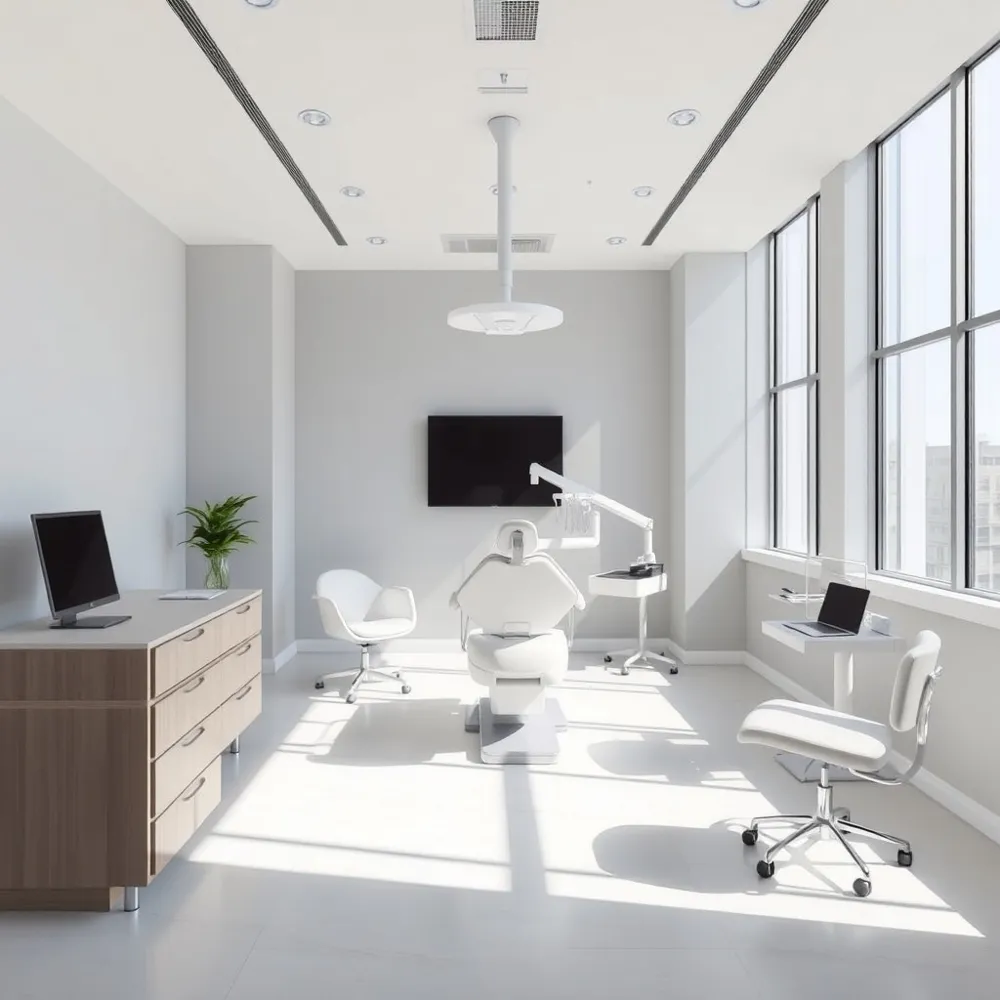 Orthodontic treatment significantly impacts facial aesthetics by creating better balance, symmetry, and harmony in a patient's overall profile. Because teeth provide structural support for the lips and cheeks, moving them into proper alignment can refine your profile, improve lip position, and enhance the definition of your chin and jawline. While individual results vary, studies indicate that orthodontic intervention is particularly effective at improving the side profile by correcting bite issues like overbites or underbites.
At Trielle Orthodontics, we recognize that facial harmony is deeply tied to the relationship between the jaw and teeth. In children and teens, early treatment is especially transformative. Our specialists use functional appliances to guide natural jaw development while bones remain malleable, establishing a more balanced skeletal foundation that standard adult orthodontics might not reach as efficiently.
Correcting alignment issues early provides a measurable boost in self-esteem. When a child's facial structure is addressed during active growth, the resulting improvements in lip posture and jaw definition can prevent the development of self-consciousness regarding their appearance. By resolving these concerns before they become permanent, we help patients enjoy greater confidence throughout their developmental years.
| Feature | Clinical Goal | Impact on Profile |
|---|---|---|
| Jaw Alignment | Balanced skeletal bite | Improved chin definition |
| Palatal Expansion | Arch width optimization | Enhanced midface support |
| Bite Correction | Tooth positioning | Refined lip posture |
The Tangible Benefits of Proactive Orthodontic Intervention
Proactive orthodontic care, often referred to as Phase I or interceptive treatment, focuses on guiding a child's jaw development while the facial structure remains malleable and permanent teeth are still emerging. The American Association of Orthodontists recommends an initial evaluation by age 7 to identify alignment or growth discrepancies before they manifest as severe, complex malocclusions.
What are the benefits of early orthodontic treatment?
Early intervention allows for the strategic guidance of jaw growth, which can resolve problems like crossbites or dental crowding. By creating adequate space for permanent teeth through tools like palatal expanders, specialists can often prevent the need for permanent tooth extractions or future corrective jaw surgery. In contrast to more generalized orthodontic practices that may delay intervention, the team at Trielle Orthodontics utilizes 3D imaging to tailor treatment plans that address specific skeletal discrepancies as early as possible.
Addressing these issues early also supports long-term oral hygiene. Correcting misaligned teeth eliminates hard-to-reach pockets, which reduces the risk of plaque accumulation, cavities, and subsequent gum disease. Furthermore, appliance therapy can target airway-related developmental issues. Improving jaw structure often facilitates better nasal breathing and tongue posture, which can lead to improved sleep quality, focus, and behavioral outcomes for children struggling with mouth breathing or obstructive sleep concerns.
| Clinical Goal | Common Interventions | Long-term Advantage |
|---|---|---|
| Space Creation | Palatal Expanders | Avoids extractions |
| Bite Correction | Functional Appliances | Prevents jaw surgery |
| Oral Health | Early Alignment | Lower cavity risk |
Consequences of Postponing Necessary Treatment
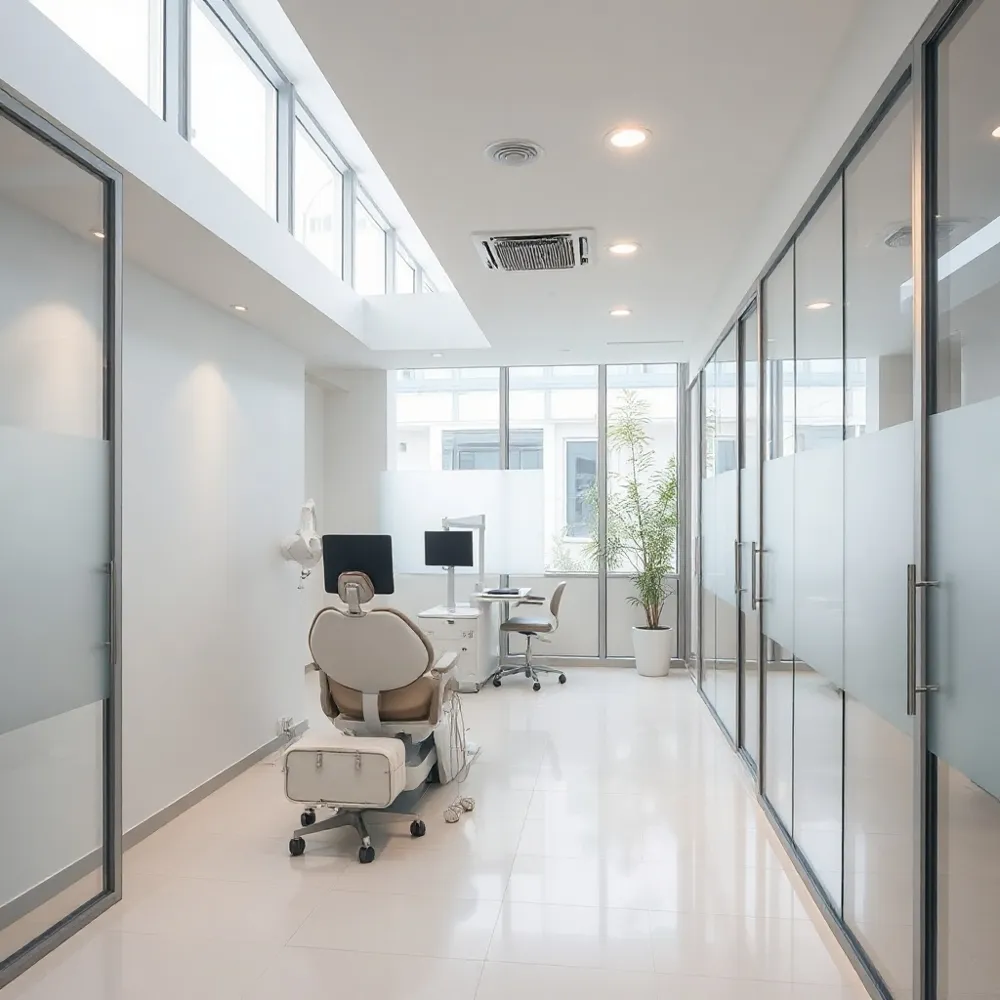 Waiting to address dental misalignments can allow minor issues to cascade into complex concerns that are far more difficult to manage once the facial bones reach maturity. While the American Association of Orthodontists encourages screening by age 7 to identify these needs early, postponing care often forces a reliance on more invasive solutions later, such as permanent tooth extractions or corrective jaw surgery, which might have been entirely avoidable during a child's window of growth.
What is the expected outcome if a child does not receive interceptive orthodontics when recommended?
Skipping recommended interceptive orthodontics often allows minor bite and alignment issues to progress, which can cause them to become significantly more complex, lengthy, and difficult to treat later in life. At Trielle Orthodontics, we observe that when these conditions worsen, they may necessitate more invasive interventions that could have been avoided with early care. Furthermore, children with untreated misalignments often face an increased risk of long-term oral health complications, including chronic tooth wear, decay, and gum disease, due to the difficulty of cleaning crowded or misaligned teeth. Improper jaw alignment can also place excessive, uneven pressure on the temporomandibular joint, potentially leading to chronic jaw pain, headaches, and functional difficulties.
| Issue | Early Intervention | Delayed Action |
|---|---|---|
| Jaw Growth | Guided development | Permanent skeletal limits |
| Tooth Crowding | Arch expansion | Risk of extractions |
| Bite Issues | Corrected alignment | TMJ pressure |
Building a Healthier Smile Today
Partnering with a specialist provides a clear path for your child's growth. At Trielle Orthodontics, we use advanced digital radiography and precision iTero imaging to monitor development from age 7. This technology allows us to create custom plans that address skeletal discrepancies before they become complex concerns.
Early guidance ensures your child stays on a healthy trajectory, potentially reducing the need for future extractions or surgery. Take the next step toward a balanced smile by scheduling an initial consultation at trielleorthodontics.com to discuss your child's unique needs.