Embracing Adult Orthodontics
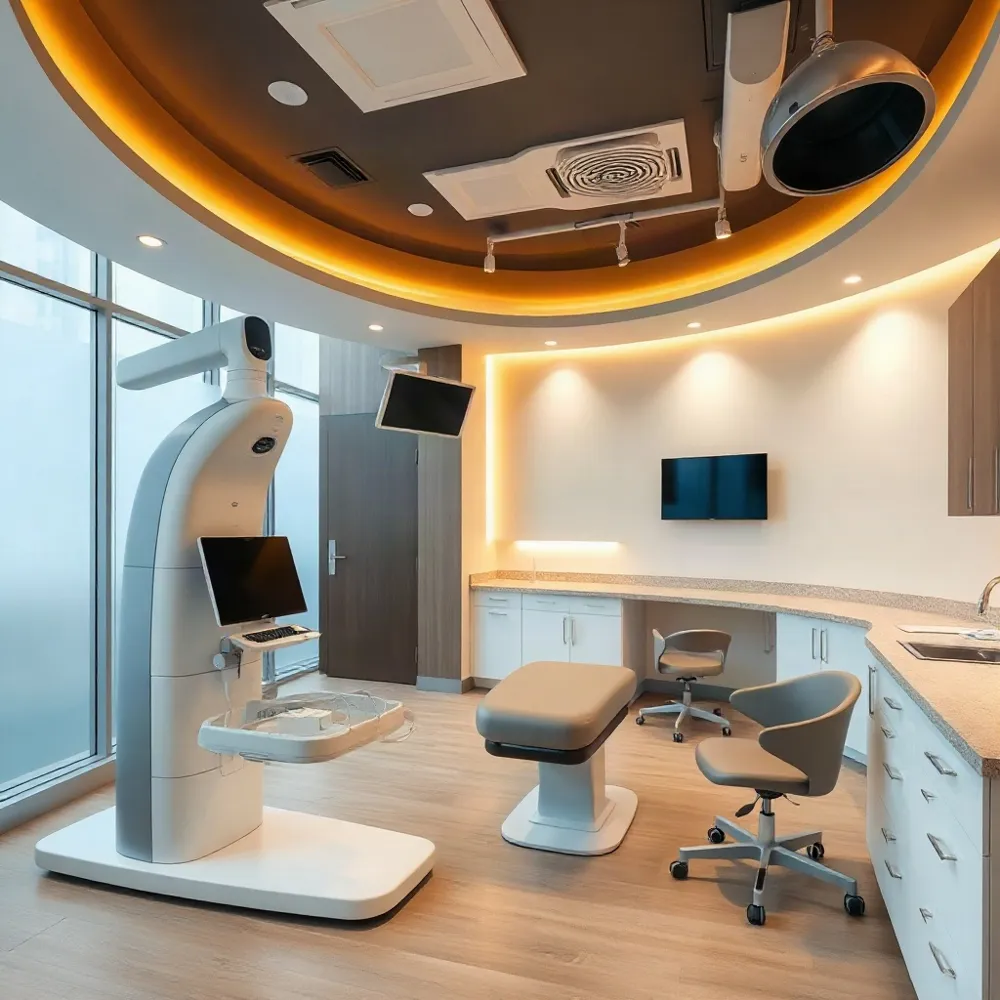
Adult orthodontic care has surged—now roughly one in three patients receiving braces are over 18—driven by a growing desire for both functional and aesthetic improvement. Aligning teeth reduces plaque traps, lowers the risk of cavities, gum disease, and TMJ pain, and makes daily oral hygiene easier, while a straight smile boosts confidence and overall wellbeing. Modern practices such as Trielle Orthodontics combine 3‑D digital imaging, AI‑assisted treatment planning, and clear‑aligner systems (e.g., Invisalign, Motto®) to create discreet, personalized pathways that often finish in 12‑24 months. Lightweight ceramic brackets, lingual braces, and accelerated protocols further tailor treatment to adult lifestyles. Flexible financing, insurance options, and patient education ensure that age is never a barrier to achieving a healthier, more beautiful smile.
Why Adult Orthodontics Works at Any Age
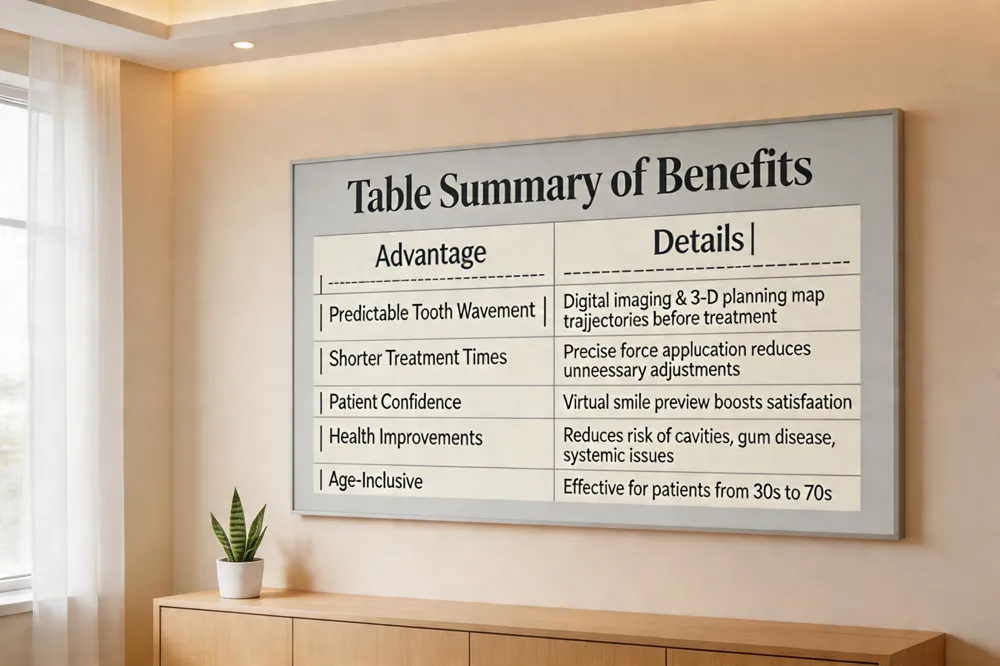
Table Summary of Benefits
| Advantage | Details |
|---|---|
| Predictable Tooth Movement | Digital imaging & 3‑D planning map trajectories before treatment |
| Shorter Treatment Times | Precise force application reduces unnecessary adjustments |
| Patient Confidence | Virtual smile preview boosts satisfaction |
| Health Improvements | Reduces risk of cavities, gum disease, systemic issues |
| Age‑Inclusive | Effective for patients from 30s to 70s |
 Adult orthodontic treatment is effective at any age because modern appliances can move fully developed teeth safely and predictably. Digital imaging and 3‑D treatment planning allow orthodontists to map each tooth’s trajectory before the first bracket or aligner is placed, increasing accuracy and often shortening treatment time. This technology also lets patients preview their post‑treatment smile, boosting confidence and satisfaction.
Do clear aligners work for adults? Yes—clear aligners such as Invisalign are clinically proven to correct mild‑to‑moderate crowding, spacing, and many bite issues in patients ranging from their 30s to 70s. The virtually invisible, removable trays apply gentle pressure, are comfortable for daily life, and require no brackets or wires.
Can you get orthodontic treatment as an adult? Yes—any adult with healthy teeth and gums can be treated. Options include clear aligners, ceramic braces, metal braces, and lingual braces. Modern digital workflows, flexible financing, and personalized education make adult orthodontics a practical, health‑enhancing choice that also lowers the risk of cavities, gum disease, and systemic complications linked to poor oral health.
Choosing the Right Treatment: Aligners vs. Braces
Treatment Comparison Table
| Feature | Clear Aligners (e.g., Invisalign) | Ceramic Braces | Lingual Braces |
|---|---|---|---|
| Visibility | Virtually invisible | Tooth‑colored brackets | Invisible from front |
| Removability | Yes (remove for meals) | No | No |
| Comfort | Smooth plastic, minimal irritation | Slightly more irritation than aligners | Can be uncomfortable, harder to clean |
| Ideal Cases | Mild‑to‑moderate crowding, overbites | Discreet force for moderate cases | Complex movements, aesthetic priority |
| Maintenance | Easy oral hygiene | Requires brushing around brackets | Requires careful cleaning behind teeth |
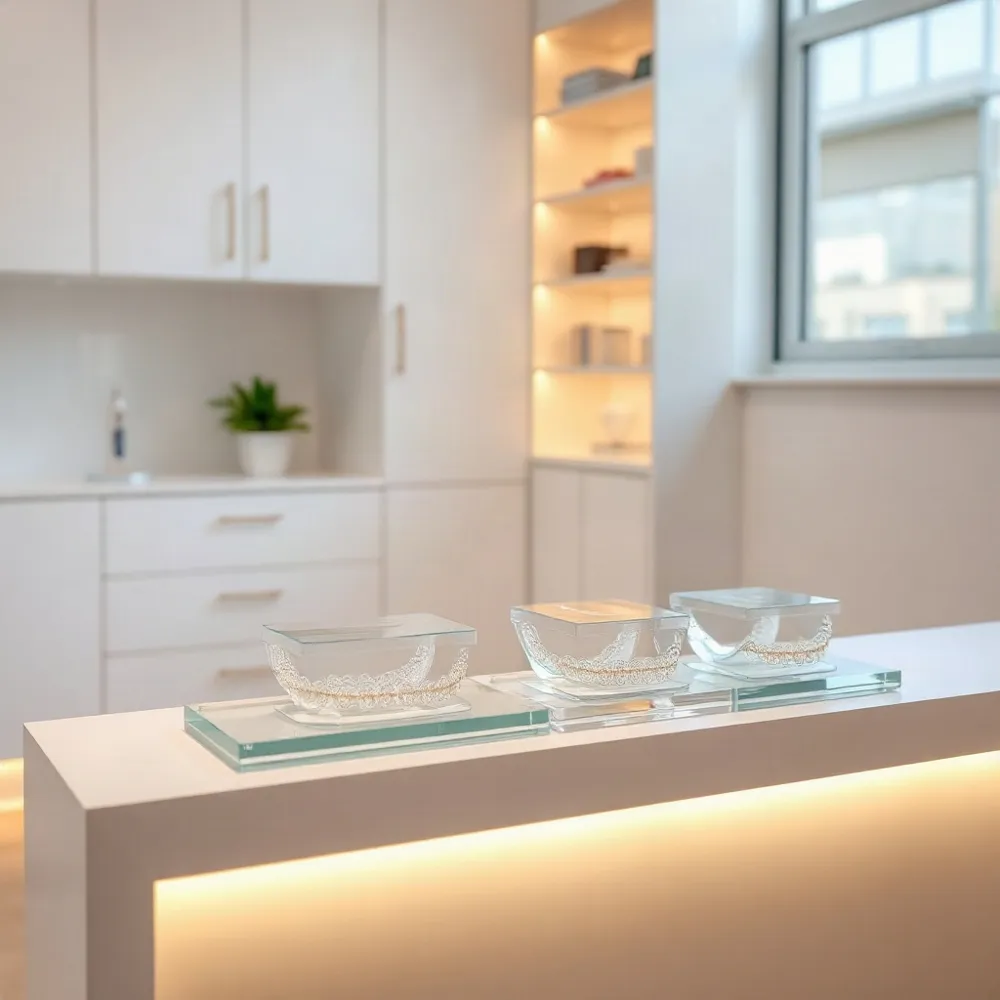
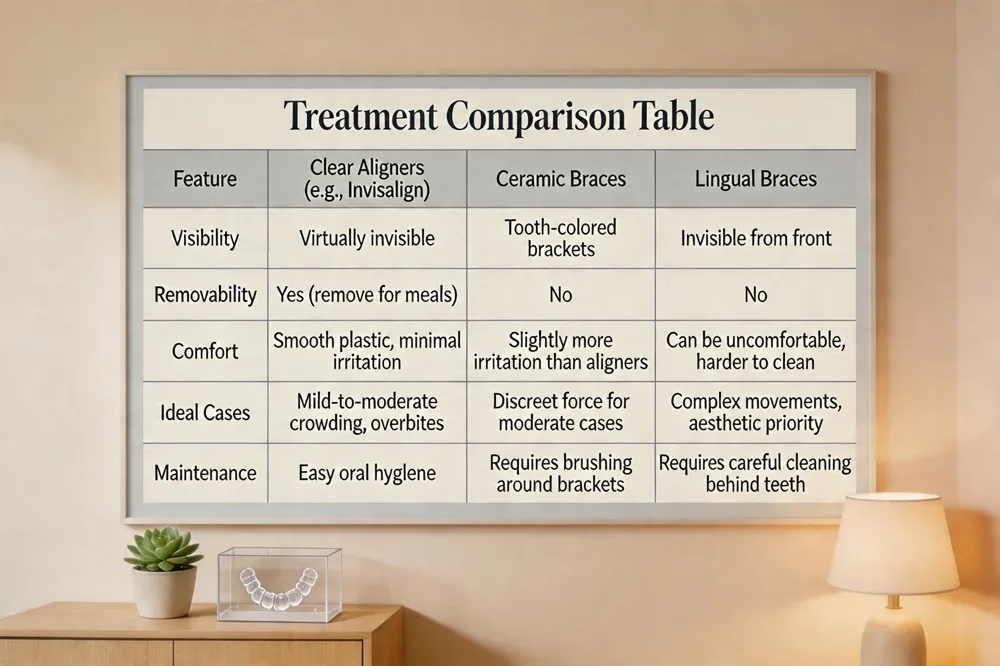 When deciding between clear aligners and ceramic braces or lingual braces, adults should weigh visibility, comfort, and the specific bite issue they need to address. Clear aligners, such as Invisalign®, are virtually invisible, removable, and use SmartTrack™ material with SmartForce™ attachments to gently move teeth. They are especially effective for mild to moderate overbites because they can intrude upper teeth or advance lower teeth when combined with elastics or precise attachments. For more severe skeletal overbites, traditional braces or an orthodontic‑surgical approach may be required.
Ceramic braces offer tooth‑colored brackets that blend with natural teeth, providing a discreet look while delivering the strength of metal brackets. Lingual braces are placed behind the teeth, making them invisible from the front but can be less comfortable and harder to clean. Both options allow continuous force application, which can be advantageous for complex movements.
Aesthetic and comfort considerations often drive adults toward aligners, as they cause less irritation to cheeks and gums and allow normal eating and oral hygiene. However, the best choice depends on the individual case, and a qualified orthodontist—such as those at Trielle Orthodontics—will create a personalized 3‑D digital treatment plan to achieve optimal results.
Practical Concerns: Comfort, Wear Time, and Lifestyle
Lifestyle Impact Overview
| Aspect | Aligners | Fixed Braces |
|---|---|---|
| Daily Wear Time | 20‑22 hours (remove for eating) | 24 hours (continuous) |
| Eating | Removable for any food | Food restrictions, avoid sticky foods |
| Oral Hygiene | Simple brushing/ flossing after removal | More effort to clean around brackets |
| Social Situations | No visible hardware; kissable | Visible hardware may affect confidence |
| Common Drop‑out Reasons | Wear‑time fatigue, inconvenience, cost | Discomfort, oral irritation |
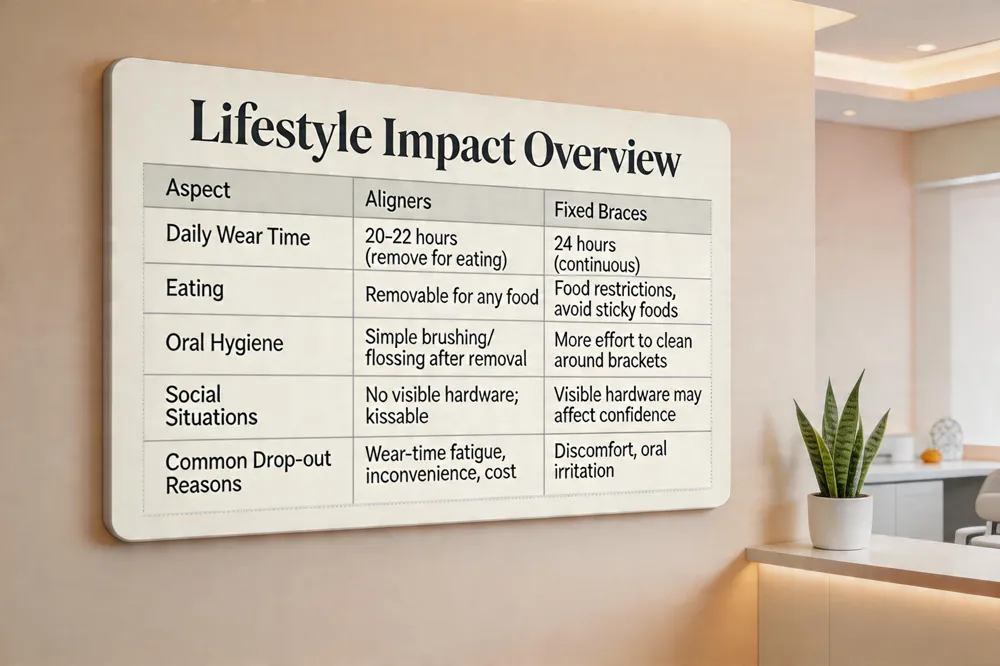 Adult patients who choose clear aligners such as Invisalign benefit from a removable, virtually invisible appliance that fits snugly over the teeth. The recommended daily wear schedule is 20‑22 hours, meaning the trays should be worn continuously except when eating, drinking (anything except water), brushing, and flossing. Because the aligners are custom‑made from a smooth, medical‑grade plastic, they cause minimal irritation and can be taken out for meals, making oral hygiene easier than with fixed braces.
Social situations like kissing – Yes—you can kiss your boyfriend while wearing Invisalign. The clear, smooth plastic aligners fit snugly over your teeth and don’t create any awkward bulk or sharp edges, so they won’t interfere with a romantic kiss. Because they’re removable, you can take them out for extra comfort if you prefer, as long as you still meet the recommended wear time. The discreet design means most partners won’t even notice the aligners.
Why do people quit Invisalign? – People often quit Invisalign because the required wear time—typically 20‑22 hours a day—can feel restrictive and lead to fatigue or discomfort. Missing even a single day can cause teeth to shift back, prolonging treatment and increasing costs, which discourages many patients. The need to remove the trays for every meal, drink, and hygiene routine can be inconvenient for busy lifestyles. Some users become satisfied with early cosmetic improvements and mistakenly think they can stop without a retainer, only to see their progress reverse. Finally, the financial commitment of a lengthy, multi‑month plan can become burdensome if results are slower than expected.
Long‑Term Maintenance, Retention, and Health Benefits
Retention & Health Benefits Table
| Retention Option | Duration | Key Benefits |
|---|---|---|
| Custom Nightly Retainer | 12‑18 months then indefinite | Prevents relapse, easy to use |
| Fixed Bonded Retainer (lower front) | Permanent | Continuous support, no compliance needed |
| Regular Check‑ups | Every 6‑12 months | Early drift detection, appliance adjustment |
| Sleep Apnea Devices | As needed | Improves airway, reduces apnea episodes |
| Long‑Term Oral Health | Ongoing | Reduced risk of gum disease, better bite stability |
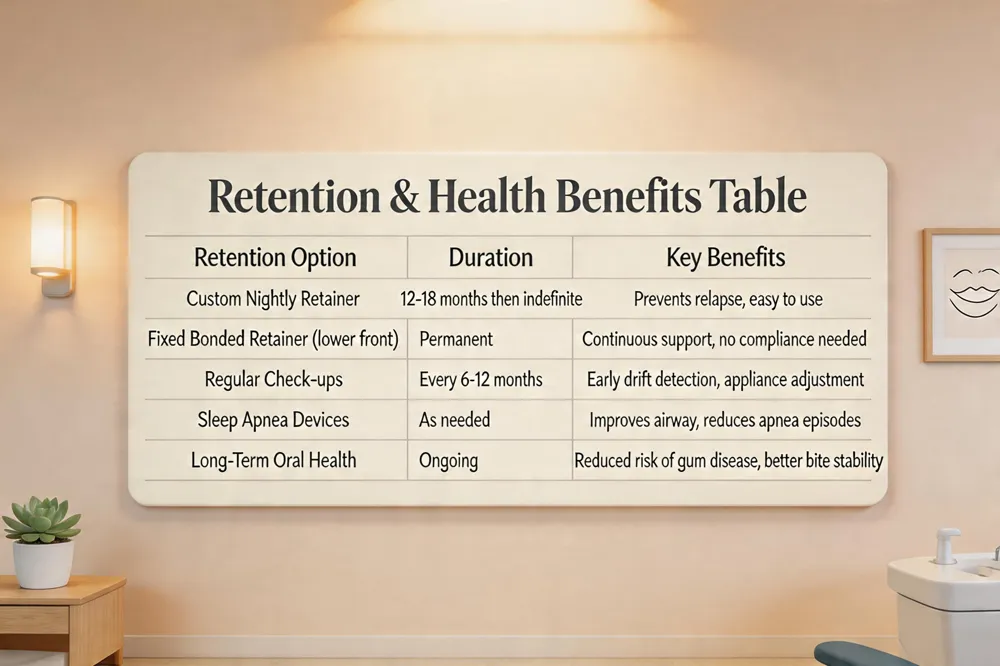 After orthodontic treatment, a disciplined retention plan is essential. Most adults wear a custom retainer at night for the first 12‑18 months, then transition to a permanent nightly schedule or a fixed bonded retainer on the lower front teeth. Regular check‑ups at Trielle Orthodontics ensure the retainer fits properly and allow early adjustments if slight drift occurs.
Will my teeth move 20 years after braces? Yes. Natural changes in bone density, gum health, and daily forces such as chewing or grinding can cause minor shifts even two decades later. Consistent retainer use and routine dental visits are the most reliable defenses against noticeable movement.
Can orthodontists help with sleep apnea? Absolutely. By assessing jaw and bite relationships, orthodontists can identify structural contributors to airway narrowing. Custom mandibular advancement devices or oral retainers can gently advance the lower jaw during sleep, keeping the airway open. These appliances are often fabricated in‑house and coordinated with sleep‑medicine physicians for a comprehensive, long‑term solution.
Financial Flexibility and Comprehensive Patient Care
Financial & Care Summary Table
| Feature | Details |
|---|---|
| Payment Plans | Flexible monthly options, CareCredit, HSA/FSA eligible |
| Insurance Coverage | Up to $3,000 from Delta Dental, Cigna, etc. |
| Promotions | 50% off new‑patient plans (limited time) |
| Patient Education | Digital 3‑D simulation, hygiene instructions, 3‑3‑3 rule |
| Complementary Services | Teeth whitening, facial aesthetic treatments |
| Overall Goal | Affordable, comfortable, health‑focused orthodontic care |
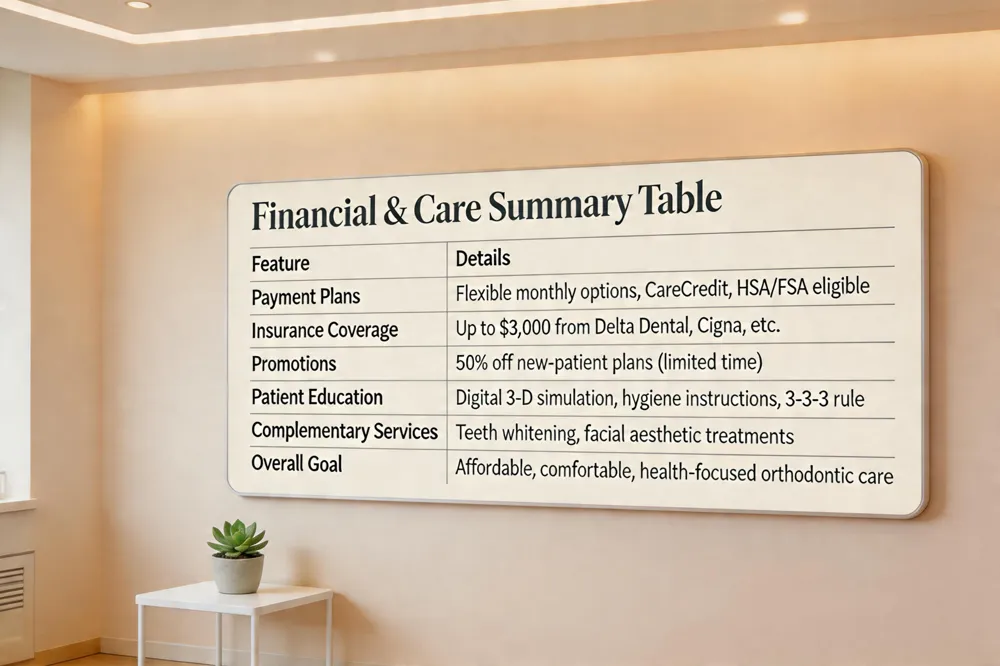 Adult orthodontic care at Trielle Orthodontics blends modern technology with a strong focus on comfort and education. Flexible payment plans, CareCredit financing, HSA/FSA eligible options, and limited‑time promotions such as 50% off new‑patient plans make treatment affordable for a wide range of budgets. Many dental insurance plans, including Delta Dental and Cigna, cover up to $3,000 of orthodontic costs, and the practice’s team helps patients navigate benefits and maximize coverage. Patient education is a cornerstone of care: every visit includes a detailed explanation of the digital 3‑D treatment simulation, oral‑hygiene instructions, and realistic expectations for the final outcome. While braces—whether clear aligners, ceramic, or traditional metal—can dramatically improve alignment, bite, and overall oral health, a "perfect" smile is subjective and depends on individual facial features and aesthetic goals. Trielle Orthodontics offers complementary cosmetic services, such as whitening and facial aesthetic treatments, to fine‑tune the result. For lasting success, patients are reminded to follow the 3‑3‑3 rule: brush three minutes, three times daily, and replace the toothbrush every three months.
Your Smile Journey Starts Today
Adult orthodontic treatment delivers more than a straighter smile; it improves oral health by easing brushing and flossing, lowers the risk of cavities and gum disease, and can relieve jaw pain and headaches. Modern options such as clear aligners, ceramic braces, and lingual systems are nearly invisible, removable, and designed with lightweight wires for comfort. Advanced digital imaging, 3‑D treatment planning, and AI‑driven monitoring ensure precise movements and often shorten treatment time. Flexible financing, insurance support, and in‑office convenience make care accessible for busy adults. Take the first step toward a healthier, more confident you—schedule a personalized consultation today. Your new smile will boost self‑esteem, enhance professional presence, and inspire lasting health.