A Smile Transformation Takes Shape
Orthodontic progress is more than a snapshot of how straight teeth look today. It unfolds over time, as teeth respond to treatment and the bite, roots, and supporting structures are assessed alongside visible changes.
At Trielle Orthodontics, personalized treatment plans and regular clinical assessments help connect each stage of care with a patient’s goals. Patients also contribute by following instructions and sharing concerns, giving the orthodontist useful context when reviewing progress.
Digital previews and scans can help explain planned tooth movements and compare them with what is happening during treatment. Research on clear aligners describes treatment as a sequence of planned stages, while emphasizing that actual movement can differ from the design (clear-aligner treatment review). These tools support discussion and assessment, but they do not promise an exact final appearance. Progress remains an individual process, guided by clinical judgment and ongoing communication.
The Stages of Orthodontic Treatment
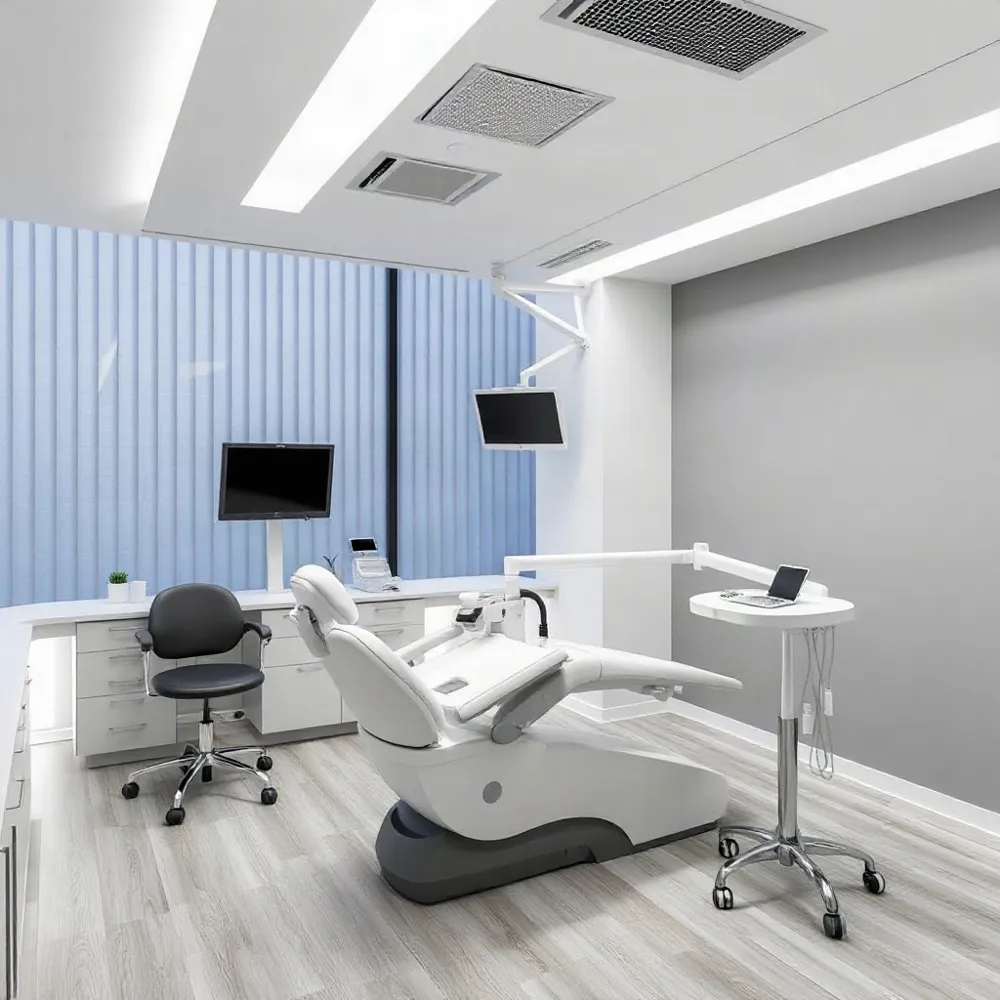 Orthodontic care starts with a consultation to assess your teeth, bite, jaw, and smile goals. The American Association of Orthodontists explains that an evaluation helps identify concerns and discuss suitable options, timing, and expected duration. At Trielle Orthodontics, treatment planning is personalized, with comfort and individual goals considered from the start. A smile assessment can help you prepare questions and clarify what you hope to change.
The initial evaluation may include an examination, photographs, digital scans, and X-rays when clinically appropriate. Scans record tooth surfaces, while X-rays can show roots, bone, and jaw structures that are not visible in a standard examination. Together, these records help the orthodontist select an appliance, such as braces or clear aligners, and map a plan around your needs.
During active treatment, braces or aligners guide teeth toward planned positions. Follow-up visits let the orthodontist compare progress with your goals and adjust the plan if your teeth respond differently than expected. Clear-aligner progress is assessed against staged tooth positions, but actual movement may not always match the digital plan exactly, as a scientific review of clear aligners notes.
When the desired alignment is reached, active treatment gives way to retention. Wearing a retainer as directed helps maintain tooth positions, and follow-up visits allow the orthodontist to check stability and address concerns. Retention is part of the treatment plan, not an optional afterthought.
Choosing Between Braces and Aligners
Braces and clear aligners both use controlled pressure to move teeth, but they differ in appearance, removability, and daily care. Neither is the best choice for everyone; the decision depends on the diagnosis, treatment goals, and what fits a patient’s routine.
Aligners are removable, which makes eating and brushing easier. They must be worn consistently according to the orthodontist’s instructions, however, or teeth may not follow the planned movements. Trielle Orthodontics offers personalized orthodontic care, with treatment plans shaped around each patient’s needs and goals.
Braces remain attached to the teeth, so patients do not need to remember to put them back in after meals. Brackets and wires call for careful brushing and flossing, and hard or sticky foods may damage the appliance. Both braces and aligners can cause temporary pressure or discomfort as teeth adjust.
Clear aligners can work well for some alignment concerns, but certain movements, including severe rotations and extrusion, can be more challenging. A scientific review of clear-aligner treatment describes these limits and stresses that results should be assessed against the individual treatment plan. At Trielle Orthodontics, the treatment approach is selected through an individualized assessment rather than assuming one appliance suits every case.
Whichever option is chosen, active treatment is followed by retention. Retainers help keep teeth in their new positions, and the orthodontist will advise on their use as part of maintaining the result.
Understanding Clear Aligner Brands
Invisalign is one brand of clear aligner, not the name for every transparent orthodontic tray. Other companies also make custom aligners that guide teeth through a planned series of positions. At Trielle Orthodontics, clear aligners are one of the treatment options considered within personalized orthodontic care, alongside braces.
Across systems, the basic routine is similar: wear trays as directed by the clinician, remove them for meals and brushing, and switch to the next set only on the prescribed schedule. Systems can differ in plastic materials, tray design, planning software, and the tooth movements they are designed to support. A review of clear-aligner research notes that some movements are more difficult to achieve predictably, so progress needs to be judged against each patient’s treatment goals, not a brand label alone (clear-aligner treatment review).
A tray’s fit and planned movement are only part of the picture. Diagnosis, case suitability, and clinician oversight shape how treatment is planned and adjusted. Aligners from different systems are not automatically interchangeable, and a digital plan is not a guarantee of the final result. Trielle Orthodontics emphasizes individualized treatment planning, helping patients weigh their teeth, goals, and lifestyle when discussing clear aligners or braces.
The Cost of Treatment
How much do braces or clear aligners cost, and is $6,000 a typical price? General estimates put braces at about $2,500 to $6,000 and clear aligners at about $3,000 to $7,000. These are broad ranges, not a quote or a fee schedule for Trielle Orthodontics, and actual costs vary by location and individual needs.
So, yes, $6,000 can fall within a typical range, especially when care is comprehensive or the case is more complex. It is not a fixed price for every patient. Treatment needs and length, the orthodontist’s plan, and whether refinements or retainers are included can all affect the final fee.
Insurance may contribute toward orthodontic treatment, depending on the plan. Payment plans or flexible financing may also help spread costs over time. At a consultation, Trielle Orthodontics can assess your needs, discuss treatment options, and provide an individualized estimate alongside information about available payment options.
Daily Wear Shapes Aligner Progress
 How many hours a day should clear aligners be worn? Most treatment plans call for wearing trays 20 to 22 hours daily, but follow the schedule set by your treating orthodontist. Remove them for meals and drinks other than water, then brush or rinse your teeth before putting the trays back in.
Each tray is designed for a particular stage of tooth movement, so consistent wear helps teeth follow the planned sequence. A review of clear-aligner treatment describes progress as dependent in part on patient cooperation and wearing aligners as directed in its review of the evidence. Missed wear can affect how closely teeth follow the plan, so ask your orthodontist what to do rather than trying to catch up on your own.
At Trielle Orthodontics, treatment plans are individualized, and regular check-ins help the team monitor progress. If you miss wear time or a tray no longer fits comfortably, contact your orthodontist before changing trays or altering the sequence. Professional guidance can help determine whether to continue as planned or make an adjustment.
Checkups Guide Braces Adjustments
How often are orthodontic checkups needed during braces treatment? A general example is every four to eight weeks, but this is not a fixed schedule. Timing depends on the treatment plan, how teeth are responding, and the stage of care.
At a visit, the orthodontist can assess tooth movement and how the bite is coming together, inspect brackets and wires, and check oral hygiene. A loose bracket or damaged wire may affect comfort or appliance function, so tell the office about the problem rather than waiting for your next appointment.
If treatment calls for it, the orthodontist may adjust wires or elastics, repair an appliance, or refine the plan based on observed progress. These changes help guide the next phase of tooth movement. At Trielle Orthodontics, care is planned around each patient’s needs, with regular check-ins to monitor progress.
Keep scheduled appointments even when everything feels normal. Visits give the orthodontist a chance to review progress and address concerns before they interfere with treatment. If a bracket breaks or a wire becomes loose, contact the office for guidance on what to do next.
Timelines and Visible Changes
How long does orthodontic treatment take, and when might patients notice progress? Treatment often lasts about six months to two years, but the timeframe depends on the type and complexity of the alignment and bite concerns. Mild cases may finish sooner, while more involved movements can take longer.
Small changes may become noticeable within the first few months, though tooth movement is gradual. Comparing photographs or records at follow-up visits can make progress easier to see than checking your smile day by day. At Trielle Orthodontics, treatment plans are individualized, so an estimated timeframe follows an evaluation rather than a standard promise.
Progress is assessed against your treatment goals, not simply the time that has passed. For clear aligners, wearing trays as directed helps teeth follow the planned sequence, while missed wear or appointments may affect the course. Research on clear aligners has found that achieved movements can differ from digitally predicted movements in studied cases, so those findings are not a universal forecast for every patient. A literature review of clear-aligner treatment describes both this variability and the need to assess results against individual goals.
Your orthodontist can estimate a personalized timeline after examining your teeth and bite, then revisit expectations as treatment progresses. Digital planning can help map intended movements, but it cannot guarantee a completion date. Trielle Orthodontics emphasizes ongoing progress check-ins as part of its personalized care, with the plan adjusted if your response calls for it.
Tracking Progress Between Visits
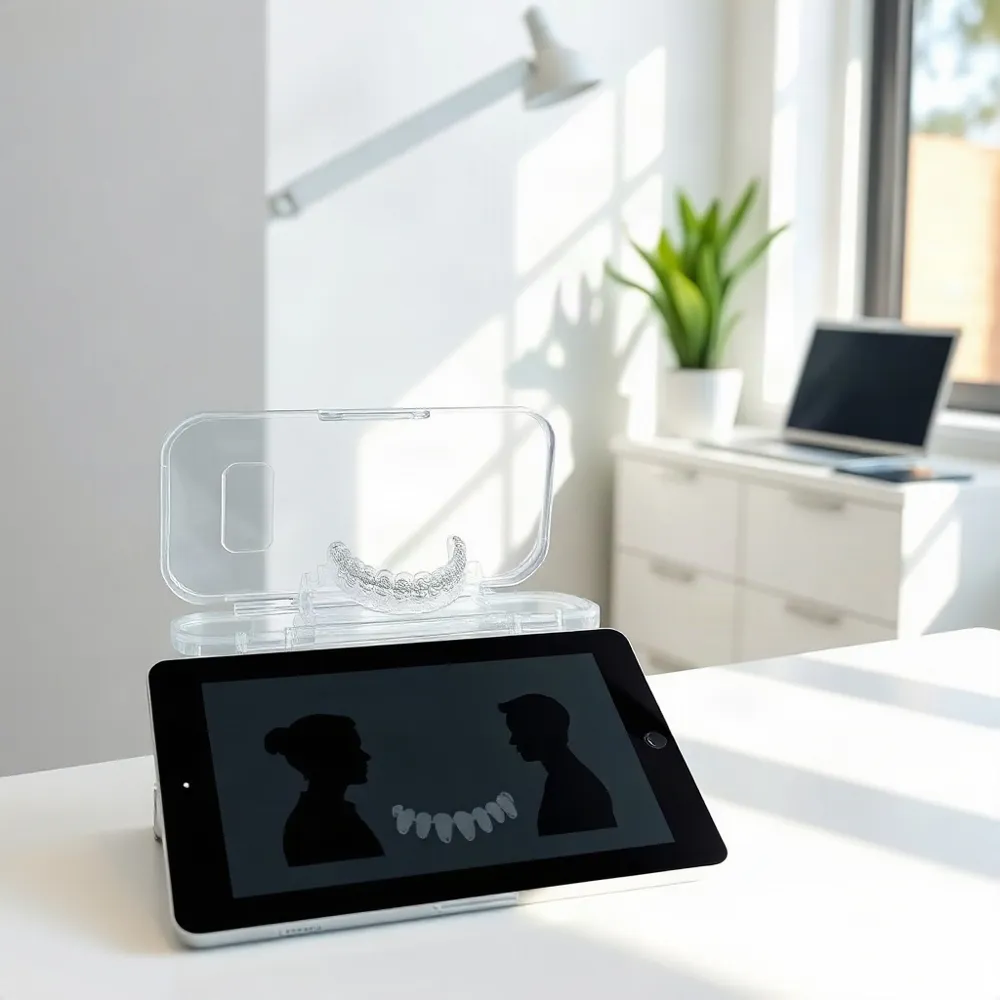 How can patients monitor their progress during clear-aligner treatment? Start with how the trays fit. Each aligner should sit snugly against the teeth without persistent gaps or rocking. Patients can also note gradual changes in their smile, though early movement may be subtle.
Wear aligners for the schedule prescribed by your orthodontist, and record wear time in a simple log or app. Taking comparison photos from the same angle every few weeks can make small changes easier to spot. At Trielle Orthodontics, treatment plans are individualized, so observations between visits should be discussed with the orthodontic team rather than used to change the plan independently.
At check-ups, clinicians can compare digital scans or photographs with planned tooth positions to assess how movement is progressing. Research on clear aligners describes treatment as a sequence of planned tooth positions, while emphasizing that actual movement can differ from the plan (clear-aligner treatment review. X-rays may also be used when clinically appropriate to evaluate roots, bone, or other structures that cannot be seen from tooth surfaces alone.
Smartphone scans or remote monitoring can provide additional information between appointments, but they do not replace a professional examination or in-person care when needed. If an aligner repeatedly will not seat properly, or you notice another concern, contact your orthodontist. Do not move to the next tray ahead of schedule without their direction.
Progress Is a Shared Effort
A lasting smile transformation depends on more than visible changes. Progress is assessed by comparing tooth movement with treatment goals, while the patient’s daily care and cooperation help the plan work as intended.
Scans, photographs, and digital displays can make changes easier to understand, but they are tools for discussion, not a substitute for an orthodontist’s judgment. Research on clear aligners notes that actual movement may differ from the digital plan, so clinical assessment remains important (review of clear-aligner treatment).
At Trielle Orthodontics, individualized treatment plans and regular check-ins give patients opportunities to ask about fit, comfort, timing, or any concerns. Follow the instructions set for your treatment, attend recommended visits, and continue with retainers as directed. Keeping communication open helps your orthodontist assess what is changing and decide whether the plan needs adjustment.