A More Discreet Route to Alignment
Clear aligners are transparent, removable trays designed to move teeth gradually through a planned sequence. They offer a less noticeable alternative to braces, but treatment is not simply a matter of choosing a tray brand. Systems vary in how treatment is planned, how closely a clinician oversees progress, and which cases they are intended to address.
Each aligner applies gentle pressure to guide teeth toward new positions. Patients typically wear trays for most of the day, removing them for meals and oral hygiene; the exact schedule and treatment plan depend on the individual. The American Association of Orthodontists’ overview of clear aligners explains that candidacy and treatment duration vary with the movements required.
An orthodontic evaluation helps determine whether aligners are appropriate or whether braces, or a combination of appliances, may offer better control. At Trielle Orthodontics in Union, NJ, personalized treatment planning and modern technology support that assessment, alongside the practice’s broader orthodontic care.
This article looks at how aligners move teeth, how treatment systems differ, and what to ask about professional oversight before choosing a plan. The goal is to compare options in light of your bite, oral health, goals, and ability to follow wear instructions, rather than treating any one brand or appliance as right for everyone.
How Clear Aligners Move Teeth
 Clear aligner therapy uses a sequence of custom trays to guide teeth toward positions mapped in an orthodontic treatment plan. Each tray fits over the teeth and applies gentle, controlled pressure, moving them incrementally. As teeth shift, the surrounding bone remodels to support their new positions, a process that also occurs with other orthodontic appliances. The American Association of Orthodontists’ overview of aligners explains how trays apply sequential pressure and why treatment is tailored to the patient.
Patients commonly move to a new set every week or two, but the schedule depends on the provider’s instructions and the movements planned. Aligners need to be worn consistently, generally for at least 22 hours a day, and removed for meals and oral hygiene. At Trielle Orthodontics, treatment planning is individualized, with the appliance choice guided by each patient’s teeth, bite, oral health, and goals.
An orthodontic evaluation helps determine whether aligners are suitable or whether braces, or a combination of appliances, may offer better control. Crowding, gaps, and some bite concerns may be treated with aligners, but no single approach fits every case. Adults can be candidates too: age alone does not decide suitability. Healthy teeth and gums, and the ability to follow wear and cleaning instructions, also matter. The AAO notes that aligners are not appropriate for everyone and that some cases may be treated more predictably with braces.
Aligners Compared With Braces
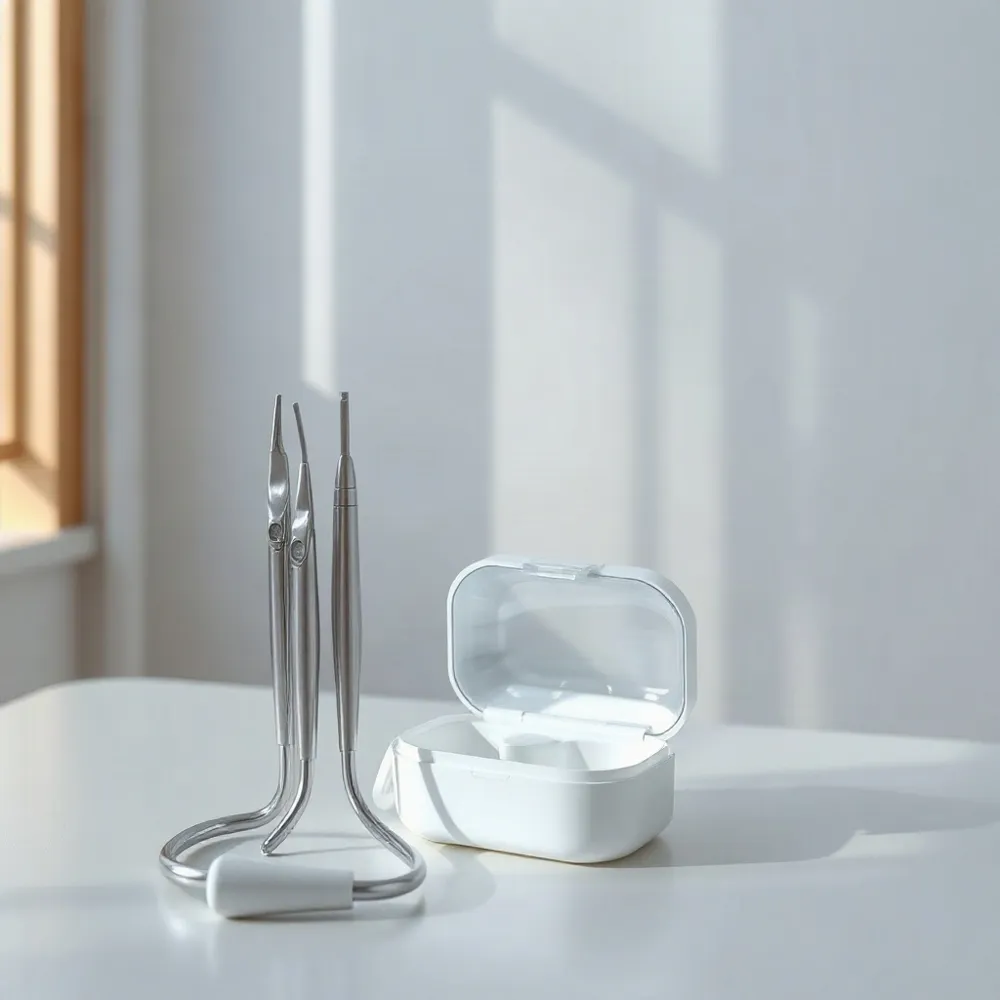 For patients treated at Trielle Orthodontics, the choice between aligners and braces starts with an individualized assessment of their teeth, bite, and goals. Clear aligners are discreet and removable, while fixed braces stay attached to the teeth throughout treatment.
Removable trays can make meals and brushing and flossing more convenient than braces. They also avoid brackets and wires that can irritate the cheeks or lips. The American Association of Orthodontists’ aligner guidance notes that aligners should be worn for at least 22 hours a day and removed for eating, drinking, and oral hygiene. Drinks other than water should be taken with trays out, and both teeth and trays should be clean before reinsertion.
That flexibility calls for consistent habits: aligners can be misplaced, and wearing them less than directed may disrupt progress. New trays can also bring temporary pressure or soreness. Braces do not rely on patients remembering to put an appliance back in, though they require careful cleaning around the brackets and wires.
Aligners can work well for many concerns, but braces may offer more predictable control for some complex movements. The American Association of Orthodontists explains that severe bite problems, significant rotations, or large gaps may call for a different approach. At Trielle Orthodontics, treatment planning is personalized, and the clinician can recommend aligners, braces, or a combination based on the case.
Neither option is automatically faster. Treatment time depends on the movements needed, consistent aligner wear when applicable, and following provider instructions. Braces also depend on keeping appointments and following directions, such as wearing prescribed elastics. An orthodontic evaluation is needed to estimate an individual timeline rather than relying on broad averages.
Common Concerns Aligners Can Address
Clear aligners may help with gaps between teeth, crowding, crooked teeth, and some bite concerns, including overbites, underbites, open bites, and crossbites. The American Association of Orthodontists’ overview of clear aligners notes that suitability depends on the individual case. At Trielle Orthodontics, recommendations are based on an assessment of each patient’s teeth, bite, and goals.
A custom treatment plan determines which tooth movements are practical and how they should be guided. Some plans use attachments or elastics with aligners; other cases may be treated more predictably with braces or a combination of appliances. A review of clinical research on clear aligner treatment also describes certain complex movements as less predictable.
So, can clear aligners treat gaps and other common orthodontic concerns? Often, yes, when the case is suitable. But trays are not a universal solution. An orthodontist should examine the bite and treatment needs before recommending an approach, rather than assuming every alignment problem can be addressed with aligners alone.
Types of Systems and Provider Oversight
Clear aligner treatment uses custom trays in a planned sequence, but systems differ in how care is delivered. Invisalign, ClearCorrect, Spark, and uSmile are examples used in orthodontic treatment. Their names alone do not establish which option is appropriate; the choice depends on the patient’s teeth, bite, and treatment goals.
Professional care commonly starts with an examination and diagnostic records, such as digital scans or X-rays. The orthodontist reviews the information, approves a treatment plan, and monitors progress so concerns can be assessed and the plan adjusted when needed. The American Association of Orthodontists’ aligner guidance explains that candidacy and the number of trays depend on the individual case. At Trielle Orthodontics in Union, NJ, treatment plans are individualized, with modern technology used as part of patient care.
Remote or at-home programs may involve home impressions, fewer in-person examinations, or less direct monitoring. That difference can affect how dental concerns and problems with tray fit or progress are identified and addressed. A 2019 review of clear aligner treatment notes that aligners are not suitable for every case and that some movements can be less predictable. Before choosing a model, ask who evaluates your teeth, what records inform the plan, and how you can reach the provider if an issue arises.
Comparing Brands and Limited Treatment
Aligner brands can differ in plastic materials, design features, treatment-planning tools, provider involvement, and cost. Invisalign is a well-known system, but its name alone does not determine whether it is the right choice. Clinical suitability depends on the patient’s teeth, bite, oral health, and treatment goals, as the American Association of Orthodontists explains.
The type of care behind a system also matters. Orthodontist-supervised treatment includes an evaluation and a plan tailored to the individual, with follow-up to review progress. Other models may rely more heavily on at-home records or remote contact. Comparing options means asking who assesses your oral health, who plans the tooth movements, and how concerns can be addressed during treatment.
At Trielle Orthodontics in Union, NJ, an individualized assessment considers a patient’s teeth, bite, and goals before treatment is recommended. That evaluation helps put brand claims and advertised prices in context. Fees and treatment duration vary by case and provider, so estimates should be discussed as part of the complete plan rather than treated as guarantees.
What is Invisalign Express, and who might it be suitable for?
Invisalign Express is a limited course of treatment intended for small, targeted tooth movements. It may suit some people with mild crowding, small gaps, or minor shifting after braces, when only a few teeth need correction. An orthodontist must assess whether the limited approach can address the specific concern.
Express is not designed for every alignment or bite problem. More involved needs may call for comprehensive aligner treatment, braces, or another plan. The number of trays and treatment time depend on the individual case, so a consultation at Trielle Orthodontics can help determine whether limited treatment is appropriate or a broader plan is needed.
Daily Wear and Aligner Care
A steady wear routine helps keep treatment on course. Clear aligners generally need to stay in for 20–22 hours a day, or for the schedule your orthodontist prescribes. Remove them for meals, drinks other than water, and brushing and flossing. The American Association of Orthodontists’ aligner guidance recommends wearing aligners for at least 22 hours daily and following your orthodontist’s instructions.
How many hours a day should clear aligners be worn, and what is the 30-minute rule?
The “30-minute rule” is a practical reminder to put trays back in soon after eating or drinking anything other than water. It is not a universal clinical deadline, so follow your provider’s instructions. If possible, brush and floss before reinserting the trays; otherwise, rinse your mouth thoroughly. Keeping removal time brief helps maintain consistent wear and reduces the chance of trapping food or liquids against teeth.
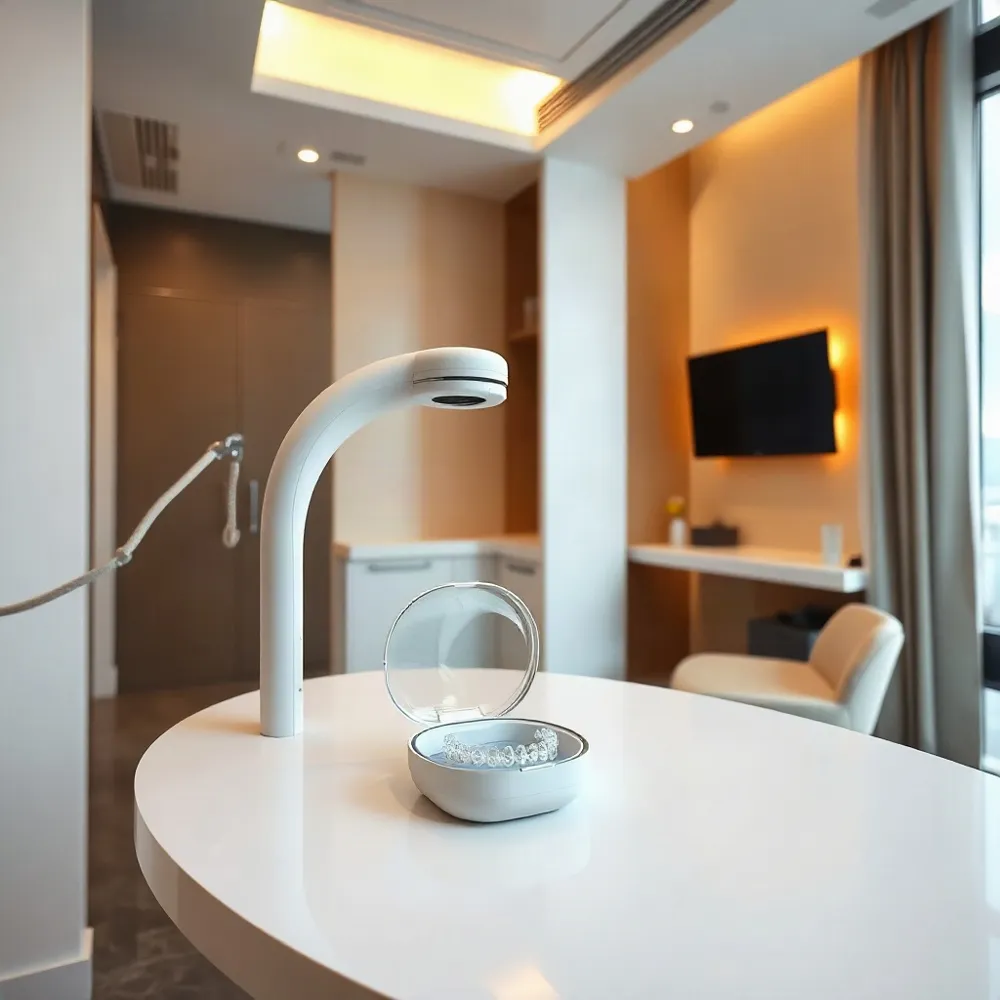
Clean trays regularly as directed, and place them in their case whenever they are out of your mouth. Avoid drinking anything but water while wearing them, since other drinks can stain trays or leave liquids against teeth. At Trielle Orthodontics, individualized treatment plans provide the basis for wear and care instructions suited to each patient.
Costs and Treatment Estimates
Clear aligner fees are not one-size-fits-all. The U.S. average is about $5,100, but this is an estimate, not a guaranteed price or a quote from Trielle Orthodontics. The American Association of Orthodontists’ guidance on aligners notes that treatment needs and the number of trays vary by patient.
The final cost can depend on bite and alignment complexity, treatment length, the number of aligners, and whether refinements are needed. Provider and location also matter. Packages may differ in what they include, such as scans, progress checkups, replacement trays, or retainers, so compare the full treatment plan rather than a headline price.
At Trielle Orthodontics, an individualized assessment can inform a treatment estimate, with flexible payment options available to help manage expenses. Orthodontic insurance coverage varies by plan, so ask your insurer and provider what benefits apply. Before starting, request a written estimate and clarify which services and follow-up items are included.
At Home or Orthodontist Supervised
At-home clear aligners may appeal to people seeking convenience and a lower upfront cost. But services differ in how thoroughly they assess teeth and how closely they monitor treatment. At Trielle Orthodontics, an orthodontic evaluation helps shape an individualized plan around a patient’s teeth, bite, and goals.
With remote-only care, limited examination or diagnostic records may allow cavities, gum concerns, or other dental problems to go unnoticed. Poorly fitting trays or tooth movement that is not tracking as planned can also affect the bite or gums. The American Association of Orthodontists’ guidance on clear aligners notes that aligners are not suitable for every patient and that an orthodontist should assess whether they are appropriate.
Are at-home clear aligners worth considering compared with orthodontist-supervised treatment?
They may be worth discussing when convenience and initial cost matter, but at-home options are generally aimed at limited cases and are not right for everyone. Orthodontist-supervised care includes professional assessment and follow-up, so the clinician can check progress and respond if teeth are not moving as planned. Aligners also require consistent wear, often about 22 hours a day, according to the AAO.
Before choosing a mail-order plan, ask who evaluates your teeth, what records inform the plan, how progress is monitored, and how you can get help if a tray fits poorly or concerns arise. An orthodontist can assess whether the approach fits your oral health, bite, and treatment goals.
Results, Retainers, and Follow Up
 Clear aligners can straighten teeth and improve bite alignment when they suit the patient’s needs. The result depends on the starting condition, the movements required, and wearing each aligner as prescribed. A consultation at Trielle Orthodontics can help set expectations based on an individual assessment, rather than promising a particular outcome.
After active treatment, teeth can shift toward their earlier positions. Retainers help hold teeth in their new alignment, and the American Association of Orthodontists’ guidance on clear aligners notes that an orthodontist may recommend aligners, braces, or a combination based on the case. Retention and follow-up should be part of the treatment plan, not an afterthought.
Your orthodontist may recommend a removable retainer, a fixed retainer bonded behind the teeth, or both. The right choice and wearing schedule depend on the treatment and the patient. At Trielle Orthodontics, individualized care and follow-up help patients understand how to maintain their results.
Clean retainers as directed and keep scheduled follow-up visits. If a retainer is damaged, feels uncomfortable, or no longer fits properly, contact your orthodontist rather than adjusting it yourself. Prompt advice can help determine whether it needs repair, replacement, or a change to the retention plan.
Choose the Plan, Not Just the Brand
A clear aligner’s brand name cannot tell you whether it suits your teeth, bite, or treatment goals. The American Association of Orthodontists’ guidance on aligners notes that treatment time and suitability depend on the individual case, and some patients may do better with braces or a combination of approaches.
Daily habits matter, too. Removable trays require consistent wear, while the amount of professional supervision and follow-up varies between treatment models. At Trielle Orthodontics, an individualized treatment plan considers your orthodontic needs alongside comfort and lifestyle, with flexible payment options available.
A consultation can help you compare aligners and braces, discuss expected costs, and understand what monitoring your care may involve. The AAO’s overview of clear aligner therapy also emphasizes that an orthodontist’s evaluation guides the treatment plan. Choose the approach that fits your clinical needs and goals, not simply the name on the trays.