Rethinking Adult Braces
Braces are not just for teenagers. Adults can seek orthodontic care to improve tooth alignment, bite function, or both, and age alone does not rule out treatment. The American Association of Orthodontists reports that one in three orthodontic patients is an adult (AAO adult orthodontics).
For adults, the decision often involves more than appearance. You may be weighing comfort, oral health, how treatment fits into daily life, and the time and cost involved. Trielle Orthodontics in Union, New Jersey, offers braces and clear aligners as part of personalized orthodontic care.
There is no single option or outcome that suits everyone. An orthodontic assessment considers your teeth, bite, oral health, and goals before recommending a plan. The sections ahead address common concerns and explain what to discuss with an orthodontist.
Age Is Not a Barrier
Adults commonly seek orthodontic care, and there is no set upper age limit for considering braces. The American Association of Orthodontists reports that one in three orthodontic patients is an adult, and healthy teeth can move at any age. Adult orthodontic treatment may take longer for adults, but age alone does not rule it out.
At Trielle Orthodontics, adult treatment planning is individualized, with options that include braces and clear aligners. The right approach depends on alignment, bite concerns, oral health, and personal preferences, rather than age alone.
Gum and bone health can affect whether treatment is suitable and how it should be planned. Missing teeth, crowns, fillings, or other existing dental work may also need consideration, and active oral-health problems may need attention first. An orthodontic evaluation helps identify these factors and establish a plan.
For many adults, improved alignment can make teeth easier to brush and floss and may support efforts to reduce plaque buildup. Treatment may also address bite problems that affect chewing or contribute to uneven tooth wear. These benefits vary by person, so an orthodontist can explain what treatment may realistically accomplish in your case.
How Tooth Movement Happens
Braces guide teeth through small, controlled movements. Brackets attached to each tooth hold an archwire, which applies gentle, steady pressure. Elastic bands, springs, or other appliances may also be used to direct movement or help correct the bite. Cleveland Clinic’s explanation of how braces work describes this gradual pressure as the basis of tooth movement.
The pressure prompts changes in the tissues and supporting bone around each tooth, allowing teeth to shift gradually into new positions. Because movement needs to be guided over time, an orthodontist checks progress and adjusts the appliance when needed. At Trielle Orthodontics, treatment plans are individualized, with progress monitored as care proceeds.
Following instructions and attending scheduled appointments help keep treatment moving as planned. Patients with braces should also care for their teeth and appliances as directed, and contact the orthodontic office if something breaks or causes persistent discomfort. Consistent follow-through gives the orthodontist a chance to respond to changes and make adjustments safely.
Choosing an Adult Treatment Option
Adults can choose from several orthodontic appliances, but each works differently and has practical trade-offs. At Trielle Orthodontics, treatment planning takes individual needs and preferences into account, rather than assuming one appliance suits everyone.
Traditional metal braces use brackets and wires attached to the teeth. They are visible, fixed in place, and can address a range of orthodontic concerns. Ceramic braces work in a similar way but use tooth-colored brackets that blend more with teeth. Self-ligating braces also use brackets and wires, with a built-in mechanism holding the wire instead of elastic ties.
Lingual braces are fixed to the backs of the teeth, so they are less visible from the front. Clear aligners are transparent, removable trays. They can be taken out for meals and cleaning, but they need to be worn consistently to move teeth as planned.
Aligners are not suitable for every orthodontic problem, and a less noticeable option is not automatically the right choice. The best fit depends on the tooth movements and bite correction needed, along with preferences and lifestyle. A professional assessment can help compare the options and determine which approaches may be appropriate. Cleveland Clinic’s overview of braces describes how appliance choice depends on the orthodontic issue, its severity, and patient preferences.
Timelines and Temporary Discomfort
 Adult orthodontic treatment does not follow one fixed schedule. Many adults wear braces for about 18 to 24 months, while mild alignment concerns may take around a year and complex cases may take two to three years. The right estimate depends on the amount of crowding, bite concerns, appliance, and individual treatment plan. Cleveland Clinic’s braces guide describes treatment time as variable, with some cases finishing in under a year and others taking up to three years.
At Trielle Orthodontics, treatment plans are individualized, so the expected timeline can be discussed in light of each patient’s needs and goals. Regular appointments, following instructions about elastics or aligner wear, and taking care to avoid appliance damage can help prevent delays. Your orthodontist can give a more specific estimate after evaluating your teeth and bite.
Pressure or tooth tenderness may occur for a few days after braces are placed or adjusted. Cheeks, lips, or the tongue may also need time to adapt to brackets and wires, and chewing can feel sore at first. The experience varies, so it is better to expect possible temporary discomfort than to assume treatment will be pain-free.
Soft foods, a cold compress, or orthodontic wax over a rubbing bracket or wire may help with temporary irritation. Over-the-counter pain relief can also be considered when used as directed and is appropriate for you. Contact your orthodontist if pain is severe or persistent, or if a loose bracket or protruding wire is causing injury. Professional guidance can help determine whether the appliance needs attention.
Preventing White Spots
 Braces do not directly cause white spots, but brackets and wires can make plaque harder to remove. If plaque stays on the teeth, it can weaken the enamel and leave chalky-looking areas called white spots. These areas may signal early enamel damage, so have a dentist or orthodontist assess them rather than trying to diagnose the cause yourself.
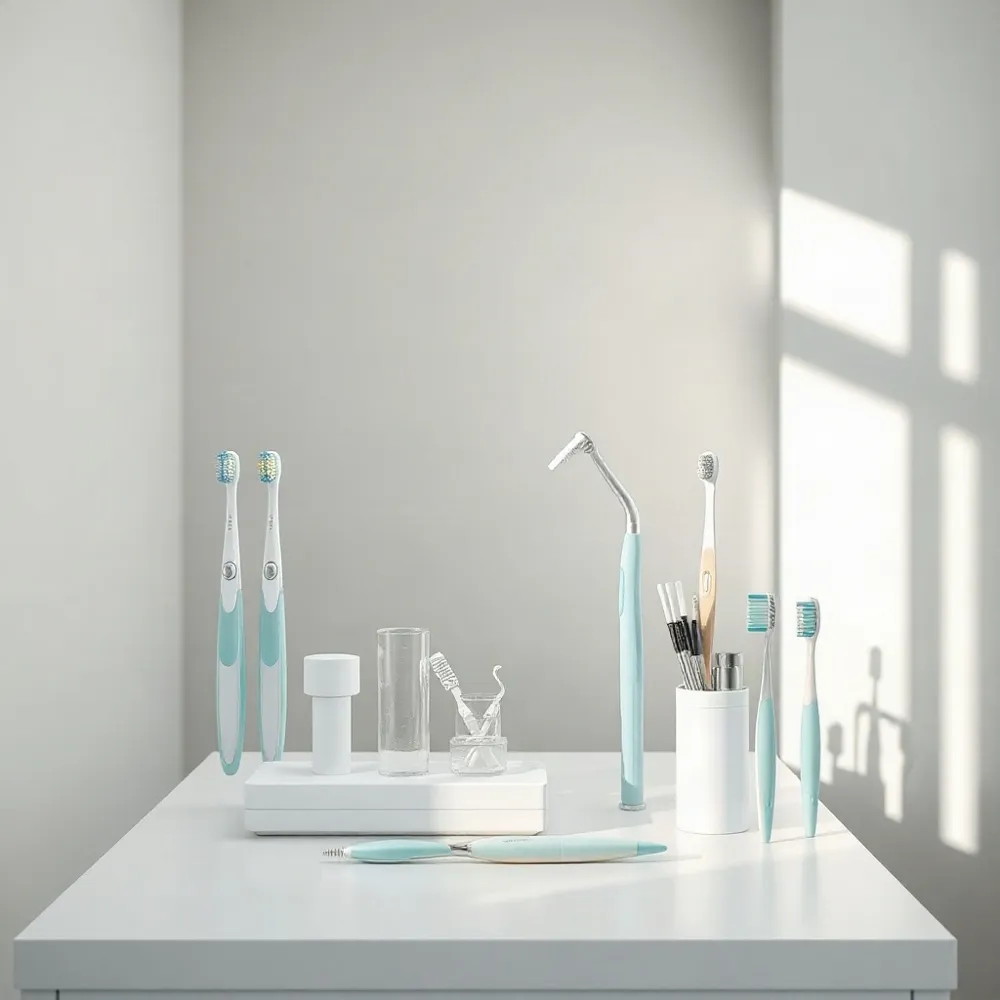
A consistent cleaning routine helps lower the risk. Brush carefully at least twice a day and after meals when possible, taking time around each bracket and along the gumline. Clean between your teeth daily with a method suited to your appliance, and use fluoride as recommended by your dental professional. Limiting frequent sugary or acidic drinks can also help protect enamel.
Keep regular dental checkups during orthodontic care so developing concerns can be identified early. At Trielle Orthodontics, personalized treatment planning and patient education can help adults understand how to care for their teeth while wearing braces or aligners.
White-looking areas can have more than one cause. A dental professional can determine whether they reflect enamel demineralization or another condition and discuss suitable care. Depending on the assessment, early enamel changes may be treated with professional fluoride or other remineralizing approaches; more established spots may need a different option. The [American Association of Orthodontists’ guidance on orthodontic treatment](https://aaoinfo.org/whats-trending/myths-about-orthodontic-treatment/) emphasizes professional monitoring and individualized care.
Understanding Costs and Coverage
How much do braces cost for adults, and what factors affect the price? A general U.S. estimate is about $3,500 to $8,000, but this is not a quote or a guarantee, and an individual estimate may fall outside that range. The American Association of Orthodontists’ cost guidance notes that fees vary by case complexity, location, and provider.
The price can also reflect treatment length, appliance type, existing dental work, and any additional care needed before or during orthodontic treatment. Metal braces may cost less than some alternatives, but the right comparison depends on the treatment required. At Trielle Orthodontics, individualized treatment planning helps connect appliance choices with each patient’s dental needs; an evaluation is needed for a personal estimate.
Does dental insurance cover adult braces, and might Medicaid help pay for treatment? Some plans provide orthodontic benefits for adults, but coverage may include age limits, lifetime maximums, waiting periods, or other restrictions. The AAO’s overview of adult orthodontic coverage advises checking plan details, since benefits vary.
Adult Medicaid orthodontic coverage is generally limited and depends on state rules and medical-necessity criteria. New Jersey residents should contact NJ FamilyCare or their health plan to confirm current eligibility and any approval requirements. Trielle Orthodontics offers flexible payment options, but patients should ask the practice directly what plans may be available and whether the office can help review insurance benefits. Confirming coverage and payment arrangements before starting can clarify the expected out-of-pocket cost.
Weighing the Commitment
 Are braces worth the cost and commitment for adults? The answer depends on your goals, oral health, budget, and how much the concerns affect daily life. Treatment may be worth considering if crowded teeth are hard to clean, your bite affects chewing, or you feel self-conscious about your smile. Aligning teeth may support easier cleaning and better bite function, but benefits vary by person.
Treatment also calls for consistent appliance care and regular progress checks. After active treatment, a retainer helps keep teeth from shifting toward their previous positions, as the American Association of Orthodontists explains. These ongoing routines are part of the decision, not an afterthought.
At Trielle Orthodontics in Union, NJ, individualized treatment planning accounts for each patient’s goals and oral health. A consultation can clarify suitable options, an expected timeline, estimated costs, insurance coverage, and available payment choices, helping you weigh the commitment against your priorities.
A Personalized Decision
Age, appearance, discomfort, treatment time, and cost can all shape an adult’s decision, but none can be judged accurately from general claims alone. An orthodontist can assess your teeth, gums, bite, and dental history, then explain which options may fit your needs. The American Association of Orthodontists’ adult orthodontics guidance also emphasizes that treatment plans and timelines vary by patient.
At Trielle Orthodontics in Union, NJ, care is planned around each patient’s needs, with options that include braces and clear aligners. Bring your goals and concerns to a consultation, ask about the expected process and costs, and weigh the answers before deciding whether treatment is right for you.