A Window Into Jaw Development
As a child grows, the upper and lower jaws develop at different rates. Their relationship affects how teeth erupt and fit together, and changes may contribute to crowding or bite concerns. The American Association of Orthodontists’ child orthodontics guidance recommends an initial check-up by age seven, when developing patterns can be assessed.
An appliance may guide jaw development or address bite and alignment concerns while a child is growing, but growth modification has limits. A bite can improve partly through tooth movement, and results vary rather than reliably reshaping every jaw according to a 2015 review.
At Trielle Orthodontics, an individualized plan takes the child’s development and treatment needs into account. An early evaluation does not automatically mean treatment is needed; the orthodontist may recommend monitoring, treatment later, or an appliance if appropriate.
When to Evaluate and How Plans Are Made
 The American Association of Orthodontists recommends a child’s first orthodontic check-up by age seven. A mix of baby and permanent teeth at this stage can help an orthodontist spot developing concerns, but an early visit does not mean treatment must start. Families who notice a possible bite or jaw problem can seek an evaluation sooner, as the AAO explains.
Many children are best served by observation and follow-up rather than immediate care. If early treatment could help, an orthodontist considers the child’s growth and the specific concern; braces may be recommended later as more permanent teeth emerge. There is no single treatment age that suits every child.
An evaluation looks at how the teeth meet, the position and symmetry of the jaws, facial growth, tooth eruption, and oral health. The orthodontist may use photographs, dental records, or X-rays when appropriate, then compare findings at later visits. At Trielle Orthodontics, treatment planning is individualized, with the aim and timing explained to families.
The plan depends partly on whether a concern involves tooth position, jaw relationships, or the width of an arch. Braces move teeth, while an expander or another growth-guiding appliance may be considered when jaw position or arch width needs attention. The choice reflects the bite problem’s severity, its effect on function, the child’s growth stage, and whether the child can follow wear instructions.
When monitoring is appropriate, periodic visits let the orthodontist track development and revisit the timing of care. Families can discuss the available options and what each is intended to address before deciding on next steps.
Appliances for Different Jaw Concerns
Functional appliances can influence how the upper jaw, or maxilla, and lower jaw, or mandible, relate while a child is growing. Some attach to the teeth, while removable devices depend on the patient wearing them as directed. Growth modification has limits, and an improved bite does not necessarily mean the jaw itself has changed; a review in the American Journal of Orthodontics and Dentofacial Orthopedics explains that correction can also involve tooth movement and varies between patients (review of facial growth modification).
Depending on the bite and growth stage, a Herbst, Twin Block, Bionator, or MARA may position the lower jaw forward, often as part of care for an excessive overbite. None is suitable for every child, and no appliance guarantees a particular amount of jaw growth. The orthodontist selects an approach after assessing the individual bite and treatment goals.
Headgear may be considered in some cases to influence upper-jaw growth or tooth movement. For children who need tooth alignment, options may include traditional metal braces, ceramic braces with tooth-colored or clear brackets, or clear aligners when appropriate. Aligners can be removed for eating and cleaning, but they require consistent wear.
At Trielle Orthodontics, appliance choice is part of an individualized plan, rather than a one-size-fits-all decision. The practice offers braces and clear aligners, with the recommended option based on the child’s needs and the treatment goals.
Whatever the appliance, professional oversight matters. Regular visits let the orthodontist check growth, fit, and progress and adjust the plan when needed. Following wear and care instructions helps patients get the intended function from fixed or removable devices.
When Upper Jaw Expansion May Help
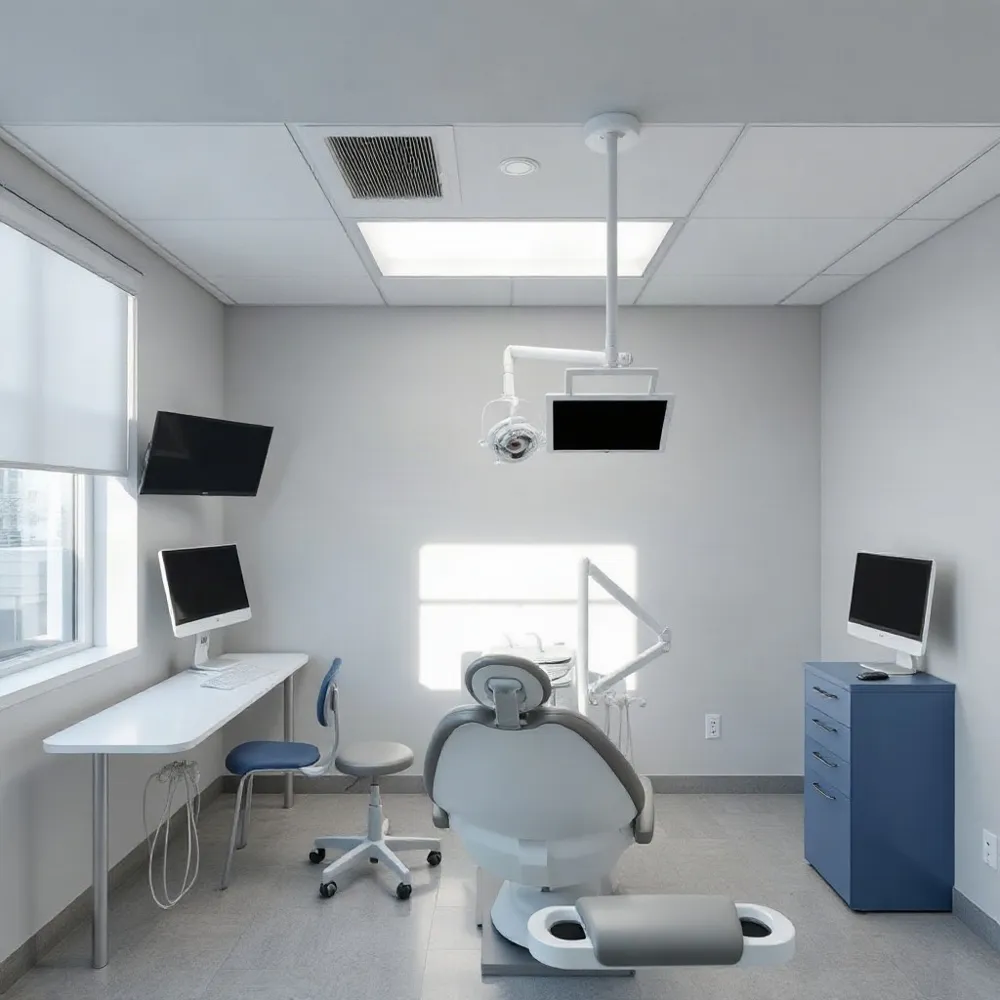 A narrow upper jaw can contribute to a crossbite or leave too little room for teeth. When those concerns appear, an orthodontist may consider a palatal expander, which applies gradual pressure to widen the upper jaw. Expansion may improve the bite or create space, but it does not guarantee that a child will avoid extractions or other treatment.
Timing matters because the palate is generally more responsive while a child is still growing. The American Association of Orthodontists’ guidance on palatal expansion explains that expansion can be used during growth, but it does not set one age as the right cutoff for every child. An orthodontist considers development and the specific bite concern.
As the midpalatal suture, the joint between the two halves of the palate, matures and fuses, expansion without surgery becomes less predictable. That does not mean there is a single age when an expander is automatically too late. Older teens and adults may have other options, sometimes including surgically assisted expansion, depending on their needs.
An assessment of jaw growth, tooth development, and how the bite fits together helps determine whether expansion is appropriate. At Trielle Orthodontics, treatment planning is individualized, so a narrow jaw or crowded teeth are reasons to evaluate, not proof that an expander is needed.
Braces, Bite Function, and Jaw Symptoms
Braces and jaw-guiding appliances can be part of the same plan, but they do different work. Braces mainly move teeth; growth-modifying appliances may influence how the jaws relate while a child is still growing. At Trielle Orthodontics, an individualized treatment plan can account for both tooth position and jaw development, using a growth appliance when appropriate.
Growth modification has limits, and an improved bite does not necessarily mean the jaw itself changed. Some correction may come from moving teeth, and the balance varies from patient to patient. A 2015 review explains that growth effects are difficult to predict and can be modest, so treatment goals should be discussed as possibilities rather than guarantees (review of facial growth modification.
Addressing an overbite, underbite, or crossbite may help teeth meet more evenly and support biting and chewing. Orthodontic care does not guarantee a particular facial change or prevent every jaw-joint problem. Properly planned braces do not typically cause jaw problems, though temporary tooth or jaw soreness can occur during treatment.
Tell your orthodontist about persistent pain, locking, difficulty opening your mouth, or trouble chewing. These symptoms can have causes unrelated to braces and deserve assessment. Trielle Orthodontics can review symptoms alongside treatment progress and adjust the plan if needed.
Living With a Herbst Appliance
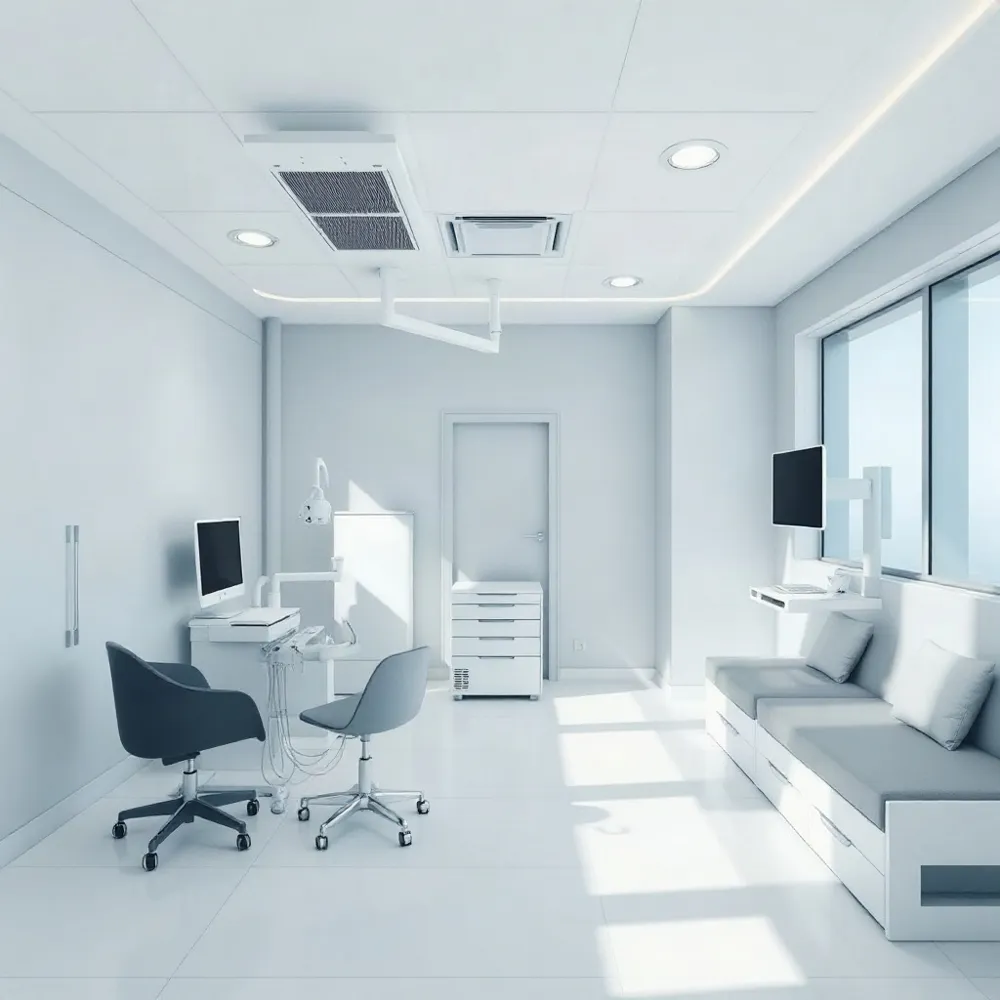 A Herbst appliance is usually fixed to the upper and lower teeth, connecting them to guide the lower jaw forward. Its purpose is to improve the bite, but that does not mean the jaw itself will change by the same amount: correction can also involve tooth movement, and individual responses vary. A review of growth-modification research cautions that lasting skeletal changes are limited and difficult to predict.
During the adjustment period, a patient may notice pressure, tender jaw muscles, sore teeth, or mild irritation where the appliance rubs the cheeks or gums. These sensations generally ease as the mouth adapts. Soft foods may be more comfortable during the first week or two, and orthodontic wax can help protect irritated areas.
Avoid sticky, hard, and crunchy foods that could loosen or damage the appliance, and follow the orthodontist’s cleaning and care instructions. Contact the office if pain is severe or persists, or if the appliance feels loose or breaks. At Trielle Orthodontics, appliance recommendations are part of an individualized treatment plan, with follow-up visits to check fit and progress.
Some forward positioning or bite correction can shift after the Herbst is removed as the teeth and bite settle. The amount varies and may relate to continued growth, tooth movement, the original jaw discrepancy, or how closely the patient follows the retention plan. Keep scheduled checkups and wear prescribed retainers; Trielle Orthodontics includes ongoing guidance as part of personalized orthodontic care.
Costs and Payment Conversations
Children’s braces often cost about $3,000 to $7,000 in the United States, but this is a general estimate, not a quote. The final amount depends on the appliance, case complexity, and treatment length. Metal braces are often less expensive than ceramic braces or clear aligners, while early or Phase One care can affect the overall cost.
Before starting, check whether your dental insurance covers orthodontic care for children, along with any age limits, exclusions, or lifetime maximums. Depending on eligibility and the plan, families may also be able to use FSA or HSA funds. Monthly installments, upfront-payment discounts, or discounts for treating multiple family members may be available.
At a consultation, Trielle Orthodontics can explain the recommended treatment and discuss available payment options for your family.
Guidance Begins With an Individual Plan
Appliances can guide developing jaws, but they cannot predictably reshape every jaw or guarantee a particular result. An orthodontic evaluation helps families understand whether observation, an appliance, braces, or a combination fits a child’s needs, and when care should begin. The American Association of Orthodontists’ guidance on early evaluation emphasizes that an early check-up does not mean treatment must start right away.
At Trielle Orthodontics, treatment planning is individualized, with options such as growth appliances for young patients considered in light of each child’s development. Growth, consistent cooperation with appliance instructions, and follow-up visits all affect how treatment progresses. Retention may help maintain tooth positions after active care, with recommendations based on the completed plan.