Treatment Depends on Daily Habits
Invisalign treatment uses a series of custom-made, removable aligners to guide teeth gradually toward planned positions. Each tray is designed for a stage of that movement, but it can apply pressure only while it is in place.
That makes daily habits part of the treatment plan. Patients need to follow their orthodontist’s instructions for wearing and changing aligners, care for their teeth and trays, and attend follow-up visits so progress can be checked.
At Trielle Orthodontics, individualized treatment plans and patient education help people understand how to fit aligner care into everyday life. The practical steps that follow can help make consistent wear, cleaning, and communication easier to maintain.
Build Consistent Wear Into Your Day
 Most Invisalign treatment plans call for wearing aligners 20 to 22 hours a day, with about 22 hours generally the goal. Your orthodontist’s instructions take precedence because the schedule is tailored to your treatment. Trielle Orthodontics creates individualized treatment plans, so patients should follow the wear guidance provided for their own case.
Remove aligners for meals, drinks other than plain water, brushing, and flossing. Put them back in promptly after these breaks. Wearing them for less time than directed on a regular basis may slow progress or affect how well the trays fit.
What is the 30-minute rule for Invisalign?
The 30-minute rule is general guidance to reinsert aligners within about 30 minutes after eating, having a drink other than water, or cleaning your teeth. After meals, brush and floss first when possible. If you cannot brush right away, rinse your mouth thoroughly with water before putting the aligners back in.
Some guidance recommends waiting about 30 minutes after acidic food or drinks before brushing, since acid can temporarily soften enamel. Ask your orthodontist how to manage this advice alongside your wear schedule.
A few simple habits can help protect daily wear time:
- Plan meals and aligner breaks, and avoid stretching removal periods.
- Set a reminder or timer for putting trays back in.
- Carry the aligner case so you have a safe place to store trays during meals.
- Connect reinsertion to a routine, such as brushing after breakfast or dinner.
If your schedule makes the prescribed wear time difficult, discuss it with your orthodontist rather than changing the plan yourself. At Trielle Orthodontics, individualized care means wear instructions can be discussed in the context of your treatment.
Care for Aligners and Teeth
 Good cleaning habits help keep aligners clear and support oral health during treatment. Rinse them with lukewarm water whenever you remove them, then gently brush them each day with a soft toothbrush and a cleaner recommended by your orthodontist. Avoid regular toothpaste, which may be abrasive, and hot water, which can warp the plastic. For a deeper clean, use cleaning crystals or another product approved by your orthodontist, following its directions.
Remove aligners before eating or drinking anything other than water. When possible, brush and floss before putting them back in so food and plaque are less likely to become trapped between the teeth and trays. Trielle Orthodontics creates individualized treatment plans, so ask your orthodontist which cleaning products and methods suit your aligners.
Keep aligners in their case whenever they are out of your mouth. This simple step can help prevent loss or accidental disposal. Routine dental and orthodontic appointments also give your care team a chance to check oral health and monitor treatment progress.
If you notice staining, an unusual odor, damage, or uncertainty about how to clean your trays, contact your orthodontist for advice rather than trying an unapproved product or method.
Recognize When Treatment Falls Behind
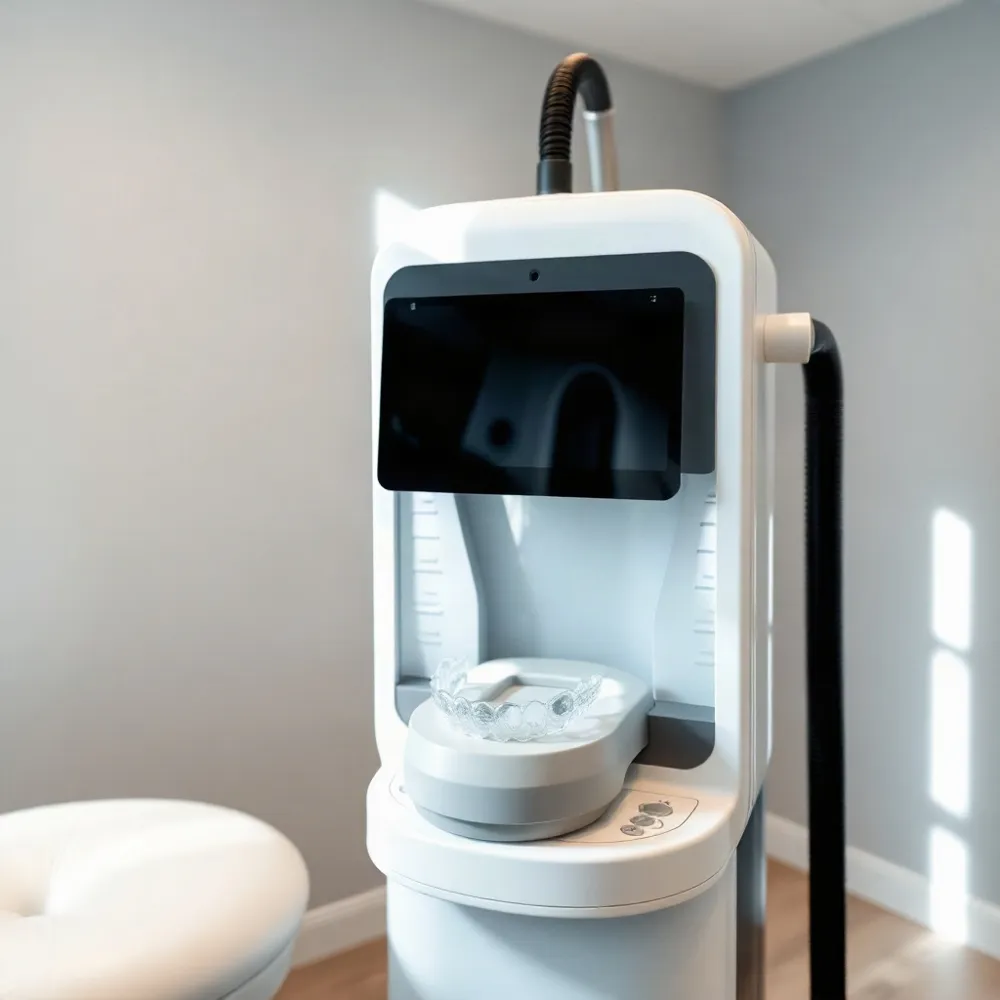 Aligners guide teeth by applying steady pressure. If they are out for long stretches or removed often, that pressure is interrupted, and teeth may drift away from the planned positions. A brief lapse is different from a repeated pattern: missing an hour or two occasionally may not undo progress, but regular shortfalls can slow treatment and extend the schedule.
After a longer gap, an aligner may feel tight or uncomfortable when you put it back in. A tray that no longer fits snugly, visible spaces between the aligner and teeth, or a next tray that will not seat as expected can suggest that teeth are not tracking with the plan. These signs are a reason to contact your orthodontist, not to force the tray into place.
Do not switch to the next tray early or change your wear schedule to make up missed time without professional guidance. Your orthodontist can assess the fit and decide whether to continue with the current tray for longer, arrange an extra checkup, or consider refinement aligners if teeth have not reached their planned positions. At Trielle Orthodontics, individualized treatment plans and ongoing care give patients a place to raise concerns and receive guidance suited to their case.
What are Invisalign compliance indicators, and how do they work?
Some aligners, particularly Invisalign Teen, include small blue compliance indicators. Saliva gradually fades the marks, offering a visual clue about wear habits. They do not record exact wear time, and their appearance cannot confirm whether teeth are moving as planned. Ask your orthodontist whether your aligners include indicators, and treat them as a prompt for discussion, not a substitute for checkups or clinical assessment.
Set Expectations for the Treatment Journey
The treatment timeline depends on the movements needed, including the amount of crowding or spacing and any bite concerns. Consistent wear and progress at checkups also matter. A general estimate is about 9 to 18 months, with simpler cases sometimes taking around six months and more complex cases lasting 24 months or longer. These ranges are not a prediction for an individual.
At Trielle Orthodontics, an examination and personalized treatment plan help establish a more useful estimate for your smile. Your orthodontist will also set the schedule for changing aligners. Although change intervals vary, wait for your orthodontist’s direction before moving to the next set, even if a tray seems ready to change.
How long does Invisalign treatment usually take?
New aligners can bring temporary pressure, soreness, tooth sensitivity, or discomfort while chewing. Some people also notice a brief lisp as their mouth adjusts. These experiences can differ from person to person, and persistent pain or a poor fit should be discussed with your orthodontist rather than addressed by changing the treatment schedule yourself.
What are common challenges or complaints with Invisalign?
Daily routines may take some adjustment, too. You need to remove aligners for meals and most drinks, clean your teeth before putting them back in, and remember to reinsert them promptly. At Trielle Orthodontics, regular check-ins give the care team a chance to monitor progress and discuss concerns as treatment moves forward.
Plan for Cost and Protect Your Results
There is no single fixed price for Invisalign treatment. The orthodontist can estimate the cost after evaluating your smile and discussing the treatment plan. In general, clear aligner treatment may be comparable in cost to braces, but the fee depends on the needs of each patient.
Factors that can affect the total include the complexity of tooth movements, the number of aligners required, the length of treatment, and which services are included. Insurance may cover part of the cost when a plan includes orthodontic benefits, though coverage varies. At a consultation with Trielle Orthodontics, patients can ask about the full fee, estimated insurance contribution, payment plans, and financing options to understand their likely out-of-pocket cost.
How much does Invisalign treatment cost, and what can affect the price?
A personalized estimate is more useful than a general price range because treatment needs differ. Ask whether the quoted fee includes follow-up visits and any additional services that may be needed during care, as well as how insurance benefits would be applied.
Do you need to wear a retainer after Invisalign treatment?
Yes. After active treatment, a retainer helps hold teeth in their achieved positions while nearby bone and tissues adjust. Teeth can shift over time, so wearing the retainer as directed helps protect the result. Your orthodontist will recommend the retainer type and schedule for your needs. Removable retainers may be worn more often at first and then mainly at night, while fixed retainers remain attached.
Long-term care also means keeping professional follow-up appointments as advised and telling the care team if a retainer feels damaged, no longer fits, or raises other concerns. Trielle Orthodontics provides individualized orthodontic treatment plans, so retainer guidance can be discussed in the context of each patient’s care.
Consistency Makes Progress Possible
Successful aligner treatment involves more than receiving a set of trays. Daily wear, careful cleaning, scheduled check-ins, and honest communication help your orthodontist assess whether treatment is progressing as planned. After active treatment, wearing a retainer as directed helps maintain the result.
At Trielle Orthodontics, care is shaped around an individualized treatment plan, so questions about fit, discomfort, wear time, or care instructions are best discussed with your orthodontist. If cost or daily routines make the plan difficult to follow, raise that early as well. A conversation can help clarify your options and support steady habits without assuming every patient follows the same path.