Celebrating Your New Smile
Completing orthodontic treatment is a milestone worth celebrating. Your new smile reflects months or years of patience, and it is natural to want to keep it looking that way for life.
Preserving your results takes ongoing care. This guide walks through the essentials: wearing and maintaining your retainer, practicing smart oral hygiene, and adopting everyday habits that protect your alignment.
The Science of Relapse and Why Retainers Matter
 When braces or aligners come off, your teeth are not permanently locked in their new positions. The bone and tissues surrounding them need time to rebuild and stabilize. Without support, teeth have a natural tendency to drift back toward their original alignment, a process known as orthodontic relapse.
The AAO explains that the bone holding your teeth in place continually breaks down and rebuilds. After active treatment, forces from biting, chewing, and speaking can easily shift teeth that have not yet settled. This is where your retainer becomes essential.
A retainer holds your teeth in their corrected positions while the bone and ligaments adapt to the new alignment. This stabilization period is most critical immediately after appliance removal, as the cementum (the tissue layer holding each tooth in its socket) has been stretched and weakened during treatment.
The consequences of skipping retainer wear are direct and measurable. Skipping a few days can allow noticeable movement to begin. Over weeks and months, gaps, crowding, and bite changes can reappear, undoing the progress achieved through months or years of orthodontic care.
Once significant relapse has occurred, your retainer may no longer fit, and the orthodontist may need to intervene with a new treatment plan to realign the teeth. This can mean additional appointments, extended wear of appliances, and extra costs that were avoidable with consistent retainer use.
Trielle Orthodontics emphasizes the importance of following your retainer prescription from day one. By wearing retainers exactly as directed, you protect the investment you have made in your smile and avoid the disappointment and expense of needing corrective treatment later.
Retainers fulfill their purpose only when they are in the mouth. The simple daily act of wearing them is what transforms short-term orthodontic results into a lifetime of straight, healthy teeth.
Your Retainer Wear Schedule for Life
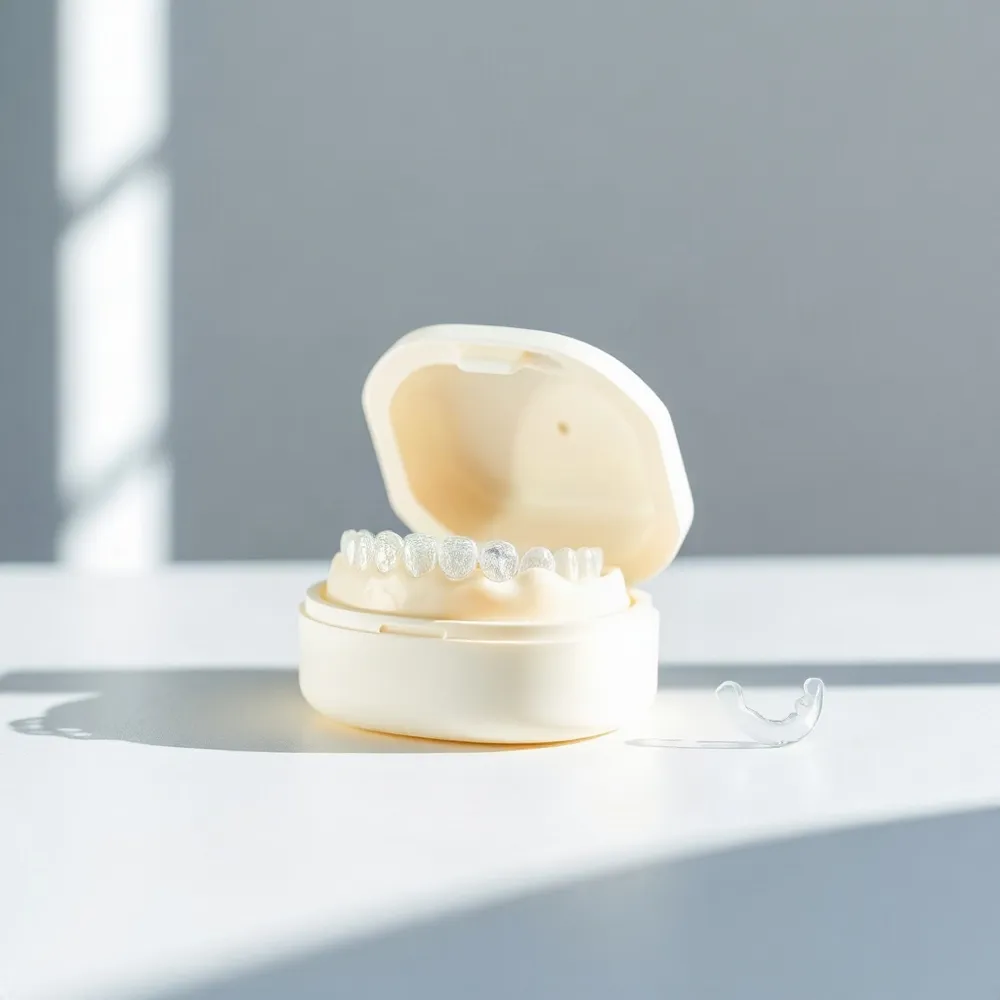 The single most important step you take after braces come off is wearing your retainer exactly as directed. The timeline is straightforward: initial full-time wear, a transition to nights only, and then lifelong maintenance.
For the first 3 to 6 months after treatment, you should wear your retainer for about 20 to 22 hours each day. Remove it only for meals and your oral hygiene routine. During this phase the bone and ligaments around your teeth are still stabilizing, so consistent wear prevents the natural forces of chewing and speaking from causing a relapse.
After the initial full‑time period, your orthodontist will guide you to nighttime-only wear. Most patients switch to wearing the retainer every night while they sleep, indefinitely. Teeth continue to shift slowly throughout life due to aging and everyday pressure, so lifelong nighttime use is what keeps your smile aligned for the long haul.
At Trielle Orthodontics, every patient receives a personalized retainer plan built around their specific case. Whether you use a removable retainer or a fixed bonded wire, your orthodontist will outline the exact schedule you need to follow and adjust it at follow‑up visits if necessary. Consistency is what protects the investment you made in your smile.
Types of Retainers and How to Care for Them
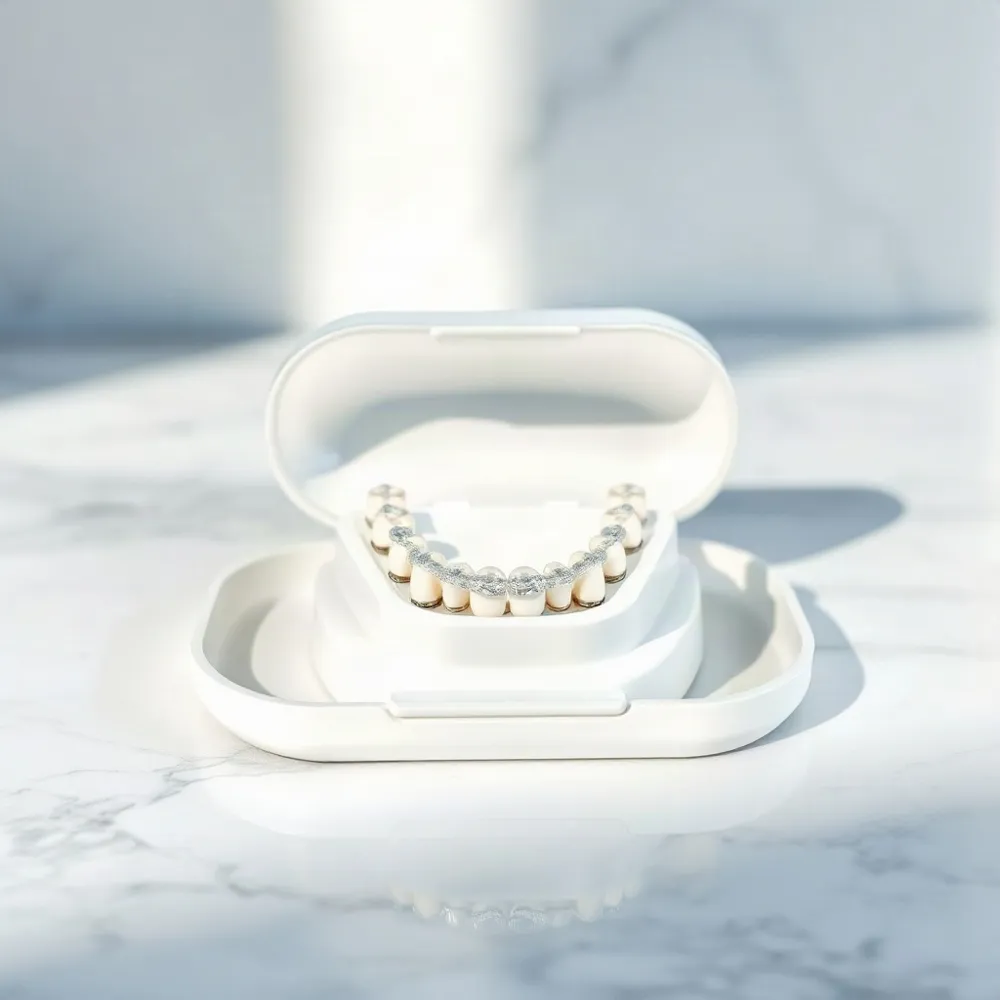
Removable Retainers
Hawley. The classic option with a plastic base and a metal wire that crosses the front of the teeth. It is durable, adjustable, and can be personalized with colors.
Essix / Clear. A transparent, nearly invisible plastic retainer that fits like a clear aligner. It is less visible but can warp from heat and may discolor over time.
Vivera. A custom-molded, clear retainer made from advanced materials for a comfortable and durable fit. It resists staining better than standard clear plastic.
Fixed (Bonded) Retainers
A fixed retainer is a thin wire permanently bonded to the back of the teeth. It stays in place 24/7 and can last for years. Cleaning requires extra effort: use a floss threader to clean between the wire and teeth, and brush carefully around the bonded areas.
Daily Cleaning Best Practices
Clean removable retainers daily by rinsing them with lukewarm water and brushing gently with a soft toothbrush and mild soap. Do not use toothpaste, as its abrasives can create micro-scratches that trap bacteria. For fixed retainers, brush and floss as usual, paying extra attention to the wire area.
Avoid hot water, harsh chemicals like bleach, or abrasive cleaners, which can warp or degrade the retainer. Store removable retainers in a protective case when not in use, and keep the case away from pets and heat sources.
A family of four at Trielle Orthodontics follows this simple routine: rinse after each meal, brush with soap every evening, and soak in a retainer-cleaning solution once a week. This keeps their retainers fresh, odor-free, and fitting well for years.
Post-Treatment Oral Hygiene Routine
Once your braces or aligners are removed, the same brackets and wires that trapped plaque are gone, but your teeth need continued care to stay healthy and bright. A consistent daily routine protects the investment you have made in your smile.
Brush twice each day for a full two minutes with a soft-bristled toothbrush and fluoride toothpaste. Angle the brush toward the gumline and use small circular motions, spending 30 seconds on each quadrant of your mouth. After brushing, floss daily using traditional floss, floss threaders, or a water flosser to remove debris between teeth and along the gumline. At night, rinse with an alcohol-free fluoride or antimicrobial mouthwash for one minute to protect enamel and eliminate any remaining particles.
Schedule a professional cleaning soon after braces come off (within one to two weeks) to remove plaque and tartar that may have accumulated around brackets and wires. This cleaning reveals your straightened smile in its brightest state. Continue with routine professional cleanings every six months to maintain oral health and catch any early signs of decay or gum issues.
If white spots or discoloration remain after cleaning, your orthodontic team can recommend whitening options. For patients at Trielle Orthodontics in Union, NJ, personalized care plans include guidance on post-treatment hygiene tools and products suited to your specific needs.
Protecting Your Smile on the Go and in Everyday Life
Your On-the-Go Care Kit
Keeping your smile in top shape doesn't stop when you leave the house. Pack a compact care kit with a travel toothbrush, mini fluoride toothpaste, floss picks, and a small interdental brush. A travel-size mouthrinse helps after meals away from home. Include orthodontic wax to cover any poking wires until you can see your orthodontist. At Trielle Orthodontics, we recommend keeping this kit in your backpack, gym bag, or car so you're always prepared.
Sports, Grinding, and Mouth Protection
If you play contact sports, wear a custom mouthguard to protect both your teeth and your retainer. The AAO notes that physical activity is fine after treatment, but a mouthguard is recommended. For patients who grind their teeth at night (bruxism), a custom nightguard prevents enamel wear and protects your retainer from damage. Your orthodontist can fit you for one during a follow-up visit.
Diet Adjustments for Lasting Results
Avoid. Hard, sticky, and sugary foods like caramel, popcorn, nuts, and ice can damage retainers and increase cavity risk. Nail-biting and chewing pens also put unnecessary pressure on your alignment.
Choose. Crunchy vegetables, apples, pears, and calcium-rich dairy support strong teeth and healthy gums. Water helps rinse away food particles and keeps your mouth hydrated.
Relearning to Smile with Confidence
After braces or aligners, it can feel strange to smile freely. Practice in the mirror: start with a natural closed-lip smile, then try a wider open smile to see how your new alignment looks. Smiling releases positive hormones that can boost your mood. Gentle oral hygiene and consistent retainer wear, as recommended at Trielle Orthodontics, keep your results photo-ready. Over time, relaxed practice turns your new smile into a natural, effortless expression.
Follow-Up Appointments and Long-Term Checkups
Orthodontic treatment does not end when the braces or aligners come off. Long-term success depends on regular follow-up appointments that catch small problems before they become big ones. Most orthodontists recommend checkups every 6 to 12 months to monitor tooth stability, confirm that the retainer still fits correctly, and spot early signs of shifting.
What Your Orthodontist Checks
During a follow-up visit, the orthodontist evaluates the bite, examines overall alignment, and tests the fit of your retainer. They may clean or adjust the retainer and look for cracks, warping, or loose wires. If the retainer feels tight or no longer seats correctly, it could mean teeth have moved slightly, and early adjustment can prevent the need for more extensive treatment later.
Routine Dental Cleanings Still Matter
Regular six-month cleanings with your general dentist are just as important after orthodontic treatment as they are during it. A professional cleaning removes plaque and tartar that daily brushing might miss, and it gives the dentist a chance to check for cavities, white spot lesions, gum disease, or enamel changes. Many orthodontists also recommend an initial post-treatment cleaning within one to two weeks of brace removal.
When to Contact Your Orthodontist
Between scheduled visits, contact your orthodontist if you notice any of the following: a retainer that feels noticeably tighter or looser than before, visible gaps between the retainer and your teeth, cracks or warping in the appliance, discomfort when wearing it, or a change in your bite. Do not try to adjust a retainer yourself, as doing so can damage it or shift teeth in the wrong direction.
At Trielle Orthodontics in Union, NJ, the team builds long-term follow-up into every treatment plan, helping patients stay on track with retainer wear and addressing any alignment concerns before relapse can occur. Combined with consistent home care, these regular checkups give your smile the best chance of staying straight for life.
Finishing Touches: Reshaping and Whitening
After braces or aligners come off, a small detail can make a big difference in your smile's final appearance. Orthodontists can reshape your teeth in a painless, office-based procedure called enameloplasty that smooths uneven edges, corrects minor chips, and refines your bite.
No numbing or drilling is needed. The orthodontist removes only about 0.2 to 0.5 mm of outer enamel in a 5 to 15 minute session. Each case is unique, so your orthodontist will assess whether any subtle sculpting will enhance your final results.
White spot lesions, which appear as chalky, opaque areas on teeth from demineralization around brackets, are another common concern. After braces removal, it is best to wait a few weeks before any professional whitening to let enamel stabilize. At that point, in-office whitening treatments can even out discoloration.
Whitening toothpaste contains abrasives and should not be used during active treatment because it creates uneven color across the teeth. After braces are removed, stick to a standard fluoride toothpaste and let a professional handle any brightening. Routine cleanings at your general dentist and enamel-strengthening products, such as fluoride mouth rinses, also help address remaining spots.
For patients who show excessive gum tissue when smiling, orthodontic treatment can often adjust tooth position and jaw alignment to reduce a gummy smile. In some cases, additional procedures like gum contouring may be recommended. A personalized evaluation will determine the right approach for your situation.
Commitment to Your Smile for Life
Maintaining your new smile comes down to four habits: wearing your retainer, brushing and flossing daily, making smart diet choices, and keeping your checkup appointments. Each habit protects the investment you made in your orthodontic treatment.
The team at Trielle Orthodontics in Union, NJ is here to support you through every stage of your smile journey. With personalized care and modern treatment options, they help you keep your results looking great for life.