Care Beyond the Trays
Clear aligners are removable and discreet, but caring for them involves more than keeping the trays clean. Food debris and bacteria can collect on aligner surfaces, while residue left on teeth may be held against enamel when trays are back in place. A systematic review of clear-aligner cleaning notes that biofilm can form during wear, though evidence has not established one best cleaning method.
A practical routine covers both the trays and the teeth: rinse and clean aligners gently, brush and floss before reinserting them after meals, and store them in their case whenever they are out. The Healthline aligner-cleaning guide offers general steps, but your orthodontist’s instructions should guide product choices and care for your specific appliance.
At Trielle Orthodontics in Union, NJ, clear aligner care sits within personalized treatment plans and patient education. Consistent daily habits, along with scheduled orthodontic guidance, help protect oral health and keep trays ready for wear.
Clean Trays Gently and Consistently
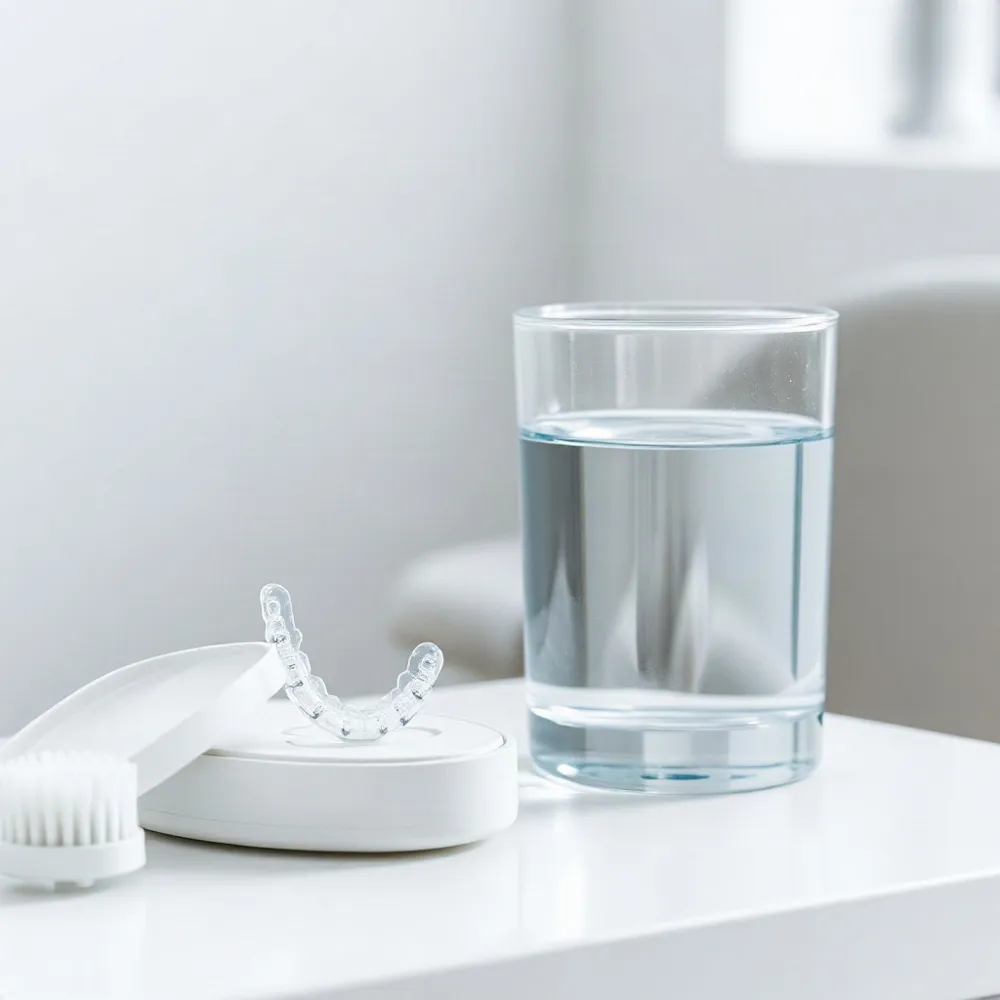 Clear aligners collect saliva, food debris, and biofilm during wear. Buildup can make trays smell or look cloudy, and may affect comfort. A systematic review describes these concerns while noting that research has not established one best cleaning method (review of aligner-cleaning protocols).
Rinse your trays with cool or lukewarm water whenever you remove them. At least once daily, gently brush the inside, outside, edges, and any hard-to-reach areas with a soft-bristled toothbrush and a small amount of clear, mild liquid soap. A nightly routine can help make cleaning consistent; Healthline’s aligner-cleaning guidance also recommends a separate soft brush and thorough rinsing.
Cleaning crystals or tablets made for clear aligners are optional. Follow the product directions and rinse the trays thoroughly before putting them back in. Since cleaning advice can vary with the aligner material, Trielle Orthodontics provides individualized orthodontic care, making your treating provider’s instructions the best guide for choosing products.
Avoid hot water, which may warp the plastic, and toothpaste or abrasive cleaners, which can scratch the surface. Colored or strongly scented soaps may stain the trays or leave residue and an unpleasant taste. If cloudiness, odor, or staining persists despite regular cleaning, ask your orthodontist before trying a stronger product or device.
Protect Teeth Between Meals
Removable aligners make it easier to brush and floss than fixed braces, but they do not replace either habit. Because trays sit snugly over the teeth, leftover food or sugary residue may stay against enamel and contribute to cavities or gum irritation. A 2022 systematic review discusses these potential oral-health concerns and notes that aligners can retain biofilm during wear (review of aligner cleaning protocols.
Brush twice daily with fluoride toothpaste and floss once a day. When practical, brush and floss after meals before putting your trays back in. If you cannot brush right away, rinse your mouth thoroughly with water, then clean your teeth as soon as you can. Trielle Orthodontics provides individualized treatment plans and patient education, so patients can ask their orthodontic team how to fit these habits around their care.
Keep routine dental examinations and professional cleanings alongside orthodontic appointments. Your orthodontist monitors tooth movement and tray fit, while your dentist checks your teeth and gums. If gum soreness, swelling, or bleeding persists, contact a dental professional rather than waiting for a routine visit.
Eat and Drink With Trays Removed
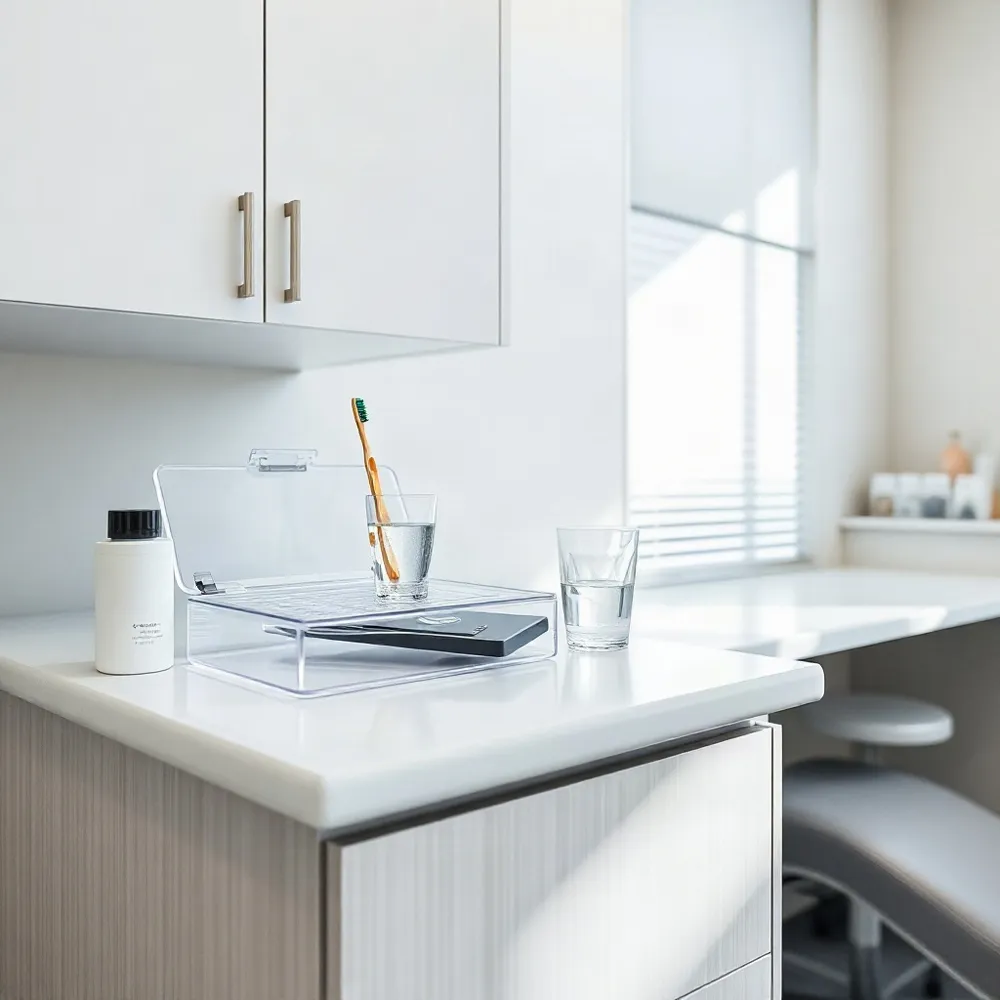 Remove clear aligners before eating and before drinking anything other than plain, cool or room-temperature water. Chewing with trays in can damage or stain them, and food residue may become trapped against your teeth. Research on clear aligners notes that biofilm can also collect on tray surfaces, so follow your orthodontist’s instructions for care during treatment (systematic review of aligner-cleaning protocols.
Once your aligners are out, you generally do not need to avoid particular foods just because you are having orthodontic treatment. Hard or crunchy foods may feel uncomfortable when your teeth are tender, such as after starting a new set, so choose foods that feel manageable. At Trielle Orthodontics, treatment plans are individualized, and patients can ask their orthodontic team how to handle discomfort or questions about their trays.
Heat can distort aligner material, while sugary or acidic drinks can expose teeth to risks when residue remains against them. Dark-colored drinks, including coffee and tea, may stain trays. Remove aligners before having these beverages, and choose plain water while wearing them.
After eating or drinking, brush your teeth before reinserting your aligners when possible. If you cannot brush right away, rinse your mouth thoroughly with water as a temporary step. Keep the removed trays in their case rather than a napkin or on an exposed surface, where they can be misplaced or damaged. Trielle Orthodontics provides patient education as part of its personalized orthodontic care, so ask your team for guidance that fits your treatment plan.
Balance Wear Time and Brushing
The “30-minute rule” is a guideline for brushing after acidic foods or drinks, not a reason to leave aligners out for half an hour after every meal. Acid temporarily softens enamel, so brushing immediately afterward may contribute to wear. Rinse with water and wait about 30 minutes before brushing if you have had something acidic.
While you wait, drink plain water and keep your trays out only as long as needed for eating and cleaning. Once you have brushed, put them back in promptly. If brushing is not practical right away, rinse your mouth with water and brush when you can before reinserting the trays.
Many treatment plans call for wearing aligners around 20 to 22 hours a day, but the schedule set by your orthodontist takes precedence. At Trielle Orthodontics, individualized treatment plans guide care, so ask your orthodontist how to handle brushing after acidic meals while meeting your prescribed wear time.
For more on aligner wear-time guidance, see Healthline’s overview of cleaning and caring for clear aligners.
Keep Trays Clear and Stain Free
Coffee, tea, dark sauces, and strongly colored foods can stain teeth or leave residue beneath aligners. Remove trays before eating or drinking anything other than plain water, and rinse your mouth with water after colorful foods or drinks before brushing and reinserting them.
Clean aligners daily with a soft brush and a gentle cleanser approved by your orthodontist. Rinse them with cool or lukewarm water, not hot water, which may affect their shape. Biofilm and deposits can reduce tray clarity, though research has not established one best cleaning method; the evidence remains limited systematic review of aligner cleaning.
Brush twice a day with fluoride toothpaste and floss daily, paying attention to the gumline. Regular professional cleanings help remove buildup that home care may miss. At Trielle Orthodontics, personalized treatment plans and patient education help patients follow care guidance suited to their treatment.
Tobacco, residue, and inadequate tray cleaning can contribute to discoloration or cloudiness. Avoid applying whitening products or harsh cleaners to aligners unless your orthodontist recommends them. If discoloration or chalky white spots persist, ask your dentist or orthodontist for advice; cleaning guidance for clear aligners also recommends seeking professional help when cleaning is difficult.
Adjust to Treatment and Its Tradeoffs
A new set of clear aligners may feel snug and cause mild pressure or tooth soreness, particularly during the first day or two. Temporary speech changes, extra saliva, and mild gum tenderness can also occur as your mouth adjusts.
For tenderness, choose soft foods for a short time, drink water, and try reading aloud if your speech feels different. If you consider an over-the-counter pain reliever, follow its label and check that it is safe for you. Mild pressure can accompany tooth movement, but severe or persistent pain calls for advice from your orthodontic team.
Removable trays bring practical responsibilities: take them out for meals and drinks other than water, clean your teeth before putting them back, and keep track of where you place them. A 2022 systematic review of aligner cleaning notes that a multi-step cleaning routine can take time, making a realistic daily routine important. At Trielle Orthodontics, individualized treatment planning and patient education help patients understand the care their plan requires.
Wear aligners for the schedule your orthodontist prescribes. Many plans call for roughly 20 to 22 hours a day, and forgetting to reinsert trays can reduce wear time and interfere with progress. Some patients also notice an edge rubbing the cheek or tongue; contact your orthodontic team rather than trimming or altering a tray yourself.
Aligners may not suit every complex tooth or jaw concern, and another orthodontic approach may be needed. An evaluation can help determine whether clear aligners fit your needs. Trielle Orthodontics offers personalized orthodontic care, including clear aligners and braces, so the treatment discussion can account for different options. Contact the office if a tray cracks, causes ongoing irritation, or no longer fits properly.
Plan for Treatment and Retention
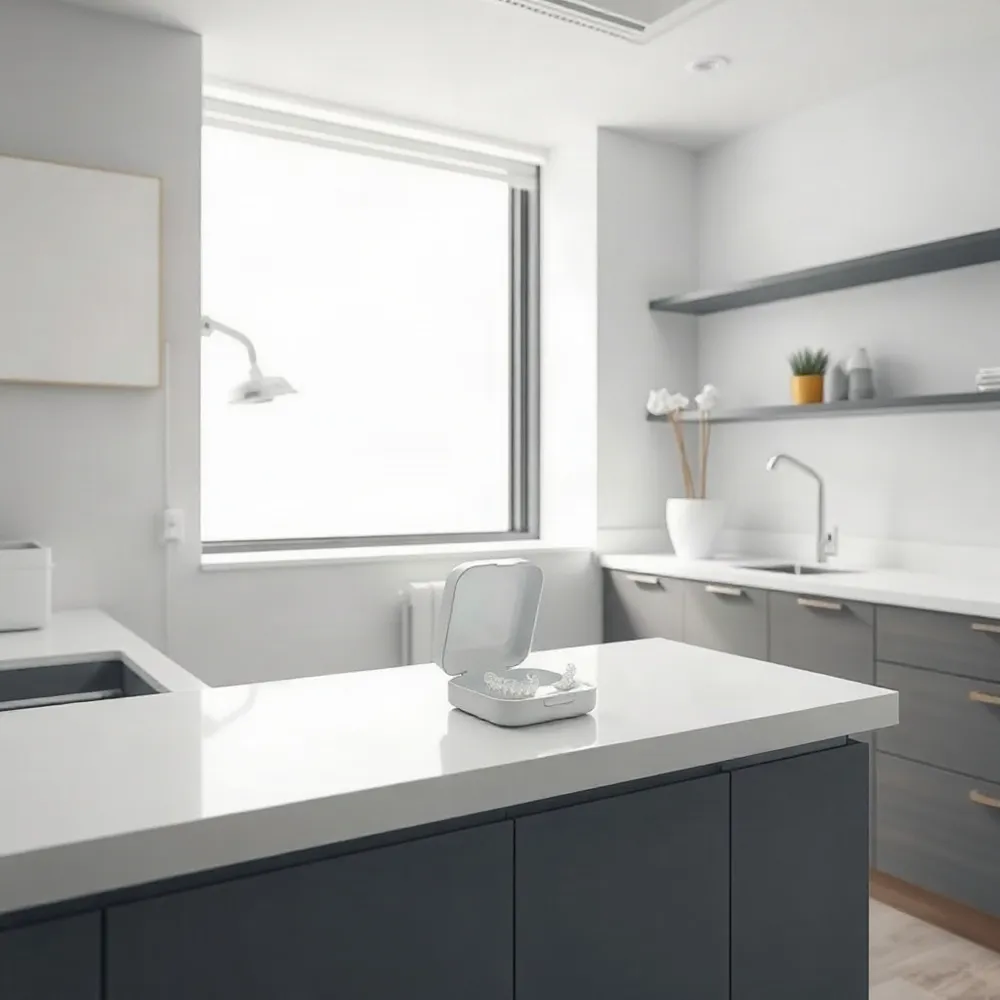 Clear aligner treatment often takes about 6 to 18 months, though the time depends on the tooth movements needed. Mild crowding or small gaps may take less time, while complex movements or bite corrections can extend treatment. A two-year plan is not typical for everyone, but may be reasonable in a complex case. At Trielle Orthodontics, an exam and digital scan help the orthodontist assess your needs and develop an individualized treatment plan.
Wearing trays as directed and attending check-ins gives the orthodontist a chance to assess fit and progress. If treatment is taking longer than expected, the team can review what may be affecting tooth movement and discuss next steps.
After active treatment, retainers help maintain your result. Rinse them whenever you remove them, and gently brush them daily with a separate soft toothbrush and mild, clear soap. A retainer-cleaning product can provide a periodic deeper clean; follow its directions. For general guidance on cleaning removable appliances, see Healthline’s aligner-care recommendations.
Avoid toothpaste, hot water, and harsh or alcohol-based cleaners, which may scratch or distort clear retainers. Rinse before reinserting, store them in a protective case, clean the case regularly, and keep retainers away from pets. Follow your orthodontist’s wear instructions. Contact the office if a retainer cracks, changes shape, or no longer fits comfortably. Trielle Orthodontics provides patient education and individualized guidance, including advice on retainer care after treatment.
Make Care a Daily Habit
A manageable routine comes down to a few repeated steps: remove trays for meals and drinks other than water, clean your teeth before putting them back in, and rinse and store the trays safely. Consistent care matters because biofilm can collect on aligners during wear, though research has not established one best cleaning method for every patient. Follow your orthodontist’s instructions for your specific appliance and cleaning products, as discussed in this systematic review of aligner cleaning.
Keep routine dental examinations and orthodontic appointments so your providers can monitor oral health, fit, and treatment progress. At Trielle Orthodontics, personalized treatment plans and patient education help patients understand the care their treatment requires.
If a tray cracks, stops fitting well, or causes a concerning symptom, ask your orthodontic team what to do. The same applies when you are unsure about a cleaning product. Avoid changing your tray schedule or trying an unapproved fix on your own; your care team can give guidance suited to your appliance.