Comfort Begins With Individual Care
Comfort-focused orthodontics is not defined by one appliance or a particular technology. It combines appropriate treatment choices, careful planning, and attention to how care fits a person’s needs. At Trielle Orthodontics, individualized treatment plans and patient education help connect those choices to each person’s goals.
A useful assessment considers tooth alignment, bite, oral health, personal preferences, and daily routine. Research describes clear aligners as a possible alternative to fixed appliances, while noting that suitability depends on the case and that patient cooperation matters (review of clear aligner treatment). No option is right for everyone.
Both braces and aligners apply pressure to move teeth gradually. That pressure, and the comfort of wearing an appliance, can feel different from person to person. The best starting point is a clinical evaluation and a plan that balances treatment needs with practical preferences.
Comparing Braces and Clear Aligners
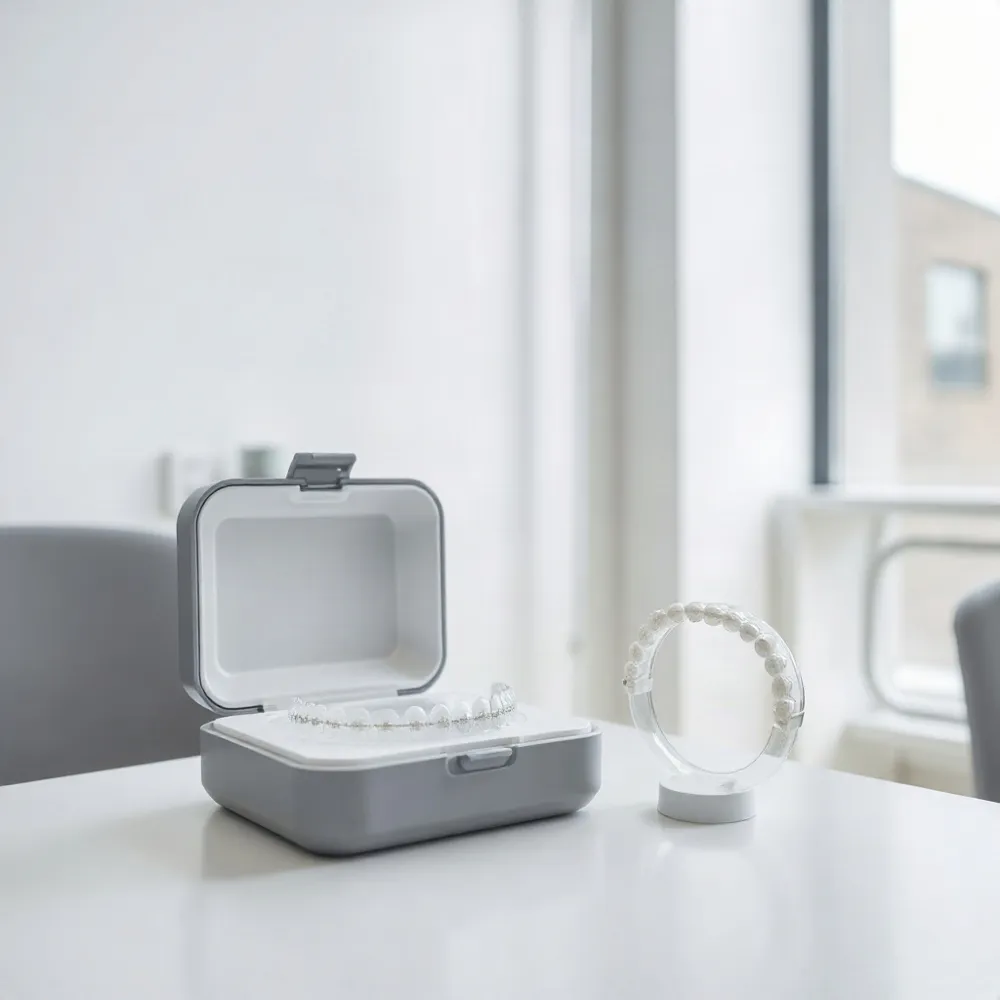 Orthodontic options can include metal braces, tooth-colored ceramic braces, clear aligners, and other appliances when they fit the treatment need. At Trielle Orthodontics, personalized plans take individual alignment concerns and preferences into account rather than assuming one appliance suits everyone.
Braces are fixed to the teeth and can address a broad range of alignment and bite concerns, including some complex cases. They require careful cleaning around brackets and wires, and patients may need to avoid hard or sticky foods that could damage the appliance.
Clear aligners are custom transparent trays that move teeth gradually. They can be removed for meals, brushing, and flossing, and their discreet appearance appeals to some patients. Treatment depends on consistent wear, often about 20 to 22 hours a day, as well as checkups to monitor progress. A review of clear aligner research notes that aligners can suit selected cases but are not appropriate for every bite or tooth movement.
Invisalign is a familiar aligner brand; Spark, ClearCorrect, and SureSmile use the same general tray-based approach. Systems can differ in materials, planning tools, features, cost, and suitability. The orthodontist’s assessment and monitoring matter more than the brand name, especially because some mail-order options may provide less direct clinical supervision.
Adults can consider metal or ceramic braces and clear aligners, just as younger patients can. The choice depends on the teeth, bite, treatment goals, and daily preferences, not age alone. Braces may be preferable for some complex movements, while aligners may suit patients who can follow the wear schedule. Trielle Orthodontics offers clear aligners and braces, with recommendations shaped around each patient’s needs.
Comfort, Care, and Potential Risks
 Both braces and clear aligners apply pressure to move teeth, so temporary soreness, tightness, or sensitivity can occur. New aligners may feel snug at first, while braces may cause tenderness after adjustments. Smooth aligners avoid brackets and wires rubbing against the cheeks for some patients, but neither option is pain-free and comfort varies.
Brackets or wires can irritate the inside of the mouth; orthodontic wax may help cover a spot that rubs. Aligners can also cause temporary gum or cheek irritation, dry mouth, or changes in speech. At Trielle Orthodontics, treatment recommendations are individualized, so patients can discuss comfort concerns and their daily routines when considering an appliance.
Cleaning matters with either option. Removable trays make brushing and flossing easier, but teeth and aligners still need regular care to help limit plaque and gum inflammation. A scientific review describes possible oral-hygiene benefits with aligners while noting that good hygiene and patient cooperation remain important in its review of clear aligner treatment.
Wearing and caring for aligners
Follow the wear schedule prescribed by the orthodontist. Many plans call for about 20 to 22 hours each day, with trays removed for meals and drinks other than plain water. Clean aligners as directed and keep them in their case when they are not being worn.
The “30-minute rule” is a practical reminder to avoid leaving trays out for long after eating or drinking, not a universal clinical requirement. Brush and floss before putting them back in when possible. If brushing is not available, rinse your mouth and follow your orthodontist’s guidance, especially after acidic foods or drinks.
Contact your orthodontist if a tray is damaged, does not fit properly, or causes discomfort that persists. Do not force a poorly fitting tray into place; ask for advice on what to wear while the issue is addressed.
Orthodontic tooth movement also carries possible risks, including root resorption. This does not mean a complication will occur, and the evidence comparing risks across appliances is limited. The review notes that research on aligner outcomes has methodological limits, so published findings cannot predict an individual result or replace clinical assessment. Follow-up appointments let the orthodontist monitor progress and respond to concerns.
Treatment Timelines and Retention
Clear-aligner treatment often takes about 6 to 18 months, though mild cases may finish sooner and complex alignment or bite concerns can take two years or longer. Two years is on the longer side for many aligner cases, but it is not automatically unusual or a sign that treatment is failing. An orthodontist can estimate a more personal timeline after assessing the teeth and bite.
The schedule depends on starting alignment, how teeth respond, whether refinements are needed, appointment attendance, and wearing aligners consistently. Many treatment plans call for wearing aligners 20 to 22 hours a day, but follow the schedule set by your orthodontist. Research also cautions against assuming aligners always work faster than braces: duration varies by case, and some extraction cases have taken longer with aligners than with fixed appliances according to a peer-reviewed review.
At Trielle Orthodontics, individualized treatment planning helps set expectations around the patient’s needs and goals, rather than relying on a single timeline for everyone. After active treatment, retainers help maintain tooth positions because teeth can shift. Follow your orthodontist’s retainer instructions and attend recommended follow-up visits.
Technology That Supports Planning
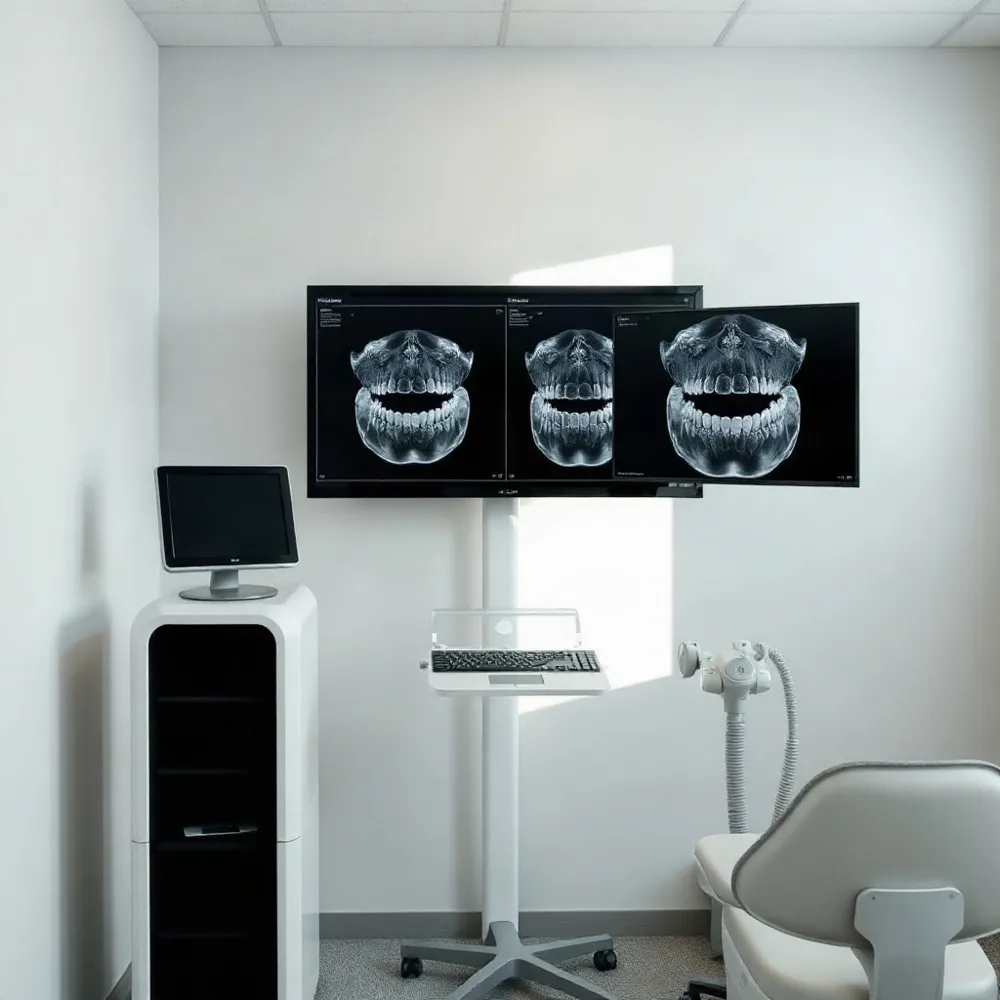 Modern orthodontic planning may combine intraoral scans, three-dimensional imaging, digital models, and planning software. An intraoral scanner captures detailed images of the teeth without the putty impressions used in traditional methods. Three-dimensional images can also help an orthodontist assess dental structures and discuss possible treatment approaches.
Digital models and planning software can help map tooth movements and customize appliances to a patient’s needs. Visualizations may make a proposed plan easier to understand, but they show possibilities rather than promise an exact result. A review of clear-aligner research also cautions that predicted movements do not always match the movements achieved in treatment, underscoring the role of clinical assessment and follow-up (review of clear-aligner treatment).
Digital manufacturing can turn treatment plans into physical appliances. Three-dimensional printing may be used to produce aligners, retainers, and other orthodontic devices. Some practices also use digital monitoring to review progress between visits when it suits the patient and treatment plan. A review of emerging orthodontic technologies describes these tools as part of a field increasingly shaped by digital methods, while emphasizing the need to match technology to clinical needs (review of advances in orthodontics).
These tools support, rather than replace, an orthodontist’s judgment. They cannot guarantee a particular movement, shorter treatment, or final result. At Trielle Orthodontics, individualized treatment planning and patient education are part of care; the specific tools and approach should be determined through an evaluation, not assumed in advance.
Understanding Treatment Costs
Braces and clear aligners do not have one fixed price. The total depends on the complexity of the case, how long treatment takes, the provider, and what the quoted fee covers. A $6,000 estimate may be reasonable for an individual plan, but it is not a universal price. Published Invisalign provider examples of $5,490, $5,600, and $7,000 are individual fees, not a national price range or a quote from Trielle Orthodontics.
Insurance coverage, any down payment, and financing can affect the amount you pay directly or how payments are spread over time. Trielle Orthodontics offers flexible payment options, though patients should confirm current terms with the practice.
Before choosing a plan, request a personalized written estimate and ask whether it includes retainers, adjustments, and follow-up visits. Comparing those details can clarify the full cost, rather than just the starting fee.
When Temporary Anchors Are Used
Temporary anchorage devices, or TADs, are small titanium screws placed temporarily in the gum and jawbone. They give the orthodontist a stable anchor for guiding selected tooth movements when ordinary braces or aligners alone may not provide enough control.
TADs are not needed for every patient. In some treatment plans, they can help direct teeth more precisely and reduce the need for headgear or elastics. A review of advances in orthodontic care describes how anchorage methods can support controlled tooth movement, though the approach depends on the individual case. Research on advances in orthodontics
Removal is usually a brief, minimally invasive appointment and is generally comfortable. The orthodontist may numb the area first. Patients may notice pressure during removal, rather than pain, but experiences can differ.
At Trielle Orthodontics, treatment planning is individualized, so patients can ask why a temporary anchor is recommended and what sensations to expect. Contact the orthodontist if discomfort continues or if you have other concerns.
A Personal Plan Makes the Difference
Modern orthodontics offers several ways to move teeth, but no appliance is right for everyone. The best fit depends on your bite, treatment goals, daily routine, and comfort concerns, as well as the movements needed. At Trielle Orthodontics in Union, NJ, individualized treatment plans may include braces or clear aligners, with options selected to suit each patient’s needs.
Before choosing, discuss what you hope to change, what feels comfortable, how long treatment may take, and what it may cost. Ask about care and follow-up, too. Trielle Orthodontics also offers flexible payment options, so raise financial questions early and make sure you understand the plan before treatment begins.