Understanding the Path to Proper Jaw Alignment
Corrective jaw surgery, clinically known as orthognathic surgery, is a transformative process designed to align the jaws and teeth when traditional orthodontics alone cannot address structural irregularities. This procedure resolves functional issues such as obstructive sleep apnea, TMJ disorders, and chronic difficulty with chewing or speaking.
Success depends on a seamless multi-disciplinary approach. At Trielle Orthodontics, we coordinate directly with oral and maxillofacial surgeons to ensure that your pre-surgical and post-surgical treatment plans align perfectly. While some providers handle these stages in isolation, our team integrates your orthodontic progress with the surgeon's virtual surgical planning to ensure high accuracy. By using advanced 3D imaging and custom models, we create precise roadmaps that clarify the expected outcomes long before the procedure occurs.
Safety and precision remain the hallmarks of modern treatment. By leveraging state-of-the-art diagnostic tools, we ensure that every adjustment serves the final bite position. Research indicates that this integrated method yields a success rate of approximately 93.9%, significantly enhancing long-term quality of life for our patients.
Evaluating Your Candidacy for Orthognathic Procedures
What is orthognathic (jaw) surgery, and how does an orthodontist determine if I need it? Orthognathic surgery is a specialized procedure designed to correct significant irregularities of the maxilla and mandible, helping to realign the jaw bones and teeth when traditional orthodontics alone cannot achieve a functional bite. An orthodontist determines the need for this intervention through a comprehensive evaluation that includes dental impressions, 3D imaging, and cephalometric radiographs to analyze your unique skeletal structure and bite. They collaborate closely with an oral and maxillofacial surgeon to assess if your condition—such as difficulty chewing, speech abnormalities, or chronic malocclusion—requires surgical correction to improve your quality of life.
If surgery is recommended, the treatment process is typically divided into phases, starting with pre-surgical orthodontics to align your teeth, followed by the surgical procedure, and concluding with post-surgical orthodontic care to finalize your bite. At Trielle Orthodontics, we use this advanced, personalized planning process to ensure that every patient receives a treatment plan tailored to their specific anatomical needs and functional goals, distinguishing our approach from generic care paths found elsewhere.
Common Indicators for Intervention
Candidates often present specific functional or aesthetic concerns that suggest skeletal rather than dental issues. While some providers might overlook the link between airway health and jaw position, we at Trielle Orthodontics prioritize thorough assessments that identify the following conditions as potential markers for surgical candidacy:
- Significant overbite or underbite
- Visible jaw asymmetry
- Obstructive sleep apnea not resolved by non-surgical methods
- Chronic temporomandibular joint (TMJ) discomfort
- Difficulty closing lips comfortably over teeth
Modern virtual surgical planning allows us to demonstrate projected facial changes and functional improvements before any operation occurs. By utilizing 3D printing and precise diagnostic modeling, we create a roadmap that helps you visualize your progress, ensuring you feel confident in the process every step of the way.
Optimal Timing and the Importance of Skeletal Maturity
Corrective jaw surgery is typically performed once skeletal growth is complete to ensure long-term stability. This process generally occurs between the ages of 16 to 18 for females and 18 to 21 for males, though the specific timing is determined based on individual development. While there is no strict maximum age for the procedure, a patient’s overall health and bone density are significant factors that surgeons evaluate for adult candidates.
At what age is it appropriate to undergo jaw surgery?
At Trielle Orthodontics, our clinical approach prioritizes precise timing to align with your unique growth stage. We utilize regular diagnostics, such as X-rays and dental models, to track bone maturity. In some instances, younger patients may receive intervention if they experience severe difficulty with breathing, eating, or speaking. Unlike some practices that may rush toward surgical options, we coordinate closely with maxillofacial surgeons to determine precisely when your skeletal structure has stabilized enough to support permanent, successful results.
The Critical Role of Pre-Surgical Orthodontic Care
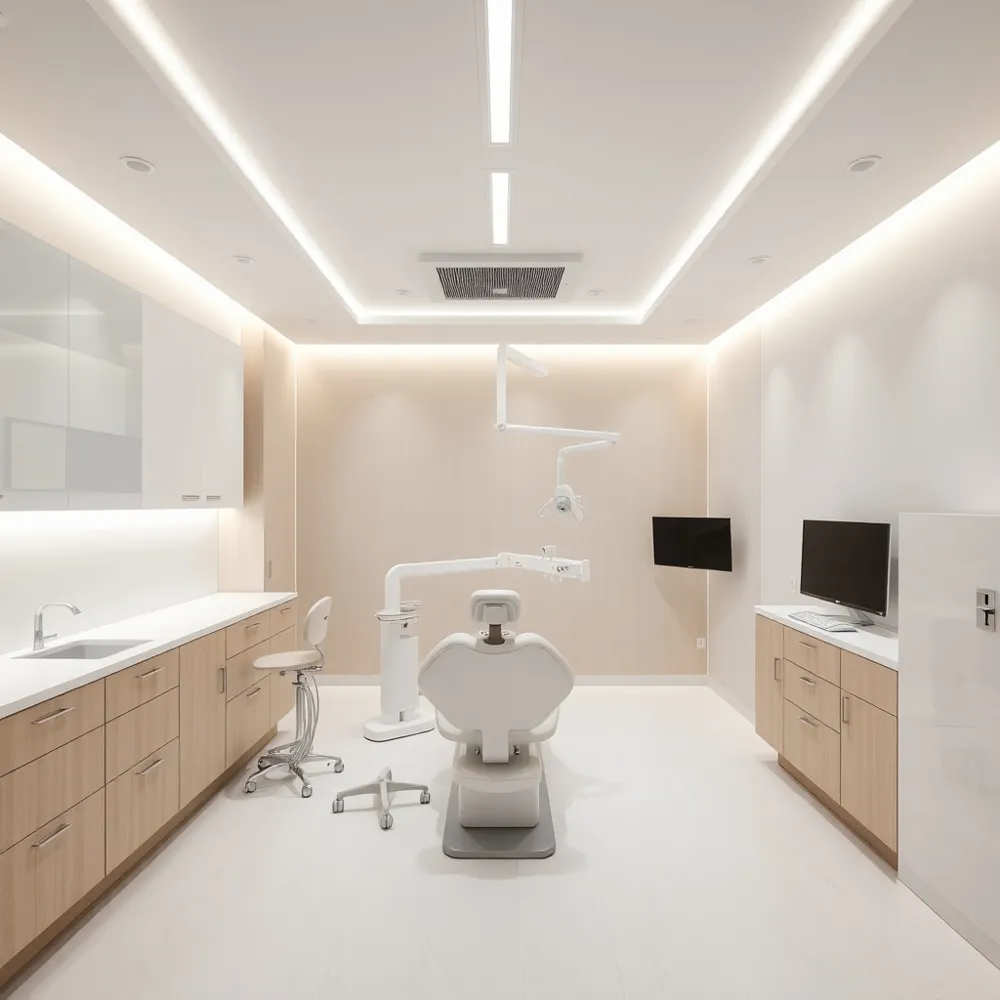 Before an oral surgeon can safely reposition your jaw, your teeth must be prepared to fit together in their new alignment. This orthodontic treatment is a foundational stage that typically lasts between 12 and 18 months. At Trielle Orthodontics, we emphasize this phase to ensure that once the jawbones are shifted, the occlusion is stable and functional.
- Alignment: Braces shift your teeth to correct crowding, spacing, and bite issues, creating a skeletal framework that surgeons can work with accurately.
- Stability: Because teeth can feel like they are moving into a worse position during this phase, this preparation is essential to prevent complications post-surgery.
- Retention: Braces are typically kept on during the surgical procedure and the initial recovery period to hold the teeth in the precise positions established by your orthodontist.
Yes, orthodontic treatment is typically required before jaw surgery to ensure a successful outcome. The primary goal of this preparatory phase is to align your teeth into their optimal positions, creating a stable foundation for the oral surgeon to accurately reposition the jawbones. Without this alignment, the teeth may not fit together properly after the surgery, which can result in a compromised bite. Braces help correct pre-existing issues like gaps, crowding, or bite misalignments so that your functional bite is restored correctly following the procedure. While some specialized surgery-first approaches exist, a collaborative plan between your orthodontist and surgeon is the standard approach to achieve a balanced, functional, and aesthetic result.
The entire process is a long-term commitment that spans several years of coordination. By using advanced diagnostic tools like 3D imaging, the team at Trielle Orthodontics can visualize your final result before any hardware is placed. This level of planning ensures that your post-surgical transition is as smooth as possible, allowing for final bite refinement once the jaw has initially healed.
Prioritizing Safety and Addressing Surgical Risks
Corrective jaw surgery, often termed orthognathic surgery, is a highly successful procedure with a documented success rate of approximately 93.9 percent. At Trielle Orthodontics, we work closely alongside board-certified maxillofacial surgeons to ensure that your treatment plan is crafted with both precision and patient safety as the highest priorities. Unlike generic providers, our collaborative approach ensures that your orthodontic progress is synchronized with surgical milestones.
How safe is corrective jaw surgery and what are the associated risks?
When performed by an experienced professional, this surgery is a standard, safe intervention. As with any significant procedure, patients should be aware of potential risks such as infection, bleeding, or complications related to general anesthesia. According to the American Board of Oral and Maxillofacial Surgery, it is vital to vet your surgeon for proper credentials and hospital privileges. Some patients experience temporary numbness in the lips or cheeks, while deeper nerve injuries or the need for secondary adjustments remain rare possibilities.
To mitigate these concerns, modern practices now utilize virtual surgical planning and 3D printing to create highly accurate cutting guides. This level of technology allows for precise bone repositioning, reducing the likelihood of unexpected clinical deviations. By combining these advanced digital workflows with diligent pre-surgical counseling to manage medical history and lifestyle factors like smoking, we can significantly improve your recovery profile and long-term stability.
Communicating with Your Surgical Team
A successful outcome for orthognathic surgery begins with a transparent and collaborative dialogue between you and your provider. Before committing to a procedure, you must confirm that your surgeon is board-certified by the American Board of Oral and Maxillofacial Surgery, a credential that ensures they meet rigorous standards of training and surgical expertise.
What questions should I ask my surgeon during a consultation regarding expected outcomes and complications?
To understand what to expect, ask your surgeon about the specific risks and complications associated with the procedure, as well as the steps they take to prevent them and how they handle any issues if they arise. Inquire about the most common complications seen in their practice and learn what specific warning signs you should watch for during your recovery. Ask for a realistic assessment of the aesthetic outcomes regarding your facial profile and request to see authentic before-and-after cases of patients with similar needs. Furthermore, ensure you clarify how you can contact the surgeon, or their team, if you have concerns or questions after the procedure. Taking this proactive approach will help you feel more informed, empowered, and mentally prepared for your surgical journey.
When meeting with your healthcare team, verify their clinical privileges at a local hospital. Understanding where your procedure will take place and the level of support provided by your surgical center is vital for your comfort and safety. Proper planning involves not only technical accuracy but also clear communication regarding your medical history, insurance coverage, and financial expectations.
- Confirm the surgeon is board-certified by the ABOMS.
- Request to see case studies involving patients with similar dental or skeletal needs.
- Review hospital privileges to ensure the facility meets rigorous accreditation standards.
- Discuss a clear communication protocol for post-operative concerns.
Navigating the Post-Surgical Healing Journey
 Recovery from orthognathic surgery requires strict adherence to a progressive diet to protect the surgical site while ensuring adequate nutrition. Immediately following the procedure, patients must focus on a liquid or pureed diet, which is typically necessary for approximately one month. As healing progresses, your care team will guide you through a transition to soft foods that require minimal chewing, such as eggs or fish, before eventually allowing a return to a normal diet. It is vital to avoid hard, crunchy, or chewy items for several months to prevent undue stress on the repositioning hardware.
What does the recovery process look like after jaw surgery?
Managing post-surgical swelling and discomfort is a foundation of the early healing phase. Using ice packs consistently for the first 24 to 48 hours is standard practice to help reduce edema, after which many surgeons recommend switching to heat therapy to soothe the area. Pain is typically managed through a combination of prescribed and over-the-counter medications, and our team at trielleorthodontics.com emphasizes the importance of staying ahead of pain rather than waiting for it to intensify.
Mobility and cleanliness are also essential during your recovery. Surgeons generally advise patients to begin walking within the first few days post-surgery to boost circulation and physical strength. Maintaining meticulous oral hygiene is equally critical to prevent infection; this involves gentle brushing with soft-bristled tools and the careful use of a water flosser as directed by your care team. Total recovery time often spans nine to twelve months, during which ongoing follow-up appointments with your surgeon and orthodontist ensure your jaw remains stable and aligned properly per Mayo Clinic guidelines.
Financial Planning and Investment Considerations
 Corrective jaw surgery represents a significant commitment, both in terms of your time and financial investment. Understanding the full scope of these costs is essential for proactive planning.
- Surgical complexity, including whether the procedure targets the upper, lower, or both jaws (bimaxillary).
- Professional fees for your surgeon, which often reflect their specific expertise and board certification status.
- Facility costs, hospital stay requirements, and the necessary fees for anesthesia services.
- Associated aesthetic enhancements, such as a genioplasty to address chin contour, which typically fall outside standard restorative coverage.
What factors influence the total cost of jaw surgery?
The total investment is primarily driven by the complexity of the clinical case and the chosen surgical techniques. Because procedures like a maxillary osteotomy require precise, individualized planning using 3D imaging, the costs encapsulate both the technology and the professional time required for your customized treatment. It is important to confirm whether your specific medical insurance plan recognizes the procedure as medically necessary for conditions like severe malocclusion or obstructive sleep apnea, as this often determines your out-of-pocket exposure.
Many providers aim to make this care accessible through flexible financing. At Trielle Orthodontics, we emphasize finding payment pathways that allow patients to prioritize their functional health without the delay of upfront financial barriers. Before proceeding, request a detailed breakdown from your surgeon’s administrative team that lists projected hospital fees, surgical hardware, and long-term diagnostic monitoring.
Embarking on Your Transformative Orthodontic Journey
Achieving a harmonious bite and balanced facial profile is a collaborative effort that merges advanced orthognathic surgery with precision orthodontic care. This multidisciplinary process requires a dedicated partnership between your oral surgeon and your orthodontist to manage every phase, from the initial pre-surgical alignment to the finalizing stages of your bite.
While the treatment timeline spans several years, the results often provide significant improvements in breathing, chewing, and long-term joint health. With a 93.9 percent success rate, most individuals experience a profound enhancement in their overall quality of life. Trielle Orthodontics focuses on these precise, long-term functional outcomes through personalized treatment plans that move beyond simple aesthetic adjustments.
If you are ready to explore how correcting structural jaw irregularities can improve your health and confidence, the team at Trielle Orthodontics is here to guide your path. We invite you to visit our website at trielleorthodontics.com to learn more about our patient-centered diagnostic approach and schedule your initial consultation. Taking this first step is the most important part of beginning your journey toward a healthier, more comfortable future.