More Than a Straighter Smile
Can orthodontic treatment change the way your face looks? It can influence facial balance, but usually through changes to tooth position and, in some cases, jaw relationships, rather than by reshaping the entire face. Teeth provide support for nearby soft tissues, so their position can affect how the lips and cheeks rest.
A review of research on orthodontics and facial morphology discusses how treatment-related changes may affect facial features, while emphasizing that results vary by patient (research review). Changes may be subtle, and the likely effect depends on factors such as anatomy, age, growth, diagnosis, and the treatment plan. Orthodontics is not a promise of dramatic facial reshaping.
At Trielle Orthodontics in Union, NJ, treatment planning is personalized, with options including braces and clear aligners. An assessment can help clarify whether correcting alignment or bite may affect facial balance in your case, and what outcomes are realistic.
How Tooth Movement Affects Facial Balance
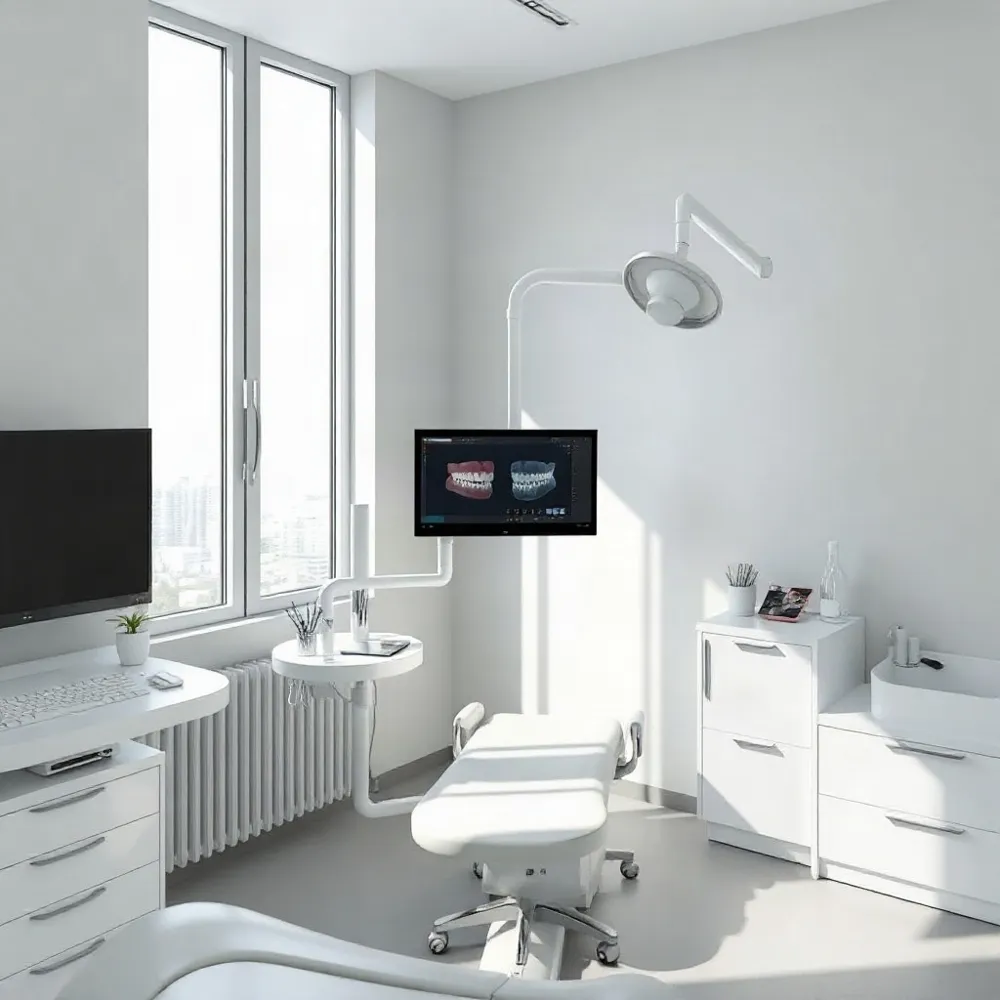 Can orthodontic treatment change the shape of your face? Yes, sometimes subtly. Braces and clear aligners move teeth into planned positions and can correct bite relationships. Those changes may affect the smile, the support the teeth provide to the lips, and the way facial proportions are perceived. A review of research on orthodontic-related facial changes discusses how treatment may influence facial appearance, while outcomes vary by patient and treatment approach (research review).
When crowding, spacing, or a bite problem is part of the concern, improved alignment may make the smile and surrounding features appear more balanced. This is not the same as reshaping the facial bones: orthodontic tooth movement usually does not dramatically change an adult’s underlying bone structure. Significant skeletal concerns may need a different assessment and, in some cases, care beyond routine tooth movement.
Visible changes depend on factors such as age, growth, starting alignment, and the treatment plan. An orthodontist assesses the teeth, bite, and facial structure before discussing what changes are realistic with braces or clear aligners. At Trielle Orthodontics, treatment recommendations are personalized to each patient’s needs and goals, with comfort and modern technology considered in planning. The practice’s approach to personalized orthodontic treatment also addresses how treatment planning can relate to facial balance.
Bite Correction and the Facial Profile
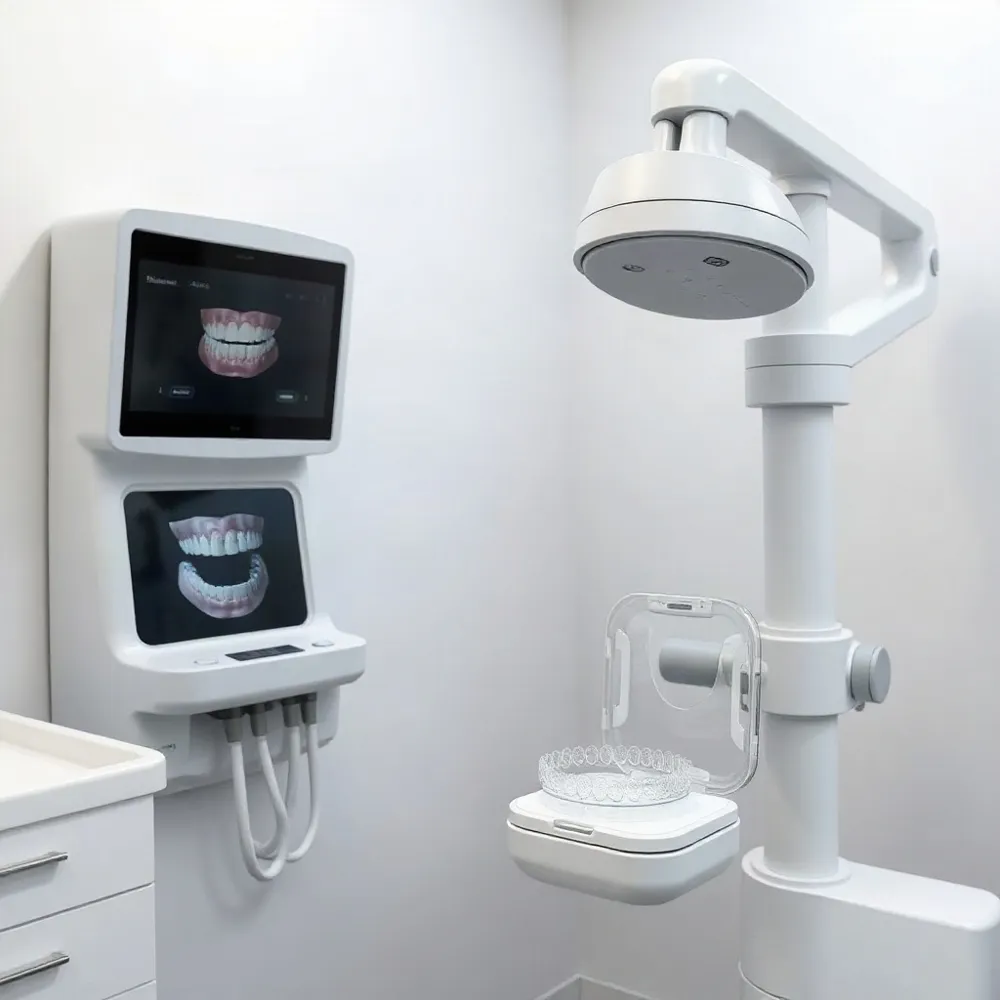 Can braces improve your facial profile or jawline? They can affect how the profile looks when tooth position or the bite influences the relationship between the lips and jaws. A pronounced overbite may make the upper lip look more prominent and the lower jaw appear tucked back; an underbite can make the lower jaw look more prominent. These are possible associations, not fixed outcomes, and facial appearance varies from person to person.
Correcting an overbite may improve the visual balance between the upper and lower face. As teeth and bite move toward a better fit, the upper lip may appear less prominent, while the chin and lower face may look more balanced in profile. A review of research on orthodontics and facial morphology discusses how treatment-related changes can affect facial appearance, while underscoring that results depend on the individual research on orthodontic-induced facial morphology changes.
The extent of change depends on the cause and severity of the bite issue, a person’s age and growth, and the treatment plan. Braces move teeth and can alter the support they provide to the lips, but they do not substantially reshape an adult jawbone. In some children and teens, treatment may guide jaw growth; significant jaw discrepancies may call for an assessment of other options.
Bite correction is not only about appearance. Better contact between the teeth may help distribute biting forces more evenly and make chewing easier, although these effects are not guaranteed. At Trielle Orthodontics, individualized treatment planning and options such as braces or clear aligners are considered in light of each patient’s needs, rather than assuming the same approach or facial change will suit everyone.
For an overbite, an orthodontic evaluation can clarify whether tooth movement is likely to change lip support or profile balance, and what limits apply in the individual case. Trielle Orthodontics provides personalized orthodontic care and patient education, so patients can discuss realistic expectations alongside function and treatment choices before deciding how to proceed.
Asymmetry and Jaw Alignment
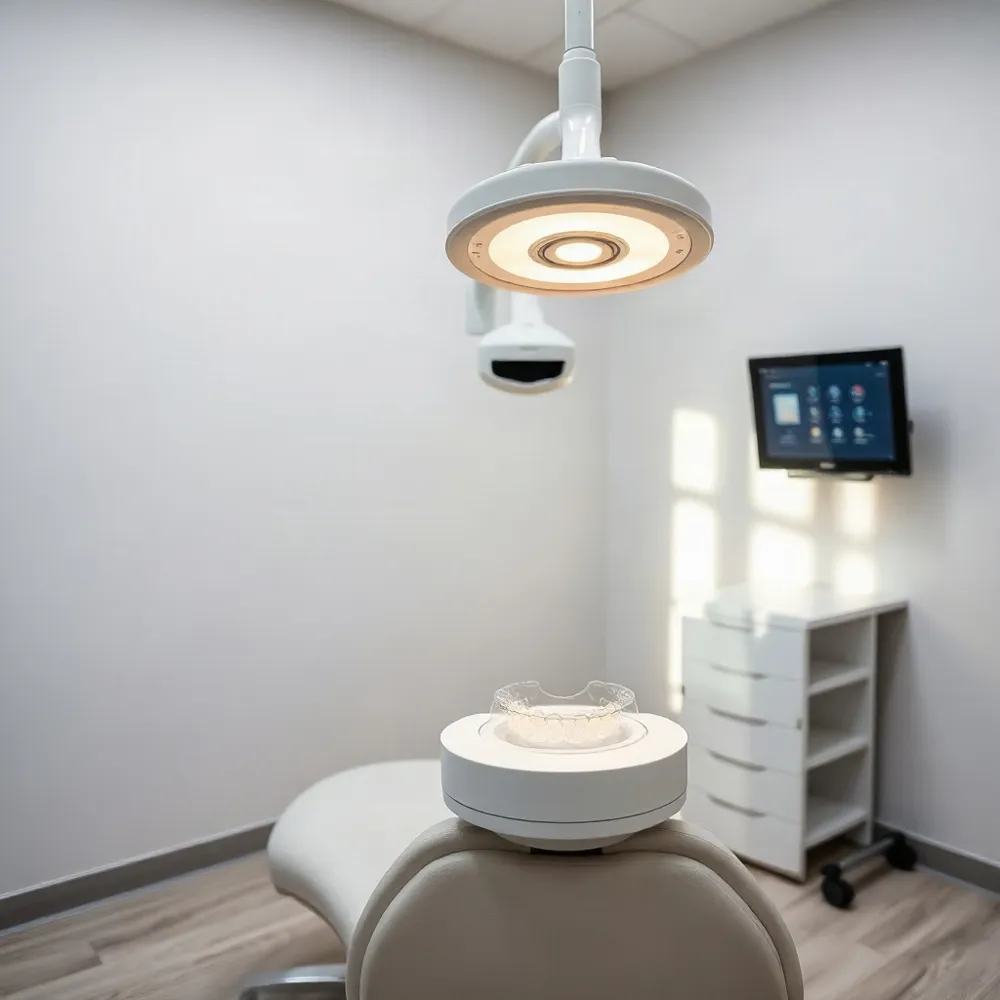 Can crooked or misaligned teeth contribute to facial asymmetry? Yes, sometimes. Crowding, an off-center dental midline, or a crossbite can affect how the teeth meet and how the lips and cheeks rest. The resulting difference in a smile or facial balance may be subtle, and tooth position is only one possible factor.
Facial asymmetry can also reflect genetics, growth patterns, past injury, or differences in the underlying jaw bones. Orthodontics may improve balance when tooth position or the bite contributes to the concern, but moving teeth cannot correct every skeletal difference. Research on orthodontic-related facial changes likewise describes outcomes as dependent on the patient and treatment approach (review of orthodontic-induced facial morphology changes.
Can an orthodontist treat a misaligned jaw or improve facial structure? Treatment depends on the source of the misalignment. Braces, clear aligners, or other appliances can move teeth and improve how the upper and lower teeth fit together. For some growing children and teens, appliances may also guide jaw development. In adults, orthodontic treatment can improve the bite, but substantial changes to jaw-bone position may require care coordinated with an oral surgeon.
An evaluation considers the teeth, bite, jaw position, and facial structure to distinguish a dental concern from a skeletal one and set realistic goals. At Trielle Orthodontics in Union, NJ, individualized treatment planning and options including braces and clear aligners help match care to the patient’s needs; facial changes remain specific to the diagnosis and plan.
The aim is not to make every face look symmetrical. It is to understand what is causing the unevenness and whether orthodontic care can address it safely and appropriately.
Realistic Expectations About Facial Changes
Do braces make people look younger, or can they cause unwanted changes such as jowls? Neither outcome is predictable from orthodontic treatment. Braces move teeth and improve the bite; they do not reshape an adult’s facial bones. Since the lips and other soft tissues rest against the teeth, changes in tooth position may subtly affect lip support or facial profile. Research on orthodontic-related facial changes examines these effects, but it does not establish that treatment reliably makes someone look younger or causes jowls (research on orthodontic-induced facial changes.
The visible result depends on the starting bite, age, facial features, and treatment plan. A change that feels noticeable to one person may be slight to another, so general before-and-after expectations cannot predict an individual outcome.
If you notice or worry about a change in your appearance, raise it with your orthodontist. They can explain whether it may relate to tooth movement and review appropriate options. At Trielle Orthodontics, individualized treatment planning considers facial concerns alongside a healthy, functional bite. Readers can also explore how aesthetic considerations fit into modern orthodontic care when preparing questions for a consultation.
Facial Aesthetic Services and Consultation
Can orthodontists provide facial aesthetic treatments? Some orthodontic practices offer these services alongside braces or clear aligners, but availability depends on the provider’s training and scope of practice. Ask Trielle Orthodontics which facial aesthetic services it offers and whether a consultation suits your goals.
These services are distinct from facial changes that may result from orthodontic tooth or bite correction. Changes in tooth position can affect how the lips and cheeks are supported, but outcomes vary by individual. Research on orthodontic-related facial changes examines these effects, without establishing a guaranteed result for any patient (research on orthodontic-induced facial morphology changes.
Before choosing an approach, discuss your aesthetic aims, bite function, suitable options, and realistic expectations with a qualified provider. At Trielle Orthodontics, personalized treatment planning and patient education can help clarify whether orthodontic care, a separate aesthetic service, or another referral fits your needs.
A Personalized View of Facial Harmony
Orthodontics may influence facial appearance by changing tooth alignment and bite relationships. For selected growing patients, jaw guidance may also be considered. These approaches can affect how the lips and other facial features are supported, but the extent of change depends on each person’s anatomy and treatment plan, as research on orthodontic-related facial changes notes (review of facial morphology changes).
At Trielle Orthodontics in Union, NJ, personalized treatment planning considers individual needs, with options including braces and clear aligners. An orthodontic assessment can help clarify whether treatment may address your concerns, which approach is suitable, and what results are realistic, without promising a particular facial change.