A Smile Journey Needs a Plan
Orthodontic care is about more than making teeth look straight. It also considers how teeth meet, how the jaws work together, and what matters to each patient, from comfortable chewing to feeling confident about a smile. The American Association of Orthodontists explains that orthodontists focus on tooth alignment and bite function.
That focus can shape care from the first assessment through treatment adjustments. At Trielle Orthodontics in Union, NJ, individualized treatment plans are part of a practice that offers braces, clear aligners, and adult orthodontic care. The right plan depends on a patient’s needs and goals, not just the appliance they prefer.
This guide explains what orthodontic specialists do, how to compare treatment choices and costs, and what to consider when choosing a practice. Understanding the process can help patients ask informed questions and find care that fits their clinical needs and daily life.
What Orthodontic Specialists Focus On
 An orthodontist is a dental specialist who diagnoses and treats problems with tooth alignment and the way the upper and lower jaws fit together. Orthodontists complete dental school, then undertake additional full-time specialty education, typically two to three years, focused on moving teeth, jaw alignment, bite function, and facial growth and development. The American Association of Orthodontists’ overview of specialist training explains how this focused education differs from general dental training.
General dentists care for overall oral health through checkups, cleanings, fillings, and gum care. Many patients continue to see a general dentist for preventive visits while consulting an orthodontist about alignment or bite concerns. At Trielle Orthodontics in Union, NJ, orthodontic care includes individualized treatment planning for patients seeking help with braces or clear aligners.
A general dentist may provide braces or clear aligners where local rules permit, but offering those treatments alone does not confer orthodontic specialist training. Licensing rules vary by state, so ask about a provider’s education and credentials when comparing care. The AAO’s guide to choosing an orthodontist offers questions patients can use to understand a specialist’s qualifications.
An orthodontic assessment looks beyond visible crookedness. The specialist considers how the teeth meet, how the jaws relate and move, and how the bite functions. Treatment planning aims to address function as well as appearance, with recommendations based on the individual’s needs.
The AAO recommends an initial orthodontic check-up for children by age seven, but that is an evaluation recommendation, not a requirement to begin treatment at that age. A referral is not needed to arrange a consultation, so families can seek an assessment if they have questions about a child’s developing bite.
Choosing Between Braces and Aligners
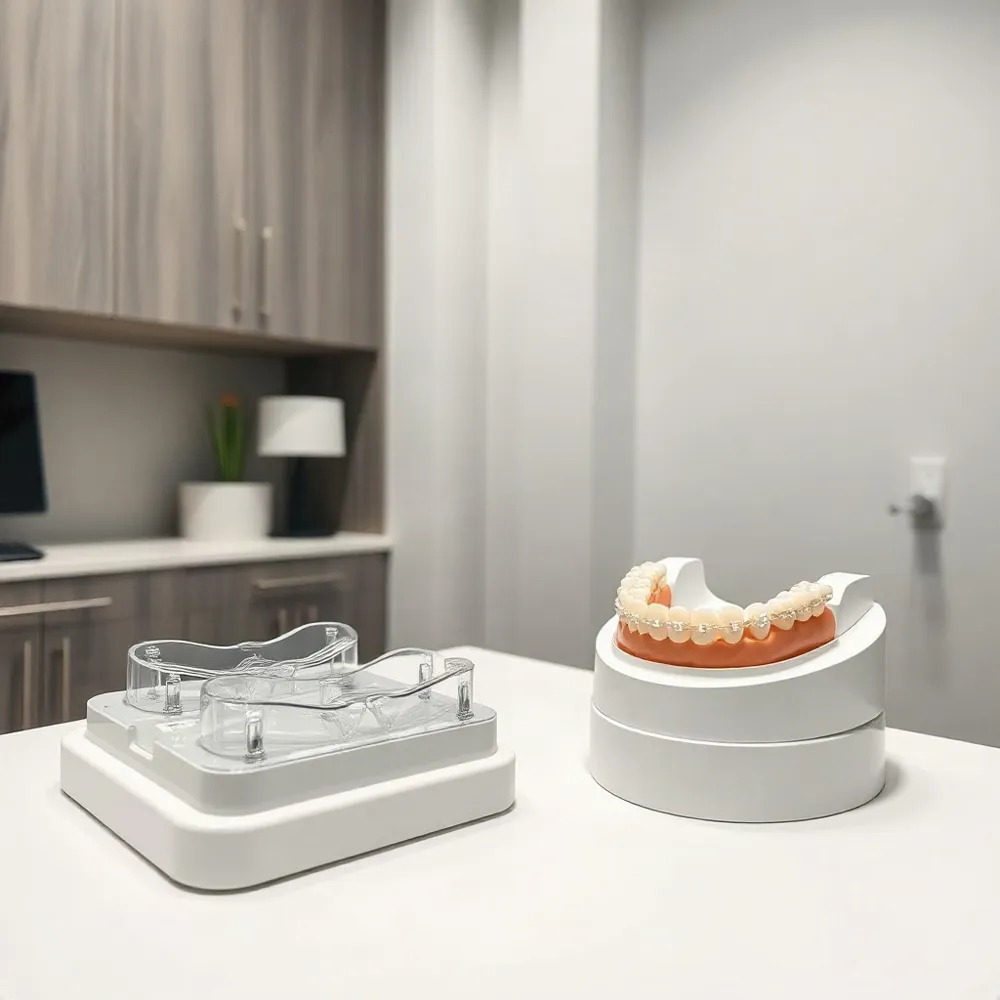 Orthodontic treatment can involve traditional braces, clear aligners, retainers, or appliances such as palate expanders. Each has a different role, and the choice should follow an assessment of your teeth, bite, and treatment goals.
Braces use brackets and wires to guide teeth into position. They can address a range of alignment and bite concerns. Clear aligners are custom-made, removable trays that gradually move teeth and offer a less noticeable option. They are generally worn most of the day and taken out for meals and brushing.
The American Association of Orthodontists explains that orthodontists receive additional specialty training focused on moving teeth and aligning jaws. At Trielle Orthodontics in Union, NJ, treatment options include braces and clear aligners, with care planned around each patient’s needs.
An orthodontist may recommend aligners for some mild or moderate concerns when a patient can follow the wear instructions consistently. Braces may be a better fit for more complex movements or bite correction. Oral health, lifestyle, and personal goals also matter, so a preference for a discreet or removable option is only one part of the decision.
Neither option is automatically best for everyone. Ask why a treatment is recommended, what alternatives are suitable, what responsibilities each option involves, and what results and treatment time to expect. Trielle Orthodontics also offers flexible payment options, which patients can discuss as they consider a plan.
A plan may use one approach or combine appliances. Progress visits let the orthodontist check how teeth are moving and adjust treatment when needed. Clear explanations of these steps can help patients make an informed choice before treatment begins.
Orthodontic Care Is Not Just for Children
Can adults get orthodontic treatment, and what options are available to them? Yes. Age alone does not rule out care. An orthodontist can assess whether your teeth and gums are healthy enough for treatment and discuss how your individual circumstances may shape the plan. The American Association of Orthodontists’ guidance on choosing an orthodontist notes that adults can benefit from orthodontic care, too.
Adults may seek an assessment for crowding, spaces between teeth, bite problems, or teeth that have shifted over time. Addressing these concerns can support how teeth fit and function, as well as smile confidence. At Trielle Orthodontics in Union, NJ, adult orthodontic care is part of a practice that also offers braces and clear aligners, with treatment planned around each patient’s needs.
Possible options include traditional metal braces, ceramic braces, and removable clear aligners. Each has different practical considerations, and no appliance is automatically the right choice because of a patient’s age. Dental needs, lifestyle, and treatment goals all matter.
An evaluation gives the orthodontist a chance to review oral health, understand your preferences, and recommend an individualized plan. Rather than assuming one appliance will suit every adult, discuss which options fit your situation and what care would involve. Trielle Orthodontics emphasizes personalized treatment planning, so appliance decisions can be considered alongside comfort and daily routines.
Understanding Fees and Payment Choices
 How much do braces and clear aligners typically cost, and are prices such as $6,000 for braces or $3,000 for Invisalign reasonable? Broad U.S. estimates for comprehensive treatment are about $3,000 to $7,500 for metal braces and $3,000 to $8,000 for clear aligners. Local fees and complex cases can fall outside those ranges. Both example prices fit within the stated ranges, but neither tells you what your individual treatment should cost.
The fee depends on case complexity, treatment length, location, and what the quote covers. Ask whether it includes diagnostic scans, appointments, aligner refinements, and retainers. A written, itemized estimate makes it easier to compare providers and understand the full cost before treatment begins.
Can you negotiate orthodontic treatment costs, and what payment options may be available? Ask whether the practice can tailor a payment schedule to your budget. Options may include orthodontic insurance benefits, in-house plans with monthly installments, interest-free arrangements, HSA or FSA funds for eligible expenses, and third-party healthcare financing. Availability, approval, and terms vary.
At Trielle Orthodontics in Union, NJ, flexible payment options are part of the practice’s approach to care. Confirm directly with the office what is available for your plan, including the down payment, monthly amount, interest, fees, insurance coverage, and included services. Ask for the details in writing before deciding.
For additional planning, the AAO’s guide to choosing an orthodontist recommends asking about costs and payment or insurance options during a consultation.
Finding a Qualified Specialist Who Fits
How can you tell whether an orthodontist is qualified and a good fit for your needs? Start by asking about formal orthodontic training completed after dental school. You can also ask whether the provider belongs to the American Association of Orthodontists, which says its members have appropriate orthodontic training. Trielle Orthodontics provides individualized care, with treatment recommendations shaped around each patient’s needs and preferences.
A consultation should include an examination of your teeth and bite, with photos, X-rays, digital scans, or other records when appropriate. The orthodontist should explain what they find, discuss suitable options, and outline next steps in clear terms. The AAO’s guide to choosing an orthodontist recommends asking which treatments are appropriate and why.
Bring questions about the specialist’s experience with concerns like yours, the recommended treatment and its reasons, expected timing, and how often you will need appointments. Ask what the total fee includes, whether insurance applies, and which payment choices are available. Trielle Orthodontics offers flexible payment options, so patients can discuss costs as part of planning care.
Convenience matters when care involves repeated visits. Consider the office location, hours, appointment scheduling, and how clearly the team communicates. Ask how they handle urgent concerns, broken appliances, and questions between visits.
Notice whether the orthodontist listens, answers in language you understand, and gives you time to consider your choices without pressuring you to commit. You may consult more than one specialist to compare recommendations and decide which office feels right. A good fit combines qualified care with practical support that works for your routine.
Technology Supports Clinical Judgment
Digital scans, dental images, and three-dimensional models can give an orthodontist a detailed view of tooth positions, the bite, and jaw relationships. These records help inform diagnosis and treatment planning, including decisions about possible tooth movements with braces or clear aligners.
Artificial intelligence may help analyze images and scans, identify patterns, and support planning or progress reviews. Research describes AI as an emerging aid in orthodontics, not a substitute for a clinician’s assessment AI-driven advancements in orthodontics.
Digital tools can also help compare records over time and identify whether treatment is progressing as expected. Their usefulness depends on how the information is interpreted, rather than on the technology alone.
At Trielle Orthodontics, modern technology supports individualized care, while the orthodontist considers the patient’s oral health, goals, and preferences when developing or adjusting a plan. Patients can ask how scans or imaging inform their recommendations and what the findings mean for their own treatment.
AI systems and planning tools continue to evolve, and their outputs require careful clinical review. They can contribute useful information, but they do not guarantee a particular result or replace the specialist’s judgment.
Make the Choice With Confidence
Choosing orthodontic care means looking beyond the appliance. A sound decision brings together a clear diagnosis, a plan suited to your needs, practical support, and regular review. At Trielle Orthodontics in Union, NJ, individualized treatment planning and flexible payment options help address both clinical needs and practical considerations.
At a consultation, ask what the specialist sees in your teeth and bite, which options fit your case, and why. Discuss expected timing, fees, payment choices, appointment needs, and follow-up after active treatment. The American Association of Orthodontists’ guide to choosing an orthodontist also suggests asking about credentials, recommendations, and the practical details of care.
Choose a qualified specialist who explains the plan clearly and considers your circumstances, preferences, and oral health. The aim is not to guarantee a particular result, but to make an informed choice about care that supports a healthy, functional bite and the smile you hope to achieve.