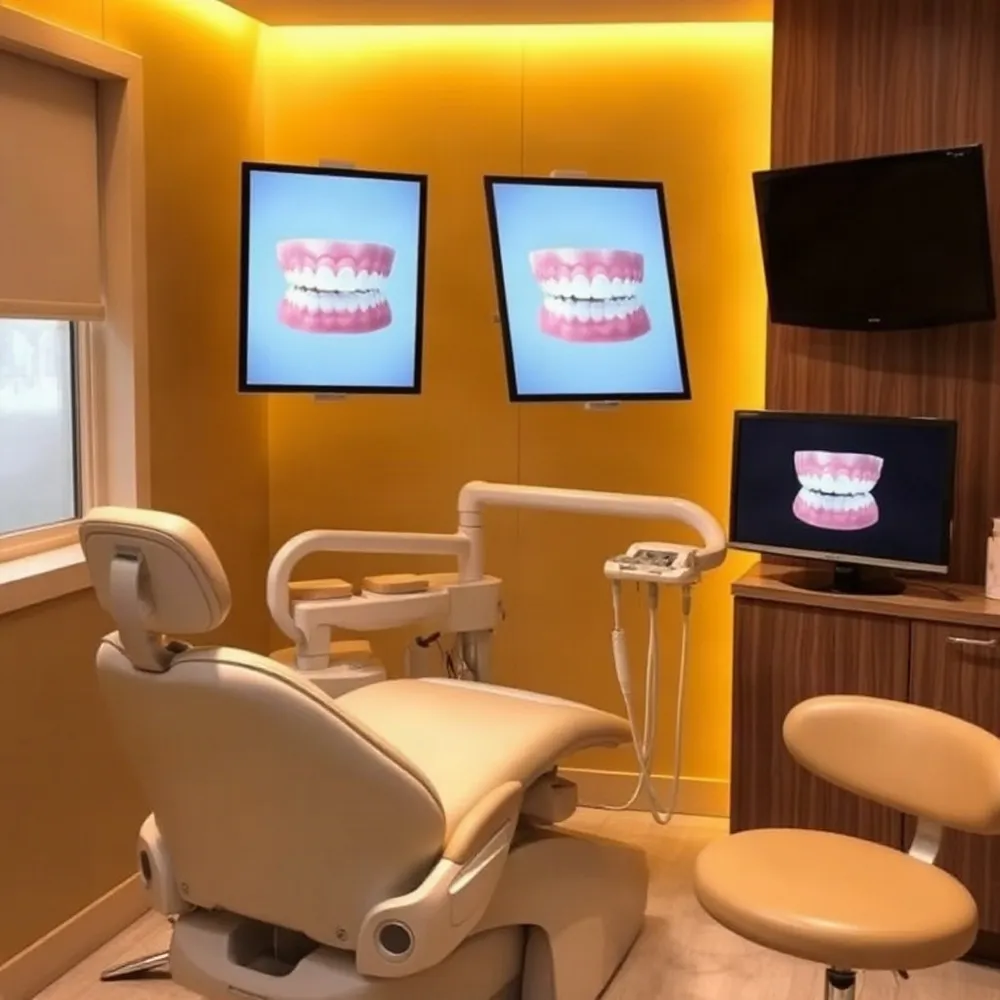
Make The First Visit Feel Manageable
A child’s first orthodontic visit can bring questions for the whole family. Your child may wonder what the appointment involves, while you may be unsure whether it means braces are next. The visit is an opportunity to assess development and discuss options, not a commitment to begin treatment. The American Association of Orthodontists’ first-visit guidance explains that families can ask questions and learn what care, if any, may be appropriate.
A little preparation can make the appointment feel less unfamiliar. Tell your child that the orthodontist will check their teeth and answer questions, and write down your own concerns beforehand. At Trielle Orthodontics, personalized treatment planning and patient education help families understand recommendations and possible next steps. The patient information page outlines what families can expect when arranging an initial examination.
Know When To Schedule An Evaluation
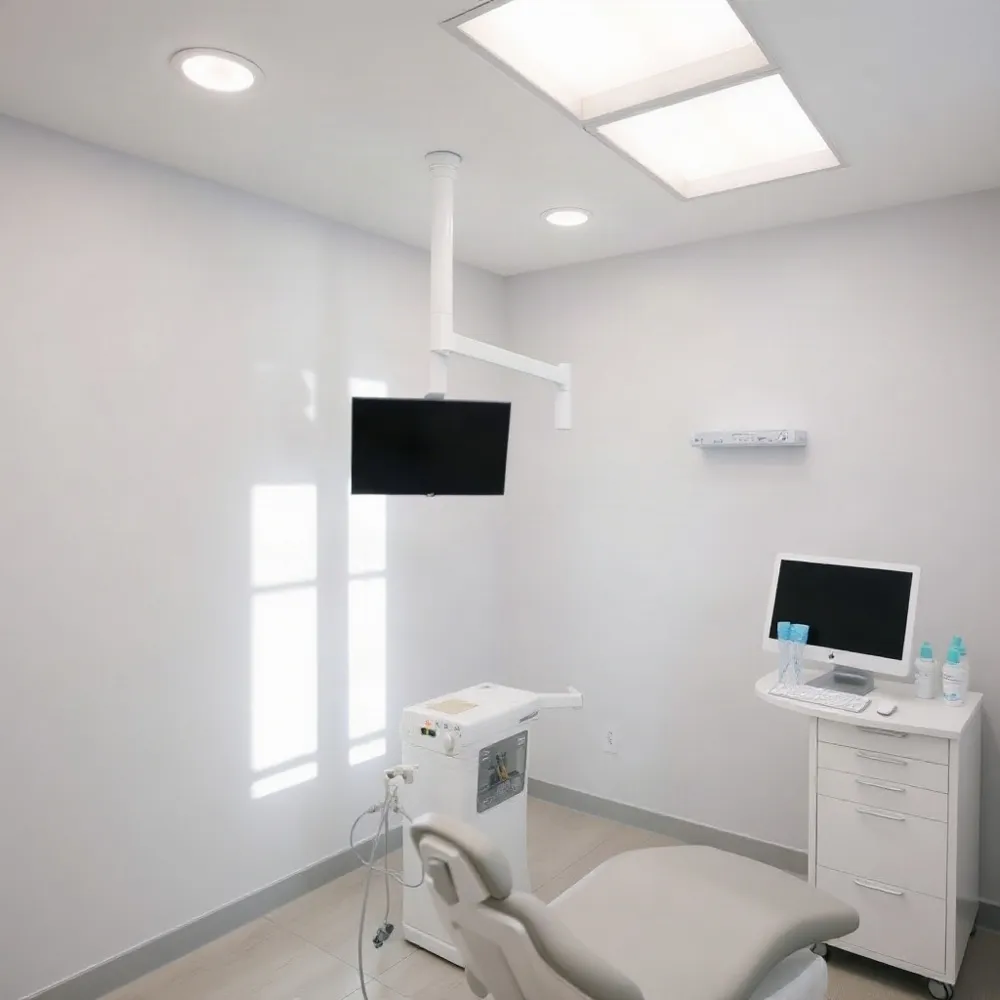 The American Association of Orthodontists recommends a first orthodontic check-up by age 7. At this stage, many children have both baby and permanent teeth, giving an orthodontist a chance to assess developing bite and alignment concerns. An evaluation is a check on development, not a commitment to treatment. The AAO’s child orthodontics guidance explains what families can expect.
Parents do not need to wait until age 7 if they notice a possible concern. Signs worth discussing with an orthodontist include unusually early or late loss of baby teeth, painful chewing or biting, mouth breathing, a shifting or clicking jaw, frequent cheek biting, or facial imbalance. These signs do not diagnose a problem on their own, but an assessment can clarify whether follow-up is needed. At Trielle Orthodontics, an individualized evaluation helps families understand the child’s needs and possible next steps.
An early visit does not mean braces will begin right away. Depending on the child’s growth and dental development, the orthodontist may recommend periodic monitoring, treatment later, or early care for a specific concern. Some children can benefit from treatment while baby teeth remain, using braces or another appliance; others are better served by waiting for more permanent teeth. Not every child needs braces.
There is no single best age to start orthodontic treatment. Some developing bite or jaw problems may benefit from attention during growth, while many children start treatment later. Adults can also receive orthodontic care, with timing and options based on individual needs. Trielle Orthodontics offers personalized treatment planning, including braces and clear aligners, so recommendations reflect the patient rather than a fixed age.
Help Your Child Feel Ready
 A little familiarity can make the appointment feel less mysterious. Explain in simple, positive terms that the orthodontist will look at your child’s teeth and bite, then talk with your family about how they are developing. The first visit is an opportunity to ask questions and understand possible next steps, not a commitment to start treatment that day, as the American Association of Orthodontists explains.
Ask your child what they are curious or worried about, and write down those questions along with any observations about their teeth or bite. A child-friendly book or video, or a bit of pretend play with a mirror and toothbrush, can also help make the visit feel familiar. At Trielle Orthodontics, families can use the first examination to discuss their concerns and receive an individualized assessment.
Try to stay calm and encouraging, since children may take cues from a parent’s mood. A favorite small toy or book may offer comfort while waiting. Before you go, gather available dental records or prior X-rays, the child’s dental and medical history, medication list, insurance information, and contact details for their dentist and primary care physician. Tell the office about health conditions, allergies, or past dental experiences.
Have your child brush and floss before the appointment, and complete any available paperwork ahead of time. If your child has special needs or sensory sensitivities, let the office know when scheduling and ask what accommodations may be possible.
Understand The First Consultation
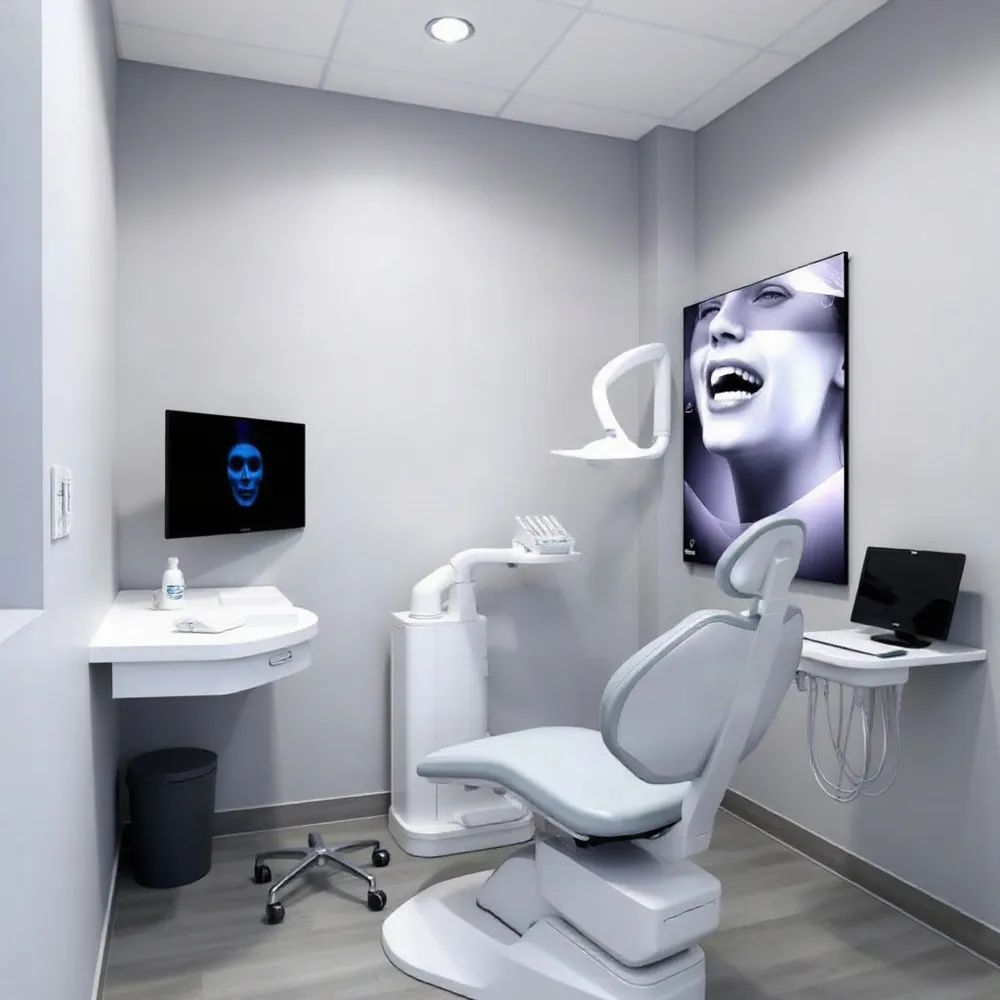 A first consultation is an evaluation and conversation, not a commitment to begin treatment. The orthodontist may review your child’s medical and dental history, listen to family concerns, and examine the teeth, jaws, bite, and oral health. At Trielle Orthodontics, care is planned around each child’s individual needs.
To assess tooth development and plan care, the orthodontist may take photographs, X-rays, impressions, or a digital scan when appropriate. These records are not all necessary for every child. The AAO’s first-appointment overview describes the visit as a chance to understand a child’s needs, answer questions, and discuss possible next steps.
After the examination, the orthodontist explains what they found and whether care is appropriate now, later, or not currently needed. If treatment is being considered, options may include braces or clear aligners. The recommendation depends on the child’s specific needs, not simply on age or appearance.
Orthodontic care can address function as well as appearance. Teeth that fit together properly support biting and chewing, and treatment may also contribute to oral health. Trielle Orthodontics provides individualized treatment plans and can discuss how different options fit a child’s needs.
Before leaving, ask what the orthodontist found, which options are available, when treatment might be appropriate, how long it may take, and what it may cost. Families can also ask about next steps and payment options so they understand the plan before making a decision.
Discuss Treatment Timing And Comfort
Braces are not necessarily placed at the first consultation. The orthodontist may first review diagnostic records, complete a personalized plan, and arrange a separate placement visit. Braces often go on within a few weeks, but that is only a general estimate: some children may be ready sooner, while others need preparation, such as spacers or attention to dental-health concerns. Ask the orthodontic team what steps come next and how the schedule fits your child’s needs. At Trielle Orthodontics, treatment plans are individualized, so timing depends on the evaluation rather than a fixed timeline.
The appointment to place braces typically takes about one to two hours, though the length can vary. Having braces placed is generally not painful, but teeth may feel tender or pressured as they begin to move. Cheeks and lips may also need time to adjust to the brackets and wires. Discomfort is usually mild and temporary, but each child’s experience is different.
Families can ask whether soft foods, a cold compress, orthodontic wax, or over-the-counter pain relief used as directed may help. Check with the orthodontic team before giving medication, and contact the practice about severe or lasting discomfort, a poking wire, or a broken bracket. Before treatment begins, ask about expected treatment length, follow-up appointments, brushing and flossing, foods to avoid, and how to get help with appliance problems. Children who play sports can also ask whether a mouthguard is appropriate.
The American Association of Orthodontists describes braces and other options as part of care tailored to a child’s needs. A clear discussion of timing, comfort, and daily care helps families understand the plan before deciding how to proceed.
Clarify Costs And Payment Options
Before deciding how to proceed, ask for a clear explanation of the proposed treatment’s cost and what is included. The total depends on your child’s orthodontic needs and personalized plan, so a quote for another child may not apply.
At Trielle Orthodontics, families can ask the team to review insurance benefits, expected out-of-pocket costs, and flexible monthly arrangements. Major credit cards may also be an option, but confirm which payment methods and plans are currently available.
Do not assume the initial consultation is free. Contact Trielle Orthodontics to confirm whether it is complimentary and whether any fees apply. The American Association of Orthodontists notes that a financial conversation may cover treatment costs, insurance, and payment options.
Understanding the estimate, coverage, and payment schedule gives you room to consider the recommendation at your own pace. Asking questions does not commit your family to treatment, and there is no need to feel pressured to begin on the day of the first visit.
Leave With A Clear Next Step
A first visit gives your family a clearer picture of your child’s development, not an obligation to begin treatment. The American Association of Orthodontists explains that an evaluation can help determine whether care is needed now, later, or not at all (AAO guidance on child orthodontics).
Bring your questions and share what worries your child. At Trielle Orthodontics, individualized treatment plans and patient education can help families understand the recommendation and consider whether monitoring or treatment is the right next step.