
Understanding the Patient’s Role
Orthodontic care is a partnership. The orthodontist plans treatment and monitors changes, while patients support progress through everyday choices, such as following appliance instructions, caring for their teeth, and attending appointments.
Because treatment may take months or years, guidance matters well beyond the first consultation. At Trielle Orthodontics, individualized treatment plans and patient education help connect clinical goals with the responsibilities patients manage at home.
Understanding the purpose of treatment, what to expect, and how to raise concerns can help patients and families take part in decisions. A study of patients and parents in specialist practices in India also highlights the value of explaining treatment options and the often-overlooked retention phase after active treatment (study on patient and parent insights). Clear communication supports a shared process, while each patient’s plan and instructions should come from their orthodontic team.
Treatment Goals and Patient Education
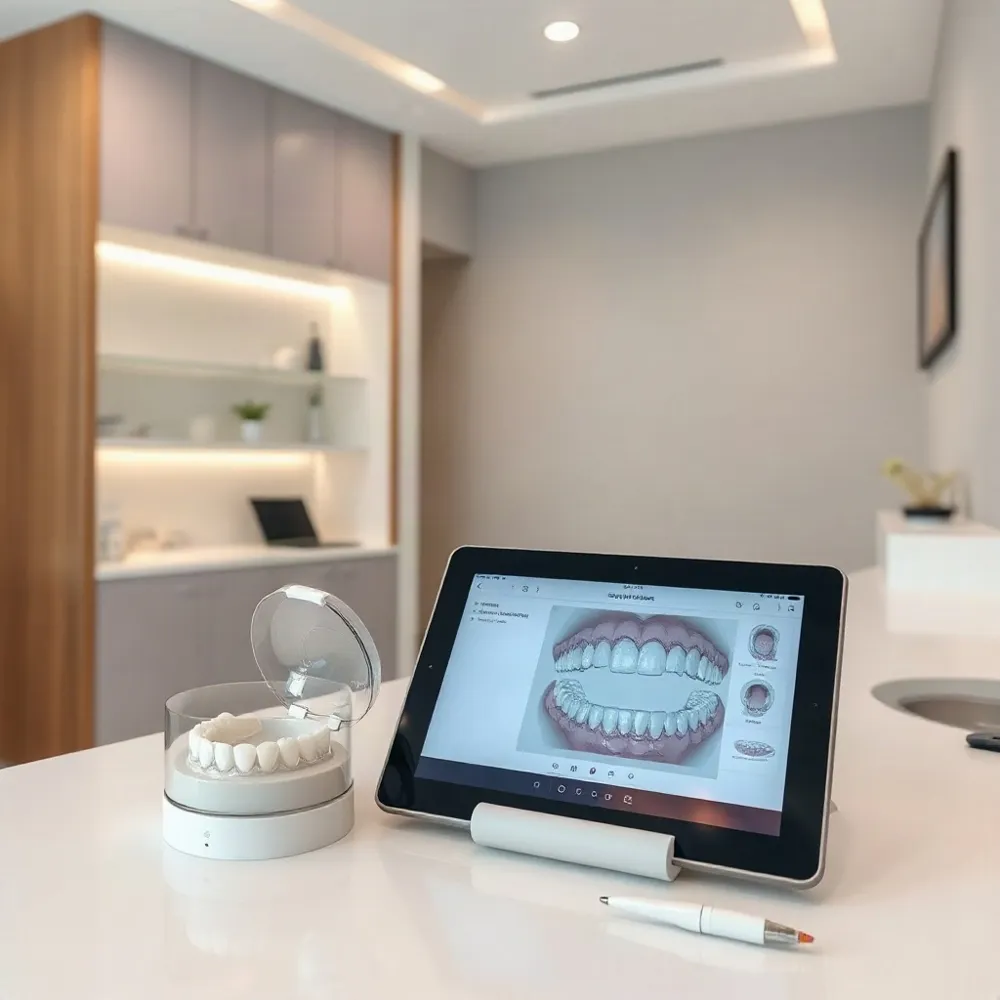
Why might someone need orthodontic treatment?
Crowded or spaced teeth, protruding teeth, and bite problems such as an overbite, underbite, crossbite, or open bite may prompt someone to seek orthodontic care. Treatment may also be considered for impacted teeth or teeth at greater risk of injury. Misalignment can make brushing and flossing harder, and some bite problems may contribute to uneven tooth wear, gum irritation, jaw discomfort, or difficulty biting and chewing. These effects vary, and not everyone will experience them. An individual evaluation can help determine whether treatment may benefit oral health, bite function, or a smile.
Orthodontic goals can include function and stability as well as appearance, but results and wider benefits should not be promised. At Trielle Orthodontics, personalized treatment plans are based on individual needs, with options including braces and clear aligners.
What does patient education involve in orthodontic care, and why is it important?
Patient education means receiving clear, individualized explanations of a diagnosis, recommended plan, available options, likely timeline, treatment stages, responsibilities, and possible limitations. It can also cover appliance care, oral hygiene, dietary guidance, follow-up visits, and retainers. Understanding these details helps patients and families make informed decisions and identify useful questions. The American Association of Orthodontists’ patient education resources include materials such as flyers and videos that patients can review.
A 2024 questionnaire study of 100 patients aged 12–18 and 100 parents or guardians in specialist practices in Beed, India, found appearance was a prominent motivation for treatment. Its local findings are not universal, but the study underscores the value of discussing options and expectations.
Parents and caregivers may help younger patients understand and follow their individual plans. At Trielle Orthodontics, patient education is part of its care offering; conversations that invite concerns and adapt explanations to patient needs can be supported by written guides, visual aids, or videos patients revisit at home.
The Stages From Consultation to Retention
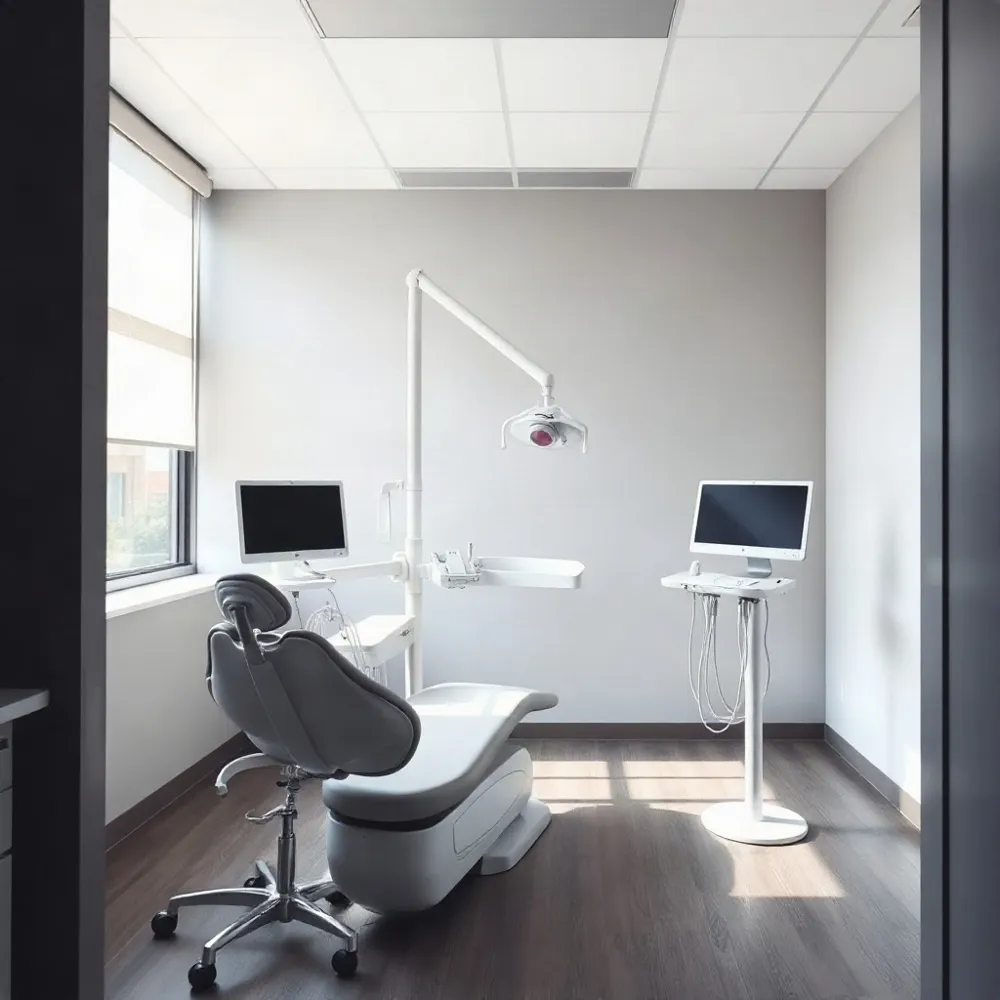 Braces care begins with a consultation and examination of the teeth and bite. The orthodontist may take photographs, X-rays, or digital scans to assess the starting point and plan treatment around the patient’s needs.
If preparatory care is needed, such as spacers or other dental work, it happens before braces are fitted. After brackets and wires are placed, follow-up visits let the orthodontist check tooth movement and make adjustments. Some plans also include elastics or other components, with instructions for use between appointments.
Education should continue throughout care, not stop after the initial discussion. Patients should leave each visit knowing what to do at home and how to contact the orthodontic team with questions or problems, such as a loose bracket.
Once teeth reach their planned positions, the braces are removed and the teeth are cleaned. Retainers then help maintain the result. Patients should follow their own orthodontist’s guidance on when and how long to wear one, since recommendations depend on the individual plan.
Retention deserves a clear explanation before active treatment ends. A questionnaire study of patients and parents in Beed, India, found comparatively limited understanding of what retention involves and how long it may last; this finding is specific to the study’s setting, but reinforces the value of discussing the phase directly (study on patient and parent insights). At Trielle Orthodontics, individualized care plans and patient education can help make responsibilities clear from planning through retention.
Daily Care for Braces and Aligners
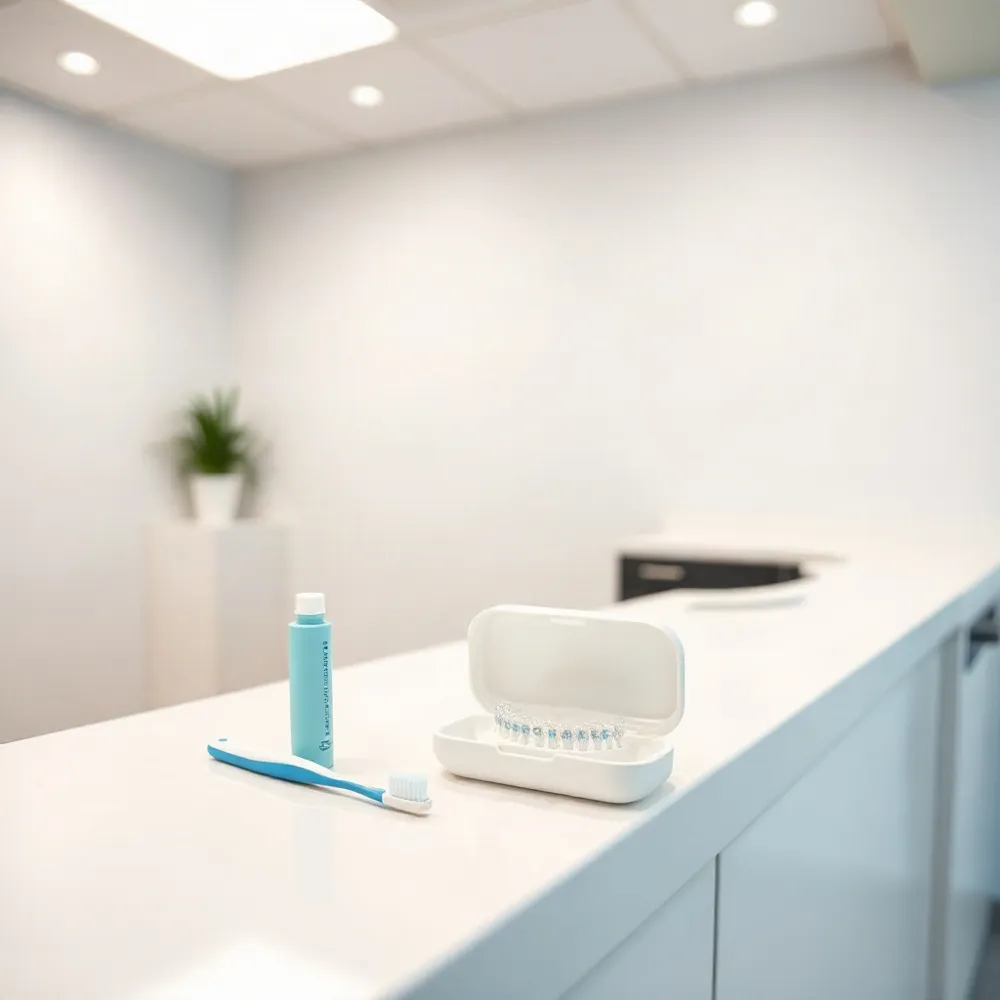 Good home care looks different with braces and clear aligners, but both routines depend on cleaning teeth carefully and following the orthodontist’s instructions. At Trielle Orthodontics, patients receive individualized treatment plans, so daily wear and care guidance should match the appliance and the person.
How can you care for braces at home?
Brush for two minutes at least twice a day with fluoride toothpaste, cleaning above and below each bracket and along the gumline. Floss daily beneath the wire with a floss threader or orthodontic floss, and use an interdental brush around brackets and wires. Brackets and wires can trap debris; thorough cleaning helps reduce the risk of cavities, gum inflammation, bad breath, and white spot lesions.
After eating, rinse with water and check your teeth in a mirror for food or plaque you may have missed. Limit sugary and sticky foods, and avoid hard or crunchy foods that could damage brackets or wires. Follow the dietary advice given for your appliance, since individual instructions may differ.
How should you maintain good oral hygiene while wearing clear aligners?
Remove aligners before eating or drinking anything other than water. Before putting them back in, brush with fluoride toothpaste and floss; if brushing must wait, rinse your mouth well with water. Clean the trays regularly with a soft toothbrush and a cleaner recommended by your orthodontist. Avoid hot water, which can warp them, and keep trays in their protective case when they are out.
Wear aligners for the prescribed time and follow your clinician’s care instructions. Routine dental checkups and cleanings complement orthodontic visits. Contact your orthodontist promptly about a broken bracket or wire, or persistent discomfort. The American Association of Orthodontists’ patient education resources include materials patients can use to review guidance; demonstrations and written instructions can also help make daily routines easier to remember.
Managing Soreness and Treatment Concerns
Is it normal for braces to hurt after placement or an adjustment, and how long does the discomfort last? Mild soreness or pressure is common as teeth begin to move. It may start a few hours after a visit, feel strongest during the first day or two, and usually ease over several days. Some tenderness can last about a week.
Soft foods and cool drinks may make eating more comfortable. If a bracket or wire rubs the inside of your mouth, orthodontic wax can provide a barrier. For pain medicine, follow the product label and ask your orthodontist or healthcare provider if you are unsure what is appropriate. Trielle Orthodontics emphasizes individualized care, so patients can raise comfort concerns in the context of their treatment plan.
Contact your orthodontist if pain is severe, gets worse, lasts longer than a week, or a wire or bracket causes an injury. Report breakages promptly rather than trying to repair appliance damage yourself. Clear guidance and open communication can reduce uncertainty and help patients stay involved in care. The American Association of Orthodontists’ patient education resources offer examples of materials that can help patients review orthodontic information.
Understanding Costs Before Treatment
Is $6,000 a typical cost for braces? Yes. It falls within the commonly cited U.S. range of about $3,000 to $7,000 for a full course, but this is a general estimate, not a guaranteed quote or a Trielle Orthodontics fee.
Metal braces often cost less than clear or more complex options. The total can vary with location, case complexity, treatment length, insurance coverage, and whether the fee includes diagnostics, adjustments, and retainers. A personalized estimate is the clearest way to compare options.
At a consultation, ask what the quoted fee covers, whether insurance applies, and what flexible payment options are available. Trielle Orthodontics offers flexible payment options, while the specific cost depends on an individual treatment plan.
Clear information about options, responsibilities, expectations, and costs helps patients and families make informed decisions and take an active role in care.
Knowledge Supports a Shared Journey
Education continues beyond the first conversation. Understanding the treatment plan, home-care responsibilities, appointments, and retention helps patients take an informed role; a study of patients and parents also highlights the value of explaining treatment and retention clearly (study findings).
At Trielle Orthodontics, individualized treatment plans and patient education help connect guidance to each person’s needs. Ask questions or raise concerns at any stage, so the orthodontic team can clarify instructions and discuss appropriate next steps.