
The First Days of Adjustment
Having braces placed is usually painless, but pressure or tenderness may develop hours later as the braces begin moving teeth. This early response is common: braces apply steady pressure, and the mouth needs time to adjust. The American Association of Orthodontists’ guide to braces discomfort describes the sensation as more often a dull ache or pressure than sharp pain.
Everyone’s first week is different. Some people notice only mild soreness, while others feel more sensitivity when biting or chewing. At Trielle Orthodontics, individualized treatment plans and patient education help prepare patients for what to expect, while allowing room for those differences.
You may be wondering what to eat when teeth feel tender, how to ease soreness, or what to do if a bracket rubs your cheek or lip. The sections ahead cover practical comfort measures and meals, as well as signs that it is time to contact your orthodontist.
What the First Week Can Feel Like
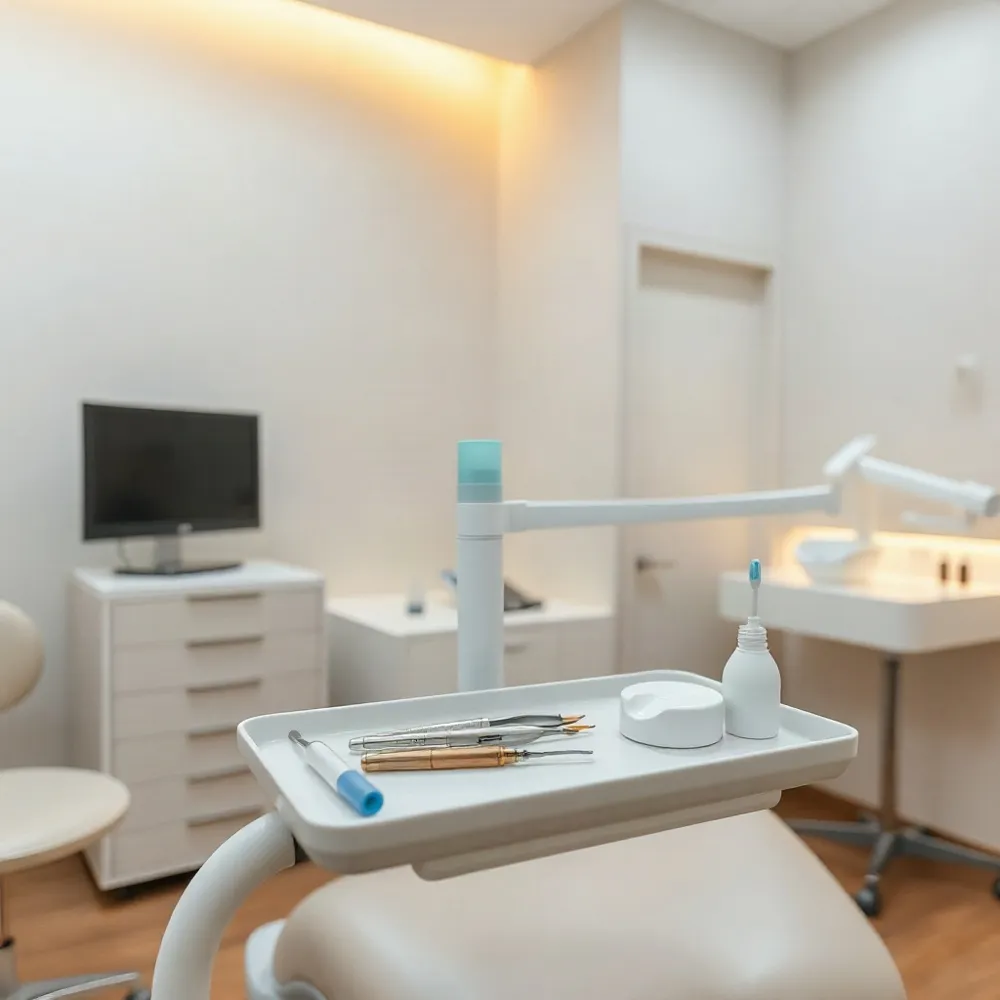 The first week with braces can bring new sensations as your teeth and mouth adjust. Having braces placed usually is not painful, but a dull ache or pressure may develop later, especially when your teeth touch or you bite down. Tenderness can also affect the gums and the areas where brackets or wires meet the lips and cheeks.
Discomfort is often most noticeable during the first couple of days, then eases as the mouth adapts, though each person’s experience differs. The American Association of Orthodontists’ guide to orthodontic discomfort describes early soreness as usually mild and temporary. Teeth may also seem slightly loose as they move. This unfamiliar feeling can be unsettling, but it can occur during treatment.
Brackets may rub the lips or cheeks, and speaking can feel different at first. These sensations often become less noticeable as you get used to the braces, without a set timeline that applies to everyone. For patients at Trielle Orthodontics, individualized treatment plans and patient education help make it easier to understand what sensations may be expected and when to ask the orthodontic team for guidance.
Soft foods such as yogurt, eggs, pasta, smoothies, or mashed potatoes can be easier to manage while teeth are tender. Avoid hard, sticky, or chewy foods that may aggravate soreness or damage braces. Orthodontic wax can cushion a spot where a bracket or wire rubs. If you consider an over-the-counter pain reliever, follow its label and ask your orthodontist or healthcare provider if you are unsure. Contact your orthodontist if discomfort is severe or a wire or bracket causes persistent irritation.
How Soreness Rises and Eases
Soreness often becomes noticeable a few hours after braces are placed or adjusted, as steady pressure starts moving teeth. At Trielle Orthodontics, individualized treatment plans and patient education help people understand what changes to expect as their teeth respond.
Tenderness commonly stands out during the first 24 to 48 hours, though the timing and intensity vary. Some people find days two or three the most uncomfortable, but there is no single peak day for everyone. The American Association of Orthodontists’ guidance on braces discomfort describes early soreness as temporary and different from person to person.
Mild tenderness when biting or chewing is common while teeth adapt to pressure. It usually eases over several days, and initial discomfort often improves within three to seven days. Cheeks and lips may also feel sore where brackets or wires rub; these tissues need time to adapt, and orthodontic wax can cushion an irritating spot.
Soreness may return briefly after later adjustments as treatment continues. Trielle Orthodontics provides personalized orthodontic care and encourages patients to contact their orthodontic team if they have questions about symptoms or comfort.
Contact your orthodontist if pain is severe, getting worse, or not improving after about a week. A prompt check can help determine whether the braces need attention or whether another cause should be considered.
Comfort Measures for Tender Teeth
 Mild soreness after braces are placed or adjusted is common and usually fades over the next few days. For at-home relief, try sipping cool water or having a cold food if it feels soothing. You can also hold a cold pack wrapped in a cloth against the outside of your cheek for short periods. These measures may ease tenderness while your mouth adjusts, as described in the American Association of Orthodontists’ guide to managing braces discomfort.
When chewing feels uncomfortable, soft foods such as yogurt, soup, mashed potatoes, and smoothies require less effort. If a bracket or wire rubs your lips or cheeks, place orthodontic wax over the area to create a smoother barrier, following the product directions. A warm saltwater rinse may soothe minor irritation, and drinking water can help limit dryness and friction in the mouth.
Over-the-counter pain medicine may be an option, but use it only according to the label. Ask your orthodontist, clinician, or pharmacist which medicine is suitable for you, especially if the patient is a child. Trielle Orthodontics provides individualized orthodontic care, so patients can ask their team for guidance that fits their treatment and circumstances.
Contact the orthodontic office if pain is severe, persistent, or getting worse, or if a bracket is loose or broken. A wire that keeps poking or rubbing may also need attention. At Trielle Orthodontics, patients receive education alongside their treatment, helping them understand when home comfort measures are reasonable and when the orthodontic team should check the braces.
Eating Comfortably With New Braces
 Choose foods that are soft and need little chewing while your teeth feel tender. Yogurt, smoothies, oatmeal, scrambled eggs, soup, applesauce, mashed potatoes, tender pasta, soft fish, bananas, and well-cooked vegetables are gentle options. The American Association of Orthodontists’ guidance on braces discomfort also recommends soft foods during the first days of adjustment.
Take small bites and chew gently, especially at first. Cooking vegetables until soft, mashing foods, or cutting them into manageable pieces can make meals easier. If hot or cold foods make sensitive teeth uncomfortable, let your own comfort guide their temperature.
Avoid hard, crunchy, sticky, and chewy foods while your teeth are sore. Popcorn, nuts, chips, pretzels, hard or sticky candy, ice, bagels, and tough meat can increase discomfort or damage brackets and wires. Whole apples and raw vegetables may also be difficult to bite; choose softer forms or cut them into small pieces instead.
These choices can help after orthodontic adjustments, too, when teeth may feel tender again. At Trielle Orthodontics, individualized treatment plans and patient education help patients receive guidance suited to their care. Follow your orthodontic team’s specific food instructions, since recommendations may vary with your braces and treatment.
When Pain May Need a Check
A tooth can become tender between appointments as it shifts, and teeth may not move at the same rate. Recent adjustments, new elastics, spacers, or other appliances can also add pressure and cause temporary soreness. Mild aching or sensitivity when biting is common during these changes.
Pain may come from the braces rather than the tooth itself. A bracket or wire that rubs the cheek or gums can leave a sore spot; orthodontic wax can cushion the area while you contact your orthodontic team for advice.
Contact your orthodontist about sharp pain in one spot, severe or persistent discomfort, swelling, or a broken or poking component. The American Association of Orthodontists advises prompt contact for severe or long-lasting pain and loose or broken braces.
If you are unsure whether a symptom is expected, ask your orthodontic team rather than trying to diagnose it yourself. At Trielle Orthodontics, individualized treatment plans and patient education help patients get guidance suited to their braces and symptoms. For temporary tenderness, soft foods, wax over a rubbing spot, and an over-the-counter pain reliever used according to its label may help.
What Braces Removal May Feel Like
Braces removal is usually not painful, but the process can feel unfamiliar. As brackets are loosened, you may notice brief pressure, squeezing, or pulling. Polishing away the adhesive can create vibration against your teeth.
Afterward, teeth or gums may feel mildly sore or sensitive, especially when biting or eating hot, cold, or hard foods. This usually eases within a few days, though mild sensitivity can last about a week. The American Association of Orthodontists’ guidance on orthodontic discomfort explains that tenderness can accompany changes in orthodontic treatment and generally settles as the mouth adjusts.
Your first retainer may create temporary pressure as your mouth adapts. Follow your orthodontist’s instructions for wearing and caring for it. At Trielle Orthodontics, individualized treatment plans and patient education help patients understand each stage of care, including the transition from braces to retention.
Contact your orthodontist if pain is sharp or severe, lasts beyond a week, or if your retainer feels uncomfortable or does not fit properly. Trielle Orthodontics provides personalized orthodontic care, so patients can ask their treatment team for guidance when symptoms or retainer fit raise concerns.
A Manageable Start to Treatment
Tender teeth and mild irritation from brackets or wires are common while your mouth adjusts to braces. The discomfort is usually temporary, and soft foods, orthodontic wax, or a cool compress may help you feel more comfortable. The American Association of Orthodontists’ guidance on braces discomfort explains why soreness can accompany early tooth movement.
At Trielle Orthodontics, care is personalized to each patient, so contact the team if you are unsure whether a symptom is expected. Reach out promptly if pain is severe, getting worse, or not easing, or if a loose bracket or wire is causing irritation. Your orthodontic team can advise whether your braces need to be checked.