Comfort Begins With Knowing What to Expect
Orthodontic comfort is about more than avoiding discomfort. Clear expectations, supportive communication, an individualized treatment plan, and practical preparation can make visits feel more manageable. It is normal to feel uneasy about unfamiliar equipment or sounds, not knowing what will happen, or memories of a difficult past experience.
Patients can tell the orthodontic team what concerns them and ask questions about each step. A first visit is a chance to discuss needs, learn about possible treatment, and share preferences, as the American Association of Orthodontists explains. At Trielle Orthodontics, personalized treatment planning and patient education help connect those conversations with care suited to individual needs.
This article looks at how consultation, treatment choices, modern tools, and simple routines can support a more comfortable experience. The right approach varies by person, so discussing options with an orthodontist is a useful place to begin.
Make the First Visit Informative
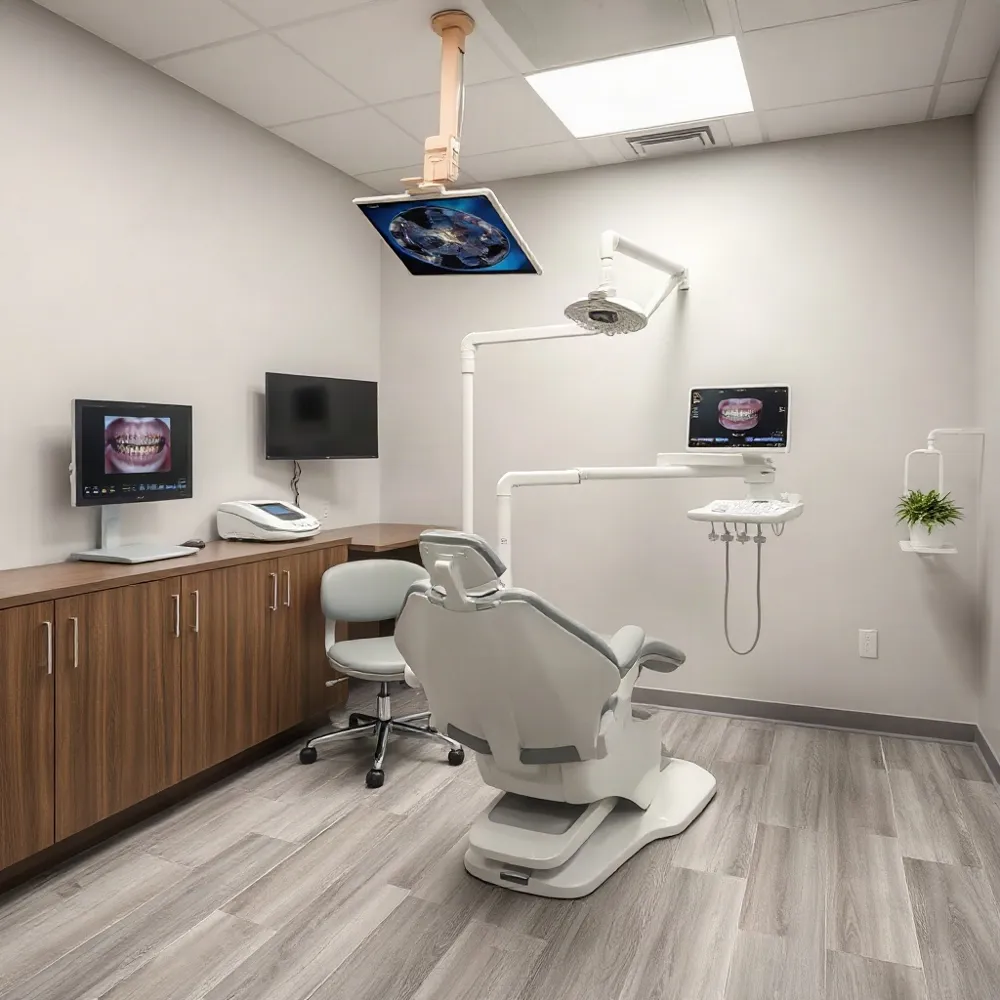 A first orthodontic consultation is a chance to talk through smile goals, share relevant health history, and ask questions before deciding on care. The American Association of Orthodontists’ first-visit guidance recommends bringing information such as dental and medical history, medications, insurance details, and a written list of concerns.
At Trielle Orthodontics in Union, NJ, the conversation can help shape an individualized plan around your needs. An orthodontist typically examines the teeth, jaws, and bite, and may use photographs, X-rays, physical impressions, or digital scans to assess alignment and support treatment planning.
After the assessment, ask what the findings mean and whether treatment is recommended. The discussion may cover options such as braces or clear aligners, expected treatment duration, possible limitations, and what happens next. A 2025 review of bracket technologies also emphasizes that appliance choice should reflect individual needs, and that comfort and suitability vary by patient and treatment type (review of orthodontic bracket advances).
The financial conversation may include fees, insurance coverage, payment choices, and payment plans. Since consultation fees and charges for diagnostic records or imaging vary by practice, ask Trielle Orthodontics what its consultation costs and includes when scheduling. Do not assume an initial visit is free or that every diagnostic service is included.
The visit is an opportunity to become informed and decide whether to proceed. Treatment does not necessarily begin that day, so take time to consider the recommendations and ask any remaining questions before choosing a next step.
Choose Treatment With Comfort in Mind
 Orthodontic options differ in visibility, day-to-day demands, and how they fit a patient’s bite. Clear aligners are removable and discreet, but they need consistent wear. Metal braces are fixed and versatile; ceramic braces use tooth-colored brackets, while lingual braces sit behind the teeth. An orthodontist can help weigh these choices against your goals and clinical needs. The American Association of Orthodontists’ overview of treatment planning explains how an examination informs recommendations.
Less visible does not always mean more comfortable. Lingual appliances can be hard to see from the outside, yet may irritate the tongue or affect speech while a patient adapts. Ceramic brackets are tooth-colored, though material properties and friction vary. Trielle Orthodontics provides individualized treatment planning and offers clear aligners and braces, so patients can discuss which approaches are available and suitable for their case.
Self-ligating braces hold the wire with a built-in clip or sliding door instead of elastic ties. Research describes possible differences in friction and chairside time, but does not establish that these braces shorten treatment or reduce discomfort for every patient. A recent review of orthodontic bracket advances also notes that results depend on the appliance and individual needs.
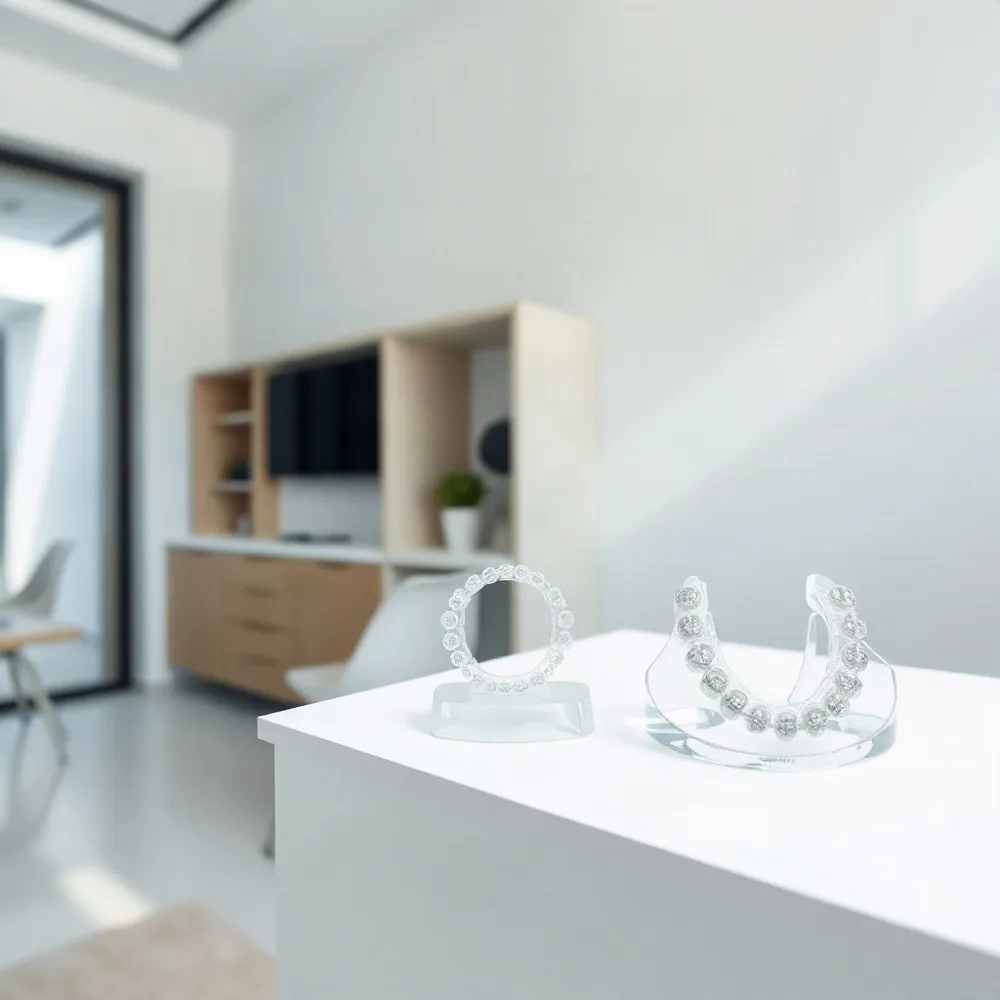
LightForce is a customized system that uses digital scans and 3D printing to make tooth-colored brackets shaped for a patient’s teeth. The orthodontist bonds the brackets in place and connects them with a wire to guide tooth movement. The intended fit is individualized, but the brackets remain fixed and require checkups. Ask Trielle Orthodontics which options it offers, and discuss how bite, tooth shape, treatment goals, comfort, and cost affect the recommendation.
Use Technology to Improve Understanding
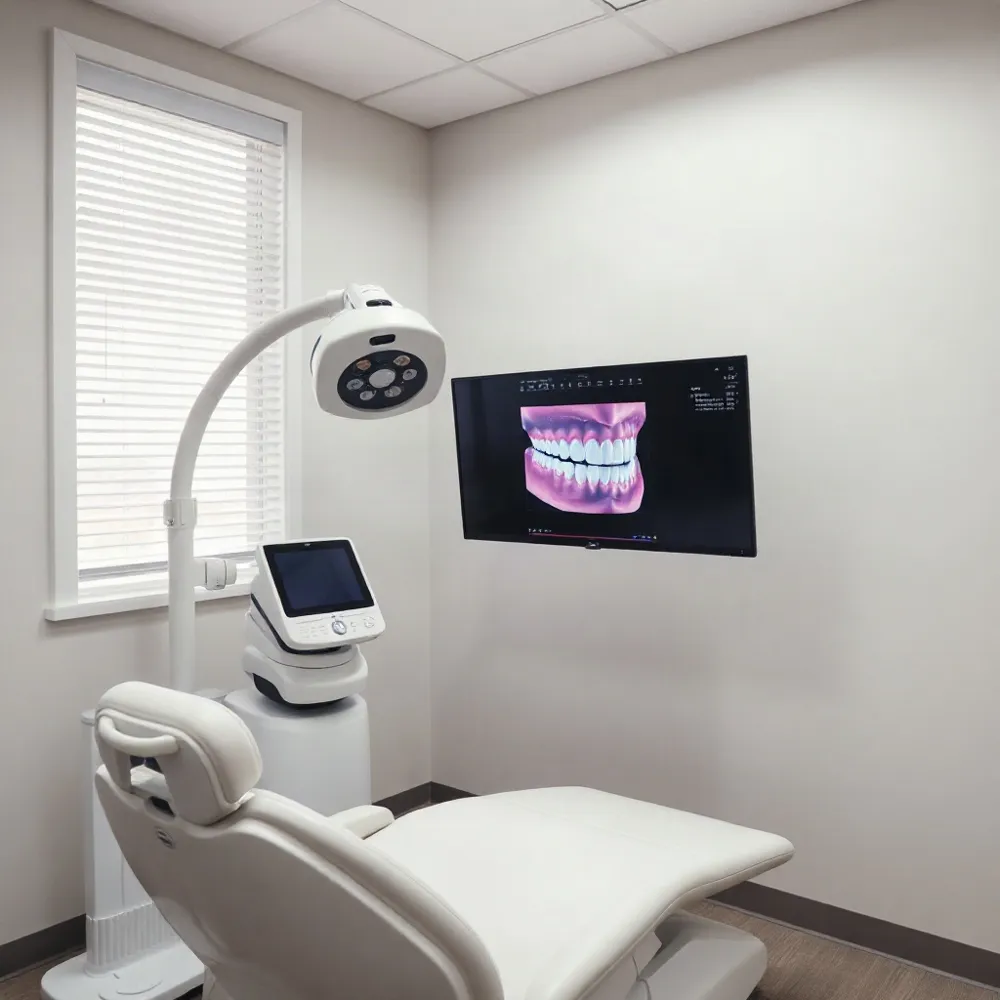 Digital tools can make it easier to see what an orthodontist is assessing and why a particular plan may fit. In many cases, an intraoral scanner captures a digital model of the teeth instead of using a tray of impression putty. The model can help assess alignment and support treatment planning, though the tools used depend on the patient’s needs and the practice’s approach.
Digital models and imaging can help clinicians explain how teeth may move and compare treatment options. Three-dimensional imaging, including cone-beam CT, may be useful when a more detailed view is needed, but it is not automatically part of every patient’s care. The American Association of Orthodontists’ overview of a first appointment describes how diagnostic records can inform an examination and treatment discussion.
Computer-aided design and 3D printing can help create customized models or appliances. Research reviews describe a range of bracket technologies, while noting that benefits and evidence vary by design and patient; these tools do not guarantee shorter treatment or fewer visits (review of recent advances in orthodontic brackets. Artificial intelligence and machine-learning tools may assist with image analysis or predicting tooth movement, but they support rather than replace an orthodontist’s clinical judgment.
At Trielle Orthodontics, treatment planning is individualized, and patients can discuss which tools may help explain their options. Technology is one possible way to support comfort and understanding, not a promise that a particular scanner, imaging system, or appliance will be used.
Know How Braces Placement and Wires Work
The time between an orthodontic consultation and getting braces varies. Your treatment plan, the office schedule, and any preparation, such as a cleaning or other dental work, can affect when treatment begins. At Trielle Orthodontics, individualized treatment planning means the team can explain your timeline and the steps ahead.
At a braces-start visit, the orthodontic team confirms the plan, prepares the teeth, bonds brackets in place, and threads a wire through them. They also review how to care for your braces and what to expect as you adjust. Appointment length varies, so ask your orthodontist how much time to allow.
Archwires connect the brackets and apply controlled force to guide teeth toward better alignment. As treatment progresses, the orthodontist may change the wire’s shape, thickness, or material to suit the movement needed. Regular checkups let the team assess progress and make adjustments.
Braces placement is generally not painful, but tenderness or pressure can develop later as your teeth adapt. Soft foods, cool drinks, and orthodontic wax over rubbing brackets may help. Ask a clinician before taking medication, and follow their guidance. Trielle Orthodontics provides individualized treatment plans, so discuss any discomfort with the team rather than relying on general advice alone.
Contact your orthodontist if pain is severe or persistent, or if a wire or bracket is poking or loose. Home comfort measures can help with mild irritation, but they do not replace advice tailored to your situation. The American Association of Orthodontists’ first-visit guidance explains how an examination and treatment discussion help inform care.
Build Comfortable Routines Between Visits
Small habits between appointments can make orthodontic care easier to manage. For clear aligners, the “30-minute rule” usually means putting them back in about 30 minutes after removing them to eat or clean your teeth. This can help you meet the commonly prescribed daily wear time of 20 to 22 hours, but follow your orthodontist’s specific instructions.
Some advice also recommends waiting around 30 minutes after eating or drinking anything other than water before reinserting aligners. Brush first when possible, or rinse your mouth well, to reduce the chance of trapping food and acids against your teeth. Ask your orthodontist how to fit this timing into your routine.
Prepare for visits by leaving enough time to arrive without rushing, wearing comfortable clothes, and writing down questions in advance. At Trielle Orthodontics, individualized treatment planning and patient education give patients a basis for discussing concerns and preferences with the care team.
Tell the team about anxiety, past experiences, sensory sensitivities, or whether step-by-step explanations would help. You can also ask whether breaks, a pause signal, music, or a companion are permitted rather than assuming these supports are available. Slow breathing or mindfulness may help some people feel calmer, but they are optional coping strategies, not guaranteed solutions.
If discomfort or anxiety is making it hard to follow your treatment plan, let your orthodontist know. The American Association of Orthodontists’ first-visit guidance encourages patients to discuss concerns and ask questions, and that communication remains useful throughout care.
Make Comfort Part of the Conversation
A comfortable orthodontic experience starts with choices that fit your needs, realistic expectations, and preparation for each visit. Tell your orthodontist what concerns you, whether that involves discomfort, appointment pace, or a treatment option. The American Association of Orthodontists’ first-visit guide recommends discussing questions and concerns as part of learning about treatment.
Ask how appliances, technology, costs, and follow-up care relate to your case. Bracket designs and their potential comfort benefits vary, and no option suits everyone, as a review of recent orthodontic bracket advances explains. Trielle Orthodontics offers individualized treatment planning and flexible payment options, so patients can discuss practical preferences alongside clinical recommendations.
A consultation can clarify available options and help you decide on a next step, without committing to a particular treatment or promising a specific comfort level. At Trielle Orthodontics, patient education is part of care, giving you space to raise concerns and understand the plan before moving forward.