A Smile Worth Revisiting
Orthodontic care is not just for teenagers. Adults at many stages of life can explore options for improving their smile, whether their teeth have shifted over time or they are considering treatment for the first time. The American Association of Orthodontists reports that one in three orthodontic patients is an adult.
A healthier smile may bring together appearance, function, and oral health. Improving alignment can make teeth easier to clean and may help address bite concerns that affect chewing. At Trielle Orthodontics, adult care is based on personalized treatment planning, not a one-size-fits-all approach.
Age alone does not determine whether treatment is appropriate. An orthodontic evaluation considers your teeth, bite, oral health, and goals to help identify suitable options. The AAO’s overview of orthodontic benefits explains why a thorough assessment is an important starting point.
Age Is Only One Consideration
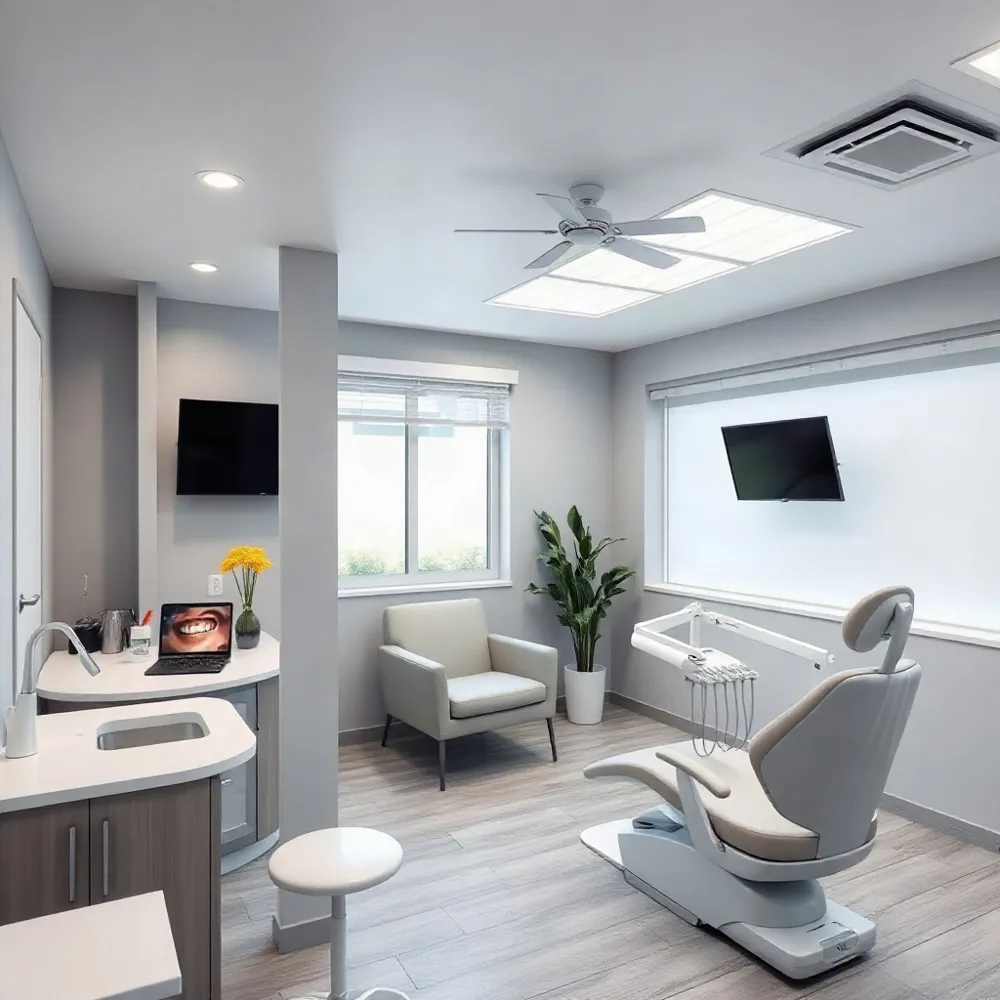 Adults can pursue orthodontic treatment at many stages of life. Teeth continue to respond to controlled pressure, and the American Association of Orthodontists’ guidance on adult orthodontics explains that age alone does not rule out care. Suitability depends more on oral health, dental history, and the concern being treated.
An assessment can look at crowding, gaps, bite problems, difficulty cleaning, uneven tooth wear, or changes since earlier treatment. Crooked or overlapping teeth may be harder to clean, while bite issues can affect chewing or put excess pressure on teeth. At Trielle Orthodontics, individualized treatment planning takes a patient’s needs and goals into account.
Adult teeth are more firmly set in the jaw than children’s teeth, so treatment for a similar issue may take longer. An orthodontist can estimate timing after reviewing the case, rather than relying on a general timeline.
A consultation should consider teeth and gums, past dental care, and personal goals. Crowns or fillings, missing teeth, gum disease, medications, smoking, and grinding can affect planning. Depending on the findings, an orthodontist may coordinate care with a general dentist or another specialist.
Before deciding, ask about suitable options, expected treatment time, costs, and the care instructions involved. Treatment also requires regular visits and consistent attention to oral hygiene. Trielle Orthodontics provides personalized orthodontic care and flexible payment options, which can help frame both the clinical plan and practical considerations. Weighing these commitments against concerns about comfort, cleaning, tooth wear, or confidence can help clarify whether treatment fits your priorities.
Function and Confidence Go Together
Orthodontic care can address more than the look of a smile. For adults, alignment and bite correction may support everyday functions such as chewing and speaking, with the right approach depending on an individual assessment.
Crowded or overlapping teeth can be harder to brush and floss effectively. Plaque may collect in difficult-to-reach areas, contributing to tooth decay or gum disease, while an uneven bite can place extra pressure on some teeth and lead to abnormal wear. The American Association of Orthodontists’ overview of orthodontic benefits explains how alignment can relate to oral hygiene and bite function.
A better-aligned bite may spread chewing forces more evenly, but treatment cannot guarantee that disease, discomfort, or future dental problems will be avoided. Orthodontics also does not replace routine dental checkups, brushing, or flossing. Trielle Orthodontics provides individualized care, with treatment planning that considers each patient’s needs and oral health.
Many adults also value having a smile they feel comfortable sharing. That may support confidence, though each person’s experience is different. An orthodontic consultation can help clarify which functional or aesthetic goals may be addressed and how treatment fits alongside ongoing dental care.
Choosing an Appliance That Fits
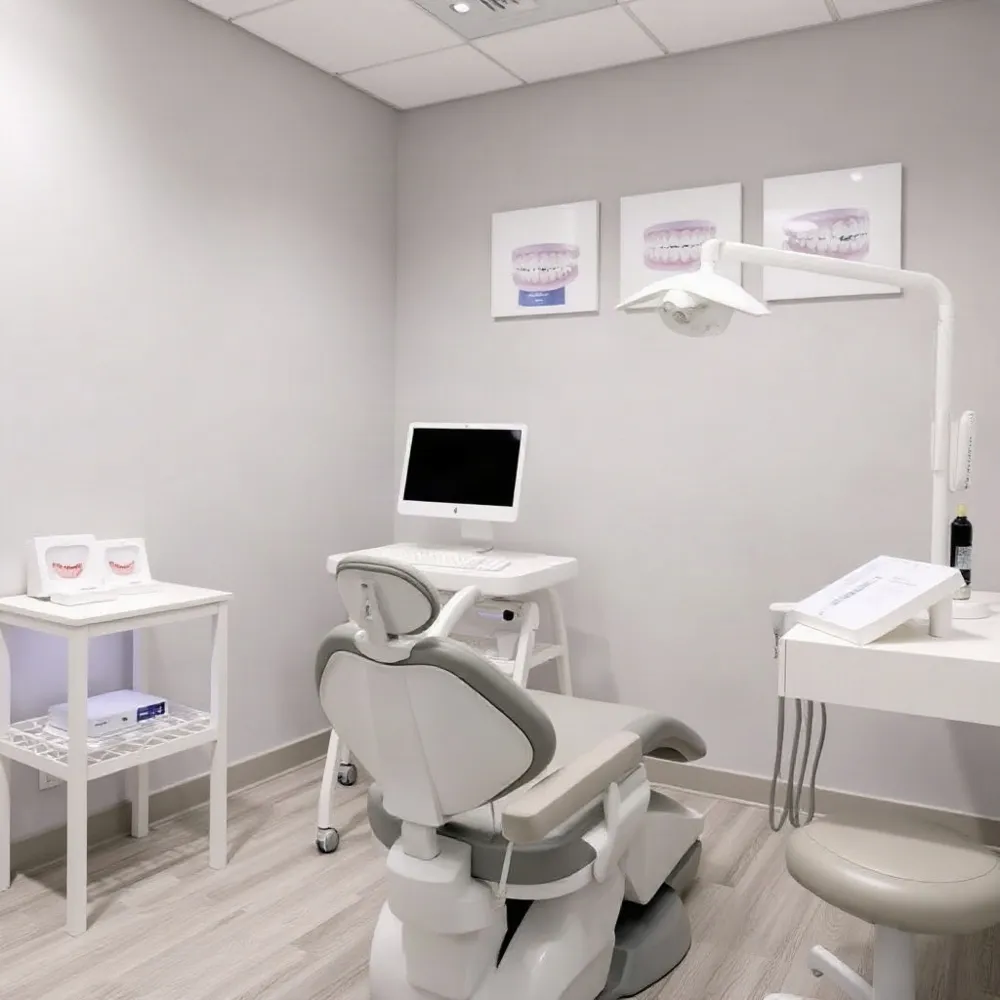 Adults can choose among traditional metal braces, tooth-colored ceramic braces, clear aligners, and, in some cases, lingual braces attached behind the teeth. At Trielle Orthodontics, treatment planning is personalized to each patient’s teeth, bite, and preferences rather than based on age alone.
Braces use brackets and wires fixed to the teeth, allowing an orthodontist to address a range of alignment and bite concerns. Ceramic braces work similarly but use tooth-colored or clear brackets, making them less noticeable than metal braces; they can treat many alignment and bite problems, depending on the case. Clear braces are not the same as clear aligners, which are removable trays.
Aligners can be taken out for meals, brushing, and flossing, but they need consistent wear, commonly about 20 to 22 hours a day. Fixed braces stay in place, so cleaning around brackets and wires takes extra care. Ceramic braces may also need attention around elastic ties, which can stain with some foods and drinks.
Each option brings different daily habits, and neither is right for every patient. The American Association of Orthodontists’ guidance on clear aligners explains that an orthodontist should assess whether aligners, braces, or a combination is appropriate. Trielle Orthodontics provides individualized orthodontic care, so appliance selection can account for a patient’s treatment needs and lifestyle.
Either approach may cause temporary discomfort as teeth begin moving. After active treatment, retainers are typically used to help keep teeth in their new positions. An orthodontic assessment can clarify which appliance fits the bite and treatment goals, along with the care routine it will require.
Understanding Treatment Commitments
Braces can move adult teeth, but the process takes time and calls for regular care. Treatment length depends on the orthodontic problem and the appliance; adults may need more time than children. The American Association of Orthodontists notes that timelines vary with case complexity, so an orthodontist’s assessment is more useful than treating two years as a promise. Adult orthodontic treatment timelines should be based on an individual examination.
Fixed braces also require routine appointments and careful brushing and flossing around brackets and wires. Plaque can collect near the hardware, raising the risk of cavities and gum problems; an orthodontist can show patients how to clean effectively. At Trielle Orthodontics, individualized treatment planning and patient education help adults understand the care involved before deciding.
Some soreness may occur as teeth move or after adjustments. Root resorption, or shortening of a tooth’s root, is another risk to ask about, not an inevitable outcome. Existing gum disease, bone loss, missing teeth, fillings, crowns, or other dental work may affect the plan. A thorough in-person examination should include a review of dental and health history and appropriate diagnostic records. Any active dental disease may need attention before orthodontic treatment begins.
Braces reposition teeth, but they do not change the underlying structure of an adult jaw. Some skeletal or bite problems may need a different approach, potentially including surgery. An orthodontist can explain which concerns braces can address, what treatment may not achieve, and how retainers and follow-up care fit into maintaining results.
Before committing, ask about treatment goals and limits, the expected timeline, costs, possible risks, and maintenance. Trielle Orthodontics provides personalized orthodontic care and flexible payment options, so a consultation can also clarify how a proposed plan fits a patient’s needs and budget.
Planning for the Cost
 How much adult orthodontic treatment costs depends on the work needed, the appliance selected, the expected treatment time, and local fees. There is no single price that applies to every patient. The American Association of Orthodontists’ guidance on adult orthodontics notes that case complexity, location, and the orthodontist all affect cost.
An examination and personalized treatment plan are needed for an accurate estimate. The plan can clarify the recommended approach and expected duration, while any additional dental care may also affect what you pay. At Trielle Orthodontics, a consultation can include a discussion of treatment options and flexible payment arrangements, without assuming that one plan or price fits everyone.
Dental insurance may cover some adult orthodontic care, but benefits differ by policy. Some plans include a limited benefit or lifetime maximum, while others exclude adult treatment. Policies may also set age limits, waiting periods, or provider restrictions. There is no universal age cutoff for orthodontic treatment, but a specific insurance policy may have its own eligibility rules.
Before starting, review your policy and confirm orthodontic benefits, exclusions, and any limits directly with your insurer. Ask how the plan handles your expected treatment and provider, then discuss the remaining costs and payment options during a consultation with Trielle Orthodontics.
Checking Medicaid Eligibility
Can adults use Medicaid to help pay for braces? Possibly, but adult orthodontic coverage is limited and varies by state and plan. Medicaid generally does not cover braces for cosmetic reasons. In some cases, treatment may be considered when a significant functional problem affects chewing, speaking, or jaw function.
Eligibility depends on the program’s rules and the details of the case, so check your state Medicaid program’s criteria and ask an orthodontist whether your condition may qualify. For New Jersey residents, confirm the orthodontic benefits available under the plan and whether prior authorization is required before treatment begins.
At Trielle Orthodontics in Union, NJ, personalized treatment planning and flexible payment options can help patients review possible next steps. If Medicaid does not cover care, check whether another dental insurance plan offers orthodontic benefits and ask the practice about available payment arrangements.
Start With a Conversation
It is not too late to ask whether orthodontic care could support a healthier smile. The American Association of Orthodontists recommends an in-person assessment to understand your needs and possible options (AAO guidance on orthodontic benefits).
At a consultation, bring your concerns, dental history, and questions about appliances, timing, and budget. Trielle Orthodontics provides personalized orthodontic care and flexible payment options, so those practical details can be part of the discussion from the start.
A professional assessment can clarify which approaches may suit your teeth, gums, and goals, along with possible next steps. Getting that information does not obligate you to begin treatment. It gives you a clearer basis for deciding whether care is right for you.