Why the Choice Matters
Understanding Your Orthodontic Goals
The decision between clear aligners and traditional braces is more than an aesthetic preference; it sets the stage for how your treatment will fit into your daily life. Both options require careful consideration of your personal goals, lifestyle, and the specific correction needed for your smile. The best choice is the one that aligns with your commitment to a successful outcome.
The Range of Orthodontic Options
Modern orthodontics offers a spectrum of effective appliances. Clear aligners provide a removable, discreet path for many, while traditional braces remain the gold standard for complex cases requiring consistent force. Your orthodontist will evaluate your unique dental structure to recommend the system most likely to achieve predictable, lasting results.
Personalized Care at Trielle Orthodontics
At Trielle Orthodontics, we prioritize a treatment plan tailored to you. Using advanced digital imaging and a thorough evaluation, we design a customized plan that respects your goals, whether that means the flexibility of aligners or the precision of braces. Our approach combines modern technology with a focus on your comfort and long-term oral health.
| Consideration | Clear Aligners | Traditional Braces |
|---|---|---|
| Primary Advantage | Discreet, removable, easy hygiene | Precise, constant force for complex issues |
| Daily Commitment | Must be worn 20-22 hours; self-discipline needed | Fixed appliance; no daily wear decision needed |
| Ideal Patient Profile | Mild to moderate issues; reliable, responsible | Severe misalignment; all ages, including younger patients |
| Lifestyle Impact | No food restrictions; fewer office visits | Dietary restrictions; more frequent adjustments |
Understanding Clear Aligners: Technology and Mechanics
What Are Clear Aligners and How Do They Work?
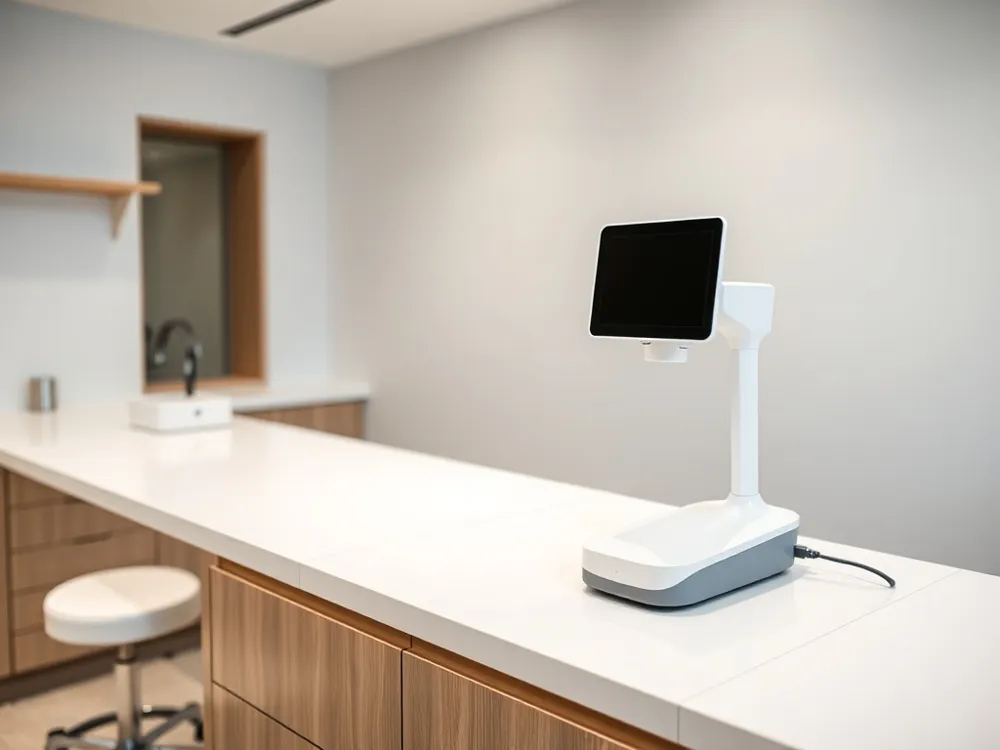
Clear aligners are a series of custom-made, transparent plastic trays designed to straighten teeth through gentle, incremental pressure. Unlike traditional braces with brackets and wires, aligners are removable and nearly invisible, providing a discreet orthodontic option. The process begins with a precise 3D digital scan of your teeth, using an intraoral scanner to create a virtual model. This eliminates the need for messy traditional impressions and allows for a highly accurate treatment plan.
The Digital Treatment Process
Your orthodontist uses specialized software, such as ClinCheck from Invisalign, to plan every tooth movement and map your entire journey from start to finish. This allows you to preview your future smile before treatment begins. Each aligner in the series is then fabricated to match this digital plan. The goal is to move teeth in small, controlled increments toward healthy alignment, addressing the full bite, not just visible teeth.
Wear Schedule and Compliance
The key to successful treatment is strict adherence to the wear schedule. Aligners must be worn for 20 to 22 hours per day, removing them only for eating, drinking anything other than water, brushing, and flossing. Patients typically wear each set of trays for about one to two weeks before switching to the next, which introduces new, slightly different forces to continue progressing toward the final result. Consistent wear is critical; inconsistent use can delay your treatment timeline or compromise results. This pre-planned, predictable approach, supported by advanced technology, often leads to faster treatment than traditional braces for suitable cases. The table below summarizes the key technology components.
| Component | Description | Purpose |
|---|---|---|
| Custom-Made Trays | Transparent, medical-grade plastic trays | Apply gentle, incremental pressure to shift teeth |
| 3D Digital Scan | Intraoral scanner capturing teeth and bite | Creates precise virtual model for treatment planning |
| Treatment Software | ClinCheck or similar planning programs | Maps every tooth movement; allows patient to preview results |
| Wear Schedule | 20-22 hours/day; change trays every 1-2 weeks | Ensures consistent, controlled force for effective treatment |
Aesthetic and Comfort Comparison: Aligners vs. Metal Braces

How Do Clear Aligners Compare to Traditional Metal Braces in Terms of Appearance, Comfort, and Treatment Time?
Visibility is a primary factor in the choice between aligners and braces. Clear aligners are made of transparent, medical-grade plastic and are virtually invisible when worn, offering a discreet treatment option appreciated by adults and teens AAO info. Traditional metal braces are highly noticeable, though ceramic brackets are a less visible alternative. AAO info
Mouth comfort also differs significantly. Clear aligners are made of smooth plastic that wraps snugly around the teeth, causing less irritation to the gums and cheeks. Metal braces, with their brackets and wires, can cause soreness after adjustments and may rub against soft tissues, especially during the initial adjustment period. Eberle Orthodontics The smooth plastic of aligners is a major comfort advantage.
The commitment to wear-time is crucial. For clear aligners to be effective, patients must wear them for 20–22 hours per day, only removing them for eating and cleaning. Inconsistent wear can delay results. Metal braces are fixed to the teeth and provide continuous, around-the-clock treatment without relying on patient compliance. Eberle Orthodontics
Treatment time is similar for many cases. Clear aligner therapy typically ranges from 6 to 18 months, while traditional braces often take 18 to 36 months, depending on case complexity. For complex orthodontic problems like severe crowding or major bite issues, braces are often more effective and can be faster. Eberle Orthodontics
| Feature | Clear Aligners | Traditional Metal Braces |
|---|---|---|
| Appearance | Virtually invisible, discreet | Highly noticeable metal brackets and wires |
| Comfort | Smooth plastic; less mouth irritation | Brackets and wires can cause sores and discomfort |
| Wear-Time Requirement | 20-22 hours daily (patient-dependent) | Continuous, fixed to the teeth |
| Treatment Scope | Effective for mild to moderate cases | Effective for a wider range, including complex cases |
Adult Patients: Benefits and Success Rates
Are clear aligners effective for adults, and what specific benefits do they offer adult patients?
Yes, clear aligners are highly effective for adults. Clinical studies show leading systems can achieve a predictability rate as high as 96% when prescribed by an orthodontist. This effectiveness is built on advanced digital treatment planning, which maps every tooth movement before treatment begins.
The primary benefit is discretion. The nearly invisible trays allow you to straighten teeth without the noticeable metal brackets of traditional braces, boosting confidence in both professional and social settings. This aesthetic advantage makes aligners a popular choice for adults who want to maintain a professional appearance.
Comfort and Lifestyle
Clear aligners offer significant lifestyle advantages over traditional braces. Because they are removable, you can eat all your favorite foods without worry. Oral hygiene is also simplified, as you can brush and floss normally, which helps reduce the risk of cavities and gum disease during treatment. This leads to fewer dietary restrictions and better long-term dental health.
Furthermore, treatment is often more convenient. Appointment intervals are typically every eight to twelve weeks, compared to the monthly visits required for braces. A typical treatment plan lasts between six and 18 months, often shorter than the two to three years common with braces.
Combined Treatments for a Complete Smile
An exclusive benefit for adults is the ability to seamlessly combine aligner therapy with other cosmetic or restorative treatments. For example, your orthodontist can coordinate aligner treatment with procedures like tooth whitening, bonding, or veneers to enhance your overall smile. Some patients may also use aligners in combination with Botox for facial aesthetics, under the guidance of a qualified professional.
| Feature | Clear Aligners | Traditional Braces |
|---|---|---|
| Appearance | Virtually invisible, clear plastic | Visible metal brackets and wires |
| Confidence | Maintains confidence in social/work settings | May cause self-consciousness |
| Oral Hygiene | Simple, as aligners are removable | Requires special tools to clean around brackets |
| Diet | No restrictions; remove to eat | Must avoid hard, sticky, or crunchy foods |
| Treatment Duration | Usually 6-18 months | Typically 18-36 months |
| Office Visits | Every 8-12 weeks for progress checks | Monthly for adjustments |
Cost Considerations: How Much Do Aligners Really Cost?
What is the typical cost range for clear-aligner treatment (e.g., Invisalign) in the United States?
In the United States, the cost for clear-aligner treatment typically ranges from $3,000 to $8,000. The national average sits around $5,100. This price varies based on case complexity, treatment length, location, and the provider's expertise. For example, a mild case may start near $2,000, while complex cases can exceed $8,000. At Trielle Orthodontics, you will receive a personalized treatment plan that reflects these specific variables.
How does case complexity affect the price?
Your total cost is directly tied to your treatment needs. A plan addressing simple crowding will be less expensive than one correcting a significant bite issue or requiring a longer duration. Treatment length directly correlates with the number of aligner sets needed, which is a primary cost driver.
Does dental insurance cover clear aligners?
Yes. Many U.S. dental insurance plans cover clear-aligner therapy much like traditional braces. The coverage often ranges from $1,000 to $3,000, depending on your plan. At Trielle Orthodontics, we provide a complimentary insurance benefits check so you can maximize your coverage.
What financing options are available at Trielle Orthodontics?
We make treatment affordable through several flexible options:
| Option | Description |
|---|---|
| In-House Payment Plans | Low or no-interest plans with monthly payments tailored to your budget. |
| Flexible Spending Account | Use pre-tax dollars from an FSA or HSA to save on out-of-pocket costs. |
| Third-Party Financing | Options like CareCredit offer extended payment plans for large expenses. |
Finally, always confirm with your insurance provider for specific details regarding orthodontic benefits, as coverage can vary.
Treatment Logistics: Number of Trays and Timeline
How Many Aligner Trays Are Usually Needed, and What Is the Typical Duration of Treatment with Clear Aligners?
The number of aligner trays is directly tied to the severity of your orthodontic issues. For mild cases, such as minor crowding or small gaps, treatment may require as few as 5 to 7 trays. Moderate cases, involving more significant crowding or spacing, often need between 20 to 30 trays. Severe complexity, such as extensive bite corrections or significant tooth rotation, can involve 40 or more trays. Each tray is typically worn for one to two weeks before progressing to the next.
Overall Treatment Duration
Duration follows a similar pattern. Mild cases can finish in as little as 6 to 12 months, with some minor corrections completed in 7 to 15 weeks. Most patients fall into the average range of 12 to 18 months. More complex corrections may extend up to two years. This is comparable to, and often faster than, traditional braces, which typically span 18 to 36 months.
Importance of Wear Compliance
Consistent wear is critical. Aligners must be worn for 20–22 hours per day to achieve predictable results. Inconsistent wear is the primary reason for treatment delays; skipping wear time stops teeth from moving as planned, extending the timeline and potentially compromising the final outcome. Compliance is a key factor in efficiency.
Trielle Personalized Planning
At Trielle Orthodontics, we use advanced 3D digital scanning and personalized software to map out your entire treatment plan before it begins. This allows us to determine the exact number of trays needed and the optimal sequence for your unique tooth movements. Your journey is tailored to your specific anatomy, ensuring an efficient, comfortable, and predictable path to a healthier smile.
| Factor | Mild Case | Moderate Case | Severe Case |
|---|---|---|---|
| Tray Count | 5–7 trays | 20–30 trays | 40+ trays |
| Typical Duration | 6–12 months (some 7–15 weeks) | 12–18 months | Up to 2 years |
| Wear Requirement | 20–22 hrs/day | 20–22 hrs/day | 20–22 hrs/day |
| Key Consideration | Quick, discreet correction | Balanced timeline | Precise, complex movement |
Your treatment plan is as unique as your smile. By prioritizing compliance and leveraging personalized planning, you can look forward to efficient, effective results with clear aligners.
When Braces Are the Better Choice: Limitations of Aligners
Why might a dentist recommend traditional braces instead of clear aligners?
For complex orthodontic issues, traditional braces are often the recommended treatment. Severe crowding, significant overbites, underbites, and open bites frequently require the precise, continuous force that brackets and wires provide. While aligners have advanced, they may not achieve the same predictable results for certain tooth movements, like rotating severely angled teeth or closing large gaps. Braces are affixed to the teeth, ensuring consistent pressure and eliminating the risk of poor patient compliance, making them the gold standard for treating a wider range of problems, especially when stable results are essential.
What are the main disadvantages or limitations of clear aligners?
The primary disadvantage of clear aligners is the strong requirement for patient compliance. They must be worn 20–22 hours daily, making missed wear time a direct cause of treatment delays. They are generally less effective for severe malocclusion caused by jaw positioning or complex tooth rotations. Other limitations include temporary discomfort, speech changes like a lisp, and the risk of the removable trays being lost or misplaced. Without diligent oral hygiene, trapped food can lead to cavities and gum disease.
Can clear aligners correct common bite issues such as overbite, gaps, and crowding?
Yes, clear aligners can effectively correct common bite issues like overbites, gaps, and crowding in mild to moderate cases. For overbites caused by tooth position, aligners with attachments and elastics can guide teeth into proper alignment. Gaps are closed by applying gentle pressure, and crowding is relieved by gradually creating space. However, severe skeletal overbites or significant crowding may still require traditional braces or surgery. A personalized assessment is essential to determine the right solution.
What lifestyle adjustments are required when using clear aligners?
Aligners require wearing them for 20–22 hours each day, removing them only for meals, drinking water, and oral hygiene. While there are no specific food restrictions since you remove them to eat, you must avoid sugary or acidic drinks while the trays are in to prevent tooth decay. Meeting the wear-time goal requires planning meals and limiting snacking to avoid prolonged removal. Using a timer or tracking app can help maintain accountability and ensure predictable tooth movement.
| Issue | Clear Aligners | Traditional Braces | Key Consideration |
|---|---|---|---|
| Complex Cases | Limited for severe rotations and jaw issues | Gold standard for complex problems | Braces offer more predictable results for difficult movements. |
| Patient Compliance | Requires strict 20-22 hour daily wear | Fixed appliance; compliance is automatic | Non-compliance with aligners delays treatment. |
| Bite Corrections | Effective for mild to moderate cases | Effective for all levels of bite issues | Severe bite problems may need braces. |
| Lifestyle | Removable; no food restrictions | Fixed; requires dietary restrictions | Aligners offer more lifestyle flexibility. |
| Cost | Often higher for complex cases | Generally more budget-friendly | Compare value based on case complexity. |
Making the Informed Decision
Weighing Your Options: A Quick Guide
Choosing between clear aligners and traditional braces involves balancing several personal and clinical factors. The table below summarizes the key differences to help you start your decision-making process.
| Factor | Clear Aligners | Traditional Braces |
|---|---|---|
| Aesthetics | Nearly invisible; popular for discreet treatment. | Noticeable metal or ceramic brackets; modern designs are less bulky. |
| Comfort | Smooth plastic; less irritation to cheeks and gums. | Can cause soreness after adjustments; brackets may rub soft tissues. |
| Lifestyle | Removable for eating, brushing; no food restrictions. | Fixed; requires dietary changes and extra oral hygiene effort. |
| Compliance | Requires disciplined wear (20-22 hours per day). | No patient compliance needed; works continuously. |
| Effectiveness | Best for mild to moderate crowding, gaps, and some bite issues. | Highly effective for a wide range, including severe and complex cases. |
The Power of a Personalized Consultation
The information above is a starting point. The most important step is a thorough evaluation by an orthodontist. During a consultation, your orthodontist will use digital scans and X-rays to assess your specific dental structure. This helps determine which treatment can achieve your goals most effectively, considering the severity of your misalignment, your bite, and your lifestyle needs.
Your Next Steps at Trielle Orthodontics
At Trielle Orthodontics, we believe in empowering you with clear information. To take the next step towards your healthier smile, consider the following:
- Schedule a Complimentary Consultation: Meet with our team to discuss your goals and have your teeth professionally evaluated.
- Ask Questions: Use the table above as a guide. Bring any questions you have about treatment duration, costs, and daily life with braces or aligners.
- Review Your Options: We will present clear aligner and traditional brace treatment plans tailored to you, explaining the pros and cons for your unique case.
Making an informed decision is the first step to a confident smile. Contact Trielle Orthodontics today to book your personalized consultation and begin your journey.