Care Beyond the Treatment Chair
A patient’s experience of orthodontic care begins before treatment starts and continues after the appointment ends. The welcome at reception, the clarity of explanations, and the ease of everyday processes can all shape how informed and comfortable a patient feels.
A thoughtfully managed office pairs clinical care with clear communication and attention to individual needs. At Trielle Orthodontics in Union, New Jersey, personalized treatment plans, patient education, and flexible payment options are part of the practice’s stated approach to care.
This article looks at how office surroundings, technology, conversation, and follow-up can support a more comfortable and personal orthodontic experience. These are general considerations, not claims about specific features of Trielle Orthodontics’ physical office.
A Welcoming First Impression
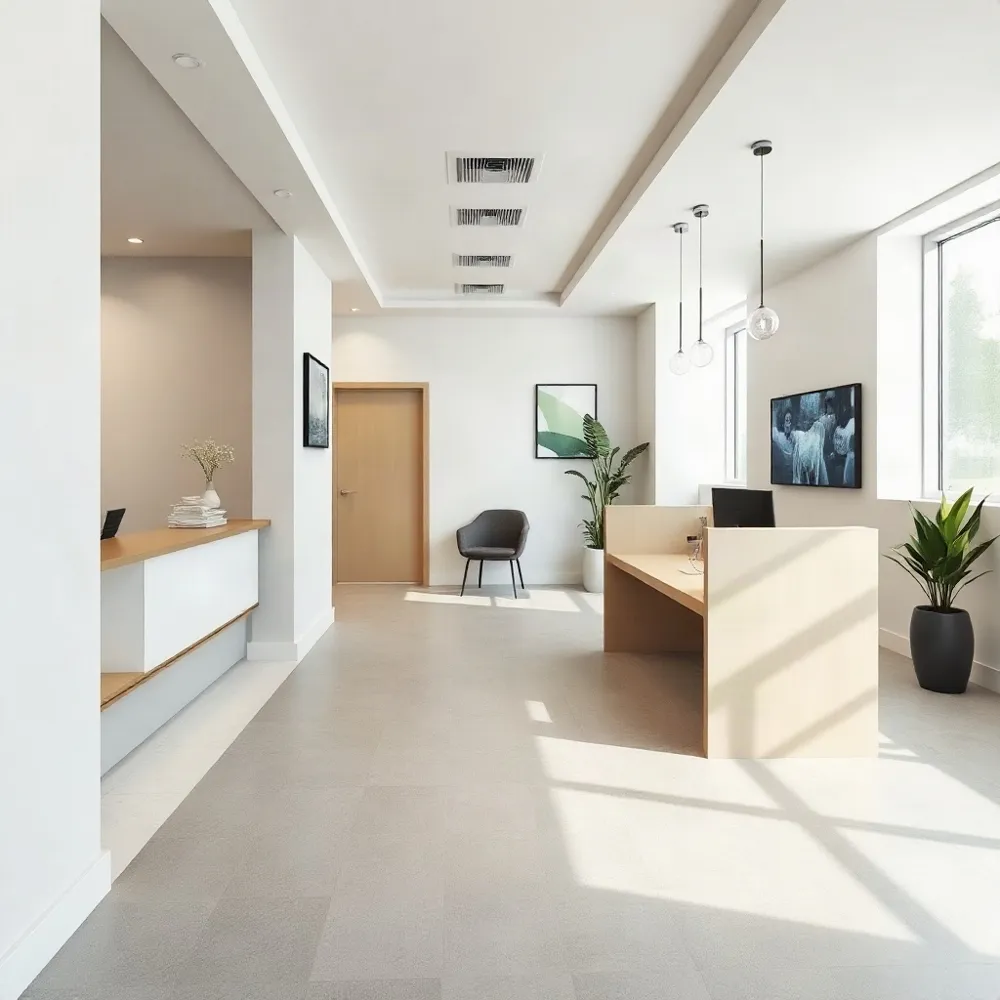 A first visit can feel easier when patients know where to go and what to expect. Clear directions, an organized reception area, a friendly greeting, and attentive staff help establish a reassuring tone before treatment begins. Comfortable seating also gives patients a chance to settle in while they wait.
The office environment can support that sense of ease without feeling overly designed. Soft or warm lighting, soothing colors, natural materials, and plants may make a dental setting feel less stark. Thoughtful sound management, such as reducing noise between areas, can also help create a calmer atmosphere. These are general design approaches, not claims about specific features at Trielle Orthodontics.
A welcoming layout must still meet practical needs. Reception and treatment areas should allow clear movement while giving patients appropriate privacy. Cleanable surfaces and organized spaces support hygiene, while an intuitive route from check-in to the clinical area can make the visit feel more straightforward.
At Trielle Orthodontics, patient care includes individualized orthodontic plans, clear patient education, and flexible payment options. Prospective patients can ask the team about the office environment and what to expect during a visit, rather than assuming a practice offers particular décor or amenities. Research on dental technology and patient experience also describes how features of the office setting can shape a patient's visit, though the available sources do not establish specific design details at Trielle Orthodontics. How technology in the dental office can affect the patient experience
Technology That Makes Care Clearer
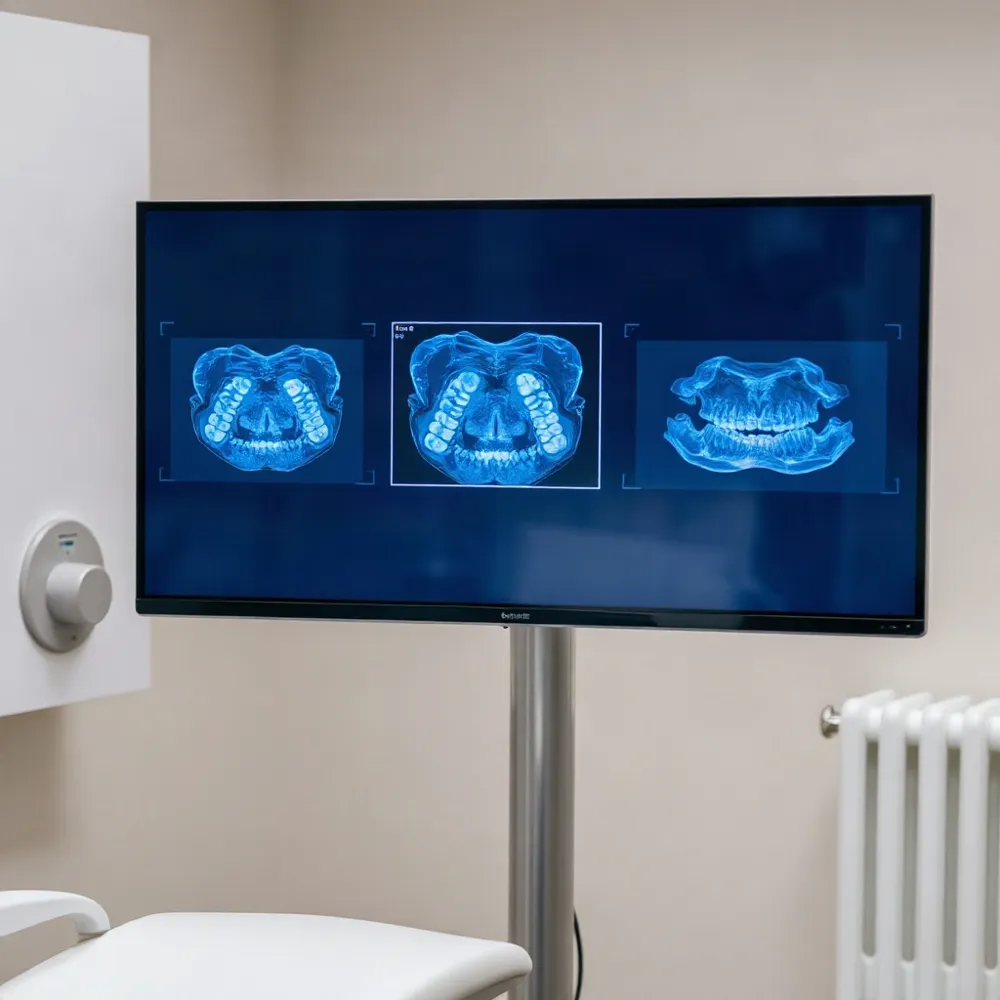 Orthodontic technology can help clinicians gather information, explain what they see, and plan care. It does not guarantee a particular result: an orthodontist must interpret the records, weigh treatment options, and monitor how each patient responds. At Trielle Orthodontics, care includes individualized treatment plans, with options such as braces and clear aligners selected around a patient’s needs.
An intraoral scanner captures digital images of the teeth and gums to create a three-dimensional model. This can avoid the trays and putty used for traditional impressions. Digital records and, when appropriate, 3D imaging can give the orthodontist useful views for assessing tooth position and planning treatment. The specific tools used depend on the clinical question and the patient.
A digital model or imaging display can make a discussion more concrete. The orthodontist can point out areas of concern, explain possible tooth movements, and compare approaches with the patient. Planning software may show a projected sequence of changes, but a simulation is an aid to discussion, not a promise of the final result. Research on digital methods in orthodontics describes their role in supporting assessment and planning, while clinical decisions remain the orthodontist’s responsibility (review of advances in orthodontics).
Digital designs can also guide 3D printing or computer-aided design and manufacturing of customized appliances. Clear aligners are one option for moving teeth; contemporary braces provide another. Neither approach suits every case, so patients should ask how the proposed method fits their bite, goals, and daily routine.
Artificial intelligence is also being explored to assist with image analysis, treatment planning, and monitoring. These tools may help organize information, but they do not replace an orthodontist’s examination or judgment. At Trielle Orthodontics in Union, NJ, consultations and patient education support a discussion of treatment choices, including braces, clear aligners, and flexible payment options. Patients can ask which technologies are relevant to their care and what each can, and cannot, tell them.
Personalized Plans and Open Conversation
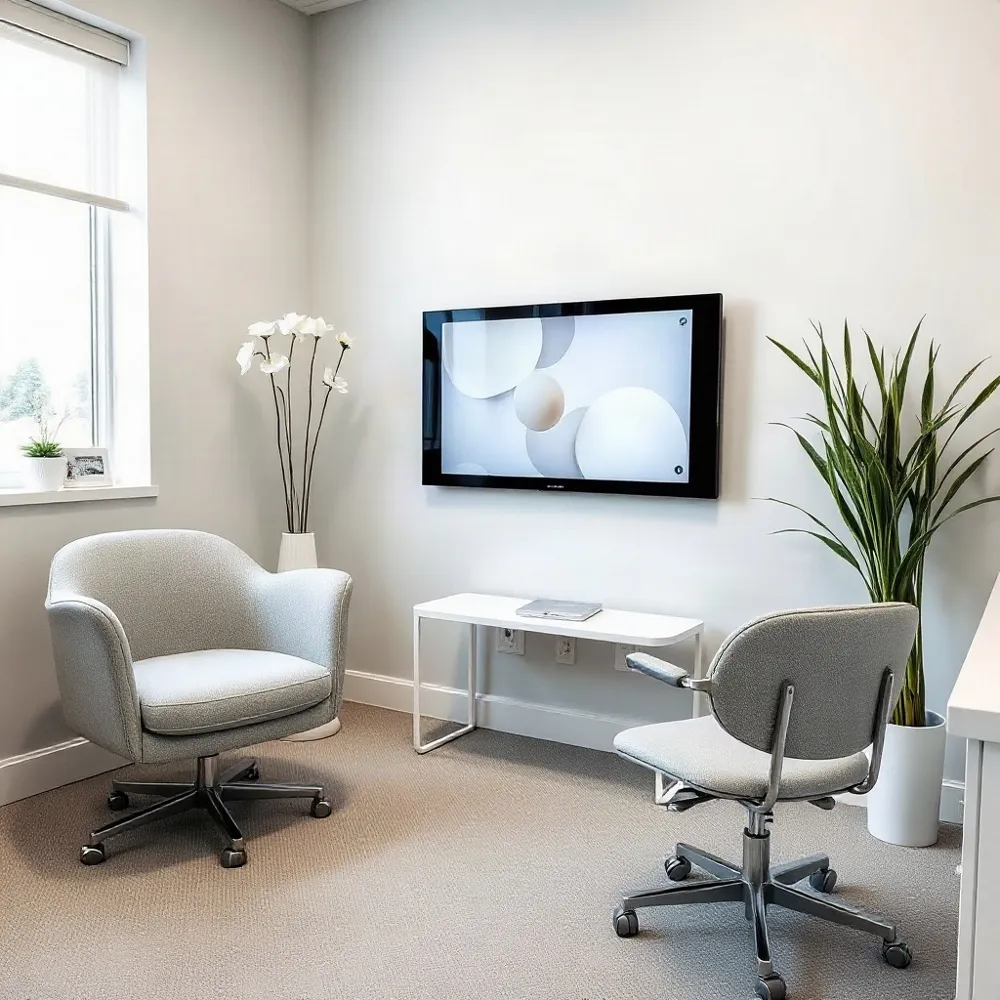 Orthodontic care should start with the person, not just the visible position of their teeth. An assessment can consider oral health, bite and alignment concerns, treatment goals, daily routines, and personal preferences. These details help the orthodontist discuss options suited to the individual rather than assuming that patients with similar concerns need the same approach.
At Trielle Orthodontics, individualized planning is part of care that includes clear aligners, braces, adult orthodontics, and facial aesthetic treatments. Patients can ask how each option relates to their goals and what responsibilities treatment may involve. The practice also emphasizes patient education, so conversations can help people understand the choices before deciding how to proceed.
Plain-language explanations make it easier to take part in those decisions. The orthodontist can describe findings, outline treatment steps, discuss what may change over time, and clarify what the patient will need to do. Patients should feel comfortable asking questions about timing, care routines, or concerns that might affect their choice.
Visual aids can make unfamiliar details easier to discuss. Educational materials, models, or digital images may help show what the care team sees and explain why a particular option is being considered. These tools support the conversation, but they do not replace an orthodontist’s assessment or guarantee a specific result.
A plan may also need adjustment as treatment progresses or a patient’s needs change. Regular discussion gives the orthodontist a chance to review progress and address new questions. At Trielle Orthodontics, the emphasis on individualized plans and patient education keeps that exchange central to choosing and understanding care.
Choosing an Orthodontic Practice
Choosing an orthodontic practice means weighing clinical qualifications, communication, and practical details together. At a consultation, ask who will oversee your care and whether that clinician is a qualified orthodontic specialist. You can also ask about experience treating concerns like yours and how the recommended approach fits your goals.
Pay attention to how the team learns about your needs. Does the orthodontist complete a thorough evaluation, listen to what you hope to change, and explain why a particular plan is recommended? A clear discussion should leave room for questions, including what the plan involves and what alternatives may be suitable. At Trielle Orthodontics in Union, NJ, care includes braces and clear aligners, with treatment plans tailored to individual patients.
Ask whether braces or clear aligners are appropriate for your situation, and what factors guide that decision. Find out how progress will be checked, whom to contact with a concern, and what communication to expect between appointments. Understanding how the office handles questions and adjustments can help you decide whether its approach feels supportive.
Practical arrangements matter, especially when appointments continue over time. Consider the office’s location and appointment availability, then ask for a clear explanation of total treatment costs, insurance coverage, and payment options. Trielle Orthodontics notes flexible payment options, but patients should confirm current terms directly with the practice rather than assume a particular plan applies.
Ultimately, a good fit combines qualified care with attentive listening, a personalized plan, and explanations you can understand. You should feel comfortable raising concerns and confident that the recommendations reflect your needs. Weigh that experience alongside cost, communication, and scheduling to choose a practice that works for your health and everyday life.
Technology Supports the Orthodontist
Artificial intelligence and digital planning tools can help organize dental information, analyze images, and model possible tooth movement. These tools may give an orthodontist useful material to consider when planning braces or clear aligner treatment. Digital displays can also help clinicians review findings with patients, supporting clearer conversations about care, as described in this overview of technology in the dental office.
Will artificial intelligence replace orthodontists?
No. AI can assist with analysis and planning, but its output needs professional interpretation. An orthodontist considers a patient’s health, goals, and circumstances, then monitors how the teeth respond and adjusts the plan when needed. A model or image cannot replace clinical judgment, hands-on care, or guidance tailored to the person receiving treatment.
At Trielle Orthodontics, the practice’s emphasis on modern technology and individualized care means tools are best understood as complementary to the orthodontic team, not as substitutes for its expertise. Patients should ask how any technology informs their proposed treatment and what decisions remain with the orthodontist.
Comfort Continues After the Appointment
A considerate visit does not end when a patient leaves the chair. Clear explanations, practical instructions, and time to raise concerns can help patients know what to expect and feel included in decisions about their orthodontic care.
After an appointment, follow-up communication may reinforce care instructions, answer questions, and help maintain continuity as treatment progresses. The right guidance depends on the patient and the care provided, so patients should feel comfortable asking the team when they are unsure about next steps.
At Trielle Orthodontics, individualized treatment planning and patient education are part of care that includes clear discussion of options such as braces and clear aligners. Together, welcoming surroundings, understandable explanations, appropriate technology, and personal attention can make each stage of the experience feel connected, from the first conversation through follow-up.
A More Informed Patient Experience
Comfort depends on more than the treatment chair. A calm setting can help, but so can clear explanations, a plan shaped around individual needs, and follow-through that leaves patients knowing what to expect. Research on dental-office technology describes how showing images during a visit can support discussion between patients and clinicians (Fortis University).
At a consultation, ask what treatment options fit your goals, how progress will be reviewed, and what costs or payment arrangements to expect. Trielle Orthodontics provides individualized orthodontic care and flexible payment options, so these practical questions can be part of the conversation from the start.
Notice whether the orthodontist listens carefully and explains recommendations in language you understand. The right practice should make room for questions and help you weigh the treatment approach against your needs, schedule, and comfort.