A First Visit Focused on Your Needs
An orthodontic assessment is a chance to talk about what you would like to change, share any concerns, and learn how your teeth and bite affect your options. At Trielle Orthodontics in Union, NJ, the discussion supports a treatment plan shaped around your needs, whether you are exploring braces, clear aligners, or another next step.
The visit is mainly for evaluation and planning, not an obligation to begin treatment. Your orthodontist can explain the findings, outline possible approaches, and answer questions about what care may involve. You can take time to consider the information before deciding. Arriving with your questions and a brief account of your goals can help make the conversation useful.
What Happens During the Assessment
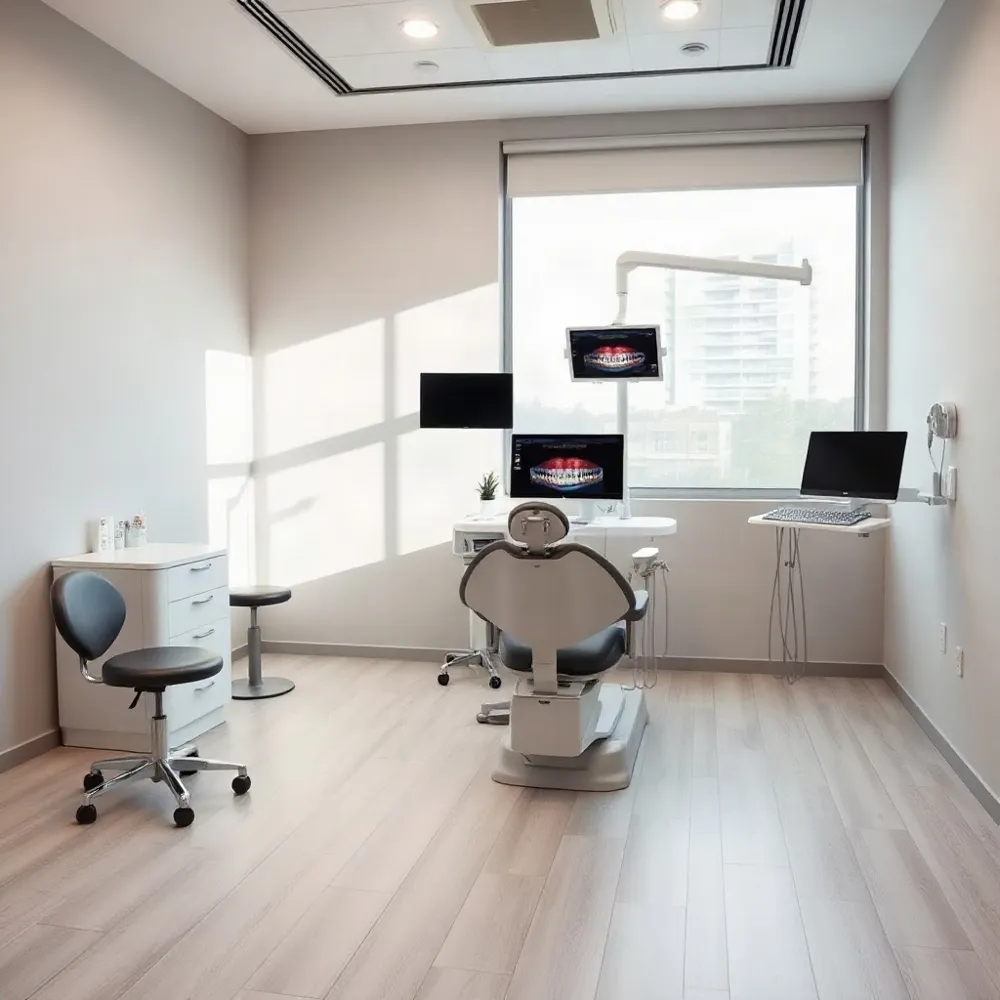 The visit usually begins with a conversation about what prompted the appointment and what you hope to change. The team may ask about your medical and dental history, current medications, previous orthodontic care, and any concerns that could affect treatment. Bringing a medication list or recent dental records can help make that review more useful.
Next, the orthodontist examines your teeth, gums, bite, and jaw alignment. They may look for crowding, gaps, or problems with how the upper and lower teeth meet. The American Association of Orthodontists describes the first appointment as a chance to review individual needs and discuss recommendations, not a commitment to start care (what to expect at a first orthodontic appointment).
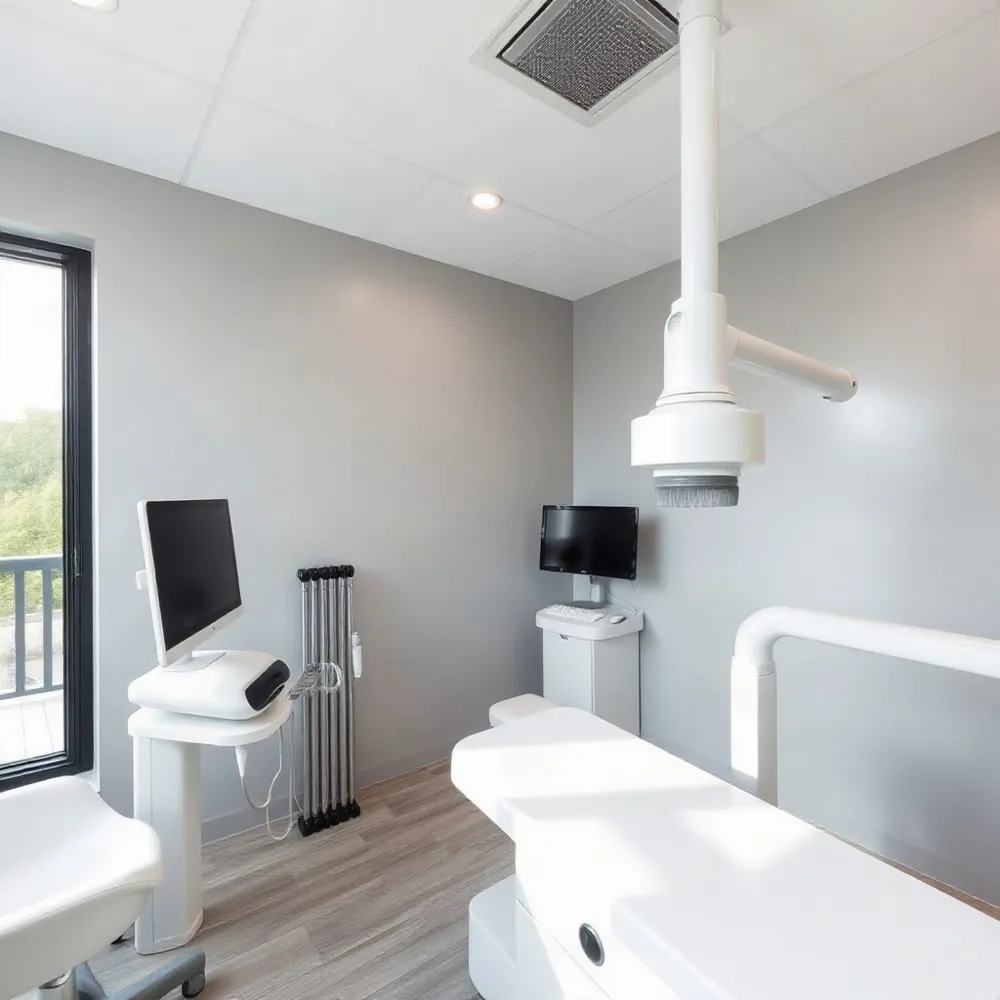
If more information is needed, diagnostic records such as photographs, X-rays, or a digital scan can help inform the evaluation. The records selected depend on the patient’s circumstances. At Trielle Orthodontics, treatment planning is personalized, with modern technology used to help assess individual functional and aesthetic needs. The clinician explains what the findings may mean and discusses suitable options, possible stages, estimated timing, and follow-up.
A plan should reflect both the examination and your goals, rather than assume one approach fits everyone. You can ask why an option is recommended, what the next steps involve, or what remains uncertain. Trielle Orthodontics also provides patient education to help people understand their assessment and consider their options before deciding how to proceed.
Why Diagnostic Images May Be Taken
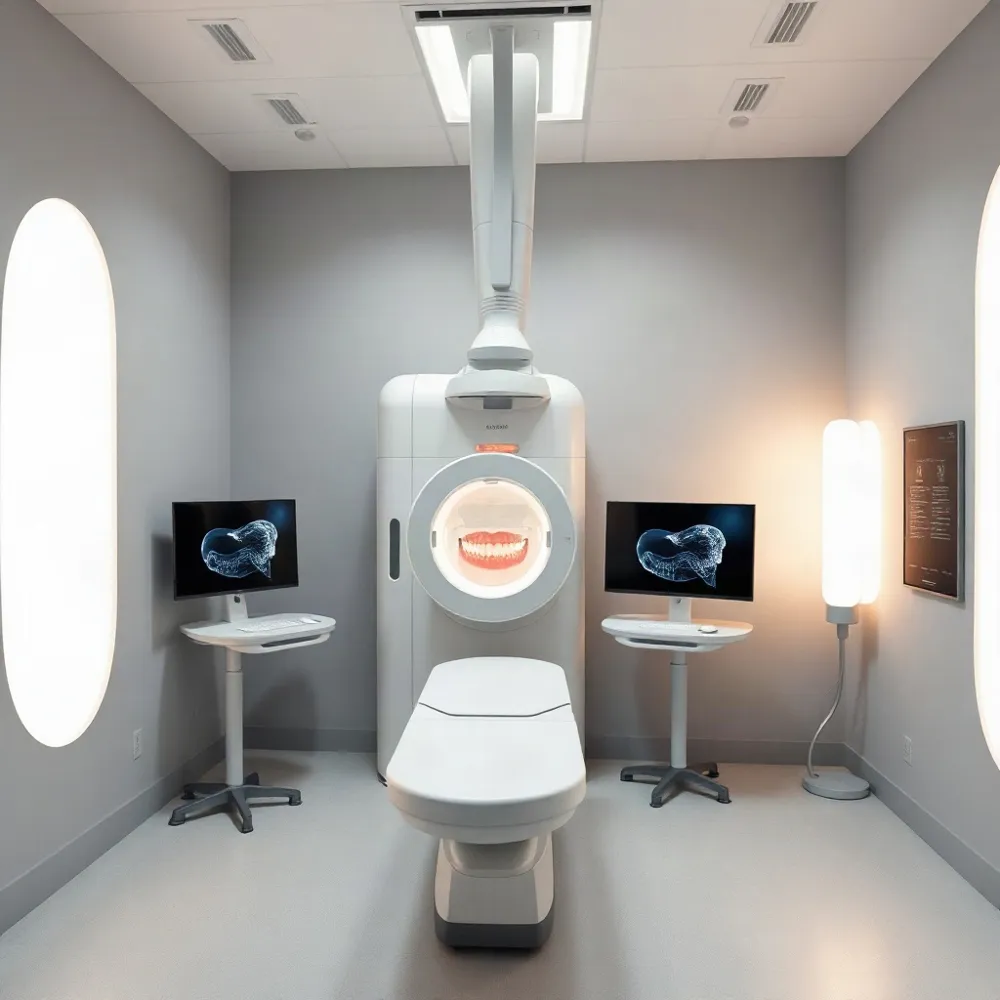 Looking at visible teeth provides useful information, but it cannot show every structure beneath the gums. When clinically appropriate, imaging can help an orthodontist assess tooth roots, jaw relationships, and supporting bone. The American Association of Orthodontists’ guide to orthodontic X-rays explains how these records can add detail to an in-person examination.
Different images answer different questions. A panoramic X-ray provides a broad view of the teeth and jaws, while a cephalometric X-ray shows the head from the side to help assess how the teeth and jaws relate to facial structures. Bitewing or periapical images may be used to examine specific teeth, roots, and nearby supporting structures. For some complex cases, cone-beam computed tomography (CBCT) can provide a three-dimensional view.
Not everyone needs every type of image. The orthodontist selects records according to the clinical question and the patient’s needs. Images may reveal concerns such as an impacted or missing tooth, root position, bone changes, or decay that is not apparent during a visual examination.
These findings can inform a diagnosis and help shape an individualized treatment plan. Imaging may also be used during care when the orthodontist needs to check changes in tooth position or jaw alignment. At Trielle Orthodontics, treatment planning is personalized, so diagnostic records are considered alongside the examination and the patient’s goals.
When Treatment May Need to Wait
An assessment may lead to a recommendation to address another concern first, or to monitor development before starting orthodontic care. That is a valid outcome, not a failed visit.
Untreated cavities, gum disease, or other dental problems may need attention because orthodontic appliances can make cleaning more difficult. The orthodontist may coordinate with your general dentist or another provider before treatment begins. The American Association of Orthodontists’ first-visit guidance describes how the exam and health history help inform an individualized recommendation.
Timing can also depend on growth, tooth development, medical history, and whether daily brushing and flossing or treatment instructions are manageable. If a patient needs extra support, the care team can discuss an approach that takes those needs into account. At Trielle Orthodontics, treatment plans are individualized, with options that include braces and clear aligners.
Cost, insurance coverage, scheduling, and personal readiness are practical matters to raise during the discussion. They do not determine a clinical diagnosis, but they can shape when and how a patient proceeds. Trielle Orthodontics offers flexible payment options, which can be discussed alongside the proposed plan.
Depending on the findings, the orthodontist may recommend treating a dental issue, waiting for further development, or returning for monitoring. Ask what should happen next, who will provide any needed care, and when the recommendation should be reviewed.
Comparing Braces and Clear Aligners
 At Trielle Orthodontics, treatment recommendations are based on each patient’s teeth, bite, and goals, rather than appearance alone. Clear aligners are transparent and removable, while braces stay fixed to the teeth. The American Association of Orthodontists’ clear aligner guidance explains that an orthodontist evaluates individual needs to decide which approach is suitable.
Removable aligners can make eating, brushing, and flossing easier because you take them out for meals and oral care. They do require consistent wear to keep treatment on track. The commonly mentioned 30-minute guideline is a practical reminder to return trays promptly after meals or brushing, not a substitute for your orthodontist’s instructions. Clean your teeth and aligners before reinserting them.
Braces may be recommended for a broad range of tooth and bite concerns. Ceramic braces offer a less noticeable fixed option, while clear aligners may suit many cases but cannot predictably address every type of tooth movement. A review of clear aligner research notes that treatment suitability depends on the movements required and the individual case.
Either option can bring temporary tenderness or pressure as teeth adjust. New aligner trays may feel sore at first, and brackets or wires can rub the cheeks or lips while the mouth adapts. Trielle Orthodontics offers both braces and clear aligners, so patients can discuss appearance, daily routines, and clinical needs without assuming one option is always faster or more comfortable.
Questions and Costs to Clarify
A useful consultation should leave you understanding what the evaluation found and why a particular approach may fit. At Trielle Orthodontics, patients can discuss individualized treatment planning; ask how the recommendation addresses your bite and alignment, what alternatives may work, and what benefits, limits, and risks come with each.
Clarify the expected treatment length, appointment schedule, and home-care habits involved. Ask how progress will be checked, what could lead to a change in the plan, and what technology supports planning. You can also ask who will oversee your care, how to contact the team with questions or urgent concerns, and whether retainers are included in the quoted fee. The American Association of Orthodontists’ consultation guidance encourages patients to raise questions about treatment and payment before deciding how to proceed.
As broad U.S. estimates, clear aligners may cost about $3,000 to $8,000, while traditional braces may range from $2,500 to $7,000. A $6,000 braces estimate falls within that stated range, though it may be toward the higher end for some cases. Aligners are not always more expensive, and the difference can be small.
The final fee depends on case complexity, treatment length, location, and provider. Insurance coverage and payment arrangements vary, so confirm what the quote includes and what you may owe. Contact Trielle Orthodontics for a current, personalized estimate and to confirm available payment options.
Discomfort and the Next Appointment
Braces usually cause temporary pressure or tooth tenderness, especially when they are first fitted or adjusted. Chewing may feel uncomfortable for a few days, and brackets or wires can rub against your lips, cheeks, or tongue while your mouth adjusts. Soft foods and a cold compress may help; use pain relievers only as directed. Contact your orthodontic team if discomfort is severe or persistent, or if a bracket comes loose or a wire pokes you.
At Trielle Orthodontics, the next step depends on your examination and treatment plan, not a fixed sequence. Braces are generally fitted at a separate visit after the orthodontist reviews needed records and finalizes the plan. A cleaning, dental work, or other preparation may affect timing, so ask what needs to happen first. The American Association of Orthodontists notes that the first visit is for assessment and recommendations, and does not require you to begin treatment that day (what to expect at your first orthodontic appointment.
A second appointment might be the braces-fitting visit, a progress check and adjustment if you already have braces, or another planning visit. The team can explain what will happen and how to prepare; the number and timing of appointments vary with your needs. After braces are fitted or adjusted, tenderness may return briefly. The AAO’s guidance on braces and orthodontic care encourages patients to ask about the treatment process and raise concerns during the consultation.
Before leaving your consultation, confirm the purpose of your next visit, any preparation instructions, and whom to contact with questions. Trielle Orthodontics provides individualized treatment planning, so ask the team to clarify the steps that apply to your care.
Leave With a Clear Next Step
Before you leave, make sure you understand what the assessment found, which options may suit your needs, and what the orthodontist recommends doing next. The American Association of Orthodontists’ first-visit guidance emphasizes that a consultation is a chance to ask questions and consider recommendations, not a commitment to begin treatment.
If anything remains unclear, ask for an explanation or note the question for follow-up. You can take time to consider the recommendation and discuss it with family before deciding. At Trielle Orthodontics, personalized treatment planning and flexible payment options are part of the practice’s approach, but confirm the details that apply to you.
Contact Trielle Orthodontics to verify costs, insurance coverage, available payment arrangements, and appointment scheduling. Knowing what is included and what happens next can help you make a decision with confidence.