Beyond Straight Teeth
Orthodontic planning is about more than lining up teeth. It can bring together questions about bite, oral health, facial appearance, and what a patient hopes to change. At Trielle Orthodontics, individualized treatment planning considers each person’s needs and preferences, rather than treating every smile the same way.
Teeth and jaw position help shape a smile and influence how the lips and other facial features relate to it. A 2023 study found that facial-aesthetic ratings increased after treatment among its participants, with the clearest change in profile views, but those results do not predict what any individual will experience (study of facial changes after orthodontic treatment).
The possible changes depend on a person’s starting bite, dental and jaw structure, and treatment plan. A consultation can help clarify which goals are realistic while keeping appearance in balance with comfort and function.
How Facial Aesthetics Fits Dentistry
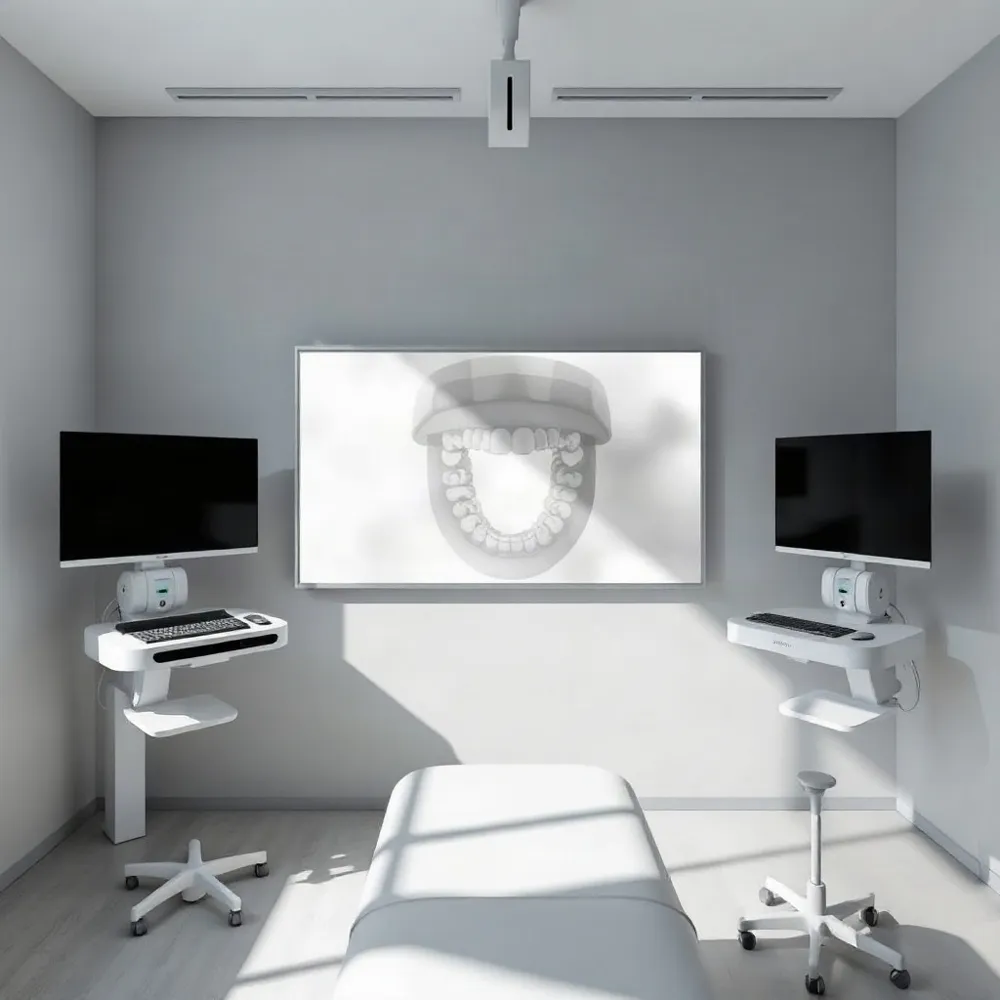 In dental care, facial aesthetics means looking at how teeth, the bite, gums, lips, and surrounding features relate to one another. The goal is not to impose one ideal face, but to understand how oral structures contribute to an individual’s smile and profile.
An orthodontist may assess tooth alignment and jaw relationships alongside lip support and tooth display. That display can differ when the mouth is at rest, during a smile, or while speaking, so an assessment that considers movement can add context to a still photograph. Current orthodontic literature also examines how facial profile and smile features inform diagnosis and planning.
At Trielle Orthodontics, individualized treatment planning considers each patient’s anatomy and goals alongside bite and alignment needs. Research has found associations between orthodontic treatment and changes in perceived facial aesthetics, but those findings do not predict what any one person will experience. Tooth movement may influence the smile and facial balance; it cannot promise a particular change in lip position, profile, or overall appearance.
Orthodontics is also distinct from facial aesthetic procedures, such as muscle care or injectables. A practice may offer such services, but their availability, suitability, and provider qualifications vary. Trielle Orthodontics offers facial aesthetic treatments as part of its care, with appropriateness determined through individual assessment. Patients considering both orthodontic and aesthetic care can discuss how the services differ and which clinician is qualified to provide each.
A useful consultation connects appearance goals with oral health and function, then explains what orthodontic treatment can and cannot address. This keeps expectations grounded in the patient’s specific clinical needs.
Choosing Braces for Your Smile Goals
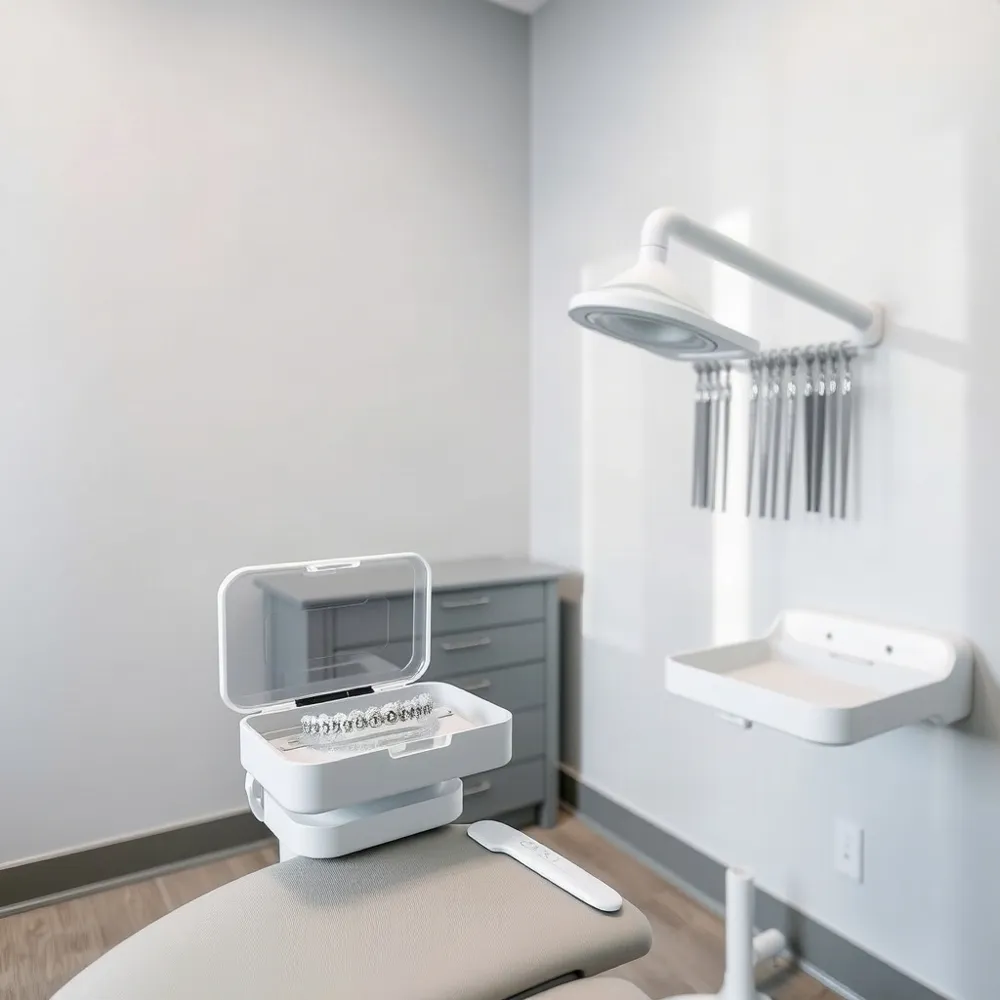 Yes, aesthetic preferences can be part of choosing orthodontic treatment. People often seek care for crowded, spaced, or misaligned teeth, while also addressing bite concerns that may affect chewing and oral health. The goal is to weigh appearance alongside function, rather than selecting an appliance based on looks alone.
Clear aligners are less noticeable than braces and may suit some treatment plans, but they are not right for every case. Fixed braces may be recommended when a patient's alignment or bite needs call for a different approach. Suitability depends on the teeth, bite, and treatment goals, so an orthodontist should assess these factors before discussing options.
What are Damon braces?
Damon braces are fixed braces that use self-ligating brackets to hold the archwire. Rather than elastic ties, each bracket has a built-in clip or sliding door that holds the wire as it guides teeth into position. Depending on the system, brackets may be metal or clear.
Like other braces, Damon braces can address a range of alignment and bite concerns. They are not a guaranteed faster or more comfortable option: comfort and treatment time vary by person and plan. An orthodontist can explain how they compare with other appliances after assessing the patient's teeth and bite.
Can you choose braces for aesthetic reasons?
Yes. Aesthetic goals can inform the choice, but clinical needs set the boundaries. At Trielle Orthodontics, a personalized consultation gives patients the opportunity to discuss braces or clear aligners in light of their bite, alignment concerns, and smile preferences. That assessment helps connect the preferred look of an appliance with an approach suited to the individual case.
What Bite Changes May Mean for Your Face
Correcting a bite can affect more than how the teeth meet. Moving teeth into a better relationship may change the support they provide to the lips, which can influence how the profile looks. In some overbite cases, these changes may also affect the apparent balance of the chin and lower face.
Braces move teeth; they do not directly reshape jaw bones. The visible effect depends on what is causing the bite concern, how severe it is, a person's age and anatomy, and the treatment plan. Trielle Orthodontics develops individualized orthodontic plans, so discussion can include bite function and realistic expectations for facial appearance, not just tooth alignment.
For some growing patients, an orthodontist may assess whether treatment can guide jaw development. A significant jaw discrepancy in an adult may call for evaluation for surgical orthodontic care. Neither approach is suitable for everyone, and the right option depends on a clinical assessment.
Research offers context, not a promise. A 2023 study of 73 patients found that average facial-aesthetic ratings increased after orthodontic treatment, with the clearest change in profile views. The findings describe an association in that sample, not a result every patient should expect. The study supports discussing facial appearance as one part of treatment planning.
An orthodontic evaluation can identify whether a concern comes mainly from tooth position, jaw relationships, or both. At Trielle Orthodontics, that individualized assessment helps frame what treatment may change and what it cannot, so choices reflect clinical needs as well as personal goals.
After Braces and the Role of Retainers
After braces come off, your smile or profile may look a little different if treatment changed tooth positions, your bite, or how your lips rest. A 2023 study found that orthodontic treatment was associated with changes in facial-aesthetic ratings, especially in profile views, but results in one study do not predict what an individual will notice (study of facial changes after orthodontic treatment).
These changes are not the same as reshaping the whole face. Braces mainly move teeth, and the visible effect depends on your starting bite, anatomy, and treatment plan. Facial appearance also changes naturally over time, so not every difference after treatment can be attributed to braces.
At Trielle Orthodontics, individualized treatment planning gives patients a chance to discuss realistic smile and profile expectations alongside their orthodontic needs. Any lasting change varies from person to person, and an orthodontist can explain what is plausible for your case rather than promise a particular facial result.
Are changes to facial appearance from braces permanent?
Some effects on the smile or profile may remain because the teeth and bite have been repositioned. That does not mean the face has been permanently reshaped, and changes in jaw growth or other procedures can affect outcomes. Appearance continues to evolve naturally, too.
Orthodontic care has an active phase, when braces or aligners move teeth, followed by retention. Teeth can shift after active treatment, so retainers help maintain their new positions. Wear yours according to your orthodontist’s instructions, since the right schedule depends on your treatment.
Follow-up appointments let the orthodontist monitor progress and check that teeth remain in their intended positions. At Trielle Orthodontics, follow-up and patient education are part of personalized care, helping patients understand how to care for their results and when to raise concerns about changes.
Building an Individualized Treatment Plan
 A useful consultation starts with your specific concerns and a clinical assessment, not a standard template. The orthodontist may review tooth positions, how the upper and lower teeth meet, and facial structure, using photographs, X-rays, or dental impressions to understand the case. At Trielle Orthodontics, individualized treatment plans are shaped around each patient’s anatomy and goals.
Facial-aesthetic preferences belong in the conversation, but they are considered alongside bite function and oral health. Correcting alignment may make teeth easier to clean and help balance biting forces, depending on the individual condition. A 2023 study found associations between orthodontic treatment and changes in facial-aesthetic ratings, particularly in profile views, but its results do not predict what any one patient will experience (study of facial morphology and aesthetic ratings.
Ask what options fit your diagnosis, what changes are realistic, and how progress will be monitored. Active treatment may last several months to a few years, depending on case complexity, and is typically followed by retention to help maintain tooth positions. Follow-up visits let the orthodontist check progress and address concerns as the plan unfolds.
Orthodontics can address tooth and bite relationships, but it does not replace facial aesthetic procedures. Those procedures are distinct, and the available evidence does not establish that combining them with orthodontic treatment improves results. Discuss any separate aesthetic goals with qualified clinicians, and ask how they relate to your orthodontic care.
A Plan Centered on You
Bring your concerns about your smile, facial profile, or bite to an orthodontic consultation. Discussing what you hope to change alongside chewing, oral health, and other clinical needs helps the orthodontist assess the full picture.
At Trielle Orthodontics in Union, NJ, care includes an individualized assessment and treatment planning, with options such as braces and clear aligners considered in light of each patient’s needs. An evaluation can clarify which approaches may be appropriate and what changes are realistic. Facial results vary, so no plan can promise a particular aesthetic outcome. Use the consultation to ask questions, share your priorities, and understand the reasons behind the proposed care.