Two Routes to Teeth Alignment
Clear aligners and traditional braces both move teeth, but they work in different ways. Aligners are removable trays that apply planned pressure in stages. Braces use brackets and wires fixed to the teeth, allowing an orthodontist to guide movement throughout treatment.
Neither option is right for everyone. The best fit depends on the bite and tooth movements involved, as well as daily habits, appearance preferences, and the ability to follow treatment instructions. Aligners offer the convenience of removal, while fixed braces do not rely on remembering to wear an appliance. The American Association of Orthodontists’ comparison emphasizes that diagnosis and an individualized plan should guide the choice.
At Trielle Orthodontics, treatment planning is personalized, with clear aligners and braces considered in light of each patient’s needs and lifestyle. A professional assessment can clarify which movements are practical with each approach and what trade-offs to expect. Appearance and price may matter, but neither alone can determine which treatment is suitable.
How Each Treatment Moves Teeth
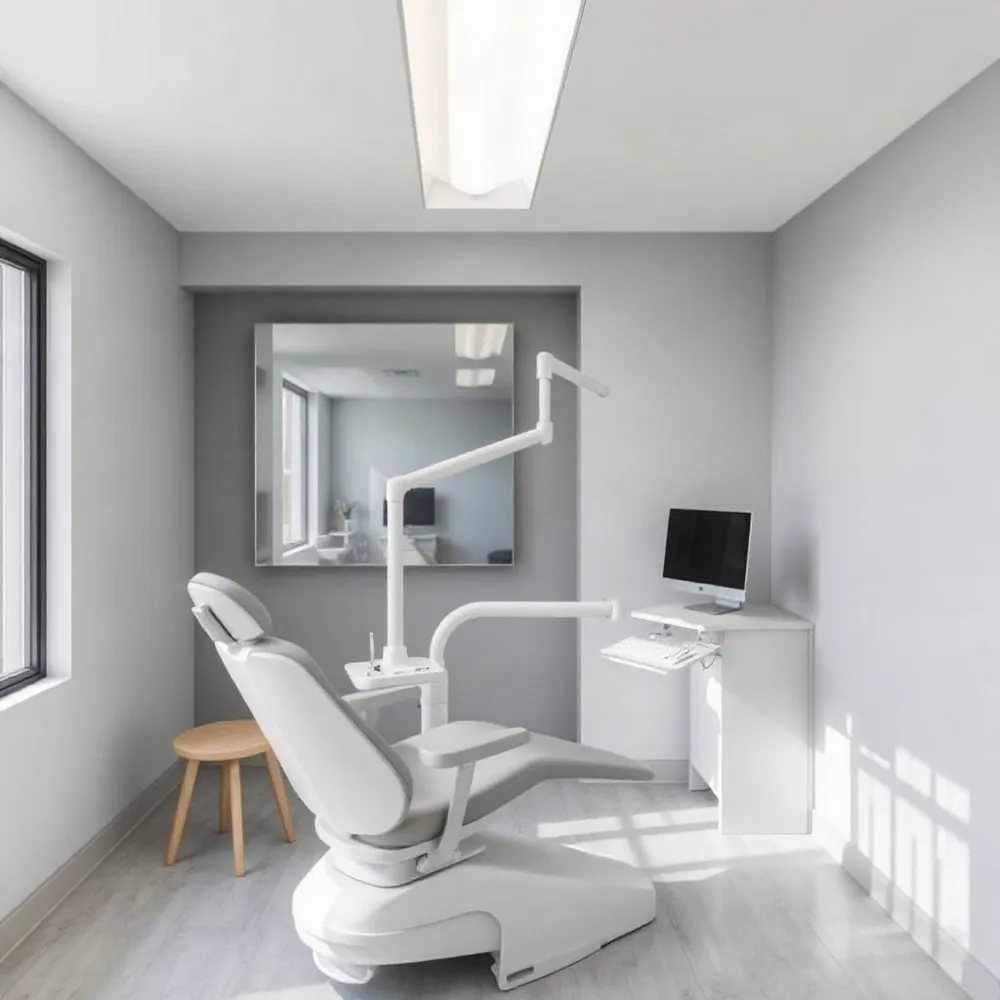 Clear aligners and braces both move teeth gradually, but they rely on different appliances and daily routines. At Trielle Orthodontics, treatment planning is individualized, with the approach guided by each patient’s needs and lifestyle.
What are the main differences between clear aligners and traditional braces?
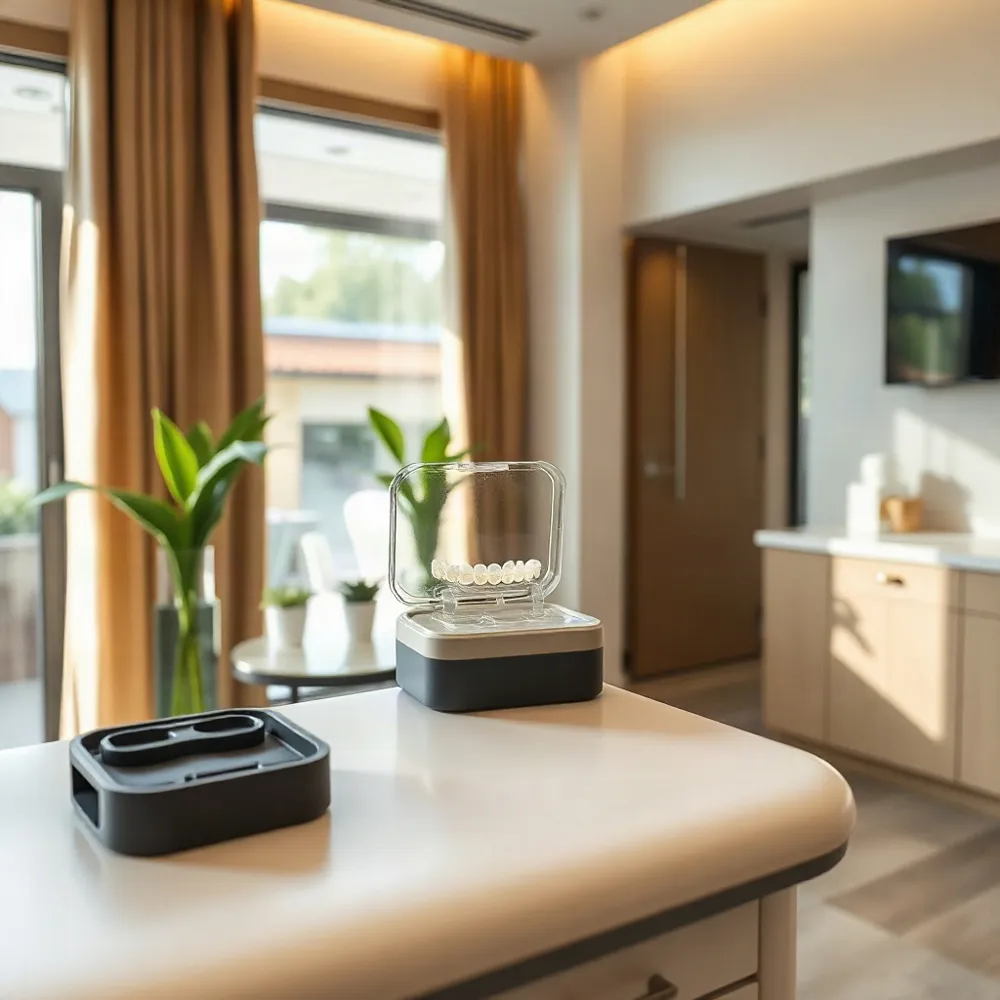
Clear aligners are custom-made transparent trays, worn in sequence to guide teeth through planned stages. They are less noticeable than conventional braces and can be removed for meals and oral hygiene. Braces use brackets bonded to the teeth and connected by wires, which apply ongoing pressure while the appliance stays in place. An orthodontist can assess which option suits the movements required, since fixed braces may offer more predictable control for some complex corrections.
Removability brings responsibility: aligners generally need to be worn about 22 hours a day, according to the American Association of Orthodontists, and kept safe when out of the mouth. Braces cannot be misplaced, but patients need to avoid foods that could damage brackets or wires and clean carefully around the hardware. At Trielle Orthodontics, individualized treatment plans help match appliance choice to clinical needs as well as everyday habits.
How do clear aligners and braces compare for comfort and daily maintenance?
A new aligner tray may create temporary pressure or soreness. Braces can feel tender after placement or adjustments, and brackets or wires may rub against the cheeks and lips. Comfort varies, but a 2024 study of adults with mild-to-moderate alignment concerns found lower reported discomfort with aligners than with braces; its results do not establish which option is best for every patient (study details).
Aligner users should clean their teeth before putting trays back in, and clean and store the trays as directed. With braces, careful brushing and flossing around brackets and wires helps clear food and plaque; interdental brushes or floss threaders may help. Both approaches call for good oral hygiene and regular orthodontic follow-up.
Matching Treatment to the Case
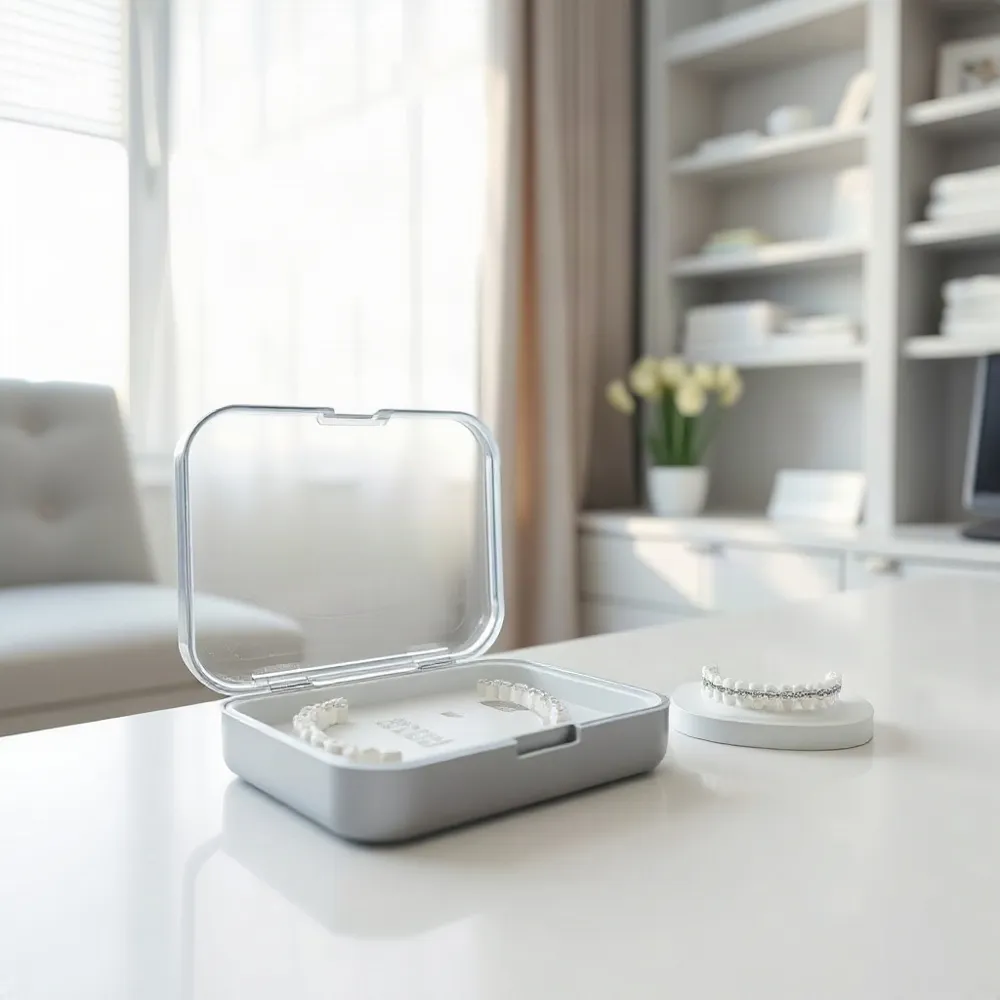 Both braces and clear aligners can address common alignment concerns, but they do not offer the same control for every movement. Braces may be better suited to complex corrections, while aligners can work well for many mild-to-moderate cases. At Trielle Orthodontics, an individualized treatment plan considers the movements needed as well as the patient’s preferences and routine.
Are clear aligners as effective as braces, and which treatment is faster?
Effectiveness and treatment time depend on the diagnosis, the movements required, and how closely the patient follows instructions. Aligners may need attachments or elastics to guide certain movements, so they are not always free of visible components. They also need to be worn for the prescribed schedule, typically 20 to 22 hours a day, according to the American Association of Orthodontists.
A 2024 comparative study followed 100 adults with mild-to-moderate malocclusion. Both groups improved; braces produced a greater mean reduction in the study’s alignment score, while aligners had a shorter average treatment duration, higher satisfaction, and lower reported discomfort. These group averages are not promises for an individual.
The study excluded severe cases, so it cannot establish which option is preferable for complex treatment. Neither approach is reliably faster for everyone. An evaluation at Trielle Orthodontics can help determine which options suit the case and support a personalized timeline.
Setting Realistic Treatment Timelines
Clear-aligner treatment often takes about 12 to 18 months, though some cases may finish sooner and others can take 6 to 24 months. These ranges are guides, not promises: the starting alignment, planned movements, and your response to treatment all affect the schedule.
A two-year course is not automatically unusually long. Straightforward crowding or spacing may need less time, while complex tooth movements or bite correction can require a longer plan. A 2024 comparison found different average treatment times for aligners and braces among adults with mild-to-moderate cases, but those group results do not predict an individual patient's timeline (study findings.
Daily follow-through matters. Wear trays for the schedule your orthodontist prescribes, attend checkups, and follow instructions about changing aligners. Lost or damaged trays and missed appointments can interrupt progress. At Trielle Orthodontics, treatment plans are individualized, so an estimate can reflect your teeth and bite rather than a broad average.
How long does clear-aligner treatment usually take, and is a two-year course unusually long? It commonly takes around 6 to 24 months, with many cases lasting roughly 12 to 18 months. Two years may be reasonable for more involved correction. An orthodontist can give you a personalized estimate after assessing your alignment, treatment goals, and how your teeth respond.
The Commitment Behind Removable Trays
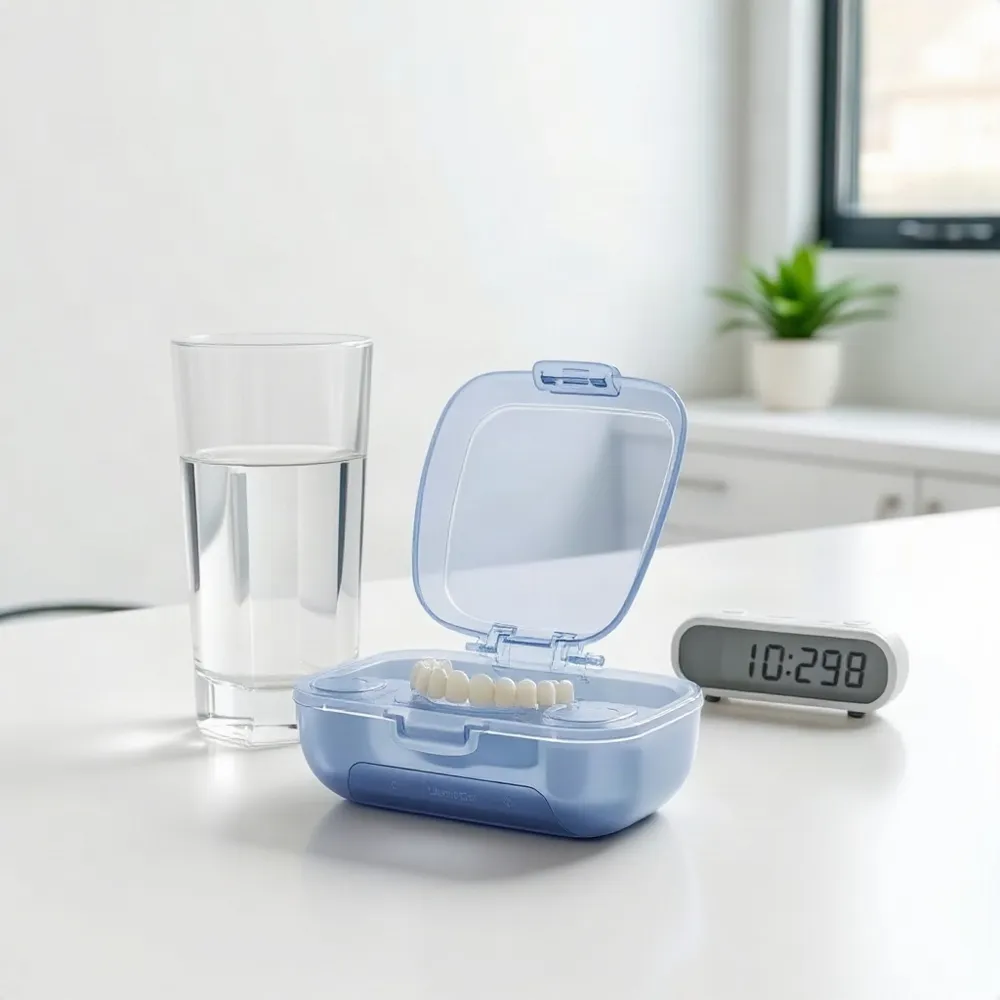 Removable aligners offer flexibility, but that flexibility comes with a daily responsibility. Most plans call for wearing trays about 20 to 22 hours a day, taking them out for meals and oral hygiene. The American Association of Orthodontists’ guidance on clear aligners explains that following the prescribed sequence and wear schedule is essential.
The often-mentioned “30-minute rule” is a practical reminder to put trays back in promptly after eating or cleaning, often within about half an hour. It is not a universal stopwatch requirement. Your orthodontist’s instructions take precedence, since the right routine depends on your treatment plan.
Plain water is generally suitable while trays are in. Remove them for other drinks, especially sugary or acidic ones, since liquid can become trapped against the teeth. Brush and floss before reinserting the trays when possible, and clean the aligners regularly.
Unlike fixed braces, aligners depend on the patient remembering to wear them and keep track of them. Forgetting or losing a tray can interrupt the plan, and some complex tooth movements may be less predictable with aligners than with braces, which give the orthodontist more direct control. A 2025 evidence review discusses these limits and the importance of choosing treatment based on the movements required (review of clear aligners and fixed appliances).
At Trielle Orthodontics, treatment plans are individualized, with clear aligners and braces considered according to clinical needs and patient preferences. Contact your orthodontist if a tray stops fitting properly or feels unusually tight rather than forcing it into place.
Adult Treatment and Individual Candidacy
Are clear aligners a suitable option for adults, including people over 35?
Yes. Adults, including people over 35, may be candidates for clear aligners. Age alone does not rule out orthodontic treatment; the condition of the teeth and supporting tissues matters more. The American Association of Orthodontists notes that treatment planning starts with an individual diagnosis, rather than a one-size-fits-all appliance choice.
An orthodontist considers gum and bone health, existing dental work, the bite, and the movements needed. Candidacy also depends on whether a patient can follow the prescribed aligner wear schedule. A 2024 study of adults with mild-to-moderate alignment concerns supports aligners as one possible option for that group, but its findings do not establish suitability for every adult or more complex cases (study findings.
Active tooth decay or gum disease may need attention before orthodontic treatment begins. Once oral health has been assessed, the orthodontist can recommend aligners, braces, or another suitable approach based on the diagnosis and treatment goals. At Trielle Orthodontics, adult orthodontic care is planned individually, with the patient’s needs and preferences considered alongside clinical requirements.
Understanding Fees and Insurance
The cost of orthodontic treatment depends on the work involved, not just the appliance. Case complexity, treatment length, appliance type, and what the provider includes in the fee can all affect the total. Broad U.S. estimates for clear aligners and braces often overlap, around $3,000 to $8,000, but these figures are not quotes from Trielle Orthodontics.
Which tends to cost more: clear aligners or traditional braces?
Clear aligners may cost slightly more than traditional metal braces in some cases, but there is no universal price ranking. Ceramic and lingual braces may cost more than metal braces, and the final fee depends on the treatment plan and what is included. At Trielle Orthodontics, fees are tied to a patient's individual plan, with flexible payment options available to discuss during a consultation.
A personalized estimate matters more than a national range. The American Association of Orthodontists explains that treatment recommendations and plans depend on an individual diagnosis, rather than on appliance choice alone.
Does dental insurance cover clear aligners or braces, and how can patients compare their costs?
Some dental plans include orthodontic benefits for braces, clear aligners, or both; others exclude orthodontic treatment. Ask the insurer whether aligners are covered and check for lifetime maximums, waiting periods, age limits, and network rules. Coverage estimates are not guarantees of payment, so have both the insurer and practice verify benefits before treatment.
Request a written estimate and compare the total treatment fee, expected insurance contribution, out-of-pocket cost, and payment-plan terms. Trielle Orthodontics offers flexible payment options, but patients should confirm the terms that apply to their plan. Price is one consideration, alongside clinical suitability and the treatment goals established with an orthodontist.
Clear Aligners and the Invisalign Brand
Clear aligners are a category of removable, transparent orthodontic trays, not a single product. Invisalign is one specific brand within that category. Its trays are custom-made to move teeth gradually and are removed for meals and oral hygiene, but the brand name alone does not determine whether aligner treatment suits a particular case.
How do clear aligners differ from Invisalign?
Aligner systems can vary in materials, treatment-planning technology, provider oversight, and the cases they are designed to address. Invisalign uses its own planning system and SmartTrack material; other brands have their own materials and methods. The American Association of Orthodontists’ comparison of braces and clear aligners explains that diagnosis and an individualized plan matter when selecting an appliance.
At Trielle Orthodontics, treatment planning is personalized, with options including clear aligners and braces. Rather than choosing by brand alone, ask an orthodontist how each suitable system fits your teeth, goals, and treatment needs, and what follow-through the plan requires.
A Decision Built Around Your Goals
A useful treatment decision starts with a clinical assessment, not a preference for one appliance. An orthodontist may review X-rays, photographs, and models to understand your bite and plan tooth movements around your needs. The American Association of Orthodontists’ treatment guidance explains why diagnosis and an individualized correction plan matter.
Then consider how each option fits your routines. Would you feel more comfortable with a discreet, removable appliance, or prefer braces that stay in place? Think about meals, cleaning, and whether you can reliably follow aligner wear instructions. At Trielle Orthodontics, treatment planning is personalized, so these preferences can be discussed alongside clinical findings rather than treated as a substitute for them.
Plan for the period after active treatment, too. Retainers are commonly prescribed after either braces or aligners to help keep teeth in their new positions. Their type and wear schedule should be part of the conversation, since maintaining alignment is part of the overall plan.
A consultation with Trielle Orthodontics in Union, NJ, can help you compare suitable options, expected results, timing, fees, and practical trade-offs. The practice also offers flexible payment options, with details to review for your treatment plan. Ask questions and leave with a clear understanding of what each approach involves, without assuming that one appliance guarantees a particular result.
Choose With a Clear Plan
The right choice should address the tooth movements your case requires and fit the routine you can maintain. Clear aligners depend on consistent wear, while fixed braces stay in place and may offer more control for complex movements. An orthodontic evaluation can help determine which options suit your needs.
At Trielle Orthodontics, treatment planning is individualized, with modern technology and flexible payment options. Ask about the expected care, timeline, total fees, and any likely refinements or retention needs before deciding. A clear comparison can set realistic expectations and help you choose a plan that works for your smile and daily life.