Keeping Your New Smile in Place
Finishing braces or clear aligners is an important milestone, but it is not the last step in caring for your smile. Retainers help hold teeth in their corrected positions while the surrounding bone and tissues adapt. The American Association of Orthodontists’ retainer guidance explains why retention supports orthodontic results over time.
The right plan is personal: wear schedules, retainer styles, cleaning routines, and fit checks depend on your treatment and appliance. At Trielle Orthodontics in Union, NJ, care plans are individualized, with patient education to help you understand what to do at home.
Ask your orthodontist how often to wear your retainer, how to clean and store it, and what to do if it feels uncomfortable, becomes damaged, or no longer fits. Follow those instructions rather than changing your schedule on your own. The sections ahead cover these everyday questions and how to protect your treatment results.
How Long Retainer Wear Usually Lasts
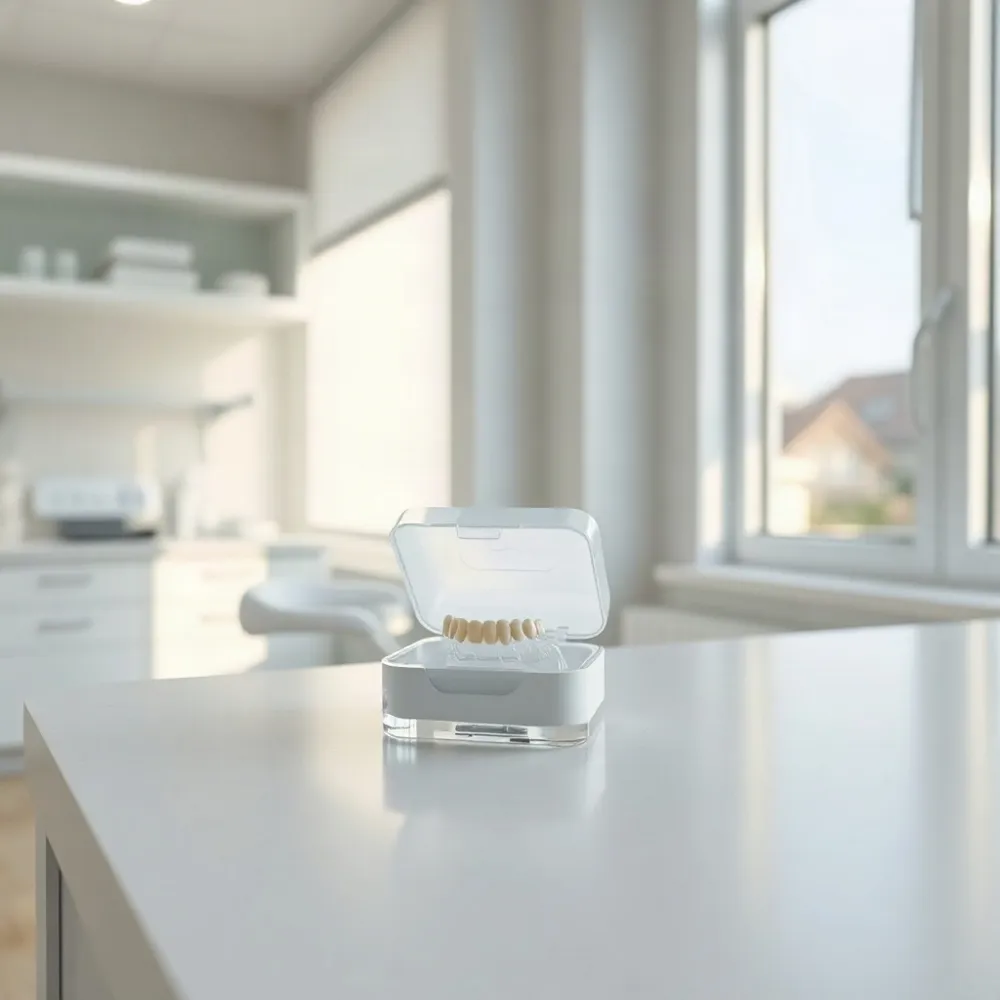 After braces or Invisalign, teeth may need time to settle into their new positions. The bone and tissues around them are still adapting, and everyday pressure from biting and chewing can contribute to changes later. A retainer helps support alignment during this process, but the wear plan should be tailored to the individual.
Many patients begin by wearing a removable retainer full-time, taking it out to eat and brush, then move to nighttime wear if their orthodontist recommends it. This is not a universal timetable: treatment history, bite, retainer type, and tooth stability all affect the prescription. The American Association of Orthodontists’ retainer guidance explains that the orthodontist sets the schedule for each patient.
Long-term retention is commonly advised because teeth and the structures around them can change over time. How often a retainer is worn may decrease as alignment stabilizes, but patients should not reduce or stop wear without guidance. At Trielle Orthodontics, individualized orthodontic treatment plans reflect each patient’s needs, so follow-up instructions should come from the clinician overseeing care.
If a retainer feels unusually tight, causes pain, or no longer fits, do not force it into place or assume the schedule needs only a brief adjustment. Contact your orthodontist so they can assess the fit and advise what to do next.
Choosing Among Retainer Types
Retainers generally fall into two groups: removable appliances and fixed appliances bonded to the teeth. The right choice depends on your orthodontic treatment and individual needs, so an orthodontist should recommend the type and explain how to wear and care for it. The American Association of Orthodontists’ guide to retainer types describes these options and their role in maintaining alignment.
What types of orthodontic retainers are available?
A Hawley retainer is removable and combines an acrylic or hard-plastic plate with a thin metal wire. Its sturdy design may allow an orthodontist to make adjustments, though the wire is visible when you smile.
A clear plastic, often called an Essix retainer, is a molded tray that fits over the teeth. It is less noticeable than a Hawley retainer, but its fit and condition should be checked if it becomes damaged or feels different.
A fixed, or bonded, retainer is a custom-fitted wire attached behind the teeth. It stays in place and cannot be removed by the wearer, but the wire needs careful brushing and flossing to keep the surrounding teeth clean.
How do you choose the right retainer after orthodontic treatment?
Your orthodontist can weigh your treatment results, likelihood of tooth movement, daily routine, comfort, and budget. Clear trays may suit someone who prefers a discreet removable option; a Hawley may appeal to someone who values durability and possible adjustments. A fixed retainer offers continuous support, though it calls for extra cleaning care. Some patients may be advised to use more than one type.
At Trielle Orthodontics, treatment plans are individualized, with attention to comfort and each patient’s needs. Discuss your preferences and care routine with your orthodontist so the retainer recommendation fits your case; the clinician will also set your wear schedule.
Daily Cleaning and Safe Storage
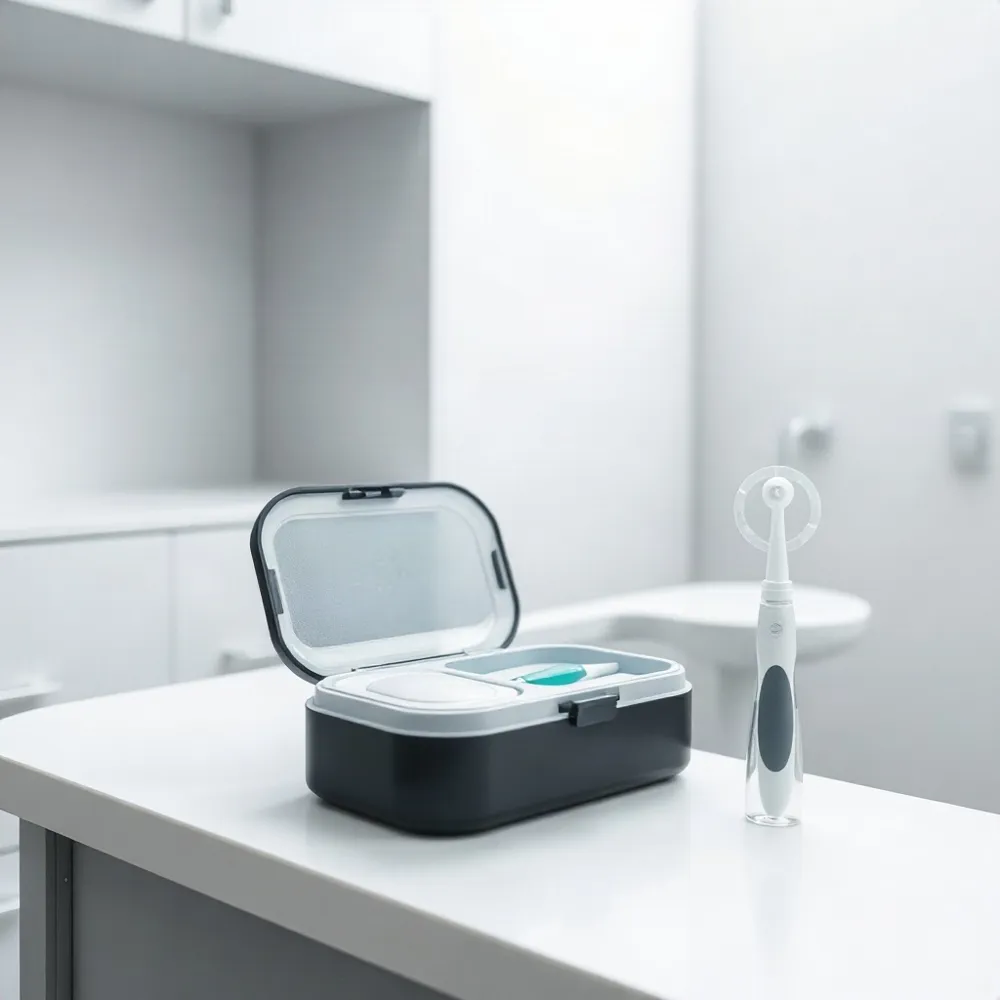 How should you clean and care for a retainer? The routine depends on whether it is removable or fixed, so follow your orthodontist’s instructions for your specific appliance. The American Association of Orthodontists’ retainer care guidance recommends rinsing a removable retainer with lukewarm water whenever you take it out.
Clean removable retainers gently each day with a soft toothbrush and a mild cleaner approved by your orthodontist. A retainer-safe cleaning solution may be used for periodic soaking if recommended; follow the product directions. Avoid hot water, which can warp the appliance, along with abrasive or whitening products, bleach, and alcohol-based cleaners that may damage its material.
Brush your teeth before putting a removable retainer back in, and place the appliance in its protective case whenever it is out of your mouth. Leaving it loose on a counter or wrapped in a napkin makes it easier to lose or damage. At Trielle Orthodontics, individualized treatment plans and patient education help patients get care instructions suited to their appliance.
Fixed retainers need daily attention too. Brush carefully around the wire, then clean beneath it with floss or an appropriate aid, such as a floss threader or water flosser. An interdental brush may also help reach tight spaces. Keeping up with this routine helps clear trapped plaque and food; your orthodontist can show you the technique that works for your retainer.
When Teeth Shift Without Retention
Without consistent retainer wear, teeth can gradually move toward their former positions. The pace and visibility of that movement vary, and changes may develop before they are obvious in the mirror. Retainers help limit these shifts, but they cannot prevent every change over time, as the American Association of Orthodontists explains.
A retainer that feels newly tight, causes soreness, or no longer sits fully over your teeth may be a sign that your alignment or the appliance has changed. Do not force it into place or bite down to seat it. That can stress or damage the retainer, and a poor fit may cause discomfort.
Contact your orthodontist promptly for guidance. They can check the retainer and your teeth, then advise whether the appliance can still be used, needs replacement, or whether additional treatment should be considered. At Trielle Orthodontics, individualized treatment planning helps patients get care suited to their orthodontic needs, rather than relying on a one-size-fits-all approach.
Fixed Retainers and Everyday Tradeoffs
A fixed retainer is bonded behind the teeth, so it stays in place without needing to be inserted each day. Its position also makes it discreet. At Trielle Orthodontics, treatment plans are individualized, and an orthodontist can help assess whether a fixed retainer suits your teeth and routine.
The tradeoff is extra attention to cleaning. Plaque and food debris can collect around the wire, so brush carefully and clean between the teeth with floss or an appropriate aid. The American Association of Orthodontists’ retainer guidance explains that care depends on the appliance type; ask your orthodontist for instructions suited to yours.
A fixed wire can loosen or become damaged, and hard or sticky foods may dislodge it. If the wire feels loose or changes position, contact your orthodontist for an assessment rather than trying to adjust or repair it yourself. People with removable retainers face different practical issues: the appliance can be misplaced, damaged, or left uncleaned, allowing debris to build up.
Pressure, mild soreness, or a temporary change in speech can occur while adapting to a retainer. These effects may ease as you get used to wearing it, but severe or persistent discomfort is not something to ignore. A retainer that no longer fits as it did, or causes pain, should be checked by an orthodontist. Trielle Orthodontics offers personalized orthodontic care, so concerns about fit or comfort can be considered in the context of an individual treatment plan.
Replacing a Lost or Damaged Retainer
 If your retainer is missing, cracked, warped, loose, or no longer fits as it used to, contact your orthodontist promptly. A damaged appliance may not hold teeth properly, and forcing it into place or attempting a do-it-yourself repair can cause further problems. The American Association of Orthodontists advises patients to seek guidance when a retainer is damaged or its fit changes.
How much does a replacement retainer cost?
As a general estimate, a removable clear or Hawley retainer may cost about $100 to $350 per arch, while a bonded retainer may cost roughly $250 to $600 per arch. These are approximate figures, not a quote. The total depends on the retainer type, whether one or both arches need replacement, and whether the orthodontist needs new scans or impressions.
Insurance coverage varies, and a lost or damaged retainer may not be covered. Check your plan’s benefits and ask the practice what the replacement fee includes. At Trielle Orthodontics in Union, patients can ask about flexible payment options and request a personalized estimate based on the appliance and records needed.
A Simple Commitment to Protect Results
Protecting orthodontic results comes down to a few steady habits: wear your retainer as prescribed, clean it using instructions suited to its material, and keep it in its case when it is not in your mouth. The American Association of Orthodontists’ retainer guidance explains that wear schedules depend on individual needs.
At Trielle Orthodontics, personalized treatment plans make room for guidance that reflects each patient’s orthodontic needs. Ask your orthodontist if you are unsure how often to wear your retainer, or if its fit, comfort, or your tooth alignment changes. Prompt advice can help determine whether the appliance needs attention.