The Work After Treatment
Finishing braces or clear-aligner treatment is a milestone, but it is not the end of caring for your new alignment. Teeth can shift over time, so the next phase focuses on helping them stay in their corrected positions.
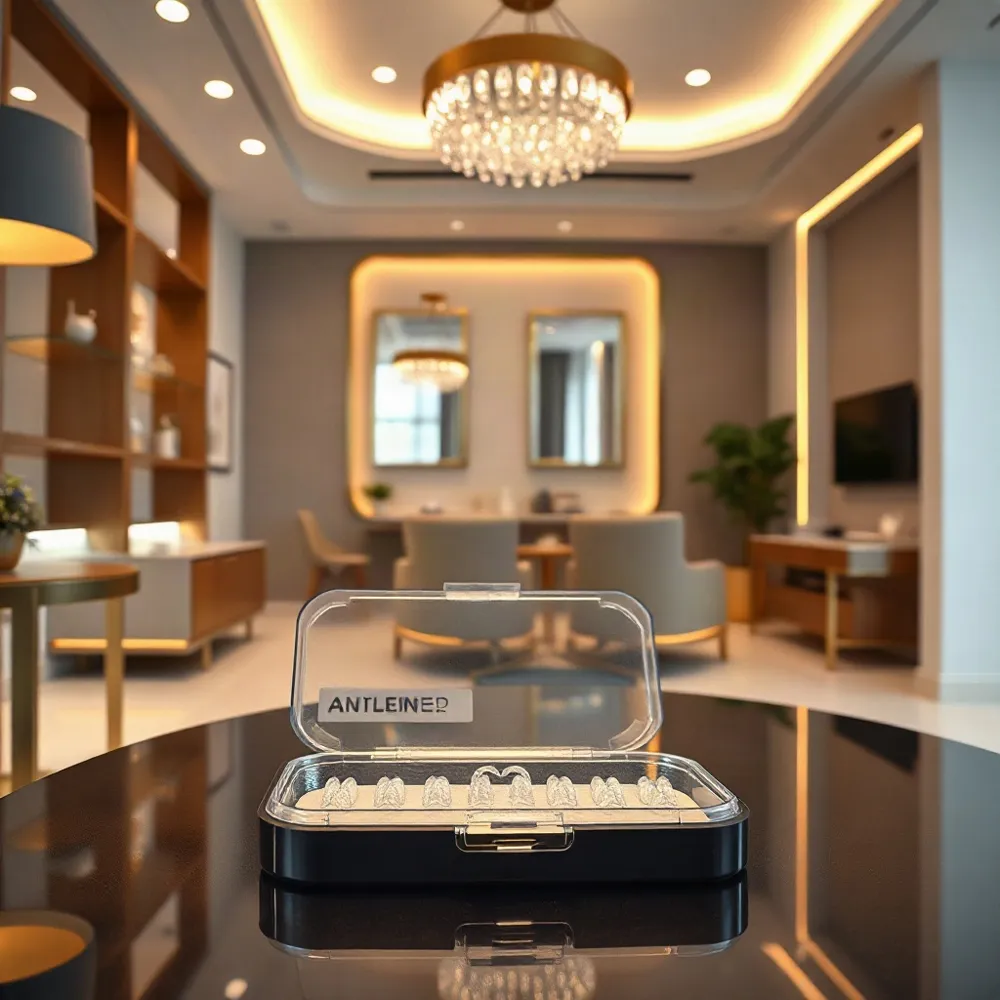
Retainers are appliances that hold teeth in place while the surrounding tissues adjust after orthodontic movement. Your orthodontist will recommend a retainer and wear schedule suited to your needs. At Trielle Orthodontics, personalized treatment plans and patient education help make this transition part of ongoing care.
Retention is not a one-size-fits-all step. Consistent wear, as directed, helps protect the result of treatment, while follow-up visits can help confirm that your retainer continues to fit and support your smile.
Why Retention Protects Your Smile
 Teeth are supported by periodontal ligaments, gums, and surrounding bone. These structures respond to pressure and change over time, which is how orthodontic treatment moves teeth into new positions. After braces or clear aligners are removed, the supporting tissues need time to adjust, and teeth may tend to drift toward their earlier alignment.
That is why a retainer matters: it helps hold teeth in their corrected positions while the surrounding tissues adapt. Shifting is more likely in the first months after treatment, but it can also happen years later. Age, oral habits, and genetics may all influence how teeth move, so there is no single retention schedule that suits everyone.
Alignment also affects daily oral care. Straighter teeth can be easier to brush and floss effectively, while maintaining an even bite helps distribute pressure across the teeth. These benefits may support oral health and help limit uneven tooth wear or strain on the jaw joints, though a retainer is not a substitute for routine dental care.
At Trielle Orthodontics, retention guidance is part of individualized orthodontic care, rather than a one-size-fits-all instruction. Your orthodontist can recommend a retainer and wearing routine based on your teeth and treatment. Many people continue wearing a retainer at night long term to help preserve alignment.
A Wear Schedule Built Around You
A retainer schedule should reflect how your teeth respond after treatment, not a one-size-fits-all timetable. At Trielle Orthodontics, individualized treatment planning extends to patient education, so your orthodontist can tailor retention guidance to your progress and circumstances.
Many patients begin by wearing a removable retainer nearly full-time, sometimes about 20 to 22 hours a day for several months. It is usually removed for meals and cleaning, but the exact timing depends on the original treatment and how stable the teeth are. Follow the instructions from the orthodontist who treated you rather than adopting a schedule meant for someone else.
Once your orthodontist confirms that your teeth are stable, you may be able to switch to nighttime wear. Nighttime retention often continues long term because teeth can drift with age, even after orthodontic treatment is complete. Trielle Orthodontics provides comprehensive patient education to help patients understand how retention fits into ongoing care.
If a retainer feels tight after a break, that may signal that teeth have shifted. Do not force it into place if it no longer fits or causes significant discomfort. Contact your orthodontist for advice, and reach out promptly if the appliance is damaged or lost so your provider can assess the next step.
What Happens When Retainers Are Skipped
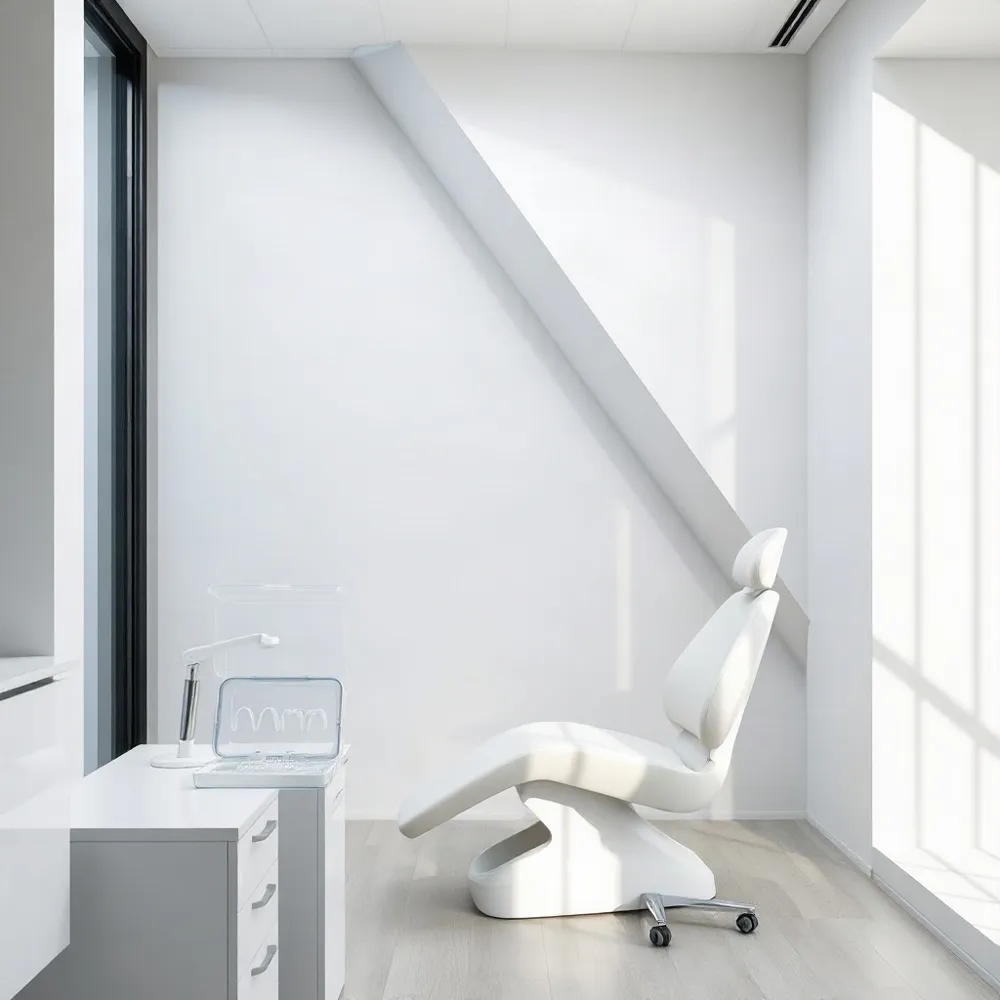 If you stop wearing a retainer as prescribed, teeth may gradually move away from their corrected positions. Early changes can be subtle, so a retainer that seems unnecessary may still be helping maintain alignment.
Shifting can bring back crowding or gaps and may change how the upper and lower teeth meet. A changed bite can affect chewing. How quickly and how far teeth move varies from person to person, and movement can occur long after orthodontic treatment ends.
At Trielle Orthodontics, individualized treatment plans and patient education help people understand how to maintain their results. If a retainer is lost, feels unusually tight, no longer fits, or movement becomes noticeable, contact your orthodontist promptly. Do not force a retainer that will not seat comfortably, since a professional can assess the fit and decide whether adjustment, replacement, or further treatment is needed.
Choosing Between Retainer Types
The main choices are removable Hawley retainers, clear plastic retainers such as Essix, and fixed retainers bonded behind the teeth. Each has different demands for appearance, cleaning, and daily use, so your orthodontist can match the option to your treatment results and routine. Trielle Orthodontics develops individualized orthodontic treatment plans, a useful foundation for discussing which retention approach fits your smile.
How do removable retainers compare?
A Hawley retainer combines an acrylic base with a metal wire. It can be removed for meals and cleaning, and an orthodontist can adjust it, but the wire is more visible than a clear appliance.
Clear plastic retainers, often called Essix retainers, are molded to the teeth and are less conspicuous. They can be removed for eating and oral hygiene, but the plastic may wear or crack over time. Removing them for meals and storing them safely helps avoid damage or loss. For a closer look at the options, see this guide to retainer types.
When might a fixed retainer suit you?
A fixed, or bonded, retainer uses a thin wire attached behind the teeth, often the lower front teeth. It provides continuous support without requiring you to remember to insert an appliance. The tradeoff is more care when brushing and flossing around the wire, as well as the need to have its condition checked. Wear or damage may call for adjustment or replacement.
Choosing between the three types involves more than appearance. Your orthodontist can consider your bite, treatment results, lifestyle, hygiene needs, and how consistently you can wear and care for a removable retainer. At Trielle Orthodontics, individualized care and patient education help make those practical factors part of treatment planning.
Daily Cleaning and Retainer Care
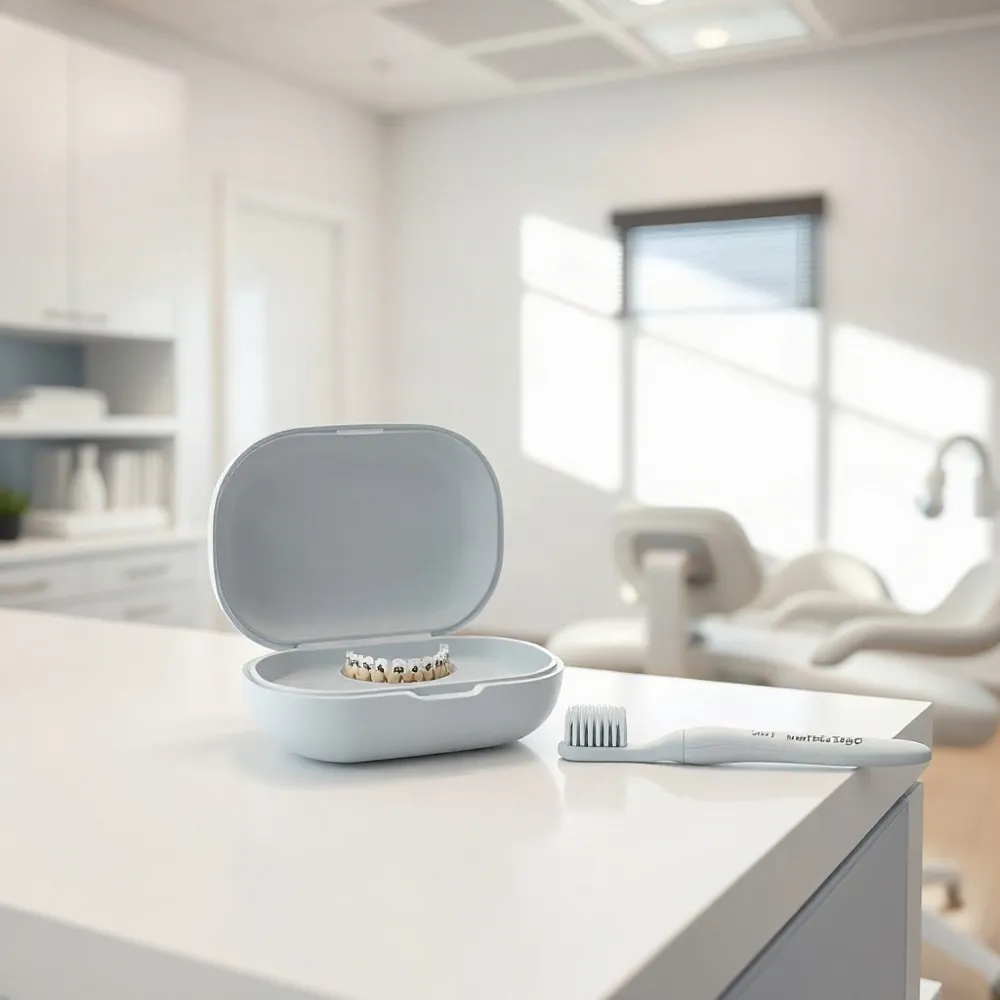 How should you clean and care for your retainer? The routine depends on whether it is removable or fixed. At Trielle Orthodontics, personalized care includes guidance tailored to your appliance, so ask your orthodontist which cleaning products are suitable for it.
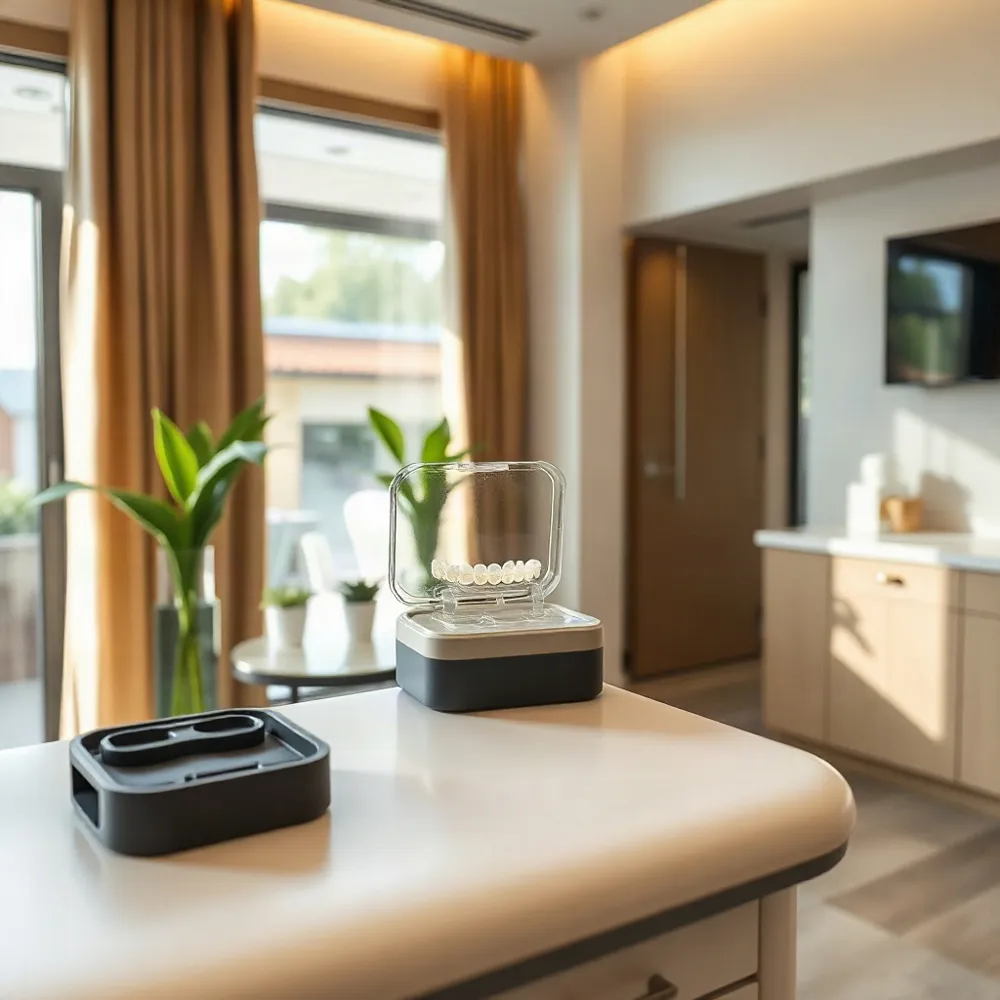
For a removable retainer, rinse it with lukewarm water and gently brush it daily with a separate soft toothbrush and mild soap. Rinse thoroughly before putting it back in. Remove the retainer before eating, and place it in its protective case whenever it is out of your mouth. This helps keep it clean and reduces the chance of losing or damaging it.
Avoid hot water, which can warp plastic, and skip toothpaste or abrasive cleaners unless your orthodontist approves them. They may scratch some retainers. Check with the office before trying cleaning tablets or soaking products, since the right method can depend on the appliance material. If you are comparing retainer types, consider the cleaning routine as part of the choice.
With a fixed retainer, brush carefully around the wire and bonding points. Use floss with a threader to clean between teeth and beneath the wire; a water flosser may be an additional aid. Trielle Orthodontics provides individualized orthodontic care, including advice on maintaining appliances as your needs change.
Regular dental and orthodontic checkups let your care team assess the retainer, its fit, and your alignment. Contact the office promptly if a wire becomes loose or damaged, or a removable retainer feels unusually tight or no longer fits. Do not force a poorly fitting appliance into place.
Make Retention Part of Your Routine
Retainers help preserve orthodontic results, but wearing one consistently, cleaning it carefully, and keeping up with professional follow-up all matter. A simple routine can make those habits easier to maintain.
Pair retainer wear with an everyday activity, such as brushing your teeth before bed, and set a phone reminder if you tend to forget. When a removable retainer is out, keep it in its case rather than loose in a bag or on a table. Trielle Orthodontics emphasizes individualized care, so your retainer instructions should reflect your treatment and needs.
Follow your orthodontist’s plan rather than changing your schedule on your own. If the retainer feels different, appears damaged, or your bite changes, contact the office for guidance. At Trielle Orthodontics, personalized orthodontic care includes patient education to help you understand how to maintain your results.