A Clearer View of Adult Braces
Adults considering braces often wonder whether visible brackets will affect work or social life, how much discomfort to expect, how long treatment may take, and what it will cost. Those concerns are reasonable, but they do not mean orthodontic care is out of reach.
Metal braces are an established option for moving teeth and correcting bite problems. Age alone rarely rules out treatment; the American Association of Orthodontists notes that adults can receive orthodontic care, though health and individual needs shape the plan.
At Trielle Orthodontics in Union, NJ, treatment planning is personalized, with options that include braces and clear aligners. This guide considers candidacy, appliance tradeoffs, treatment time, comfort, costs, daily care, and how retainers help protect results.
Age Is Not the Deciding Factor
 Adults can receive orthodontic treatment, and there is no fixed upper age limit. Teeth respond to controlled forces throughout life, although adult bone is more mature and treatment for a similar issue may take somewhat longer. Age alone does not determine whether braces are suitable, as the American Association of Orthodontists explains.
Candidacy depends more on oral health and the movements a treatment plan requires. An orthodontist will consider the condition of the teeth, gums, and supporting bone, along with bite concerns, dental history, and treatment goals. Existing fillings or other dental work, gum disease, bone loss, medications, and health conditions may affect planning, so share these details during an assessment.
Adults often seek care for crowding, crooked teeth, bite problems, or teeth that have shifted after earlier orthodontic treatment. The right appliance depends on the specific issue and the person’s preferences. Trielle Orthodontics develops individualized treatment plans, taking each patient’s needs into account.
Treatment length varies with case complexity and the planned tooth movements, not age alone. Some adult cases may take longer than comparable treatment during childhood, but a consultation is the best way to discuss a realistic estimate. The Cleveland Clinic’s overview of braces also notes that timelines vary according to the severity of misalignment.
Compare Appliances and Tradeoffs
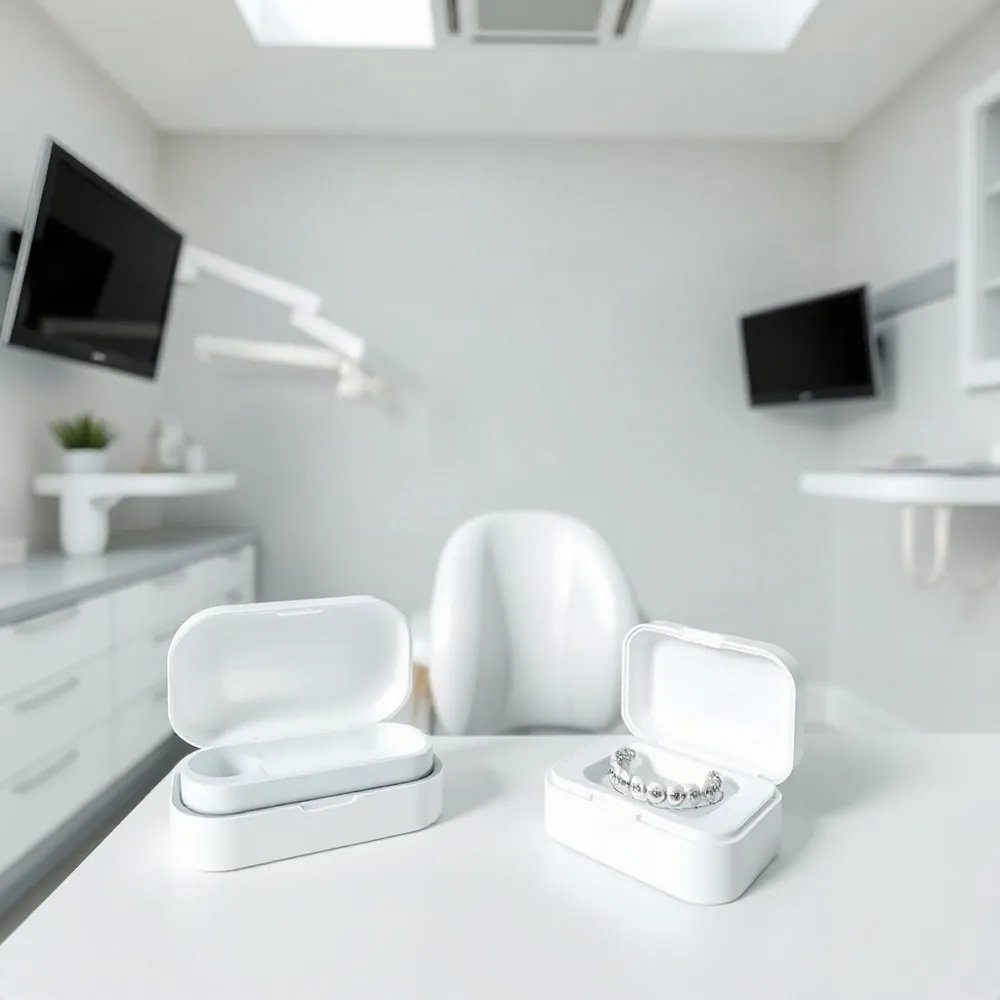 Traditional metal braces use brackets attached to the teeth and a connecting wire to apply steady pressure, moving teeth gradually. They can address concerns such as crowding, gaps, rotated teeth, and bite problems. The Cleveland Clinic’s guide to braces explains that the right appliance depends on the orthodontic problem and the patient’s preferences.
Adults may also consider ceramic braces, lingual braces, self-ligating braces, or clear aligners such as Invisalign. Ceramic braces use clear or tooth-colored brackets, while lingual braces attach to the backs of the teeth. Clear aligners are removable for meals and cleaning, but patients need to wear them consistently and follow the orthodontist’s instructions. Self-ligating braces use a different bracket design, though suitability still depends on the treatment plan.
Metal braces are fixed and durable, but their brackets and wires are visible from the front. They can irritate the cheeks or lips, and hard, sticky, or chewy foods may damage the appliance. Cleaning takes extra care because food and plaque can collect around brackets and wires. Ceramic or lingual braces may be less visible, while aligners can be removed, but each option brings its own care needs and limitations.
There is no best appliance for every adult. An orthodontist weighs the bite and tooth movements needed alongside appearance preferences, daily routines, and ability to follow care instructions. At Trielle Orthodontics in Union, NJ, treatment planning is personalized, and flexible payment options can be discussed as patients compare choices.
Treatment Takes Time and Planning
Orthodontic treatment moves teeth gradually, so braces do not produce a finished result in a single visit. Adults often need about 12 to 36 months of treatment, though the timeline depends on the movements required and the complexity of the case. The Cleveland Clinic’s braces guide describes an average of about two years, with treatment times varying by severity.
Mild alignment concerns may take less than a year, while complex crowding or bite problems can take 24 to 36 months or longer. The appliance selected, oral health, and how consistently a patient follows instructions also affect timing. Adults at Trielle Orthodontics receive individualized orthodontic care, with a treatment plan shaped around their needs and goals.
Keeping scheduled visits and caring for the appliance can help treatment stay on track. Patients using clear aligners should wear them as directed, and anyone prescribed elastics should follow the orthodontist’s instructions. A personalized estimate requires an orthodontic evaluation; Trielle Orthodontics offers orthodontic care in Union, NJ, where a clinician can assess the movements needed and discuss a realistic timeline.
Comfort Through Placement and Adjustments
Braces apply steady pressure to move teeth, so pressure or tenderness is common when they are first placed and after adjustments. This does not mean treatment is painless: teeth may feel sensitive when biting, and brackets can rub the cheeks or lips. The Cleveland Clinic’s braces guide describes temporary discomfort as a common effect, especially after placement or an adjustment.
Soreness may build over the first day and feel most noticeable during the next day or two. It often eases within a few days, but each person’s experience varies. At Trielle Orthodontics, personalized treatment planning gives patients a chance to raise comfort concerns and discuss care suited to their needs.
A few simple changes can make tender periods easier. Choose soft foods such as yogurt, eggs, soup, or mashed vegetables, and avoid hard, crunchy, or sticky foods that can irritate the mouth or damage braces. Orthodontic wax can cover a bracket or wire that rubs. A warm saltwater rinse may soothe minor irritation. The Australian Society of Orthodontists’ comfort guidance also describes wax and saltwater rinses as ways to ease irritation.
Ask your orthodontist or pharmacist before taking pain medicine, especially if you have health conditions or take other medication. If pain is severe or persistent, or a loose or broken wire or bracket is causing a sore, contact your orthodontist rather than trying to fix the appliance yourself. Trielle Orthodontics emphasizes individualized care, so patients can ask the team for advice when discomfort or an appliance problem arises.
Daily Care and Treatment Costs
Brackets and wires create extra places for food and plaque to collect, so daily cleaning takes care. Plaque left around an appliance can contribute to cavities and gum inflammation. Brush thoroughly for two minutes at least twice a day, angling a soft-bristled or electric brush around brackets, above and below wires, and along the gumline. Floss daily with a floss threader or orthodontic floss, and consider an interdental brush for cleaning around brackets and under wires. The Cleveland Clinic’s braces care guidance also recommends regular dental cleanings and orthodontic maintenance.
Hard, crunchy, and sticky foods can damage brackets or wires, so follow your orthodontist’s food guidance and choose softer foods when your teeth feel tender. Limit sugary or acidic drinks, and drink water when possible. If you wear clear aligners, remove them for meals and drinks other than water, clean your teeth before putting them back in, and follow the prescribed wear schedule. Keep orthodontic appointments and wear elastics as directed. Contact the office promptly about a loose bracket, damaged wire, or lost aligner.
The commitment includes both daily care and recurring visits. Existing dental or gum problems may need attention before treatment begins. Your orthodontist should also explain individual risks, which can include enamel changes from poor hygiene and, less commonly, root shortening. Trielle Orthodontics develops individualized treatment plans, so a consultation can address oral health, appliance care, and the likely visit schedule.
How much do braces cost for adults, and is $6,000 a typical price? Costs vary with appliance type, case complexity, treatment length, and location, so no general figure can confirm what a particular patient will pay. Ask for an itemized estimate and whether it includes records, adjustments, retainers, and other fees. Check how your insurance applies, and ask Trielle Orthodontics about flexible payment options. A personalized estimate is more useful than treating any broad price range as a quote.
Retainers Help Protect Results
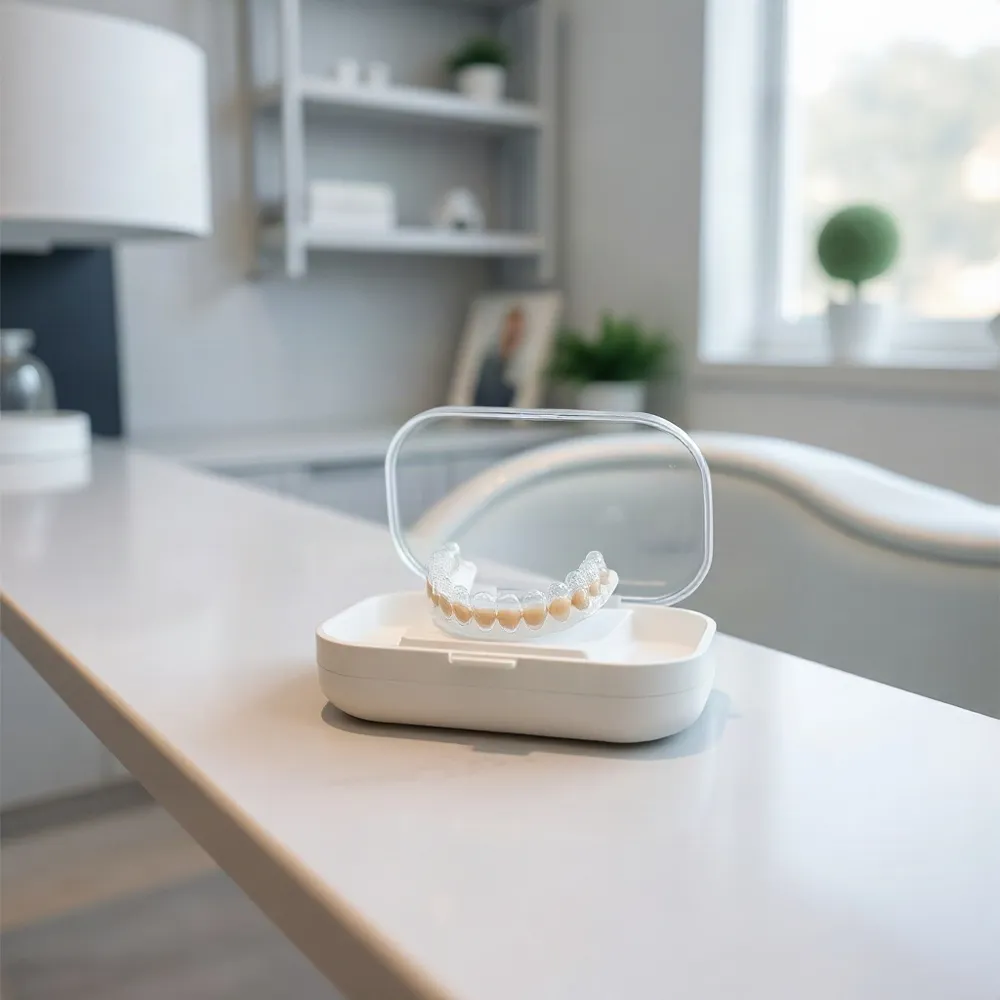 Finishing active treatment does not freeze teeth in place. Supporting tissues continue to adjust, and everyday biting forces and natural changes over time can affect alignment. A shift years after braces does not necessarily mean treatment failed.
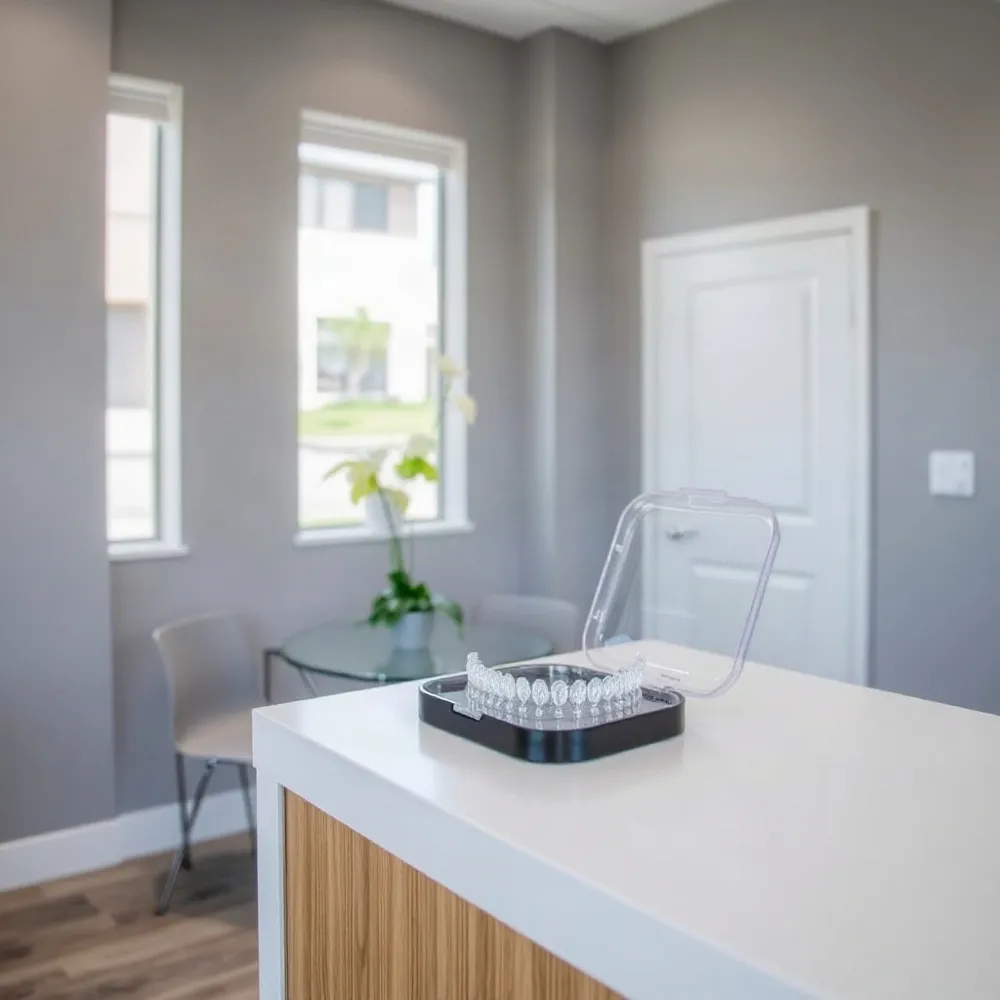
A retainer helps hold teeth in their corrected positions. Follow your orthodontist’s instructions on when and how to wear it, since retainers may be needed over the long term. The Cleveland Clinic’s guidance on braces also notes that retainers help prevent teeth from shifting back after treatment.
Keep regular dental and orthodontic checkups to monitor your alignment and oral health. If your retainer feels unusually tight, no longer fits, or you notice crowding, gaps, or a bite change, contact your orthodontist instead of forcing it into place. At Trielle Orthodontics, individualized treatment planning and patient education help adults understand what follow-through their care may require.
An informed consultation can clarify treatment options and expectations. Consistent retainer use and follow-up help support the results of a plan suited to your needs.
Make the Decision With Good Information
Adult metal braces are a practical option for many people, but suitability depends on oral health, treatment goals, and the nature of the alignment or bite concern. An orthodontist can assess these factors and explain which approach fits your needs. The American Association of Orthodontists notes that appliance choice should be based on an individual’s orthodontic needs.
At a consultation, ask how health conditions or dental history may affect treatment, which appliances are appropriate, and what timeline and costs to expect. Discuss comfort during placement and adjustments, along with how retainers will help maintain results. At Trielle Orthodontics, personalized treatment planning and flexible payment options can inform that conversation.