Why Individual Care Matters
Orthodontic treatment is not one-size-fits-all. Tooth positions, bite, jaw structure, age, lifestyle, and personal goals all differ, so the same appliance may not suit every patient. A thorough examination helps an orthodontist assess those differences and develop a plan around the patient’s needs, as the American Association of Orthodontists explains.
Personalized planning means matching the diagnosis with treatment choices and ongoing monitoring, rather than choosing braces or aligners by appearance alone. At Trielle Orthodontics, individualized care includes options such as clear aligners, braces, and adult orthodontics, with patient education to help people understand their choices.
This article looks at how an individual plan can guide decisions, expectations, and care as treatment progresses. Each person’s needs and response are different, so no approach can promise a particular outcome or timeline.
Start With a Complete Assessment
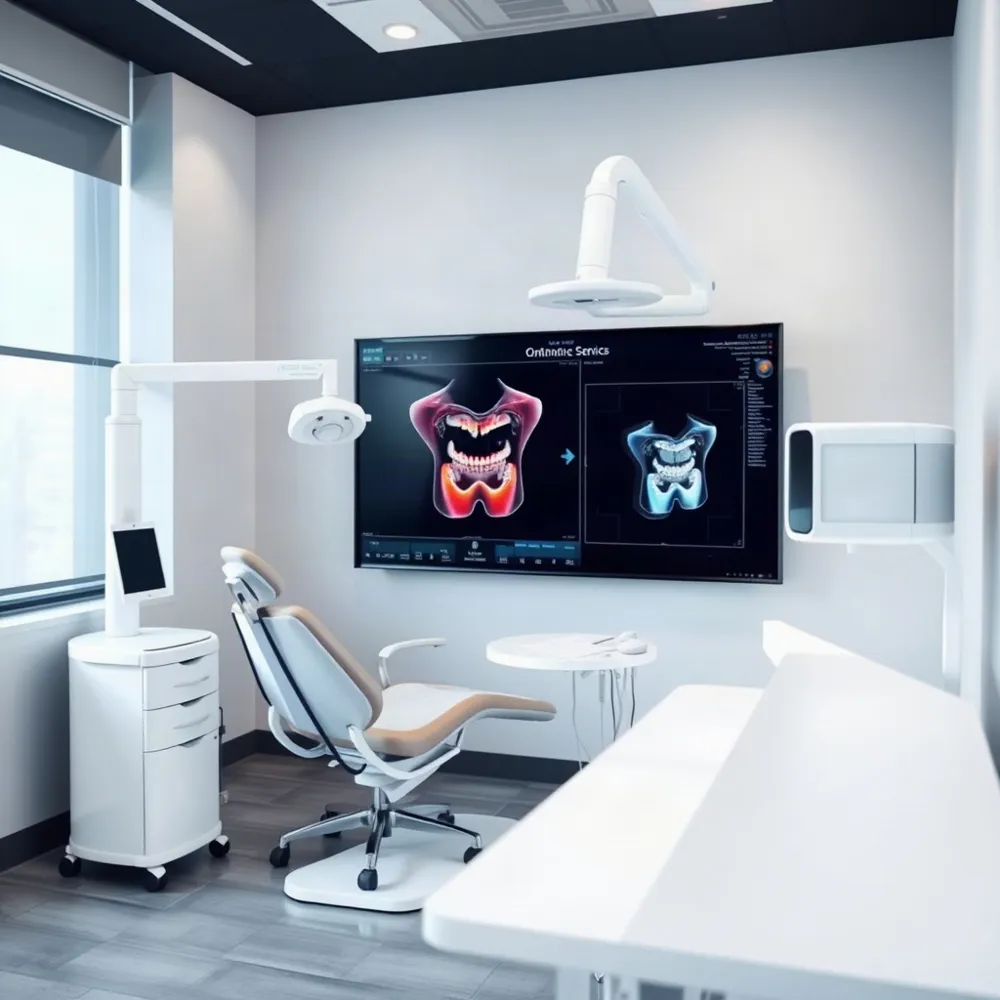 A first consultation is a chance to discuss what matters to you while the orthodontist examines your teeth, gums, bite, and jaw alignment. At Trielle Orthodontics, individualized treatment planning and patient education are part of the practice’s stated approach, so the conversation can include your concerns, priorities, and goals alongside clinical findings.
The assessment may include X-rays, photographs, and digital scans or impressions. These records help show tooth positions and supporting structures, giving the orthodontist more information than a visible concern alone. The American Association of Orthodontists’ guidance on custom treatment plans describes a thorough in-person examination, including diagnostic records, as the basis for planning care.
Similar-looking crowding, for example, can have different causes. A clinician may need to consider how the teeth fit together and how the jaws relate before deciding whether braces, clear aligners, or another approach is appropriate. The AAO overview of orthodontic treatment methods explains that treatment selection depends on each patient’s needs.
A complete assessment also considers function, not just appearance. Bite alignment and jaw function can affect chewing and speaking, so discussing these concerns helps shape treatment goals. Trielle Orthodontics provides care that includes braces and clear aligners, with the appropriate option determined by the patient’s assessment.
Match the Appliance to the Patient
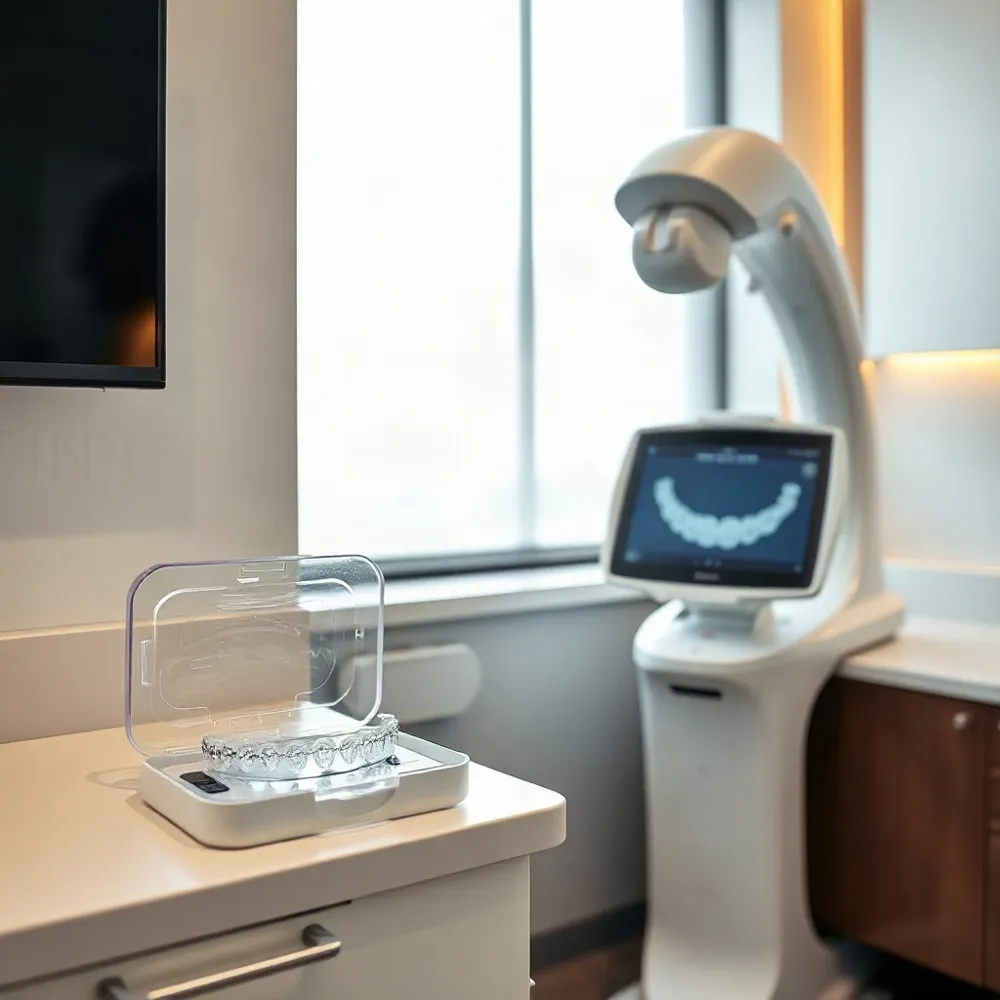
 Appliance choice should follow the diagnosis, not appearance alone. Trielle Orthodontics offers braces and clear aligners as part of its individualized orthodontic care, so the recommendation can account for clinical needs as well as a patient’s preferences and routine.
Braces use brackets and wires fixed to the teeth, applying force continuously. Clear aligners are custom trays that patients remove for meals and oral hygiene, then reinsert. The American Association of Orthodontists’ overview of treatment options describes both fixed and removable appliances and notes that an orthodontist selects an approach based on the individual.
The difference affects daily life. Aligners offer a discreet, removable option, but their success depends on wearing them as directed. The AAO says aligners are generally worn for at least 22 hours a day and may not suit every case; some tooth movements are treated more predictably with braces. A clinician can compare the tradeoffs against the patient’s goals and ability to follow a wear schedule.
For significant crowding or complex bite problems, fixed braces may give the orthodontist more predictable control. Braces also work without relying on the patient to remember to put an appliance back in, though brushing takes extra care and some hard or sticky foods may need to be avoided. Aligners may suit eligible cases when discretion and removability matter more.
Some treatment plans combine appliances when different stages call for different types of tooth movement. Neither braces nor aligners are universally best. At Trielle Orthodontics, the choice can be discussed alongside the treatment goals, lifestyle, and practical demands of each option.
Use Technology With Clinical Judgment
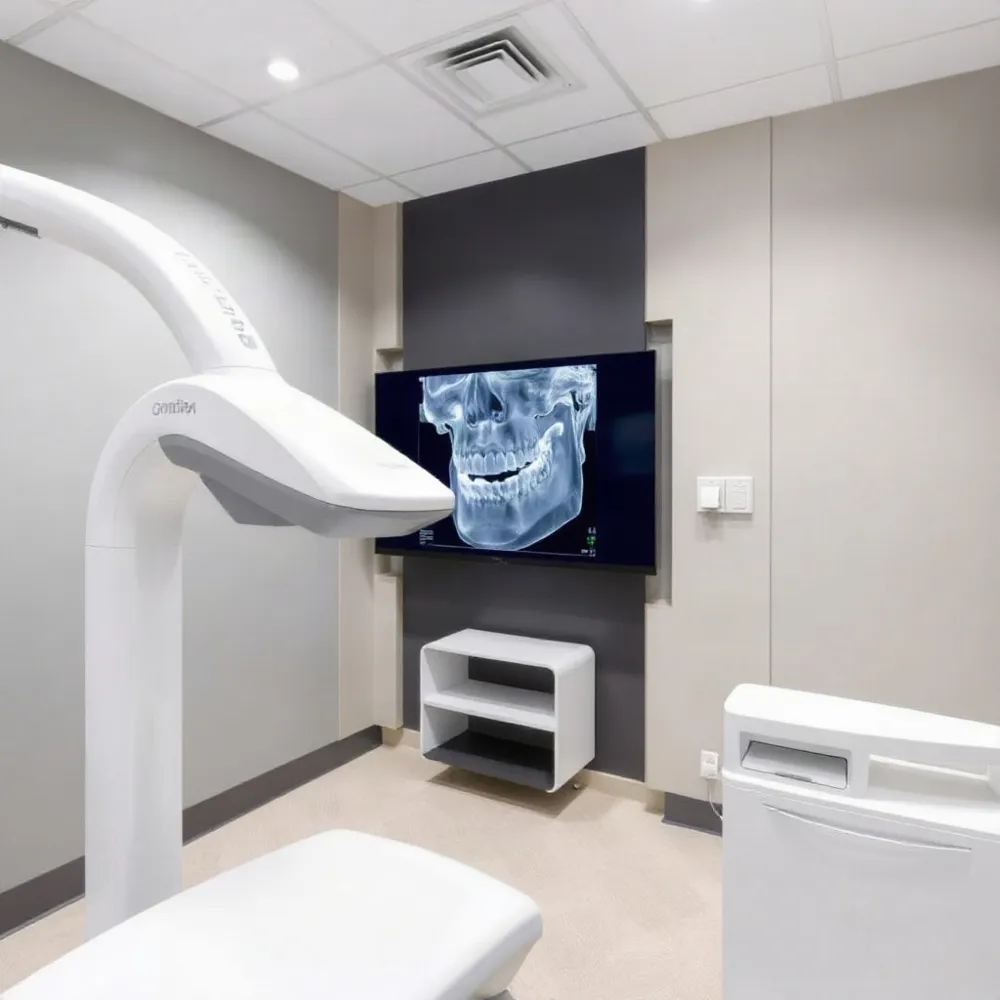 Digital scans and imaging can give an orthodontist a detailed view of tooth positions, roots, and jaw structures. Planning and simulation software can also help visualize intended tooth movements and explain possible treatment stages. Research reviews describe artificial intelligence as a developing support for orthodontic diagnosis and planning, not a substitute for clinical assessment (review of AI in orthodontics).
A digital model is only one part of the decision. The orthodontist must interpret it alongside an in-person examination, oral health, bite function, and the patient’s goals. At Trielle Orthodontics, modern technology is part of individualized care, with professional judgment guiding how treatment options fit each patient.
Planning continues after treatment begins. At progress checks, the orthodontist can assess how teeth are responding and decide whether adjustments are needed. This monitoring helps keep the plan responsive rather than assuming every movement will unfold exactly as simulated.
A clear explanation of planned stages and follow-up can help patients understand what to expect. Still, a projected timeline is an estimate, not a promise: treatment duration and results vary with the individual case and its progress. The American Association of Orthodontists likewise notes that treatment should be based on a thorough examination and a plan suited to the patient’s needs (AAO guidance on orthodontic treatment).
Understand the Cost of Treatment
Orthodontic treatment in the United States commonly costs about $3,000 to $7,500, though some cases fall outside that range. Clear aligners typically cost about $3,000 to $8,000. These are broad estimates, not a quote for a particular patient.
The final price depends on the amount of tooth or bite correction needed, case complexity, treatment length, appliance type, provider, and any added appointments or refinements. Metal braces are often less expensive than clear aligners or ceramic braces, but the total depends on the plan. The American Association of Orthodontists’ treatment information explains that appliance choice is based on a patient’s individual needs.
A $6,000 estimate falls within typical U.S. ranges for both braces and clear aligners, though it may be toward the higher end for straightforward care. Ask for a written estimate that spells out which visits, retainers, and refinements are included, so you can compare the full cost rather than the starting price alone.
Insurance may reduce out-of-pocket costs, but benefits and limits vary by plan. Flexible payment arrangements can also spread expenses over time. At Trielle Orthodontics, an evaluation is the appropriate way to receive a personalized estimate and discuss payment options.
Review Insurance Before Enrolling
A dental plan that covers cleanings and fillings may not cover braces or clear aligners. Before choosing a policy, confirm that orthodontic treatment is included and check which family members qualify, since adult and child benefits can differ.
Ask whether the plan covers the appliance and orthodontist you expect to use. Review the waiting period, deductible, coinsurance, and lifetime orthodontic maximum, which can limit the total benefit. The American Association of Orthodontists’ guidance on insurance for clear aligners notes that coverage varies by plan and provider.
Check whether benefits apply if treatment has already started, and whether retainers or follow-up care are included. At Trielle Orthodontics, treatment options include braces and clear aligners, so confirm that the plan’s terms match the appliance and provider you are considering.
Compare premiums with your likely out-of-pocket costs rather than judging a plan by its advertised benefit alone. Read the plan documents and verify coverage details with the insurer before enrolling.
Follow Instructions and Seek Monitoring
Clear aligners can work well for some patients, but they are not suitable for every case. A full evaluation can reveal concerns a cosmetic-only approach may miss, such as gum disease, impacted teeth, or bite problems. The American Association of Orthodontists explains that an orthodontist can assess whether aligners, braces, or a combination is appropriate for an individual patient (AAO guidance on clear aligners).
Without a comprehensive exam and professional oversight, poorly planned tooth movement may worsen a bite or harm the gums, teeth, or supporting structures. Before starting at-home aligner treatment, speak with an orthodontic professional. At Trielle Orthodontics, individualized care includes clear aligners and braces, with treatment choices made around the patient’s needs rather than appearance alone.
Monitoring matters after treatment begins, too. An orthodontist checks whether teeth are moving as planned and can adjust care if progress or clinical findings call for it. The AAO recommends regular check-ups during aligner treatment, since remote or cosmetic-focused approaches may not provide the same in-person assessment.
Wear aligners for the number of hours your orthodontist recommends, commonly 20 to 22 hours a day. Remove them for meals and oral hygiene, and follow your treating orthodontist’s instructions for cleaning and changing trays.
The “30-minute rule” usually means reinserting aligners roughly within 30 minutes after eating or drinking anything other than water. Brush and floss first when possible; if you cannot, rinse your mouth and aligners with water. The phrase can also refer to waiting after acidic food or drinks before brushing, because acid can temporarily soften enamel. These are separate practices, so ask your orthodontist which instructions apply to your treatment.
Plan a Smooth Change of Orthodontists
Can you switch orthodontists in the middle of treatment? Yes. A move, a practice closure, or a change in circumstances may make it necessary. The receiving orthodontist will need to assess your case before deciding how to proceed, since treatment recommendations depend on your current needs.
Request copies of your X-rays, photographs, scans or models, treatment notes, and original plan. The new orthodontist can review these records, examine your progress, and discuss whether your existing braces or aligners can continue or whether adjustments are needed. The American Association of Orthodontists explains that treatment choices should be based on an individual assessment.
Ask how much treatment may remain and what fees to expect, since both depend on the work still needed. At Trielle Orthodontics in Union, NJ, the team can discuss your situation and possible next steps, without promising that an existing plan or appliance can be continued unchanged.
Choose a Plan You Understand
A thoughtful orthodontic plan starts with an assessment and continues through informed choices and regular communication. Before committing, ask an orthodontic professional how the options address your goals, what they cost, whether your insurance may contribute, and what daily care and follow-up will involve.
The American Association of Orthodontists explains that treatment choices should be tailored to each patient’s needs. At Trielle Orthodontics in Union, New Jersey, an evaluation can open a discussion of your goals, available braces or clear aligners, and practical considerations, without assuming one option suits everyone.