Confidence Begins With Your Own Goals
Confidence in a smile begins with what matters to you. You may want to address crowding or gaps, while someone else may be concerned about tooth color, shape, or how the teeth fit together. A useful first step is to name those priorities and discuss them with an orthodontic professional.
A smile makeover is an individualized process, not a standard package or a promise of a perfect smile. At Trielle Orthodontics in Union, NJ, treatment planning is personalized, with options such as clear aligners and braces considered in light of each patient’s needs. The goal is a plan that reflects your concerns, rather than an off-the-shelf result.
Orthodontic care can change tooth alignment and may also support functions such as chewing or speaking when misalignment contributes to difficulty. Research cited by the American Association of Orthodontists connects orthodontic care with potential benefits to emotional well-being, but those experiences are not the same for everyone. Treatment may help some people feel more comfortable smiling, yet it cannot guarantee a particular change in confidence.
A consultation at Trielle can help clarify which concerns orthodontic treatment may address and what options fit your preferences. An individualized plan sets realistic expectations while keeping your own definition of a satisfying smile at the center.
What a Personalized Smile Makeover Involves
 A smile makeover is a plan shaped around a person’s goals, oral health, and functional needs, rather than a single standard procedure. Some people may need only one change, while others may benefit from a sequence of treatments. The right plan depends on an examination and discussion of what the patient hopes to improve.
Possible cosmetic or restorative options include whitening, bonding, veneers, crowns, and gum reshaping. These treatments are not all orthodontic services, and they may not suit every patient. A dental professional can assess the teeth and gums, explain appropriate options, and coordinate with a dentist when care beyond orthodontics may be useful.
Orthodontics can contribute by moving crowded or spaced teeth and addressing some bite concerns. Braces or clear aligners may be used on their own or before cosmetic work, allowing later treatments to be planned around the teeth’s final positions. Research cited by the American Association of Orthodontists describes possible well-being benefits alongside alignment improvements, though experiences vary.
An evaluation can consider tooth position, bite, gum line, facial features, and overall oral health. This helps distinguish appearance goals from concerns involving function, such as chewing or speaking, and supports sensible sequencing. At Trielle Orthodontics, individualized treatment planning and patient education help clarify how orthodontic care may fit into a broader smile plan. The practice’s discussion of aesthetic treatments in modern orthodontics also addresses the relationship between functional alignment and smile appearance.
Can orthodontic treatment, including braces or clear aligners, be part of a smile makeover? Yes. An orthodontic assessment can help identify an appropriate approach based on the patient’s teeth, goals, and preferences. When whitening or veneers are also being considered, the care team can discuss whether orthodontic treatment should come first, so cosmetic choices reflect the resulting tooth positions.
How Clear Aligners Move Teeth
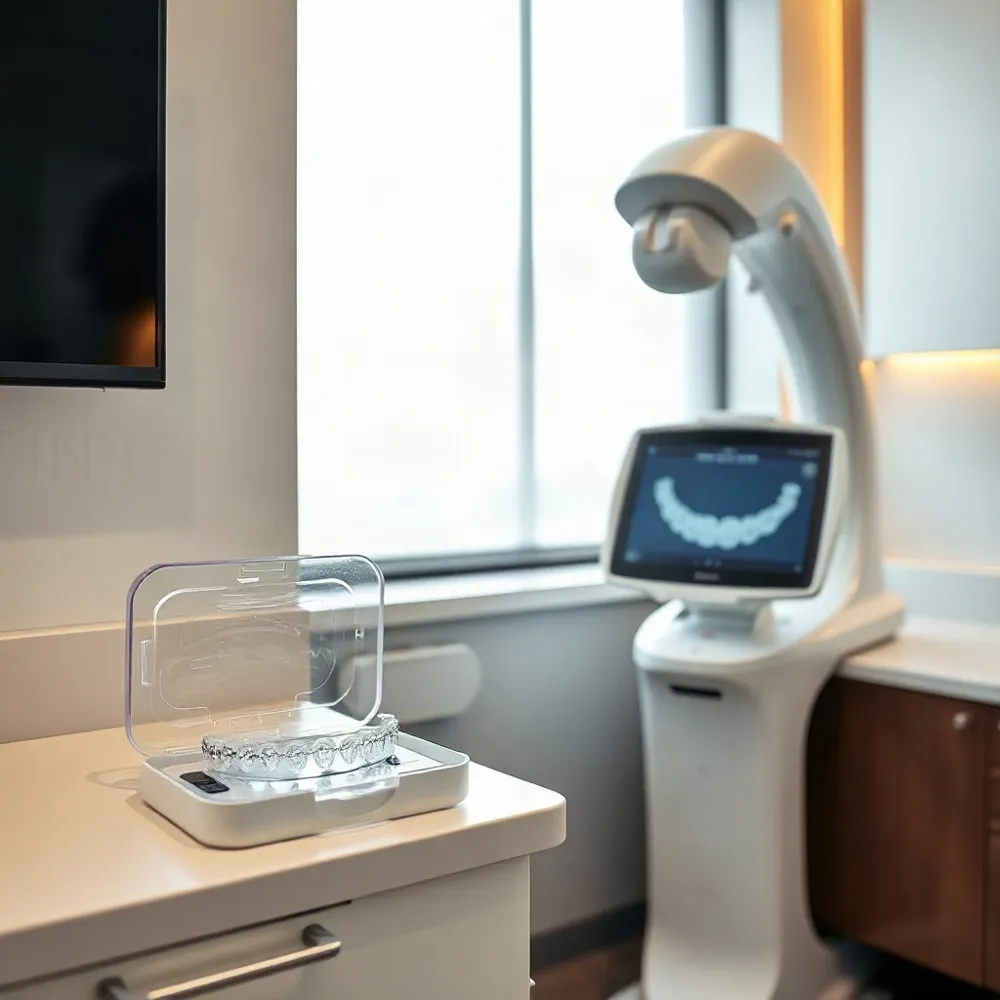
 Clear aligners are custom-made, transparent plastic trays that fit closely over the teeth. They offer a less visible alternative to brackets and wires, but they are not suitable for every orthodontic case. At Trielle Orthodontics, clear aligners are one option within personalized orthodontic care, with recommendations based on an individual’s teeth and treatment needs.
What are clear aligners, and how do they straighten teeth?
Treatment begins with an orthodontist examining the teeth and bite. Scans or impressions help the orthodontist plan the movements needed, then create a sequence of trays. Each tray applies gentle pressure to guide teeth gradually toward their planned positions.
As teeth move, the surrounding bone remodels to support them in their new positions. This is why consistent wear matters. Many plans call for wearing aligners 20 to 22 hours a day, though the orthodontist will give instructions for the specific case. Taking trays out for too long can interfere with the planned movement.
Aligners can be removed for meals, drinks other than water, brushing, and flossing. Before putting them back in, patients should follow their orthodontist’s cleaning instructions. Removability can make daily eating and oral hygiene easier, but treatment still depends on wearing the trays as directed.
The orthodontist monitors progress during treatment and advises when to move to the next tray or whether the plan needs adjustment. At Trielle Orthodontics, patient education and individualized planning are part of its approach, helping patients understand each stage and how it fits their smile goals.
The American Association of Orthodontists notes that orthodontic care may support well-being as well as improve smiles, though individual experiences vary. Its discussion of orthodontic treatment and mental health does not mean aligners will produce the same emotional effects for everyone. An orthodontic assessment can help determine whether aligners are an appropriate way to address a person’s alignment and bite.
Aligners and Traditional Braces
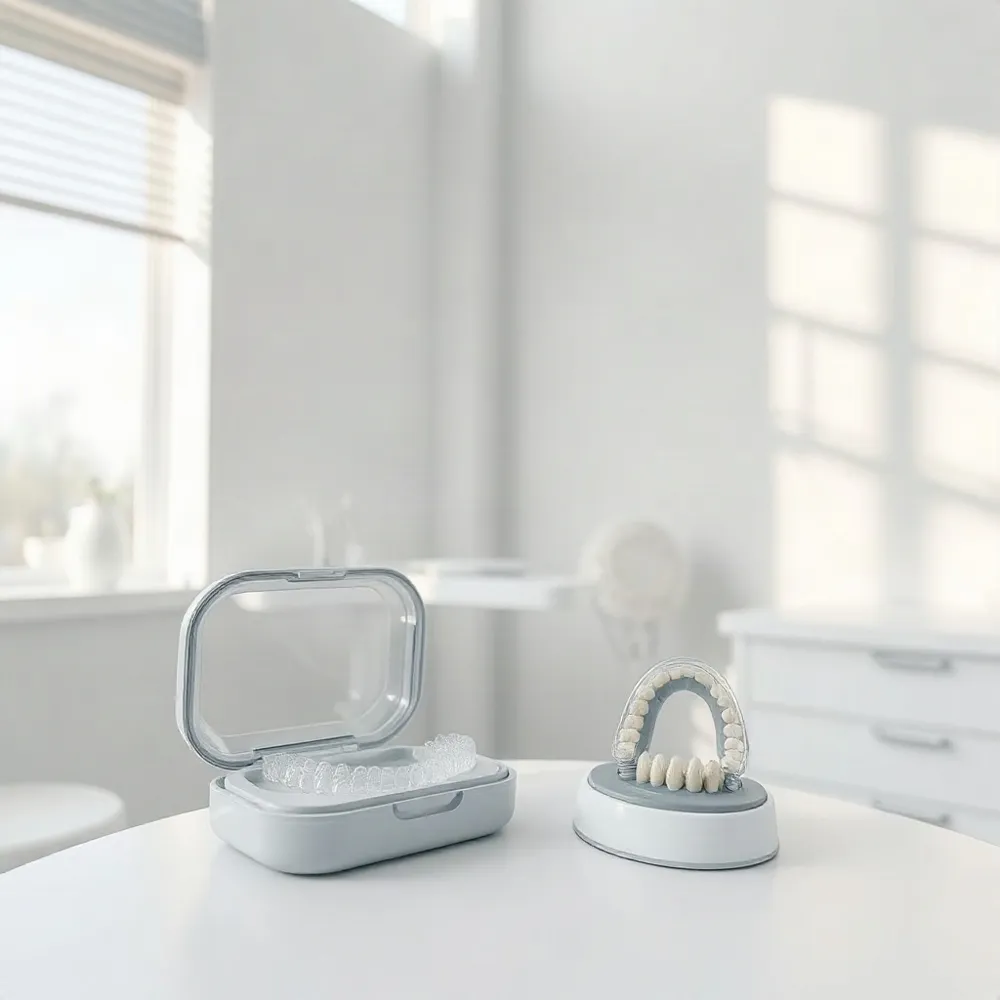 Clear aligners and traditional braces both move teeth through orthodontic treatment, but they work differently. Invisalign uses a series of removable, clear plastic trays, while traditional braces use brackets and wires attached to the teeth.
So, are Invisalign aligners considered braces? They are not traditional braces, but they are an orthodontic option that may serve as an alternative for many patients. At Trielle Orthodontics, treatment planning is individualized, with clear aligners and braces among the care options discussed according to a patient’s needs.
Aligners must generally be worn for 20 to 22 hours each day to follow the treatment plan. They are removed for meals, drinks other than water, and brushing and flossing. Their removability can suit people who want flexibility at mealtimes, but it also means remembering to put them back in and wear them consistently.
Neither approach is the right choice for everyone. Bite alignment, treatment goals, and day-to-day habits all matter when comparing options. An orthodontist can assess the teeth and bite, explain the advantages and limitations of each approach, and recommend a plan that fits the individual.
Research cited by the American Association of Orthodontists notes that orthodontic care may support well-being as well as improve smiles, though each person’s experience varies. At Trielle Orthodontics, patient education and personalized care help patients understand their options before choosing a course of treatment.
Who May Be Suited to Clear Aligners
Clear aligners may be an option for teens and adults with fully erupted permanent teeth and mild to moderate crowding, gaps, or bite concerns. Healthy teeth and gums are also important. At Trielle Orthodontics, an individualized assessment helps connect treatment recommendations with a patient’s dental needs and preferences.
Suitability also depends on daily habits. Aligners need to be worn consistently, usually about 20 to 22 hours a day, and removed for meals and drinks other than water. Patients must brush and floss before putting trays back in to help keep teeth and aligners clean. The American Association of Orthodontists notes that orthodontic care is individualized, with treatment choices guided by a patient’s specific needs.
Some cases may be better suited to braces or another approach. Severe bite problems, concerns involving jaw alignment, or complex tooth movements can make removable trays less appropriate. Active cavities, gum disease, infections, and other untreated oral-health problems generally need attention before orthodontic treatment begins.
So, who is a good candidate, and what might make someone ineligible? A person with healthy teeth and gums, manageable alignment concerns, and the ability to follow wear and care instructions may be a candidate. However, only an orthodontist’s examination can determine whether aligners are appropriate or whether another treatment plan is a better fit. Trielle Orthodontics provides personalized orthodontic care and patient education to help people understand their options.
Planning Around Cost and Commitment
How much do clear aligners typically cost, and what factors affect the price? A full course in the United States may cost about $3,000 to $8,000, but this broad range is not a quote and should not be treated as Trielle Orthodontics pricing. For comparison, a national estimate based on research conducted in 2023–2024 put clear aligner treatment at an average of $5,108, with actual costs varying by location and clinical needs (CareCredit’s smile makeover cost overview.
The total depends on how much tooth movement or bite correction is needed, how long treatment is expected to take, and which aligner system and level of provider supervision are involved. Location also matters. Ask whether the estimate includes retainers, refinements, follow-up visits, or other services, since these can affect the final cost.
At Trielle Orthodontics, treatment planning is individualized, and flexible payment options are part of the practice’s approach. Insurance may cover some orthodontic care, but coverage varies by plan, so check your benefits rather than assuming a set amount.
A consultation is the best way to get an estimate tied to your needs. Ask about the expected timeline, appointment and follow-up schedule, likely outcomes, and available payment options before deciding. Learn more about whether clear aligners may fit your smile and lifestyle.
Confidence With Realistic Expectations
Feeling comfortable with a smile may make it easier for some people to smile, speak, and take part in social or professional interactions. The American Association of Orthodontists notes that research links orthodontic care with emotional well-being, while also recognizing that patients’ experiences vary.
Some people report greater self-image or confidence after orthodontic treatment, but those feelings are personal and cannot be promised. Treatment may address alignment concerns, but it cannot resolve every source of self-doubt or replace support for broader emotional concerns.
A satisfying result does not need to match an outside ideal of perfection. A balanced, natural-looking smile should reflect a person’s own goals and features. At Trielle Orthodontics, individualized treatment planning and patient education help people understand options in relation to their needs and preferences.
Patients can make a more informed choice by sharing what they hope to change, asking questions, and discussing what treatment can and cannot address. Trielle Orthodontics provides personalized orthodontic care, including clear aligners and braces, with treatment recommendations shaped around each patient’s circumstances. Reviewing a realistic sequence and expectations before deciding whether to proceed can help keep the decision grounded in both personal priorities and oral health.
Maintaining Results Over Time
How long can the results of a smile makeover last? They may last from a few years to decades, depending on the treatments involved and how they are cared for. These timeframes are general estimates, not guarantees for an individual patient.
Professional whitening often lasts one to three years, while bonding may need upkeep after about five to seven years. Veneers and crowns commonly last 10 to 15 years or longer. Dental implants may last for decades with proper care, though the crown attached to an implant may eventually need replacement. Lifespan varies with materials, oral health, and individual circumstances.
Daily brushing and flossing, along with regular dental visits, can help protect teeth and restorations. Bite forces also matter. Grinding can place extra pressure on dental work, while smoking and chewing hard objects may contribute to wear or damage. Your dentist can discuss ways to reduce risks, such as whether a night guard is appropriate.
At Trielle Orthodontics, personalized orthodontic care and patient education can help people understand how alignment treatment fits into a smile plan. Since orthodontics and restorative or cosmetic treatments have different maintenance needs, ask each provider about the expected lifespan of every part of your plan, what care it requires, and when follow-up may be needed. The American Association of Orthodontists’ overview of orthodontic treatment and well-being also describes orthodontic care as part of a broader approach to oral health and confidence.
A Plan That Fits You
A smile makeover does not have to mean one large procedure or a fixed set of treatments. It can be a sequence of informed choices shaped around your oral health, priorities, and practical needs. When alignment or bite concerns are part of those goals, orthodontics may contribute to a broader plan.
An orthodontic consultation is a useful place to discuss what you want to change and have your teeth and bite assessed. At Trielle Orthodontics, individualized treatment planning and patient education help frame that conversation around suitable options, timing, costs, and realistic expectations, without assuming every patient needs the same approach.
Research cited by the American Association of Orthodontists notes that patients may report benefits to confidence and well-being after orthodontic care, though experiences differ. The aim is not a prescribed ideal smile, but a healthy result that feels comfortable to share. A thoughtful plan lets you decide what fits your goals and circumstances.