Discover the Transformative Power of Personalized Orthodontics
Achieving a lasting, functional smile involves more than just straightening teeth. It is a complex biological process of bone remodeling that requires precision and expert oversight. At Trielle Orthodontics, every patient receives a customized treatment plan that accounts for their unique jaw structure and facial anatomy. This individualized approach ensures that the forces applied are consistent, breaking down and rebuilding surrounding tissue to shift teeth into their optimal positions safely.
While many patients initially seek care to improve their appearance, the benefits of orthodontic treatment extend far beyond aesthetics. Aligning the teeth and jaws is essential for long-term health, as it simplifies oral hygiene and reduces the risk of decay and gum disease. By distributing chewing forces evenly, professional care also prevents abnormal enamel wear and alleviates strain on the jaw joints.
Unlike generalized mail-order options, a professional orthodontic evaluation provides the diagnostic rigor needed to navigate these complex biological changes. By integrating modern digital technology and individualized care plans, we ensure that your transition to a healthier, more balanced smile is both efficient and comfortable.
Key Benefits and Protocols of Modern Orthodontic Care
- Orthodontic treatment reshapes the skeletal foundation to improve facial symmetry and balance.
- Proper jaw alignment alleviates chronic TMJ discomfort, clicking, and associated tension headaches.
- Straightening teeth reduces plaque accumulation, lowering risks for decay and periodontal disease.
- Orthodontic intervention improves speech clarity by correcting tongue and lip positions.
- A healthier, straighter smile is linked to measurable increases in self-esteem and lower social anxiety.
- Modern digital 3D scanning eliminates the need for uncomfortable traditional dental impressions.
- Treatment costs typically range from $4,000 to $6,000 depending on clinical complexity.
- Clear aligners require at least 20 to 22 hours of daily wear to ensure effective results.
- The 30-minute rule for aligners limits removal time after meals to prevent acid and bacteria buildup.
- Artificial intelligence enhances diagnostic accuracy through 3D anatomical segmentation and growth prediction.
1. Achieving Facial Harmony Through Structural Alignment
 Orthodontic treatment serves as a powerful tool for reshaping facial aesthetics by influencing the skeletal foundation of the face. By strategically repositioning the jaws, professionals can correct imbalances like overbites or underbites, which often shift the entire facial profile into a more harmonious and proportional state. This structural adjustment helps restore balance, effectively softening facial extremes while creating a well-defined jawline through proper dental and jaw alignment. Professional orthodontic treatment is a specialized process that involves years of training to ensure these complex mechanics result in both functional and aesthetic improvements.
To assess if you would benefit from orthodontic treatment, look for common signs such as crowded or misaligned teeth, gaps, or difficulty chewing and speaking. You should also consider whether you experience jaw pain, clicking sounds, or chronic headaches, which may indicate issues with your bite or temporomandibular joint (TMJ). Beyond physical discomfort, feeling self-conscious about your smile can be a clear sign that you might benefit from the confidence-boosting effects of orthodontic care. However, because orthodontic needs are complex, the most accurate assessment requires an in-person consultation with an orthodontist. By scheduling a professional exam at trielleorthodontics.com, you can receive a thorough evaluation including X-rays and a customized treatment plan tailored to your specific oral health needs.
Achieving facial symmetry is a hallmark of personalized orthodontic care. While generic mail-order options may offer alignment, they lack the diagnostic oversight necessary to evaluate how shifting teeth will impact your specific bone structure and soft tissue drape. At Trielle Orthodontics, the focus remains on holistic planning that integrates these aesthetic goals with functional corrections, ensuring your final results contribute to a more balanced and inviting facial appearance.
2. Boosting Self-Confidence and Psychological Well-being
 The impact of orthodontic treatment extends far beyond the physical alignment of teeth, playing a significant role in a patient's overall emotional state. Research published by the American Association of Orthodontists confirms that a straighter, healthier smile is linked to increased self-esteem and a measurable reduction in social anxiety. When individuals achieve the smile they desire, they often feel more comfortable expressing themselves in both professional and social settings, which can open doors to new life opportunities.
At Trielle Orthodontics, the team recognizes that confidence is a central component of the patient experience. Unlike generalized or mail-order options that lack professional diagnostic oversight, the practice focuses on individualized treatment plans that prioritize a patient's specific facial aesthetics and long-term psychological wellness. By integrating modern, discreet technology like clear aligners, patients can pursue their treatment goals without the self-consciousness sometimes associated with traditional hardware.
Beyond the immediate aesthetic boost, there is a documented link between a properly aligned bite and improved psychological balance. According to the American Dental Association, this improvement in oral mechanics helps patients feel more confident in their daily interactions. Ultimately, the journey toward a corrected smile fosters a sense of accomplishment, helping patients feel more at ease while laughing, speaking, and engaging with the world around them.
3. Enhancing Daily Function and Oral Mechanics
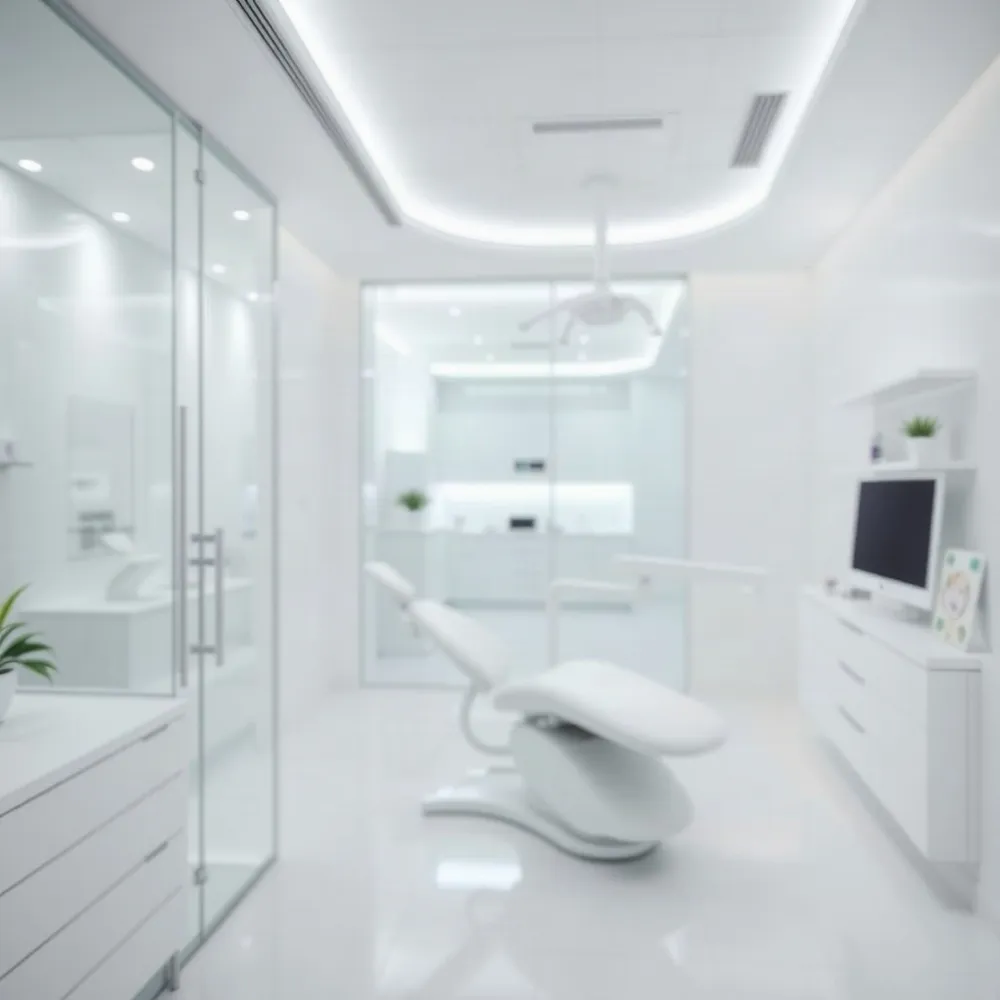 Correcting dental alignment does more than refine the appearance of a smile. By optimizing the structural position of teeth, patients experience a more efficient distribution of biting and chewing forces. This balance prevents the uneven enamel wear and potential tooth fractures often caused by persistent misalignment, as noted by the American Association of Orthodontists.
For individuals managing specific bite issues, such as anterior open bites or significant spacing, orthodontic intervention can lead to measurable improvements in speech clarity. Because improper jaw alignment can force the tongue or lips into unnatural positions during articulation, realigning the underlying structure allows for more natural oral mechanics. At Trielle Orthodontics, treatment plans are individualized to address these functional needs, ensuring that speech and chewing dynamics are prioritized alongside aesthetic goals.
Proper alignment also mitigates excessive strain on the temporomandibular joint (TMJ). When teeth fit together correctly, the jaw muscles can relax more fully, often alleviating chronic discomfort or tension headaches linked to malocclusion. By utilizing modern technology to map precise tooth movement, specialists can design trajectories that stabilize the bite, ultimately fostering better long-term oral health and comfort during daily activities.
4. Improving Long-term Oral Hygiene and Health
Straightening teeth does far more than improve the appearance of a smile. According to What Is Orthodontics?, misaligned teeth create crowded spaces that are difficult to access with floss or a toothbrush, which often leads to the accumulation of plaque. By aligning the teeth properly, patients at Trielle Orthodontics benefit from improved access for daily cleaning routines, which serves as a foundation for better long-term oral hygiene.
When plaque is allowed to settle in crowded or overlapping areas, it increases the risk of dental decay and periodontal disease. As noted by the American Association of Orthodontists, professional orthodontic correction simplifies this maintenance process, effectively reducing the probability of these common dental issues. By preventing persistent inflammation and bacterial buildup, treatment helps safeguard the integrity of the gum tissue and tooth enamel over the patient's lifetime.
Maintaining a healthy mouth has clear implications for systemic well-being as well. Research has consistently linked poor oral health to chronic systemic conditions, including heart disease, often due to the spread of bacteria from the mouth into the bloodstream. By investing in a personalized treatment plan, patients not only achieve aesthetic goals but also support their broader health through improved oral mechanics and easier hygiene management.
5. Optimizing Soft Tissue Support and Lip Competence
Orthodontic treatment plays a significant role in how facial soft tissues drape across the underlying skeletal structure. By repositioning the teeth and jaws, Trielle Orthodontics helps achieve proper lip competence, which ensures the lips can comfortably cover the teeth at rest. This balance contributes to a more natural facial profile and helps minimize the appearance of strain often associated with bite discrepancies.
Correcting the dental foundation also addresses common concerns such as excessive gum visibility, often referred to as a gummy smile. While some generalized approaches overlook these soft tissue dynamics, the individualized treatment plans at Trielle Orthodontics are designed to account for specific facial proportions and lip thickness. This holistic focus helps create a more harmonious transition between the lower face and neck.
Achieving this balance is a complex biological process that requires professional, in-person supervision to manage the movement of jaw and facial bones as detailed by the AAO. By customizing the shift of each tooth, Trielle Orthodontics ensures that the final result provides stable support for the cheeks and lips, promoting a more youthful facial appearance that remains consistent over the long term.
6. Preventing Abnormal Enamel Wear and Dental Emergencies
Correcting the alignment of teeth is a proactive measure against significant structural damage, such as fractures and erosion. When teeth meet improperly, biting forces are often distributed unevenly, which can lead to stress points that cause enamel to wear down prematurely or even fracture Why Orthodontics? Benefits of Braces & Clear Aligners | AAO. By shifting these teeth into a balanced position, Trielle Orthodontics ensures that forces are spread evenly across the dental arch, protecting the integrity of your enamel over time.
Consistent pressure on specific, misaligned teeth can eventually compromise their protective layer, accelerating tooth decay and heightening the risk of TMJ disorders. This preventative approach is vital because professional orthodontic supervision allows a specialist to monitor the progress of tooth movement, effectively reducing the likelihood of unexpected dental emergencies Why Orthodontics? Benefits of Braces & Clear Aligners | AAO. Instead of waiting for a painful fracture or a sudden issue to arise, Trielle Orthodontics focuses on building a stable foundation that keeps your mouth healthy for years to come.
7. Supporting Youthful Facial Appearance and Balance
Beyond the immediate appeal of a straighter smile, orthodontic treatment functions as a structural intervention that influences how soft tissues like the lips and cheeks drape across the underlying skeletal framework. By correcting bite issues such as overbites or crossbites, these procedures establish a stable foundation that supports facial contours, often helping to prevent the sunken appearance or premature aging signs frequently associated with poor jaw alignment.
At Trielle Orthodontics, clinicians prioritize this holistic perspective by creating individualized treatment plans that restore facial symmetry. Unlike generic, one-size-fits-all appliances that may fail to account for unique facial proportions, this approach ensures that each adjustment contributes to overall harmony. By balancing the bite, the practice helps patients achieve a more proportional facial profile, which can minimize deep smile lines and promote a refreshed, more youthful aesthetic.
Modern techniques integrated into these personalized care plans allow for a level of precision that traditional methods often miss. Because the structure of the face changes over time, professional orthodontic supervision is essential to ensure that the teeth and jaw remain in positions that support long-term soft tissue health. This focus on long-term balance helps maintain a natural, vibrant appearance that extends well beyond the end of active treatment.
8. Leveraging Advanced Technology for Precision Results
Modern orthodontics has evolved beyond physical adjustments, relying on digital orthodontics to map precise tooth movement before treatment begins. At Trielle Orthodontics, clinicians utilize advanced 3D scanning and digital modeling to replace messy traditional impressions with high-resolution diagnostic data. This technology allows patients to preview their projected final smile, establishing clear expectations for their individualized treatment trajectory.
Predictable tooth movement is a hallmark of these systems. By integrating AI-driven outcome prediction and custom-trimmed appliances, the practice ensures that each movement is calculated for efficacy and patient comfort. Unlike generalized, one-size-fits-all solutions, this personalized approach accounts for unique anatomical variations, resulting in more stable and efficient outcomes.
- Elimination of uncomfortable physical impressions through 3D imaging.
- Higher precision in appliance fabrication using in-house digital scanning.
- Increased patient comfort and reduced chair time through optimized treatment planning.
Understanding Costs and Insurance
Evaluating the cost of orthodontic care requires a shift from viewing a single price tag to understanding the value of a comprehensive, personalized treatment plan. Industry standards for braces or clear aligners often range from $4,000 to $6,000, though this figure shifts based on the complexity of your specific anatomical needs and the estimated duration of your care. When reviewing quotes, verify that the fee encompasses all essential services, including diagnostic records, the appliances themselves, regular clinical adjustments, and post-treatment retention.
At Trielle Orthodontics, we prioritize transparency by providing a clear breakdown of costs during your initial evaluation. Unlike standardized, one-size-fits-all services that may mask hidden fees, our approach ensures you understand the clinical reasoning behind your investment. If a quote seems unexpectedly low, investigate whether it covers the full spectrum of necessary care or if it reflects a limited, diagnostic-free approach that lacks professional orthodontic supervision.
Insurance benefit structures are another vital layer of financial planning. Most plans provide a lifetime maximum allowance or a specific percentage coverage for orthodontic procedures, but these benefits often come with prerequisites such as waiting periods or deductibles. Our team helps patients navigate these complex benefit packages to maximize their existing coverage.
When out-of-pocket costs remain, Trielle Orthodontics offers flexible, interest-free monthly installment plans. These arrangements are designed to increase accessibility, ensuring that high-quality, personalized orthodontic results are attainable regardless of your immediate financial position. We also support the use of FSA and HSA funds to further manage these investments in your long-term oral health.
Selecting the Right Treatment Path
The two primary orthodontic options are traditional fixed braces and clear aligners. Traditional braces use metal or ceramic brackets and wires to provide a versatile, highly effective solution capable of correcting even complex dental issues, though they remain permanently affixed for the duration of treatment. In contrast, clear aligners use a series of transparent, removable trays that offer superior aesthetics and comfort, making them a discreet choice for many patients. While aligners allow for easy removal during meals and simplified oral hygiene, they require strict patient compliance by being worn for at least 22 hours each day to be effective, per AAO guidance. Ultimately, the choice between these options depends on your specific clinical needs, lifestyle preferences, and the personalized treatment plan developed during your consultation at Trielle Orthodontics.
An ideal candidate for Invisalign is generally someone with mild to moderate orthodontic concerns, such as minor crowding, spacing issues, or slight bite irregularities. Because the treatment relies on consistent, controlled tooth movement, candidates must be fully committed to wearing their aligners for 20 to 22 hours every day. Conversely, a dentist may recommend alternative options like traditional braces if a patient presents with severe bite problems or complex tooth movements that require significant structural correction. Additionally, individuals with untreated dental issues, such as active gum disease or cavities, will need to address these health concerns before starting any orthodontic treatment, as noted by clinical health standards. Ultimately, a professional consultation is necessary to determine if your specific dental anatomy is suited for clear aligners or if a different approach will provide more effective, predictable results.
Best Practices for Aligners
Successful clear aligner therapy relies on more than just the appliance itself; it depends on how well you maintain the routine. At Trielle Orthodontics, we emphasize that consistent wear is the primary driver of predictable tooth movement. Beyond wear time, patients should clean their aligners daily to prevent bacterial buildup and ensure they remain discreet throughout the day. Integrating digital treatment planning allows our team to monitor your progress precisely, but your active participation in following dietary guidelines and attending scheduled adjustments remains vital to achieving the best possible facial and dental harmony.
The Role of Innovation in Modern Orthodontics
Modern orthodontic technology has been significantly transformed by the integration of artificial intelligence and machine learning, which enhance diagnostic accuracy and treatment precision. These advanced systems excel at complex tasks such as landmark identification, malocclusion classification, and the segmentation of 3D anatomical structures, as detailed in recent research on AI-driven dynamic orthodontic treatment management. By utilizing deep learning algorithms, specialists can now benefit from more accurate growth predictions, improved risk assessment, and highly refined treatment planning for clear aligners.
While these digital tools help reduce procedural time and minimize operator variability, they serve as powerful supportive aids that complement, rather than replace, professional clinical judgment. At Trielle Orthodontics, our team integrates these technologies to develop individualized treatment plans tailored to each patient's unique anatomy. By moving away from traditional, uncomfortable impressions and toward precise 3D scanning, we ensure a more efficient and comfortable journey for every patient.
Ultimately, these technological advancements ensure more predictable care by leveraging data-driven insights to achieve optimal outcomes. Whether addressing complex bite issues or seeking subtle aesthetic refinements, the combination of digital orthodontics and human expertise allows for a higher standard of care than generalized treatment models. Patients can expect a more collaborative experience where progress is mapped out with clarity from the very first visit.
Treatment Maintenance and Compliance
Achieving your ideal smile requires a commitment to consistency, as the biological process of tooth movement relies on constant, gentle pressure. At Trielle Orthodontics, we emphasize that your active participation is the foundation for a successful outcome, whether you are wearing traditional braces or clear aligners.
What is the 30-minute rule regarding Invisalign, and what best practices should patients follow during treatment?
The 30-minute rule for Invisalign mandates that you reinsert your aligners within 30 minutes after eating or drinking anything other than water. This window allows your mouth’s pH levels to balance and gives you sufficient time to brush and rinse thoroughly, preventing the buildup of trapped acids, sugars, and bacteria that can lead to cavities or enamel erosion. To ensure treatment remains on schedule, you must also prioritize wearing your aligners for at least 20 to 22 hours every day to maintain the consistent, gentle pressure required for effective tooth movement. Best practices include cleaning your aligners regularly as instructed by your orthodontist and avoiding keeping them out for extended periods to prevent your teeth from shifting.
Maintaining impeccable oral hygiene is essential during this process. Because straighter teeth are easier to clean once treatment concludes, establishing disciplined habits now reduces your risk of plaque buildup. Patients should follow the customized treatment plans provided by our team, ensuring they brush and floss after every meal to keep both their appliances and natural teeth healthy throughout the duration of care.
Embark on Your Journey to a Healthier Smile Today
Achieving an ideal smile provides lasting benefits, from improved oral mechanics to enhanced facial harmony. Because orthodontic care is a complex biological process, professional oversight is essential to ensure safety and precision. Unlike mail-order alternatives, Trielle Orthodontics in Union, NJ, creates individualized treatment plans tailored to your specific anatomy.
Whether you are exploring clear aligners or traditional braces, our team prioritizes your comfort and long-term health. We invite you to visit trielleorthodontics.com to schedule a consultation and begin your journey toward a healthier, more confident smile.