Why Two-Phase Treatment Matters
Two-phase orthodontic treatment is a staged approach that aligns care with a child’s natural growth and dental development. Instead of waiting until all adult teeth have erupted, treatment is split into an early interceptive phase and a later comprehensive phase. The American Association of Orthodontists recommends that every child have a first orthodontic evaluation by age 7, as this is when enough permanent teeth are present to detect developing issues.
Early intervention can prevent the need for more invasive procedures later. Two-phase treatment guides jaw growth and creates space for permanent teeth, which can reduce the severity of malocclusions and, in some cases, avoid the need for jaw surgery altogether. As Ohio State Wexner Medical Center notes, braces and appliances placed at age 7 or 10 can modify how the jaw grows, whereas waiting until age 17 or 18 may make surgery necessary.
Two-phase treatment is not required for every child. Many patients achieve excellent results with a single phase of comprehensive braces. However, early intervention is especially beneficial for children with specific issues such as severe crowding, bite problems (overbite, underbite, crossbite), or early or late loss of baby teeth. At Trielle Orthodontics, an initial evaluation helps determine whether a child will benefit from this two-stage approach, and the team tailors the plan to each patient’s unique growth pattern and needs.
The First Orthodontic Checkup
 The American Association of Orthodontists recommends that children have their first orthodontic check-up no later than age 7. By this age, a child typically has enough permanent teeth for an orthodontist to detect developing issues with jaw growth, bite alignment, or crowding.
During this early evaluation, the orthodontist looks for problems that are easier to address while the jaw is still growing, such as an underbite, excessive overjet, posterior crossbite, or early loss of baby teeth. An early check-up does not always mean early treatment — sometimes the right course is simply to monitor growth and schedule treatment later.
You do not need a referral from a dentist to schedule this appointment. Simply book a visit with an orthodontist. At Trielle Orthodontics in Union, NJ, the initial evaluation helps families understand whether their child will benefit from a two-phase approach or can wait for a single phase of comprehensive care later.
Phase 1: Early Interceptive Treatment
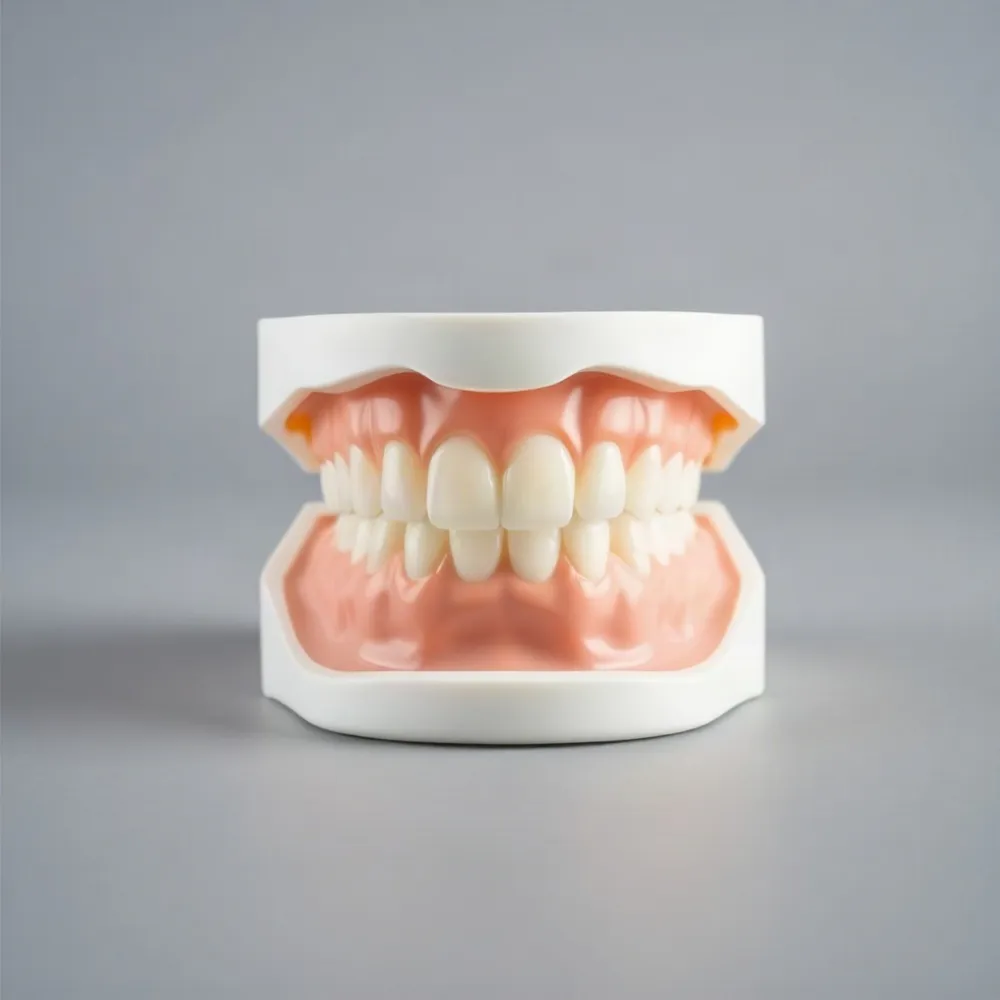 Phase 1 orthodontic treatment, also called interceptive orthodontics, typically occurs between the ages of 6 and 10, when a child has a mix of baby and permanent teeth. This early stage focuses on guiding jaw growth and creating space for permanent teeth to erupt properly, setting the foundation for a healthy bite and smile.
According to resources from The Ohio State University College of Dentistry, Phase 1 aims to correct jaw growth and bite problems such as underbite or excessive overjet. Early intervention can sometimes prevent the need for jaw surgery later, because appliances can modify the way the jaw grows until it stops. At Trielle Orthodontics, we use this stage to address issues like posterior crossbite and early loss of baby teeth, helping adult teeth come in straight.
Timing. Phase 1 begins during the mixed dentition phase (ages 6–10), when the jaw is still growing and responding well to gentle guidance.
Appliances. Common appliances include palatal expanders to widen a narrow upper jaw, partial braces on select teeth, space maintainers, and habit-breaking appliances.
Duration. Active Phase 1 treatment typically lasts 9 to 12 months, followed by a resting period during which remaining permanent teeth erupt naturally.
Goals. The focus is on correcting jaw discrepancies like underbite, overbite, and crossbite, relieving severe crowding, and addressing harmful habits such as thumb sucking.
It is important to understand that Phase 1 treatment is functional, not cosmetic. Any work done on baby teeth during this stage is for guiding jaw growth and making room for permanent teeth, not for appearance. At Trielle Orthodontics, the team creates individualized plans to ensure this early treatment builds a strong foundation for your child's oral health.
The Resting Period Between Phases
After Phase 1 braces or appliances are removed, most children enter a resting period. This break allows the jaw and teeth to continue their natural growth while remaining permanent teeth erupt. Retainers may or may not be prescribed during this stage, especially if they would interfere with the eruption process.
Resting periods typically last from a few months to several years (often between 1 and 4 years), depending on the child's development. The orthodontist will monitor progress every 6 to 12 months with periodic check-ups to track growth and eruption. Selective removal of certain primary (baby) teeth during this time can help guide permanent teeth into better positions.
Though the teeth are not in their final positions at this stage, a successful Phase 1 will have created adequate room for permanent teeth to find a proper eruption path. This phase is a waiting and observation period, not an inactive one. Orthodontists at Trielle Orthodontics carefully time Phase 2 to begin when most permanent teeth (including the 12-year molars) have erupted, setting the stage for final comprehensive alignment.
Phase 2: Comprehensive Final Alignment
Phase 2, or comprehensive orthodontic treatment, typically begins once most or all permanent teeth have erupted. This usually falls between ages 11 and 14 — slightly earlier for girls than boys. At this stage, the focus shifts from guiding jaw growth to placing every tooth in its correct position for a healthy bite and a confident smile.
Because major skeletal and spacing work was completed in Phase 1, Phase 2 is often shorter and more straightforward than a single round of late orthodontic care. The goal is to straighten all teeth, correct remaining bite issues such as overbite, underbite, or crossbite, close any gaps, and finalize the way the upper and lower jaws fit together.
Appliances. Full braces — metal, ceramic, or lingual — or clear aligners are applied to all upper and lower teeth. These devices apply gentle, consistent pressure to move teeth into their ideal positions.
Duration. Phase 2 usually lasts between 12 and 24 months. The exact timeline depends on the complexity of the case and how the teeth respond to treatment.
Results. Beyond aesthetics, proper alignment improves biting, chewing, and speaking functions. Many patients also notice a significant boost in confidence as their new smile takes shape.
At Trielle Orthodontics, treatment plans are tailored to each patient's unique needs. By building on the foundation established in Phase 1, the practice's personalized approach aims to make Phase 2 as efficient and comfortable as possible, helping patients achieve lasting, functional results.
The Active Treatment Process
Treatment begins with an initial consultation and planning stage. Your orthodontist performs a thorough exam, takes panoramic X-rays and intraoral scans, and reviews your medical and dental history. These records are used to create a detailed treatment plan, including the type of appliances recommended and the expected duration of care.
About one week before braces are applied, small rubber separators are placed around the back teeth. These create space for the metal bands that will anchor the braces during treatment.
On braces application day, the separators are removed, and each tooth is prepared individually. Dental glue is used to bond the brackets, and then an archwire is inserted through the slots. Patients are advised to take short-term pain relief beforehand, as teeth may feel sore within a few hours. After the braces are placed, you will be shown how to brush and floss around the brackets and given a care kit.
During the active treatment phase, you will visit the orthodontist every four to eight weeks for adjustments. These visits allow the orthodontist to tighten or replace archwires and monitor tooth movement. The first few months focus on leveling and aligning the teeth.
Once teeth are level and aligned, the next stage involves correcting the bite. Your orthodontist may use elastics, springs, or other appliances to address overbites, underbites, crossbites, and to close any remaining gaps from extractions. Additional X-rays may be taken during this phase to check root position and guide bracket repositioning.
The final months of braces are dedicated to fine-tuning alignment and bite. Your orthodontist makes small adjustments to ensure each tooth is in its ideal position for function and appearance.
On the day braces are removed, called debonding, your orthodontist carefully removes the brackets and bands, then cleans and polishes the teeth. Final impressions or scans are taken to create your custom retainer, which will be worn to maintain your new smile.
Retention: Keeping Your New Smile
 Once braces are removed, the orthodontic journey is not quite over. Without active retention, teeth have a natural tendency to drift back toward their original positions. Retainers are essential to hold the corrected alignment in place while the jawbone and surrounding tissues stabilize around the new tooth positions.
Types of Retainers
Fixed (Bonded) Retainers. A thin wire is bonded permanently to the back of the lower front teeth (and sometimes the upper teeth). They remain in place 24/7 and are invisible from the front.
Removable Retainers. Clear plastic aligners that fit over the teeth. They can be taken out for eating and cleaning, but require consistent wear to prevent relapse. Trielle Orthodontics provides both types as part of its individualized retention plans.
Wear Schedule and Follow-Up
For the first three months after braces come off, removable retainers must be worn full-time (day and night, removing only to eat and brush). After that period, many orthodontists recommend nightly wear for at least 12 hours. The exact schedule depends on the patient's age, the complexity of the original correction, and how quickly the bones remodel.
Patients should bring their retainers to every follow-up appointment. A typical post-treatment schedule includes checks at 6 months, 9 months, and 12 months, then annual visits thereafter. These appointments allow the orthodontist to verify that the retainers still fit correctly and that teeth have not shifted.
Monitoring Wisdom Teeth
Wisdom teeth that have not yet erupted can push against the arch and cause gradual misalignment even years after treatment. Orthodontists recommend taking x-rays every two years to check the position of any unerupted wisdom teeth. If they become impacted or start moving other teeth, extraction may be needed to protect the investment made in Phase 1 and Phase 2.
Cost and Second Opinions
The total cost of two-phase orthodontic treatment is higher than a single round of braces. Phase 1 typically ranges from $2,000 to $4,500, while Phase 2 generally costs between $3,000 and $7,000. Together, the overall investment is usually about 25% more than a single-phase approach.
However, early intervention can often prevent much more expensive procedures later. Addressing jaw growth and bite problems early can reduce the need for tooth extractions or jaw surgery, which can cost thousands of dollars more than braces alone. In this sense, the upfront cost of Phase 1 can be a smart long-term investment.
Because the financial and time commitment is significant, seeking a second opinion is valuable for peace of mind. A second orthodontist may offer a different diagnosis or treatment plan that is a better fit for your child's needs. It also helps you compare costs and treatment approaches before committing.
Trielle Orthodontics makes two-phase treatment more accessible with flexible payment options, including CareCredit and insurance acceptance. They also offer a free initial consultation to create a personalized treatment plan and provide a clear cost estimate. This allows families to plan financially while ensuring their child receives the appropriate early care for lasting results.
Your Journey to a Healthier Smile
The two-phase orthodontic journey follows a clear path: an early evaluation by age 7, interceptive Phase 1 treatment to guide jaw growth, a resting period for natural development, comprehensive Phase 2 alignment, and finally retention to keep the results. Early intervention can prevent the need for jaw surgery later in life and reduce the likelihood of permanent tooth extractions, while also improving facial balance and boosting a child's confidence in their smile.
At Trielle Orthodontics in Union, NJ, the team offers personalized care using modern technology and flexible payment options to make treatment accessible. If you believe your child may benefit from a staged approach, schedule a free consultation at 2333 Morris Ave, Union, NJ, or call (908) 206-4700 to discuss whether two-phase treatment is the right choice for your family.