A Closer Look at Orthodontic Care
Orthodontic treatment can involve unfamiliar appliances, office procedures, and everyday care routines. Behind-the-scenes videos can make these steps easier to picture, from seeing how braces are adjusted to learning how to care for an appliance at home. The Cleveland Clinic’s overview of braces explains that treatment options and needs vary, giving patients useful context before a conversation with their orthodontist.
At Trielle Orthodontics in Union, NJ, care includes individualized treatment planning and patient education. A video can help viewers prepare practical questions about their goals, appliance choices, or daily routines, but it cannot determine which treatment is suitable. That requires an orthodontist’s assessment of the individual patient.
Videos published by other practices offer examples of topics that educational content might cover, such as aligners, braces, or oral hygiene. Those examples do not show which videos or services Trielle Orthodontics offers. Use videos as a starting point for discussion, then ask the practice about your own care.
From Consultation to a Personalized Plan
 A useful behind-the-scenes video can show that planning begins with a conversation, not a preset appliance choice. At Trielle Orthodontics, care is tailored to each patient’s teeth, bite, goals, and lifestyle. A consultation may include discussing what the patient hopes to change and examining the teeth, gums, jaw alignment, bite, and overall oral health.
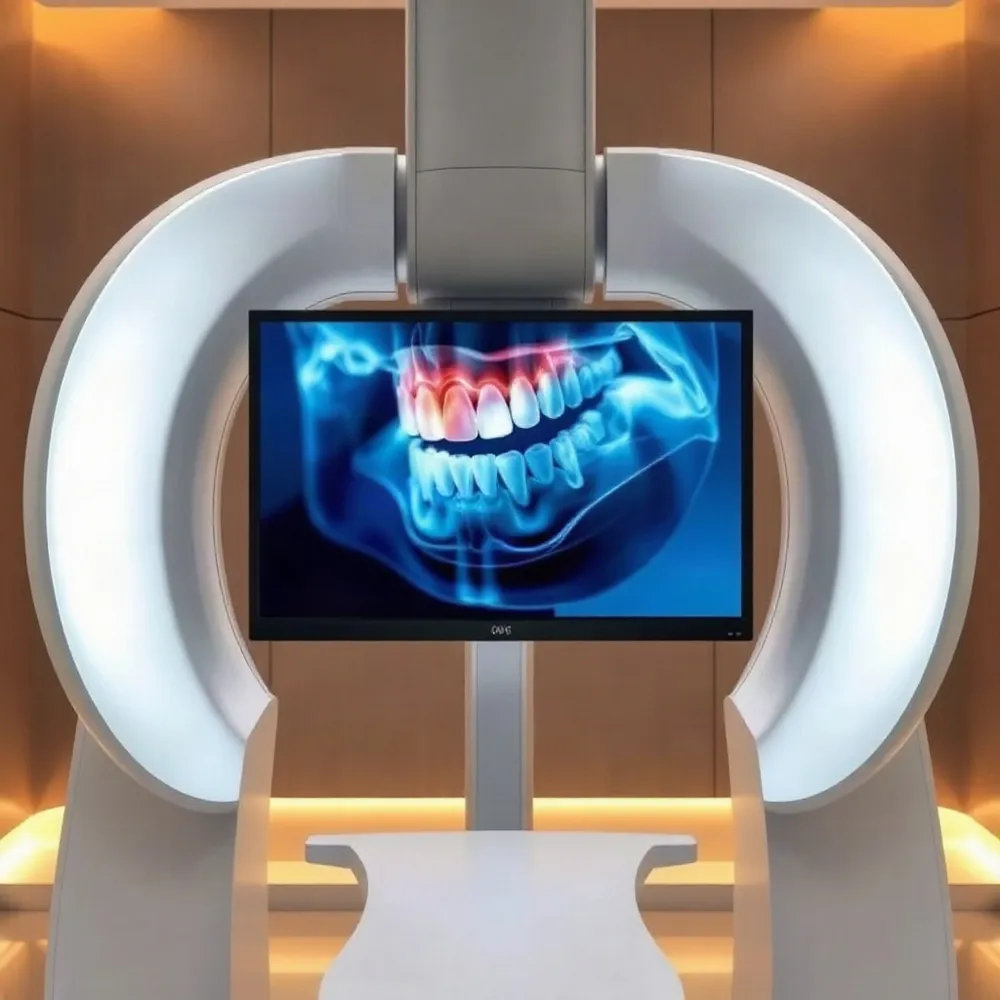
The clinician may also gather records such as X-rays, photographs, digital scans, or impressions. These records help assess tooth and jaw structures that cannot be judged from a quick look alone. As the Cleveland Clinic explains, the right orthodontic approach depends on the type and severity of the concern as well as the patient’s preferences.
A treatment plan maps the movements needed, appliance choices, treatment stages, and progress checks. Similar-looking crowding, spacing, or bite concerns can have different underlying causes, so the plan for one patient may not suit another. Trielle offers clear aligners and braces, with options considered after an orthodontist evaluates the individual case.
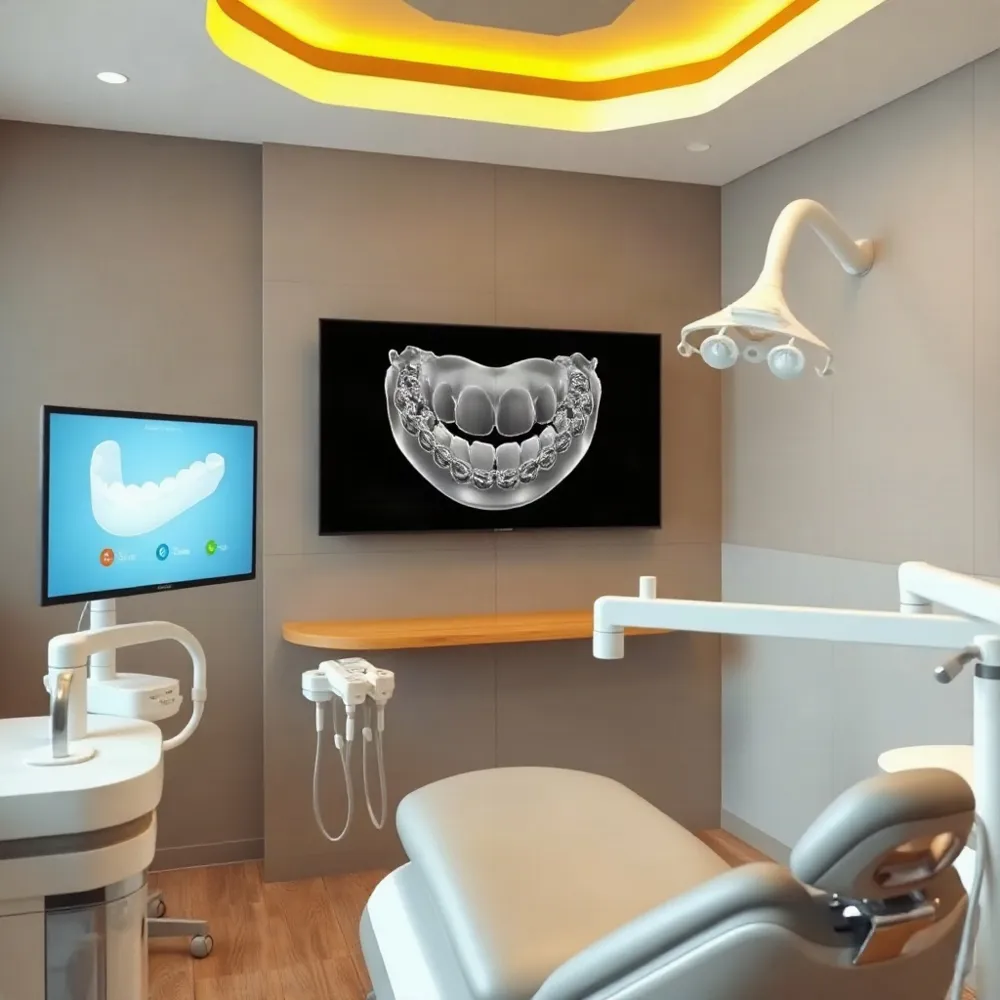
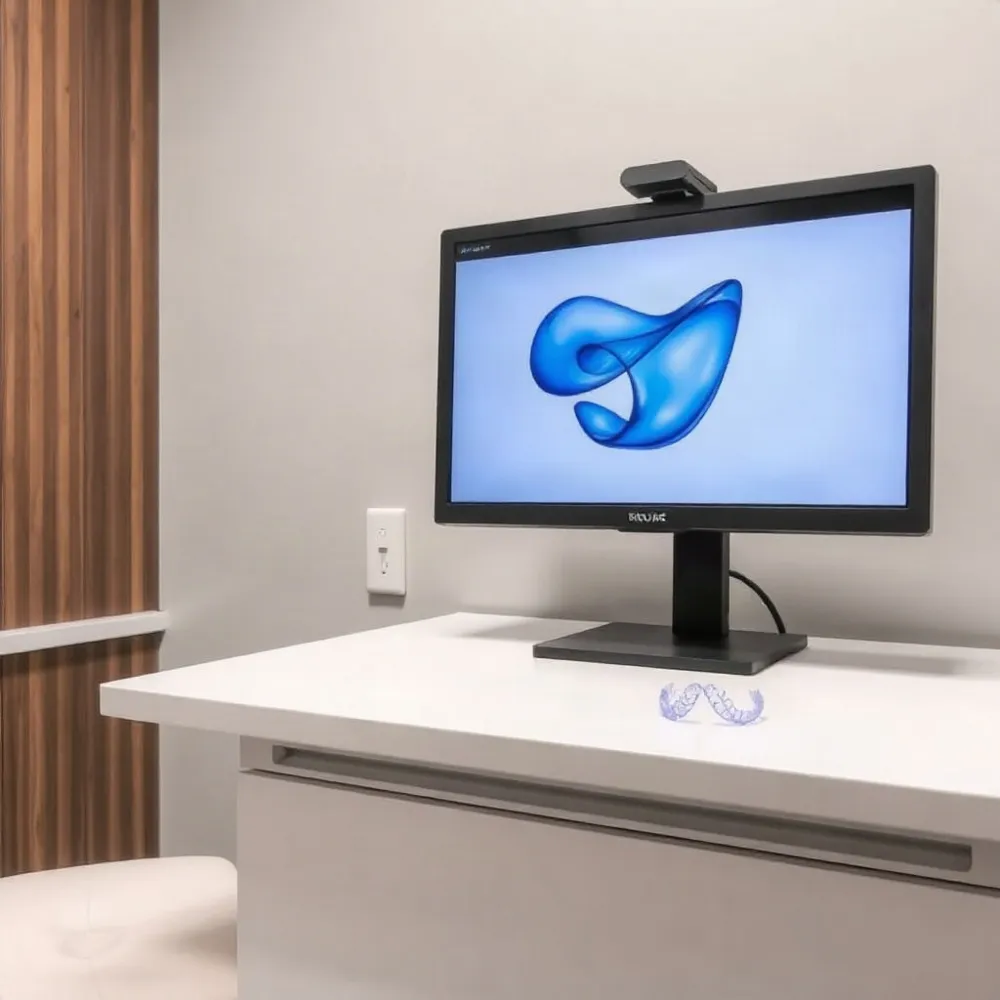
A video can make processes such as scanning or reviewing a digital treatment visualization easier to picture. A simulation can help explain the proposed plan, but it is a planning aid, not a promise of the final result. Tooth movement and the need for adjustments vary, so progress checks remain part of care.
Viewers can use the consultation overview to prepare practical questions: Which options fit my bite and routine? What records might I need, and how will progress be checked? Patients can also ask about expected timing and flexible payment arrangements. The clinician can provide an estimate after evaluating the case; no single timeline applies to everyone.
Braces, Aligners, and Appliance Choices
 A short demonstration can make unfamiliar appliances easier to picture. Videos may show how brackets and wires guide teeth, how clear aligner trays fit, or how devices such as expanders and space maintainers work. Trielle Orthodontics offers braces and clear aligners as part of its personalized orthodontic care, with recommendations based on each patient’s needs.
Braces come in several forms. Metal braces use brackets and wires; ceramic braces work similarly with tooth-colored brackets. Lingual braces attach behind the teeth, while self-ligating braces use built-in clips to hold the wire. Each design has practical trade-offs, including visibility, comfort, and cleaning. Cleveland Clinic’s overview of braces describes these options alongside clear aligners.
Braces stay fixed in place, so brushing and flossing around brackets and wires takes care. Aligners are removable for meals and brushing, but they need consistent wear to work as planned. Videos can demonstrate these routines, though an orthodontist should explain the instructions for a patient’s specific appliance.
No appliance is automatically faster or better. Treatment depends on the diagnosis, bite, tooth movements needed, and how consistently the patient follows care instructions. Aligners may suit some cases, while braces can offer control for more complex movements. An evaluation at Trielle Orthodontics can help compare suitable options, including clear aligners and braces, and discuss flexible payment options. The orthodontist can also estimate an individualized timeline.
Everyday Care and Realistic Expectations
 Practical care videos can show how to brush around brackets and wires, handle aligners at meals, wear elastics, and look after retainers. These demonstrations offer reminders for everyday routines, while your orthodontist’s instructions should guide your own care.
Braces are not usually painful to place, but pressure and temporary soreness can follow as teeth begin to move or after an adjustment. Tender teeth or gums, jaw soreness, and irritation where brackets rub the cheeks or lips are possible, though experiences vary. Discomfort often eases within a few days, but a video cannot assess what is causing pain.
Soft foods may feel more comfortable when teeth are tender. Orthodontic wax can cover a bracket that rubs, and warm salt-water rinses may soothe irritated areas. Careful brushing and flossing matter because plaque can collect around brackets and wires, raising the risk of cavities and gum problems. Cleveland Clinic’s braces guidance also describes common discomfort and the need for thorough oral hygiene.
For removable aligners, a video can demonstrate taking trays out for meals, cleaning teeth, and rinsing trays before putting them back. The informal “30-minute rule” usually means planning a meal window and returning aligners promptly afterward. It is not an official rule: many treatment plans call for 20 to 22 hours of daily wear, so follow your orthodontist’s directions. Remove aligners for drinks other than plain water, and ask your orthodontist whether to wait after acidic foods or drinks before brushing.
At Trielle Orthodontics, personalized care and patient education can help connect general care demonstrations with the instructions that fit an individual treatment plan. Contact your orthodontist about severe, worsening, or persistent pain, or a broken or poking appliance, rather than relying on a video to diagnose or manage the problem.
Technology and Ongoing Progress Checks
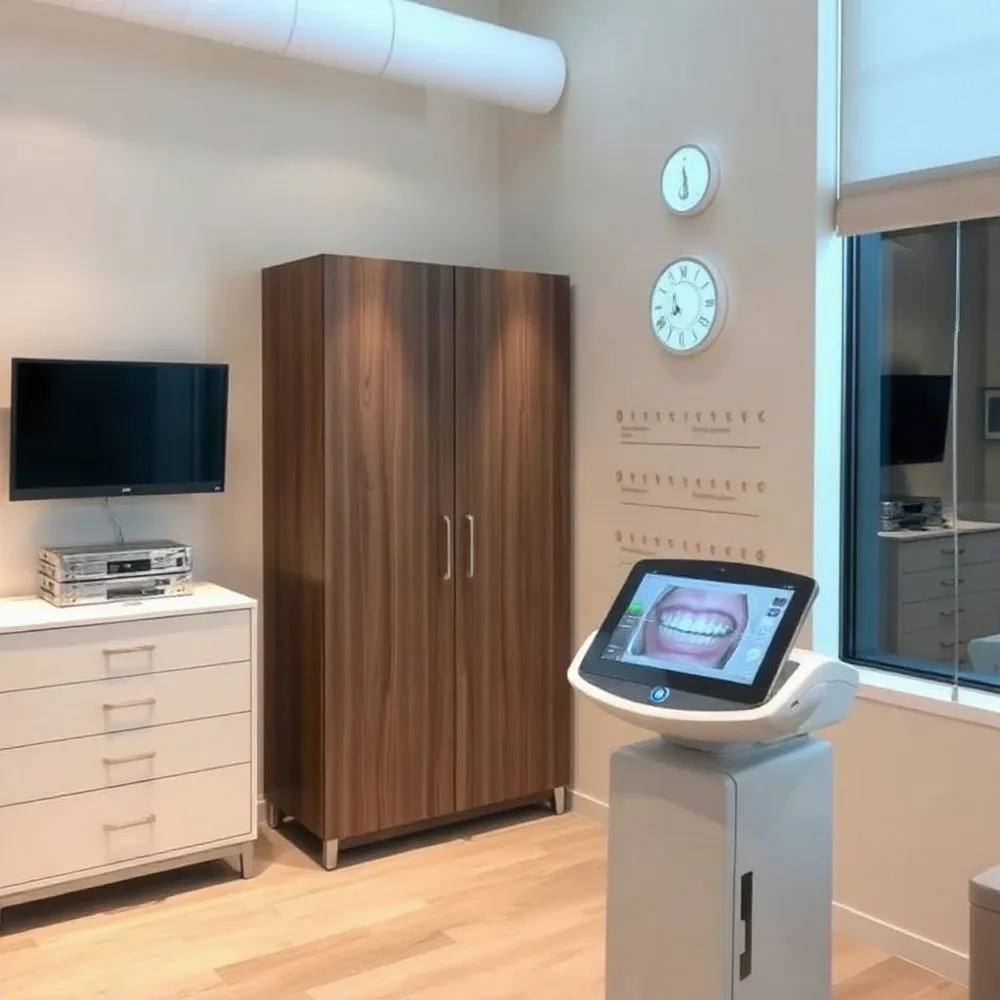
A behind-the-scenes walkthrough can show a digital scan becoming a three-dimensional model, then explain how records help an orthodontist plan tooth movement and design an appliance. At Trielle Orthodontics, treatment plans are individualized, and the practice emphasizes modern technology alongside patient education.
Digital models and planning tools can help clinicians visualize a proposed approach and explain it to patients. They are aids for discussion, not promises of a particular result or substitutes for an orthodontist’s assessment. As the Cleveland Clinic explains, braces apply steady pressure to move teeth over time, with treatment choices shaped by individual needs.
Progress checks remain part of care after an appliance is placed. Clinicians compare tooth movement with the plan and may adjust treatment if teeth respond differently than expected. Videos can make this monitoring visible, helping patients understand that treatment is reviewed as it progresses rather than left to run on its own.
Some educational content may also explain remote photo check-ins or virtual visits. These tools can support communication between appointments, but they do not replace in-person care when a clinician considers it necessary. Any claims about specific scanning equipment or remote services at Trielle Orthodontics should be confirmed directly with the practice; possible workflow or comfort benefits are not guaranteed for every patient.
Videos as a Starting Point for Better Questions
Short demonstrations can make an unfamiliar step easier to picture. Pause or replay a clip at your own pace, review it before an appointment, or return to it after receiving a new appliance. Sharing relevant instructions with a parent, partner, or other caregiver can help everyone support the same care routine.
A video can prepare you to ask about appliance choices, cleaning, foods to avoid, temporary discomfort, damaged brackets or trays, treatment milestones, costs, and retainer use. General information about braces and how they work can offer context, but a video cannot diagnose a concern or determine which treatment is suitable for you.
Braces and clear aligners do not have one standard price. The fee depends on the treatment plan, complexity, expected duration, appliance, and what the quote includes, such as records, retainers, and follow-up care. Insurance, HSA or FSA funds, and payment plans may affect out-of-pocket costs. At Trielle Orthodontics, flexible payment options are part of the practice’s approach; a consultation can clarify the estimate for your individual plan.
Bring your questions to the orthodontic team and ask for advice based on your exam, goals, and daily routine. Videos can help you feel more prepared and give family members a shared starting point, while informed decisions come from discussing your own needs with your care team.
Use Videos to Prepare, Then Ask
Behind-the-scenes videos can help make orthodontic assessment, treatment planning, appliance care, and progress checks easier to understand. They offer a starting point, not a diagnosis: braces and other options suit different needs, so treatment choices belong in a conversation with an orthodontist. Cleveland Clinic’s overview of braces explains how options vary by individual needs and preferences.
Use what you have seen to prepare specific questions for Trielle Orthodontics in Union, NJ. Discuss your goals, which treatments may suit your case, daily care routines, and flexible payment options. A focused conversation can help you understand the choices and decide on next steps with your orthodontist.