Progress Is More Than a Straight Smile
Orthodontic treatment moves teeth gradually through controlled pressure. At each check, the orthodontist assesses how teeth are responding and whether the bite is changing as intended. Progress is not simply a matter of seeing a straighter smile.
Monitoring may combine in-person examinations with photographs, scans, or other diagnostic records. Digital tools can also help clinicians compare current tooth positions with the treatment plan, while patients contribute by following appliance instructions and reporting concerns. Research describes remote scans as one way to track clear-aligner progress between visits, alongside in-person care when needed (study of remote aligner monitoring).
Because tooth movement and treatment needs differ, timelines are individualized rather than fixed. At Trielle Orthodontics, care includes personalized treatment plans and patient education, helping patients understand what a progress check shows. The orthodontist can then decide whether to continue as planned or adjust the approach.
How Orthodontists Measure Progress
Orthodontic care generally moves through planning, active treatment, and retention. During planning, the orthodontist examines the teeth, bite, and oral health, then may use scans, photographs, or X-rays to record a starting point and shape an individualized plan. At Trielle Orthodontics, treatment plans are tailored to each patient’s needs rather than based on a single standard sequence.
Progress checks compare current tooth positions with the goals in that plan. The orthodontist may assess spacing, crowding, rotation, overall alignment, and how the upper and lower teeth meet. Bite relationships matter for chewing, speech, and comfort as well as appearance. Digital records and clinical examinations can help show whether treatment is moving toward those goals.
Teeth do not always move at the same rate. Individual biology, the complexity of the alignment or bite concern, oral health, and adherence to appliance instructions can all affect progress. If movement differs from expectations, the orthodontist may watch a tooth more closely or revise the plan. Research on digital monitoring describes how remote check-ins can supplement in-person care, while noting that patient participation and clinical needs still shape the approach (review of digital monitoring and remote aligner therapy).
During active treatment, braces or clear aligners apply controlled pressure to move teeth gradually, with professional checks to assess the response. Once active treatment ends, retainers help maintain the new positions, and follow-up visits can help confirm that alignment remains stable. Trielle Orthodontics provides braces and clear aligners as part of its personalized orthodontic care.
Are clear aligners considered orthodontic treatment?
Yes. Custom-made clear aligners are an orthodontic treatment: the trays apply controlled pressure to move teeth and may address crowding, gaps, crooked teeth, and some bite concerns. They require an individualized plan and monitoring, and they are not suitable for every case.
What factors determine whether someone is a candidate for braces or clear aligners?
Candidacy depends on the type and complexity of tooth and bite concerns, teeth and gum health, and the movements needed. Age, lifestyle, treatment goals, and planned restorative work may also matter. Aligners can suit many mild-to-moderate concerns but require consistent wear and cleaning; braces may be preferable for complex movements or when a fixed appliance is appropriate. An examination and suitable records help the orthodontist recommend an option that fits the patient’s clinical needs.
What Records and Digital Tools Reveal
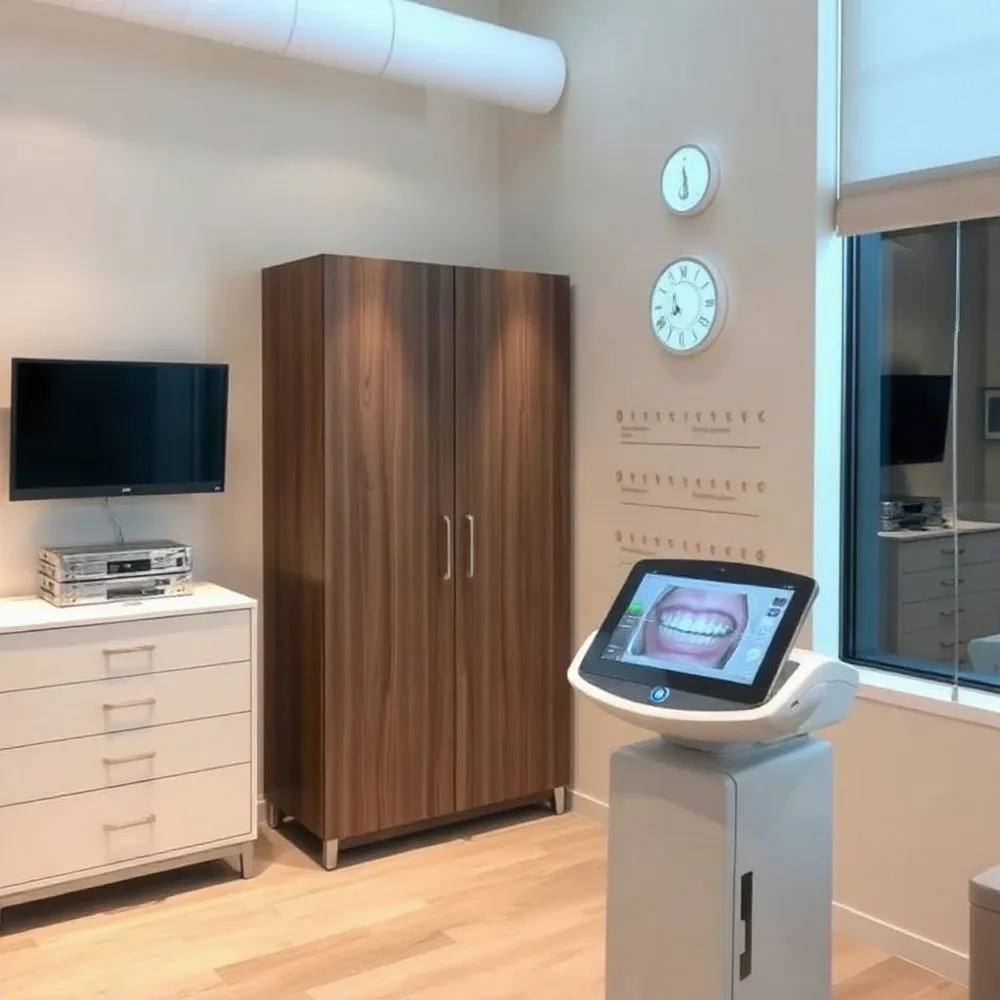
 Photographs and intraoral scans record visible tooth surfaces, spacing, and bite relationships. A handheld scanner creates a detailed 3D model that the orthodontist can compare with starting records or planned treatment stages. X-rays show what a surface scan cannot, including tooth roots, unerupted teeth, and supporting bone. The type and timing of imaging depend on clinical need. Cone beam CT can provide a 3D view when a case calls for more detail, but it is not a routine scan for everyone; clinicians weigh the need for information against radiation exposure.
Treatment-planning software and visual simulations help compare observed movement with intended stages, but they cannot guarantee a final result. AI-assisted image analysis, patient portals, video consultations, and remote-monitoring apps can support assessment and communication. The orthodontist interprets the records and decides when an in-person examination or adjustment is needed. Trielle Orthodontics emphasizes modern technology alongside individualized treatment planning, and its progress-tracking approach distinguishes what scans and X-rays each show.
How can patients monitor their Invisalign progress?
Take clear, consistent smile photos and compare them over time. The My Invisalign app offers a smile gallery, wear-time log, and reminders. If your orthodontist offers virtual monitoring, submit images through the recommended app, but keep scheduled office checks and report poor aligner fit or other concerns.
Remote monitoring can supplement, not replace, in-person care. A retrospective study of 40 selected adults receiving aligners found fewer office visits and shorter average treatment duration in the digital-monitoring group, with similar measured accuracy; its limited findings are not a promise of the same outcome for every patient (study details.
Appointments Keep Treatment Responsive
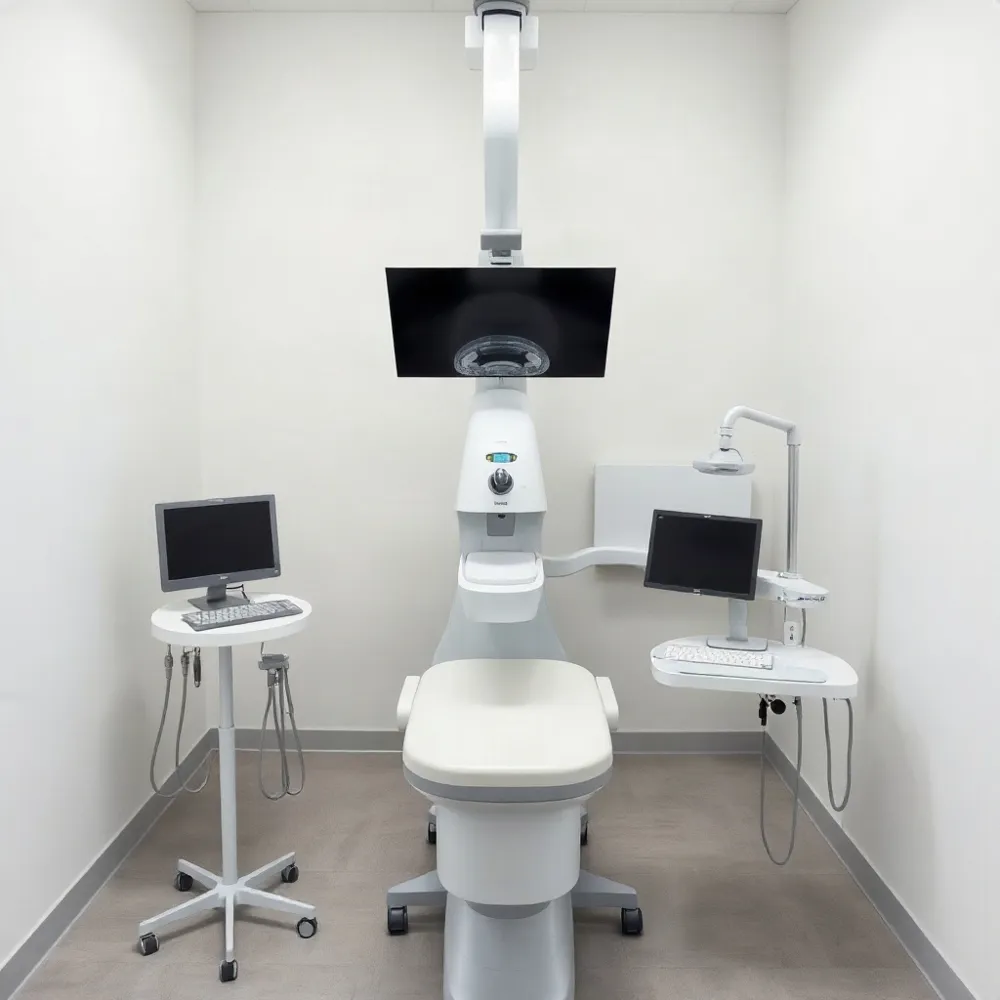 A progress appointment gives the orthodontist a chance to review alignment, bite changes, appliance condition and fit, comfort, oral hygiene, and questions that have come up since the last visit. New photos, scans, or X-rays may help at selected points, but they are not required at every appointment. At Trielle Orthodontics’ progress checks, the clinician can assess how teeth are responding and decide whether the plan needs adjustment.
With braces, the orthodontist may inspect brackets and wires and adjust wires or elastics when the plan calls for it. With aligners, the clinician checks fit and whether teeth are tracking with the planned stages before advising what to do next. If movement differs from expectations, the response may be to allow more time, review wear or fit, monitor a tooth, adjust the appliance or plan, or change stage timing. There is no single adjustment required at every visit.
How long does it take to see results from braces, and what can affect progress?
Small changes may appear within weeks, with more visible alignment changes over the first few months. Complete treatment often takes about a year or two, and sometimes longer. Crowding, bite concerns, individual biology, missed appointments, inconsistent instructions or elastic wear, broken brackets, and oral hygiene can affect timing. The orthodontist’s plan provides the most useful estimate.
What are the potential disadvantages or risks of temporary anchorage devices (TADs), and is their removal painful?
TADs may cause temporary gum or cheek irritation, soreness, or loosening that requires replacement. Rarely, placement can affect a nearby root or the device can break and need attention. Careful placement and good hygiene help reduce risks. Removal is generally quick, with little or no pain, though pressure or brief tenderness may occur. Contact the orthodontist about persistent pain, swelling, or a loose or broken device.
Daily Habits Help Maintain Momentum
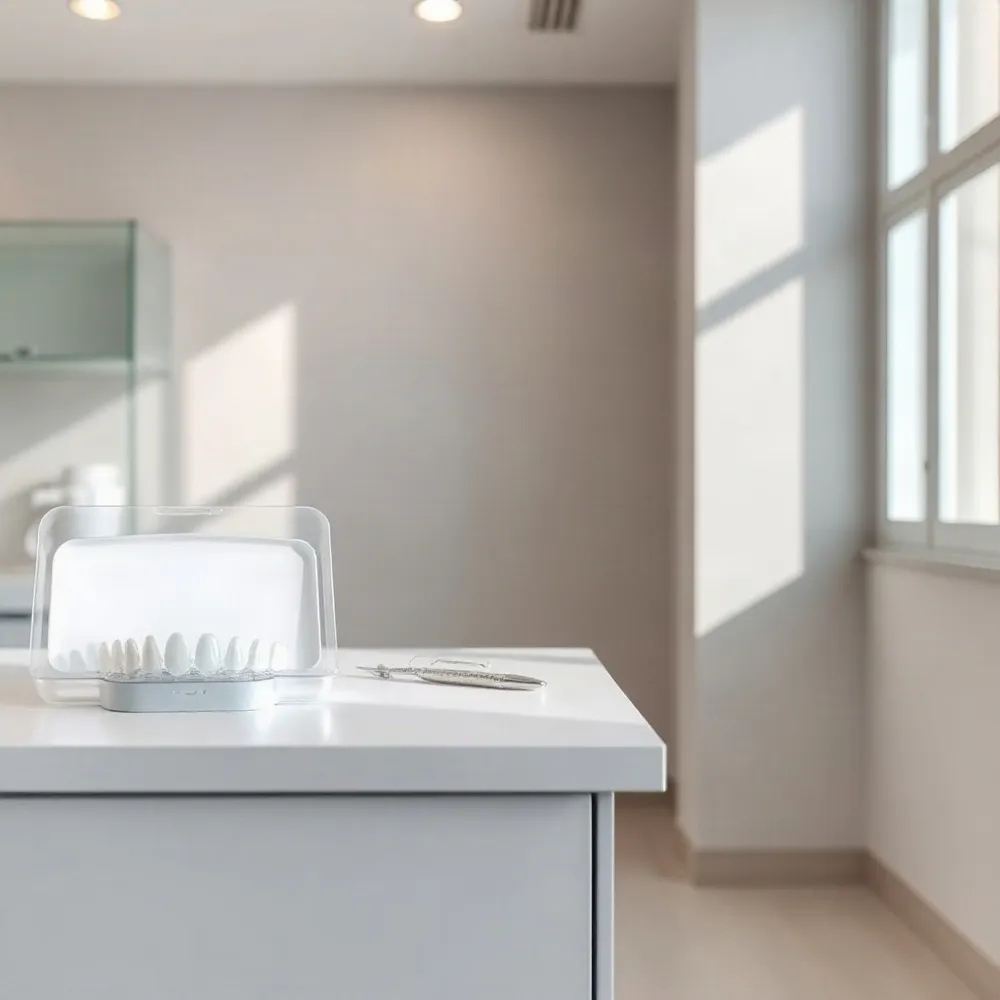 Daily routines help treatment stay on course, but there is no safe shortcut to faster tooth movement. Follow your orthodontist’s instructions, attend scheduled visits, and contact the office promptly if you need to reschedule. At Trielle Orthodontics, individualized treatment plans and patient education help make those instructions part of care.
For clear aligners, wear trays for the prescribed hours, often 20 to 22 hours a day, and change them only on schedule. Do not skip ahead. Keep trays clean and store them safely when removed. The “30-minute rule” generally means putting aligners back in within about 30 minutes after meals or brushing. Brush and floss and clean trays first when possible; otherwise, rinse your mouth with water and follow your orthodontist’s advice. Wait about 30 minutes after acidic food or drinks before brushing if advised, but do not use that wait as a reason to extend aligner-out time. Drink only water while wearing trays.
With braces, follow directions for elastics, clean around brackets, and avoid foods that could damage the appliance. Report broken or loose parts, unusual discomfort, or an aligner that no longer fits as expected. Consistent participation matters; a study of remote aligner monitoring describes the importance of patient-submitted scans and following instructions, though its findings do not apply to every patient (study of remote aligner monitoring.
Trielle Orthodontics’ progress-tracking approach uses scans and comparison photos to help review changes. Share concerns promptly so the orthodontist can advise whether a check or adjustment is needed.
Choosing Care With Clear Communication
How much do braces and clear aligner treatment typically cost, and what affects the price?
In the U.S., braces and clear aligners often cost several thousand dollars, but fees vary. Treatment complexity, length, appliance type, location, retainers, and other services can affect the total. Insurance may contribute, while flexible payment plans can spread out costs. At Trielle Orthodontics, a consultation helps connect an individualized plan with a clear discussion of fees and payment options.
What are the signs that an orthodontist may not be providing appropriate care?
Be cautious if qualifications are unclear, the orthodontist has little involvement, or an evaluation feels rushed. Other warning signs include a one-size-fits-all recommendation, pressure to begin, vague answers about options, risks, timing, or results, and unexplained fees. Questions about discomfort or appliance problems should receive a considered response. Ask for clarification or seek an independent second opinion if concerns remain.
What does the “rule of five” mean in orthodontics?
The rule of five, or rule of fifths, is a visual guide that divides the face into five roughly equal vertical sections, each about one eye-width. It can inform an assessment of facial proportions alongside the teeth, jaws, and bite. It is neither a treatment rule nor a fixed beauty standard; natural features vary, so care should be planned for the individual.
Monitoring is a partnership: records and technology can inform decisions, but they do not replace clinical judgment. Research on digital orthodontic monitoring describes remote check-ins as a complement to professional care, not a substitute for in-person assessment when needed. Patients also help by sharing concerns and following their treatment instructions.
A Personalized Plan Guides Every Check
Orthodontic progress is assessed through clinical checkups, with scans or remote monitoring used when appropriate. Because each patient responds differently, the orthodontist may adapt the plan as treatment unfolds. At Trielle Orthodontics, individualized treatment planning and patient education help guide these decisions.
Keeping appointments, following appliance instructions, and reporting concerns promptly give the care team useful information between visits. Research on remote aligner monitoring describes digital check-ins as a complement to in-person care, not a substitute for clinical judgment research on remote aligner monitoring. Clear communication helps the team decide what to do next.