A Changing Role for Headgear
Orthodontic headgear is an external appliance that applies gentle pressure to teeth and jaws. It is used less often than in the past, but may still be prescribed for growing children with selected bite problems, including overjet, overbite, or underbite. The Cleveland Clinic’s guide to orthodontic headgear explains how the appliance can help guide jaw alignment during growth.
Treatment choices have expanded to include clear aligners and appliances that fit inside the mouth. A less visible option may be more appealing, but appearance alone does not determine whether it can address a particular bite. Clear aligners, for example, may help with mild alignment concerns in children, but they are not a universal replacement for headgear.
At Trielle Orthodontics, individualized treatment planning takes the patient’s needs into account, rather than assuming one appliance suits every case. The sections ahead explain how appliances address teeth and bite, how some guide jaw position, and where clear aligners may fit. An orthodontic evaluation helps determine which approach is appropriate.
Appliances for Teeth and Bite Correction
 Orthodontic appliances do different jobs: some move teeth, some help correct how the upper and lower teeth fit together, and others guide jaw development or maintain results. The right approach depends on the patient’s bite, age, and treatment goals.
Braces remain an established option for moving teeth and correcting a range of alignment and bite problems. Clear aligners are removable trays that fit over the teeth and may address mild alignment concerns in children, though they are not suitable for every bite. At Trielle Orthodontics, treatment planning is individualized, with options including braces and clear aligners for patients whose needs fit those approaches.
Other appliances serve more specific purposes. A palatal expander can widen the upper jaw when expansion is appropriate, while functional appliances may help guide jaw position in selected cases, particularly during growth. These devices are not interchangeable, and none should be assumed to replace headgear in every situation. The Cleveland Clinic’s overview of orthodontic headgear describes aligners and other devices as options whose suitability depends on the individual bite.
Retainers have a different role: they help keep teeth in their corrected positions after active treatment. An orthodontist may recommend one appliance or a combination, based on an examination of tooth alignment, bite relationships, jaw development, and the intended result. A consultation at Trielle Orthodontics can help identify which options match those needs.
Headgear and Its Alternatives
 Yes, orthodontists still use headgear, though less often than in the past. It applies gentle pressure to the teeth and jaws and may help guide jaw growth in children. For selected bite problems, an orthodontist may prescribe it with or without braces (Cleveland Clinic’s guide to orthodontic headgear).
The design depends on the correction needed. Cervical-pull and high-pull headgear can address an overjet or overbite, while reverse-pull headgear draws the upper jaw forward to help correct an underbite. A clinical assessment, rather than appearance alone, helps determine which approach fits the bite.
Headgear is visible and may cause soreness or discomfort at first. It also depends on consistent wear: many children wear it for 12 to 14 hours a day, though the prescribed schedule varies. Treatment may last from about six months to a few years, depending on the bite and adherence. The orthodontist monitors progress and adjusts the plan, so families should follow their clinician’s instructions.
Alternatives may include an intraoral Herbst device, which repositions the jaws without an external facebow, or clear aligners for some mild alignment concerns. Fixed functional appliances or elastics may also be considered in appropriate cases. These options are not universal substitutes for headgear, since each addresses different needs.
At Trielle Orthodontics, treatment planning is individualized, with options including braces and clear aligners. An orthodontist can explain whether an alternative can address the specific bite or whether headgear remains appropriate.
Functional Appliances Guide Jaw Position
 Functional orthodontic appliances use jaw position, movement, and muscle forces to help improve how the upper and lower teeth fit together. They are often considered while a child is growing, when jaw development may be guided as part of treatment. The Cleveland Clinic’s overview of orthodontic headgear explains why appliance choice depends on the bite and the patient, rather than appearance alone.
Examples include the Twin Block and Activator, which are typically removable, and the Herbst, which is fixed. These designs are not interchangeable: each has different aims and wear instructions. Removable appliances work as prescribed only when patients wear them consistently, while a fixed device does not depend on remembering to insert it.
An orthodontist may consider a functional appliance for certain bite problems involving jaw position, including some Class II relationships, where the lower jaw or teeth sit farther back relative to the upper ones. Treatment plans vary, and braces or clear aligners may still be needed afterward to refine tooth alignment. At Trielle Orthodontics, individualized treatment planning is part of the practice’s approach to orthodontic care.
Myofunctional approaches generally focus more specifically on oral muscle habits and function, such as tongue posture, lip closure, and swallowing. Functional orthodontic appliances, by contrast, are intended to influence jaw position and bite relationships, though their methods and terminology can overlap. An orthodontic assessment can clarify the goals, limits, and appropriate role of either approach for an individual patient.
What Clear Aligners Can Correct
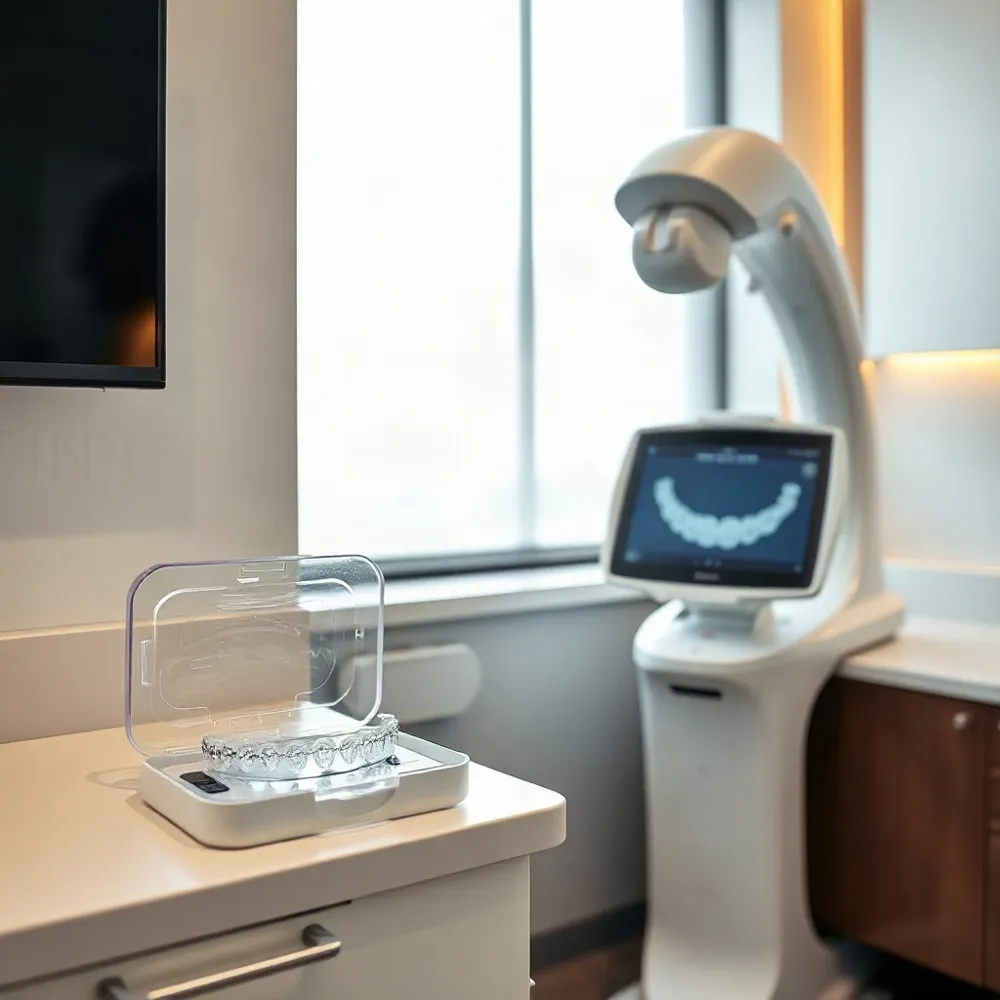
Clear aligners fit over the teeth and move them gradually. They may correct mild alignment problems, but whether they can address a bite issue depends on its cause, severity, and the movements needed. At Trielle Orthodontics, an individualized treatment plan considers those clinical factors rather than assuming one appliance fits every bite.
Can clear aligners correct bite problems such as overbites, deep bites, and open bites? In some cases, planned tooth movement can improve how the upper and lower teeth meet. Aligners may also help with certain underbites when tooth position is the main concern. They are not a universal solution: more complex problems may need braces or additional appliances. The Cleveland Clinic’s overview of orthodontic headgear notes that aligners may address mild alignment problems in children, while treatment choice depends on the individual bite.
Tooth movement is not the same as changing the jaw itself. Aligners can shift teeth and improve their fit, but they should not be described as changing jawbone growth or position. A significant skeletal discrepancy may call for other orthodontic treatment or a combined approach. Trielle Orthodontics uses modern technology as part of personalized care, with an orthodontic assessment guiding whether aligners are suitable or another option is needed.
Can clear aligners correct jaw problems? They may improve a bite-related concern by moving teeth, but they do not guarantee relief from jaw pain or other temporomandibular joint (TMJ) symptoms. TMJ concerns can have several causes, so an evaluation is needed before linking symptoms to bite alignment. Patients can discuss treatment choices and clear aligner and braces options with the practice, including flexible payment options.
When Aligners May Not Be Enough
Clear aligners can move teeth, but some bite problems involve jaw position or development as well as tooth alignment. In those cases, aligners alone may not provide the type of correction needed; braces, a growth-guidance appliance, or a combined treatment plan may be considered. The appropriate option depends on the individual bite, as the Cleveland Clinic’s overview of orthodontic headgear explains.
A narrow upper jaw in a growing patient may call for an expander. Unlike aligners, which primarily move teeth, an expander is intended to widen the upper jaw. Neither a complex bite nor a jaw discrepancy automatically rules out aligners, but an orthodontist must assess what needs to change and which approach can address it.
Candidacy depends on oral health, the type and complexity of the concern, the tooth movements required, and relevant dental and orthodontic history. A patient’s ability to wear trays consistently and maintain good oral hygiene also matters. At Trielle Orthodontics, individualized treatment planning and patient education help connect those clinical needs with a practical care plan.
An orthodontic exam can clarify whether aligners fit a patient’s goals or whether another approach may be more suitable. The clinician may use scans or impressions as part of that assessment. Patients should discuss their history and daily routines openly, since treatment choice depends on both the bite and the care plan they can follow.
Choose Treatment for the Individual Bite
Headgear remains an option for selected bite problems, while alternatives are suitable only when they can address the specific orthodontic need. As the Cleveland Clinic explains, an orthodontist should recommend an approach based on the patient’s bite, not on a device’s popularity.
At Trielle Orthodontics, individualized treatment planning considers the patient’s needs and comfort. Families can discuss treatment goals, daily wear requirements, appearance, and the role each appliance may play, along with flexible payment options.
A professional evaluation can clarify which approach is appropriate and what to expect. The measured choice is the one guided by the bite and clinical assessment, rather than visibility or convenience alone.