Why Adults Are Choosing Clear Aligners
Clear aligner treatment revolves around a series of custom-made plastic trays that gently shift your teeth into their correct positions. Unlike traditional braces that use metal brackets and wires, aligners rely on a controlled, force-based system applied incrementally. Each tray is worn for about one to two weeks before being swapped for the next in the sequence, allowing your teeth and supporting tissues to adapt gradually. The process is designed to be predictable, with your orthodontist monitoring progress through periodic checkups and adjusting the plan as needed.
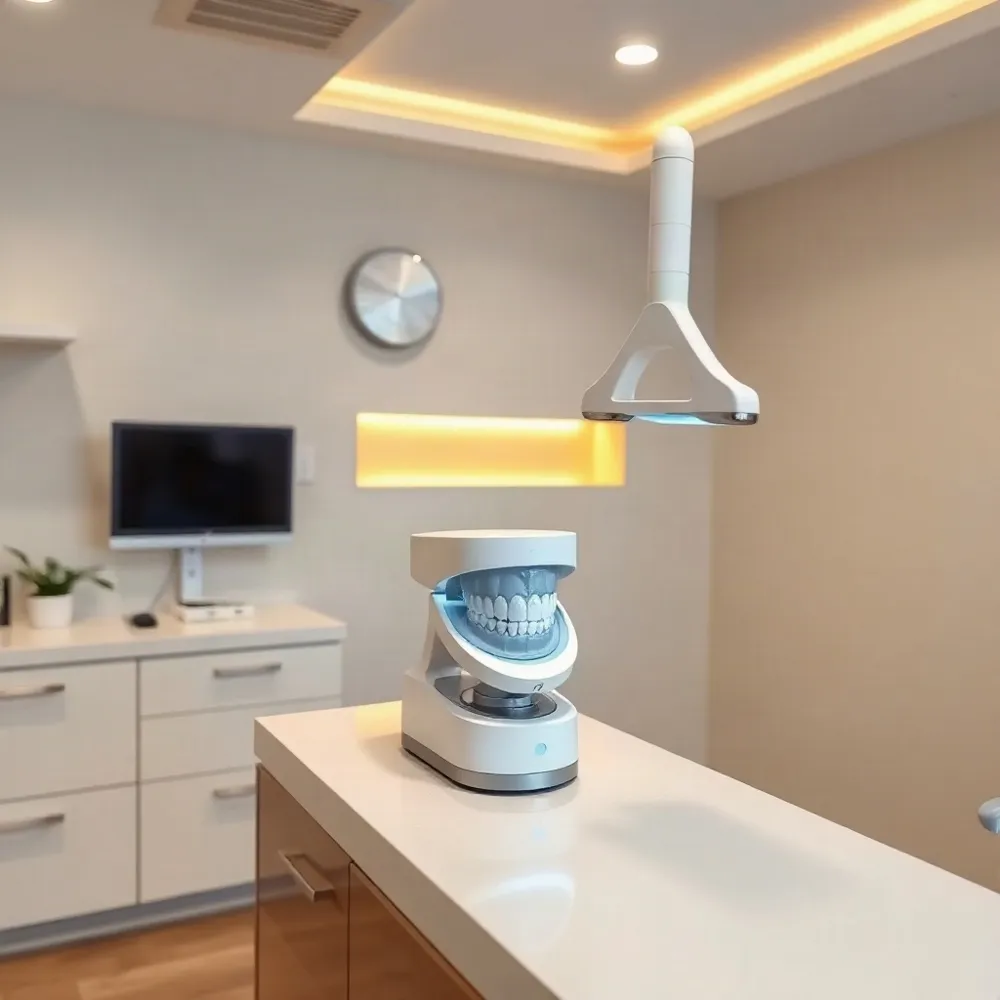
A significant part of how Invisalign works is the use of SmartTrack material and proprietary technology that maps out your entire treatment from start to finish. After a digital scan captures your bite, a 3D model predicts every movement your teeth will make, giving you a visual preview of the expected outcome. This planning phase is crucial because it lets your orthodontist identify potential issues early and tailor the treatment to your specific anatomy. For a detailed look at the step-by-step journey, the Invisalign process explained breaks down each stage from consultation to refinement.
While the mechanics are straightforward, compliance plays a central role in achieving the promised results. Aligners must be worn 20 to 22 hours per day, only removed for eating, drinking (except water), brushing, and flossing. This discipline is manageable for most adults, but it does require a lifestyle adjustment. If you are balancing work, family, and social commitments, understanding these expectations ahead of time helps you plan. For guidance on integrating aligners into a hectic schedule, how Invisalign fits into a busy lifestyle offers practical tips that align with real-world routines.
The Science of Movement and Retention
Every time you switch to a new aligner, your teeth undergo a micro-level remodeling process. The pressure from the plastic stimulates cells called osteoclasts and osteoblasts, which break down and rebuild bone around the tooth roots. This biological response is what allows teeth to move safely without causing permanent damage. The rate of movement is carefully calibrated; too fast can lead to root resorption or pain, while too slow extends treatment time. Orthodontists use evidence-based protocols to balance these factors, and the effectiveness of Invisalign treatment is well documented for mild to moderate cases.
Retention is another pillar of the process. Once your teeth reach their final positions, the underlying bone needs time to stabilize. Most providers recommend wearing a retainer after treatment to prevent relapse, a step that is as important as the aligners themselves. This post-treatment phase is often overlooked by patients, but it directly influences long-term satisfaction. By understanding this upfront, you can approach the entire journey with realistic expectations. For more on what happens after the aligners come off, the six stages of Invisalign treatment outline the refinement and retention phases clearly.
Compliance. Wearing aligners for the prescribed hours each day is non-negotiable. Skipping wear time slows progress and may extend treatment.
Oral Hygiene. Aligners trap food and plaque, so brushing after every meal and cleaning the trays daily prevents staining and decay. Neglect here leads to longer appointments.
Lifestyle Adjustments. Eating out, speaking, and playing sports require planning. Removing aligners for meals and using a retainer case protects both your investment and your smile.
Trielle Orthodontics in Union, NJ brings this science to a personalized level, using the latest technology to create treatment plans that fit your unique smile and schedule. While traditional braces vs. clear aligners often come down to lifestyle preference, the practice’s approach emphasizes comfort and predictability. With clear aligners, you can eat your favorite foods without restrictions and brush normally, advantages that align with an adult’s busy routine. For those weighing discreet options, adult braces vs. clear aligners provides a side-by-side view, while the team ensures every step, from digital scan to final retainer, is transparent and patient-centered.
| Aspect | Traditional Braces | Clear Aligners (e.g., Invisalign) |
|---|---|---|
| Visibility | Metal brackets visible | Nearly invisible, clear plastic |
| Diet | Avoid sticky/hard foods | No restrictions, remove to eat |
| Cleaning | Floss threaders required | Brush and floss normally |
| Appointments | Monthly adjustments | Fewer visits, but check progress |
| Comfort | Mouth sores possible | Smooth plastic, minimal irritation |
Understanding How Invisalign Works
 The Invisalign process is built on a sequence of clearly defined steps, each designed to move your teeth gradually and predictably. Understanding the full journey before you start helps set realistic expectations and keeps you committed to the treatment. The process itself is straightforward, but it does require consistency on your part.
The Core Steps of the Journey
Your Invisalign journey begins with a consultation and a digital scan of your teeth. This scan maps out your current alignment and allows your orthodontist to build a personalized 3D treatment plan showing how your teeth will move. From there, a series of custom aligners is manufactured, each intended to be worn for about one to two weeks before you switch to the next in the set. You'll wear each aligner for 20 to 22 hours per day, only removing it to eat, drink anything other than water, and brush.
The total treatment time varies by case complexity, but most courses run between 9 and 15 months. While you progress, you'll visit your orthodontist periodically to monitor movement and receive your next sets of aligners. Once your teeth reach their final positions, you're typically given a retainer to keep your smile in place long term. For a detailed breakdown of these stages, the 5 Steps to The Invisalign Process from Start to Finish guide walks through each phase.
What You Can Expect Day to Day
As you adapt to the aligners, you'll notice some changes in your daily routine. You'll need to brush after every meal before reinserting the aligners, and you'll carry your case with you to avoid misplacing the trays. Initially, you might experience mild pressure or a lisp, but these fade as you adjust. The aligners themselves are nearly invisible, which is often a major draw for adults who want to straighten their teeth discreetly. For more on how the aligners fit into a busy lifestyle, this guide on how Invisalign fits into a busy lifestyle offers practical advice.
Why Compliance Matters
The success of your treatment depends heavily on how consistently you wear the aligners. Since each set is designed to move your teeth a specific amount, skipping hours or forgetting to reinsert them can slow progress or even require restarting a phase. For adults with unpredictable schedules, this is a key consideration. If you're concerned about the discipline required, it's worth weighing the alternatives. The Invisalign vs. Braces: Which Option Fits Your Lifestyle comparison can help you decide which approach matches your habits better.
Ultimately, the Invisalign process rewards commitment. With consistent wear, you'll move through the stages smoothly, and you'll appreciate the ease of cleaning and eating that removable aligners offer. If you're weighing this against other options, the process is often more comfortable than traditional braces, but it places more responsibility on you. If you're considering treatment, checking your candidacy with a simple Invisalign smile quiz can be a helpful first step before committing to a consultation.
Discreet and Professional Appearance
 The treatment follows a structured sequence of steps that combine 3D imaging, custom-fabricated aligners, and periodic check-ins. Invisalign® uses a digital scan of your teeth to map out the precise movements each aligner will make over time. The process is designed to be straightforward, which is one reason it fits well into a busy adult routine.
The Invisalign Treatment Process
Treatment begins with a consultation where the provider captures impressions or a digital scan. From there, a series of clear aligners is produced, each worn for about two weeks before moving to the next. The aligners apply gentle, controlled pressure to shift teeth gradually. As explained in 5 Steps to the Invisalign Process, the typical timeline involves wearing each aligner for the prescribed duration, then progressing through the set under professional supervision.
Patients usually visit the practice every six to eight weeks to monitor progress and receive new sets. Total treatment time varies, but many adult cases complete in 12 to 18 months. Throughout, the aligners remain removable, so eating, brushing, and flossing follow your normal habits without the dietary restrictions tied to fixed braces.
Who Is a Good Candidate?
Adults with mild to moderate crowding, spacing, or bite issues often qualify. The Invisalign Smile Quiz offers a quick self-assessment, and an in-person exam confirms eligibility. Practices like Trielle Orthodontics offer personalized consultations to determine if clear aligners suit your specific orthodontic needs.
Freedom to Eat and Drink Without Restrictions
 One of the biggest lifestyle shifts with Invisalign comes at mealtime. Unlike traditional braces, clear aligners are removable, so you can eat whatever you want. However, the aligners themselves need to be out of your mouth while you eat or drink anything other than plain water. If you leave them in, food can get trapped between the plastic and your teeth, leading to staining or even damaging the aligners. A good rule of thumb is to brush your teeth and rinse your aligners before putting them back in, as recommended by your orthodontist.
The 20–22 Hour Rule
For Invisalign to work effectively, you need to wear your aligners for 20 to 22 hours each day. That means they should only come out for eating, drinking, brushing, and flossing. The Invisalign® FAQ explains that consistent wear is what moves your teeth into their correct positions. If you take them out too often or for too long, your teeth may shift back, and your treatment could take longer than planned. This is why many adults find it helpful to plan their meals and snacks ahead of time, so they aren't tempted to skip the required wear time.
Eating and Drinking with Aligners
When it comes to eating, you should always remove your aligners first. This prevents food from getting stuck and reduces the risk of staining the plastic. While you can drink plain water with aligners in, you should avoid sugary or acidic drinks like soda, juice, or coffee. These can cause cavities and also discolor the aligners. If you do enjoy a beverage other than water, it's best to take out your aligners, enjoy your drink, and then brush before putting them back. For a more detailed breakdown of what to avoid, you might check out how Invisalign fits into a busy lifestyle for tips on managing your routine.
Cleaning and Maintenance
Keeping your aligners clean is essential for your oral health and to keep the plastic clear and free from bacteria. You should brush your aligners gently with a soft-bristled toothbrush and lukewarm water each time you brush your teeth. Avoid using toothpaste that contains abrasives, as it can scratch the aligners and make them look cloudy. You can also use special cleaning crystals or aligner cleaning solutions recommended by your provider. The best practices for caring for Invisalign clear aligners suggest soaking your aligners daily to keep them fresh and prevent odor. Never use hot water, as it can warp the plastic.
Adjusting Your Lifestyle
While Invisalign offers more flexibility than braces, it still requires some adjustment. For instance, you might need to carry a travel toothbrush and floss with you, especially if you're out for the day. Many people find it helpful to set reminders or use a tracking app to ensure they're hitting their wear time. According to this guide on the Invisalign process, adults often appreciate the discreet nature of aligners but must be diligent about oral hygiene. If you have questions about whether Invisalign is right for you, Trielle Orthodontics in Union, NJ offers personalized consultations to help you decide.
Remember, the key to successful Invisalign treatment is consistency. By following these daily routines, you'll stay on track and achieve the smile you've always wanted. For more details on what to expect, visit the Invisalign treatment process page.
Easy Oral Hygiene Routine
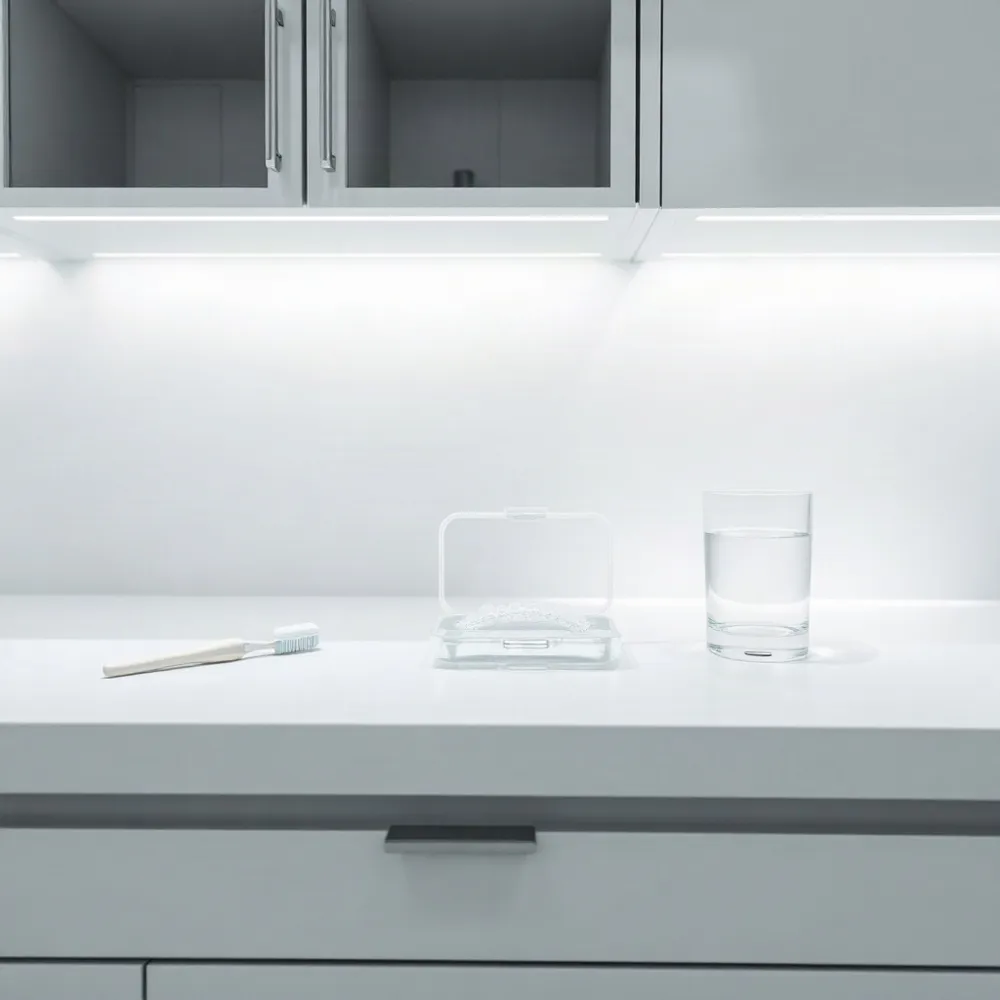 Switching to clear aligners such as Invisalign® means your teeth are covered for 20 to 22 hours a day. That covering traps saliva against the enamel, which raises the risk of plaque buildup, tooth decay, and gum irritation if you do not keep both your teeth and your aligners clean. A consistent routine is a small price to pay for a healthy smile, and it is one of the lifestyle adjustments you will make during treatment.
Brushing and Flossing on a Schedule
The simplest habit is to brush your teeth after every meal or snack, before putting your aligners back in. Use a soft-bristled toothbrush and a non-abrasive toothpaste, and floss daily to remove food particles between teeth where a brush cannot reach. This routine matters more with aligners than with traditional braces, where the archwires and brackets actually shield some tooth surfaces from direct contact.
Cleaning the Aligners Themselves
Your aligners also need regular cleaning. Rinse them under lukewarm water every time you brush your teeth, and use a gentle, clear antibacterial soap or a dedicated aligner cleaner to remove buildup. Avoid toothpaste with whitening agents or abrasive particles, which can scratch the plastic and make stains more visible. Proper care keeps the aligners clear and odor-free, which is part of the Invisalign® process that many patients overlook.
Avoiding Staining and Damage
To keep your aligners discreet and your enamel safe, remove them when eating or drinking anything other than plain water. Coffee, tea, red wine, and deeply pigmented sauces can stain both the aligners and your teeth if left in contact for long periods. Also avoid hot liquids while wearing the aligners, as heat can warp the plastic. These small habits are part of the best practices for caring for your aligners and will keep your treatment on track.
Building a Routine That Sticks
Consistency is what makes aligner care second nature. Keep a travel toothbrush and floss in your bag or car so you can clean up after meals away from home. Set phone reminders for your 22 hours of wear and for your cleaning schedule. Over time, these habits become automatic, and they are a key part of the Invisalign treatment process. At Trielle Orthodontics, we build personalized treatment plans and teach each patient the exact care routine that fits their lifestyle, so you can feel confident throughout your journey.
| Care Habit | Why It Matters | How Often |
|---|---|---|
| Brush teeth | Removes plaque and food | After every meal |
| Floss | Cleans between teeth | Daily |
| Rinse aligners | Prevents stains and odor | Every time you brush |
| Soak aligners | Removes bacteria | Once a day |
| Avoid hot liquids | Prevents warping | Whenever wearing |
Comfort and Reduced Mouth Irritation
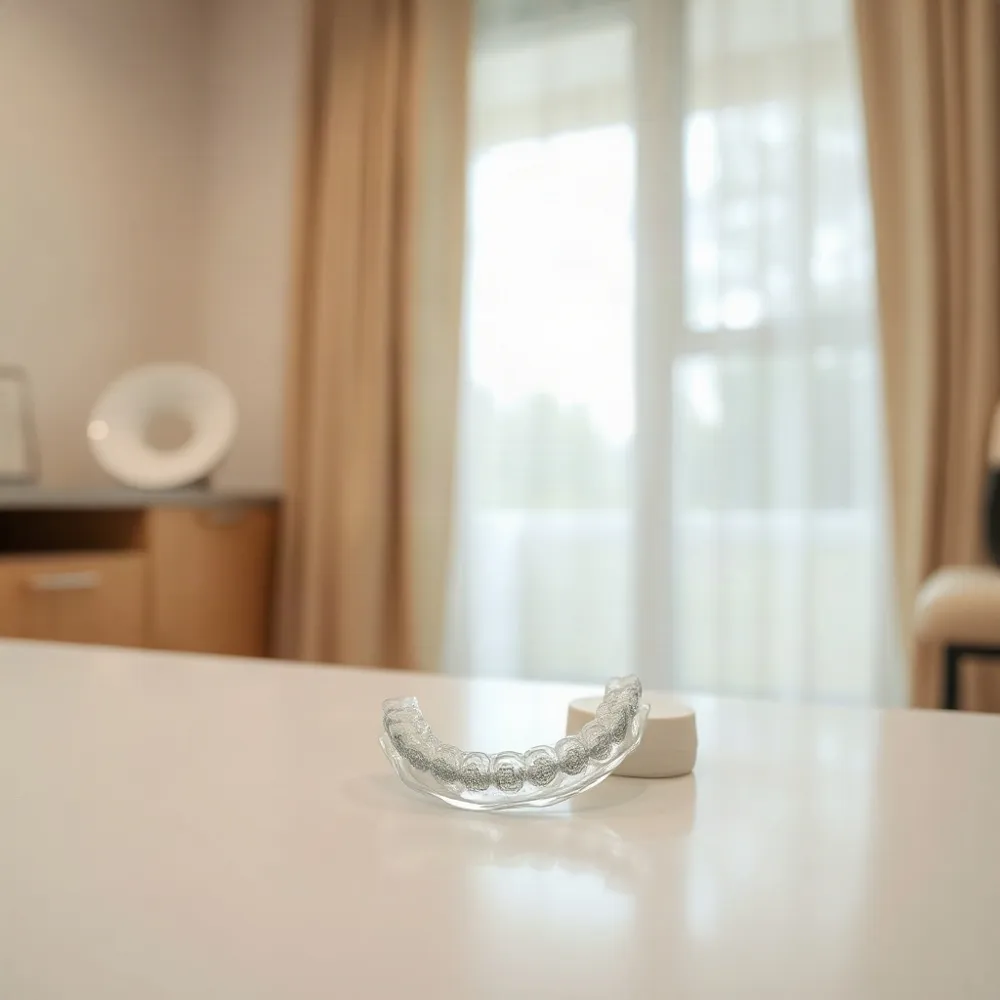 One of the first questions adult patients ask is whether clear aligners feel more comfortable than traditional braces. The short answer is yes for most people. Clear aligners are made from smooth, medical-grade plastic that fits snugly over your teeth, with no metal brackets or wires that can irritate your cheeks and gums. Traditional braces, by contrast, rely on brackets and archwires that often cause sore spots and require wax to ease the friction.
Beyond comfort, the daily oral hygiene routine is a major advantage. With clear aligners, you remove the trays before eating and brushing, so you can brush and floss normally with no hardware getting in the way. This makes it easier to maintain healthy gums and prevent white spot lesions, which are common around brackets when plaque accumulates. For adults who already struggle to find time for extra cleaning steps, this simplicity is a practical win.
That said, aligners are not maintenance-free. They require discipline: you should wear them 20 to 22 hours a day, remove them for meals, and brush after every snack to avoid staining the trays. If you are considering Invisalign, keep in mind that the aligners themselves are nearly invisible, which appeals to many working professionals. Yet, the routine demands commitment, especially when you are out with friends or traveling for business.
Comfort. Smooth plastic aligners avoid the metal brackets and wires that commonly irritate oral tissues. Most patients report less initial discomfort compared to traditional braces.
Cleaning. Aligners are removable, so you can brush and floss normally. This reduces the risk of gum inflammation and decalcification around teeth.
Dietary freedom. You take the aligners out to eat, so there are no food restrictions like with braces. You can enjoy crunchy snacks, chewy foods, and sticky treats without worrying about breaking hardware.
When you compare the two options side by side, the differences become clearer. Traditional braces do offer precise control for complex tooth movements, and they are non-removable, which means you cannot forget to wear them. However, that same fixed nature complicates cleaning and can cause more discomfort during adjustment visits. Clear aligners, like those offered at Trielle Orthodontics in Union, NJ, flip that trade-off: they prioritize comfort and oral hygiene while still effectively straightening most mild to moderate cases.
Another consideration is the number of office visits. With braces, you typically need periodic tightening appointments. With aligners, you receive a new set of trays every few weeks, but the checkups are often shorter and less frequent. This convenience appeals to busy adults, but it does require you to follow the treatment plan faithfully and keep your scheduled appointments to stay on track.
| Aspect | Clear Aligners | Traditional Braces |
|---|---|---|
| Comfort | Smooth plastic, minimal irritation | Metal brackets and wires can cause sores |
| Cleaning | Remove to brush and floss | Hardware hinders cleaning, more plaque risk |
| Diet | No restrictions, remove to eat | Avoid sticky, hard, and chewy foods |
| Visibility | Nearly invisible | Clearly visible metal |
| Appointments | Shorter, less frequent checkups | Periodic tightening visits required |
Before making a choice, consider your lifestyle. If you travel a lot, eat out frequently, or play sports, clear aligners might fit better because you can remove them for meals and during athletic activities. If you tend to misplace things or struggle with consistency, braces' fixed nature might be more reliable for you. Either way, a consultation with an orthodontist can help you weigh the trade-offs. At Trielle Orthodontics, the team personalizes each treatment plan, taking into account your comfort, your oral health goals, and your daily routine.
Daily Wear and Maintenance Tips
 Choosing clear aligners means accepting a daily routine that differs from traditional braces. While the aligners themselves are nearly invisible, the discipline they require is real. Patients who succeed are those who treat their aligner care as seriously as their brushing and flossing habits, building small rituals into their day rather than viewing the aligners as a one-time investment.
Wearing Hours and Oral Hygiene
For most aligner systems, including Invisalign®, the recommendation is to wear the aligners 20 to 22 hours per day. That leaves only a few hours for eating, drinking, and cleaning. During those short breaks, you need to brush your teeth, rinse the aligners, and ideally floss. Skipping these steps can lead to trapped food particles, plaque buildup, and a higher risk of cavities or gum irritation. The Invisalign® FAQs highlight that proper hygiene is essential, and many orthodontists emphasize the same.
A common mistake is eating or drinking anything other than water while wearing the aligners. Sugary or acidic beverages can get trapped between the plastic and your teeth, increasing decay risk. Even coffee or tea can stain the aligners over time. If you cannot brush immediately after every snack, rinsing with water helps, but it is not a substitute for thorough cleaning.
Handling and Cleaning Your Aligners
Aligners are durable but not indestructible. They can crack, warp, or become discolored if not handled properly. Always remove them with clean, dry hands, and store them in their case when not in use. Never wrap them in a napkin or leave them on a restaurant table; they can easily be thrown away. Rinsing them under lukewarm water each time you brush your teeth helps remove saliva and bacteria, and using a gentle aligner cleaner or clear, mild soap occasionally keeps them fresh. Avoid toothpaste with abrasive particles, which can scratch the surface and make the aligners more visible.
Lifestyle Adjustments and Social Considerations
Wearing aligners also affects social routines. You may need to step away to brush after meals, which can feel awkward at first, especially during work lunches or dates. However, many patients find the adjustment easier than expected. The aligners are discreet, and the habit of brushing becomes second nature within a week or two. For those with busy schedules, planning ahead by carrying a small dental kit with a travel toothbrush, toothpaste, and floss can make the process smoother. The practice at Trielle Orthodontics in Union, NJ, understands these challenges and provides guidance on how to integrate aligner care into your lifestyle without feeling overwhelmed.
Also, you will need to attend regular checkups, typically every six to eight weeks, so your orthodontist can monitor progress and provide new aligners. Missed appointments can delay treatment, so scheduling them around your calendar is important. Unlike braces, which require dietary restrictions, aligners allow you to eat whatever you want—just remember to brush afterward.
Comparing Aligner Care to Traditional Braces
The daily commitment of clear aligners differs from that of traditional braces. With braces, you cannot remove the appliance, so oral hygiene requires special tools like interdental brushes and floss threaders. With aligners, you can brush normally, but you must be diligent about cleaning the aligners themselves. Both options demand effort, but the nature of the work differs. For many adults, the ability to remove the aligners for special occasions outweighs the extra care they require. Understanding these trade-offs helps you decide which path fits your life.
| Aspect | Clear Aligners (e.g., Invisalign) | Traditional Braces |
|---|---|---|
| Removability | Yes, for eating and cleaning | No, fixed in place |
| Cleaning routine | Remove, brush aligners, brush teeth | Brush around brackets and wires, use special tools |
| Dietary restrictions | None, as long as you brush after | Avoid hard, sticky, or chewy foods |
| Visibility | Nearly invisible | Metal brackets and wires visible |
| Checkup frequency | Every 6-8 weeks | Every 4-6 weeks |
| Comfort level | Generally mild pressure, no irritation from wires | Possible mouth sores from brackets and wires |
Starting Your Invisalign Journey
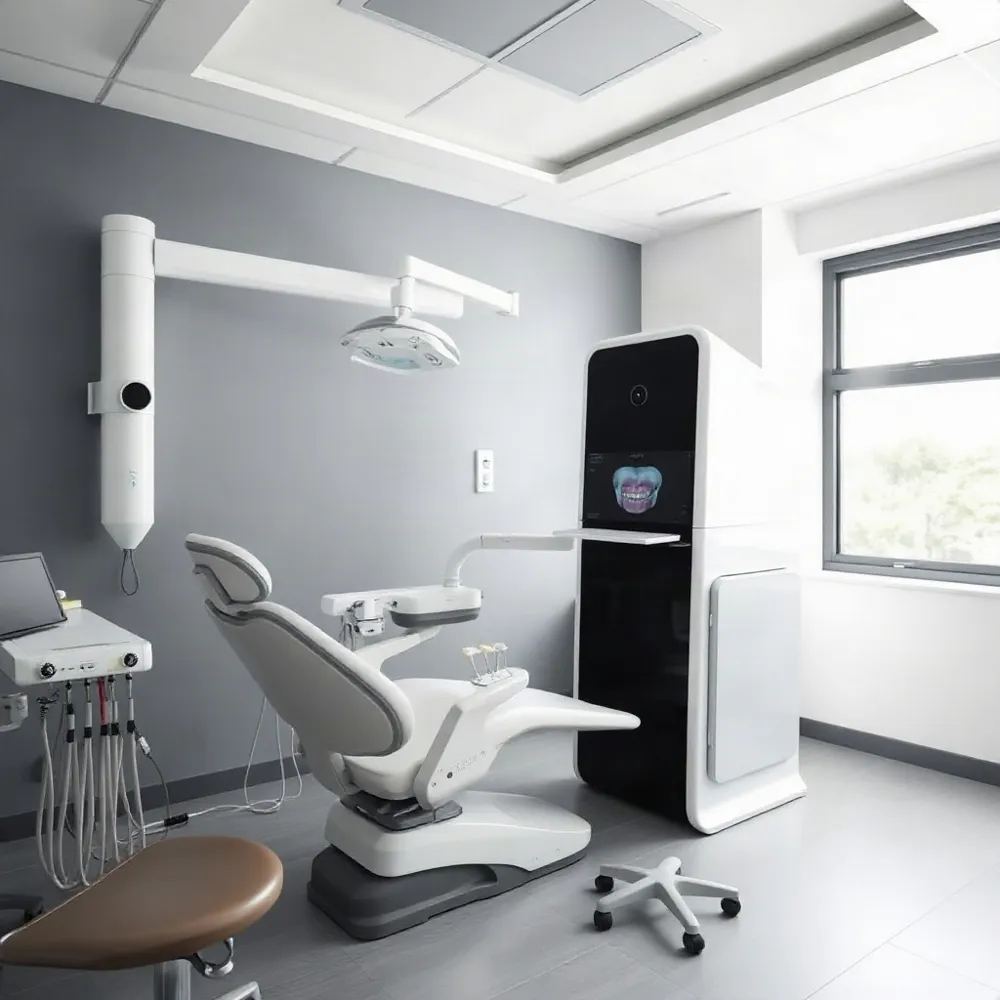 When you choose Invisalign, the process begins with a consultation where your orthodontist examines your smile and takes digital impressions using a 3D scanner. This scan creates a precise map of your teeth, which is used to design your custom treatment plan. You can see a preview of your projected results before you even start, giving you confidence in the journey ahead. Unlike traditional braces, which rely on brackets and wires, Invisalign uses a series of clear, removable aligners that gradually shift your teeth into place.
Each set of aligners is worn for about one to two weeks, then you switch to the next set in the series. Your orthodontist will monitor your progress at regular checkups, typically every six to eight weeks, to ensure your teeth are moving as planned. The aligners are made from a smooth, comfortable plastic that fits snugly over your teeth, and you remove them to eat, brush, and floss, so you can maintain your oral hygiene routine without extra effort.
The Six Stages of Invisalign Treatment
The Invisalign process follows a structured path, often broken down into six stages. First, you have your initial consultation and digital scan. Second, your orthodontist designs your custom treatment plan using specialized software. Third, your aligners are manufactured and delivered to you. Fourth, you begin wearing your aligners, changing them every one to two weeks. Fifth, you attend progress checkups to monitor movement and make any necessary adjustments. Finally, you complete your treatment and move to the retention phase to keep your teeth in their new positions.
Throughout these stages, patient compliance is crucial. Unlike fixed braces, Invisalign aligners are removable, which means you must wear them for 20 to 22 hours per day. This discipline is the biggest factor in achieving your desired results on schedule. At Trielle Orthodontics in Union, NJ, we provide personalized guidance and regular follow-ups to help you stay on track, whether you are new to orthodontics or considering a switch from traditional braces.
Compared to other clear aligner systems like ClearCorrect, Invisalign offers a widely recognized brand with a vast network of trained providers. At Trielle Orthodontics, we pair that technology with a tailored treatment plan and flexible payment options, so you get the precision of a global leader with the attention of a local practice. That combination makes the entire experience smoother and more predictable.
| Stage | What Happens | Your Role |
|---|---|---|
| Consultation | Digital scan and treatment plan | Discuss goals and ask questions |
| Aligner Delivery | You receive your custom aligners | Learn how to insert and remove them |
| Ongoing Checkups | Progress monitored every 6-8 weeks | Wear aligners as directed, attend visits |
| Retention | Maintain new smile with retainers | Wear retainer as prescribed |
Embracing the Invisalign Lifestyle
Before you commit to a smile makeover, it helps to know exactly what you are signing up for. Invisalign® treatment uses a series of custom-molded clear plastic trays, called aligners, that fit snugly over your teeth. Each tray applies gentle, controlled pressure to shift your teeth gradually toward their ideal positions. Unlike metal braces, there are no wires or brackets to tighten, and you swap in a new aligner roughly every one to two weeks as your teeth move. For a step-by-step walkthrough of the process, from your first scan to your final retainer, check out this 5-step guide to the Invisalign process.
One of the most appealing aspects is the near invisibility. The aligners are made from a clear, medical-grade plastic that fits over your teeth like a subtle shell, so most people will not even notice you are wearing them unless they are up close. This makes them a popular choice for adults who want to straighten their teeth without the look of traditional metal braces. You can also remove them for eating, brushing, and flossing, which means no food restrictions and no special cleaning tools. If you are weighing Invisalign against other clear aligner brands, this comparison of Invisalign vs. other clear aligners breaks down the key differences.
The 6 Stages of Invisalign Treatment
Invisalign treatment is not a single event; it is a structured sequence of stages that your orthodontist manages from start to finish. Understanding these stages helps you know what to expect and how to stay on track. Here is a general outline of the journey, which typically spans 6 to 18 months depending on your case complexity.
- Initial consultation: Your orthodontist examines your teeth, takes digital scans or impressions, and uses 3D imaging to map out your treatment plan. This is also when you will learn if you are a good candidate for Invisalign.
- Custom aligner fabrication: Based on your scans, a series of custom aligners is created specifically for your teeth. Each aligner is worn for about two weeks before moving to the next in the series.
- Wearing your aligners: You will wear your aligners for 20 to 22 hours per day, only removing them for eating, drinking anything other than water, brushing, and flossing. Consistency is critical here.
- Progress checks: Every 6 to 8 weeks, you will visit your orthodontist for a check-up. They will assess your progress, make any necessary adjustments, and provide your next set of aligners.
- Refinement phase: After your initial series, many patients need a few refinement aligners to fine-tune the final positioning of their teeth. This is normal and ensures the best possible result.
- Retainer stage: Once your teeth are in their final positions, you will transition to a retainer to keep them from shifting back. This is an essential step to protect your investment.
For a more detailed breakdown of these stages, including what each phase feels like and how long it lasts, you can read this Invisalign treatment process guide. The process is highly individualized, so your specific timeline may vary.
Lifestyle Considerations and Daily Care
Wearing Invisalign requires a bit of lifestyle adjustment, especially if you are used to snacking throughout the day or sipping coffee constantly. Because you need to remove your aligners to eat and drink anything other than water, you will need to plan your meals and practice good oral hygiene. After eating, you should brush and floss before putting your aligners back in to prevent staining and decay. For practical tips on managing this routine, including how to handle travel, meals, and speaking, this guide on the Invisalign lifestyle offers solid advice.
Another consideration is comfort. While Invisalign aligners are generally more comfortable than traditional braces because there are no wires to irritate your cheeks, you may experience some initial pressure or soreness for the first few days after switching to a new aligner. This is a sign that the aligners are working. Over-the-counter pain relievers and orthodontic wax can help ease any discomfort. If you are concerned about how Invisalign will fit into your busy schedule, this article on how Invisalign fits into a busy lifestyle covers the practical realities.
Who Is a Good Candidate?
Not everyone is a candidate for Invisalign. The system works best for mild to moderate orthodontic issues such as crowding, spacing, overbite, underbite, and crossbite. More complex cases may require traditional braces or other orthodontic appliances. During your consultation, your orthodontist will evaluate your teeth and jaw to determine if Invisalign is right for you. You can also take this Invisalign smile quiz as a preliminary self-assessment, but it is not a substitute for a professional evaluation.
Some signs that you might be a good candidate include having good oral health, being committed to wearing your aligners for the recommended 20 to 22 hours per day, and having realistic expectations about the treatment length. This guide to Invisalign candidacy outlines the key factors. At Trielle Orthodontics in Union, NJ, we take the time to assess each patient's unique situation and recommend the most effective and discreet treatment path, whether that is Invisalign, clear braces, or another option. We also offer second opinions for orthodontics, so you can feel confident in your decision. Learn more about second opinions for orthodontics.
Invisalign vs. Traditional Braces
When deciding between Invisalign and traditional braces, several factors come into play, including aesthetics, comfort, hygiene, and cost. Invisalign offers a discreet, removable option that makes brushing and flossing easier. Traditional braces, on the other hand, are more visible and can be harder to clean, but they may be more effective for complex tooth movements and do not rely on patient compliance. If you are weighing these two approaches, our comparison of clear aligners vs. traditional braces breaks down the pros and cons in detail.
Invisalign tends to be a good fit for adults who want a low-profile treatment. Traditional braces are often recommended for children and teens who may not be diligent about wearing a removable aligner, or for adults with severe misalignment. Your lifestyle and commitment level matter. For a more personal take on which option fits your lifestyle, this Invisalign vs. braces lifestyle comparison is a helpful read.
| Aspect | Invisalign | Traditional Braces |
|---|---|---|
| Appearance | Clear and discreet | Metal wires and brackets visible |
| Removability | Removable for eating and cleaning | Fixed, cannot remove |
| Comfort | Smooth plastic, minimal irritation | Wires can poke and irritate |
| Oral hygiene | Easier to brush and floss | More difficult to clean around brackets |
| Treatment duration | 6-18 months typical | 12-24 months typical |
| Compliance required | High (20-22 hrs/day) | Lower (no daily wear requirement) |
| Suitability | Mild to moderate issues | Mild to severe issues, complex cases |
Both options can produce beautiful, straight smiles. The best choice depends on your specific orthodontic needs, your lifestyle, and your personal preferences. Trielle Orthodontics offers both Invisalign and traditional braces, so you can discuss the pros and cons with an expert and choose the path that works best for you. Our practice is located at 2333 Morris Ave, Ste B-109, Union, NJ, and you can find us on MapQuest to plan your visit.
The Invisalign Process at Trielle Orthodontics
When you choose Trielle Orthodontics for your Invisalign treatment, you are not just getting aligners; you are getting a personalized orthodontic experience. Our team takes the time to understand your goals and concerns. We use the latest digital scanning technology to create a precise 3D model of your teeth, eliminating the need for messy impressions. This digital setup allows us to show you a virtual preview of your expected results before you even start treatment.
Throughout your treatment, we provide dedicated support. We schedule regular check-ups to monitor your progress, make adjustments as needed, and answer any questions you may have. We also offer flexible payment options and work with most insurance plans to make treatment affordable. For a clear overview of what to expect during your Invisalign journey, visit our clear aligners page to learn more about the technology and the process.
If you are still deciding whether Invisalign is the right choice for you, we encourage you to schedule a consultation. During this visit, we will evaluate your smile, discuss your options, and create a customized treatment plan. You can also read about the pros and cons of Invisalign to get a balanced perspective. Our goal is to help you achieve a healthy, confident smile that lasts a lifetime.