Planning Around Your Smile
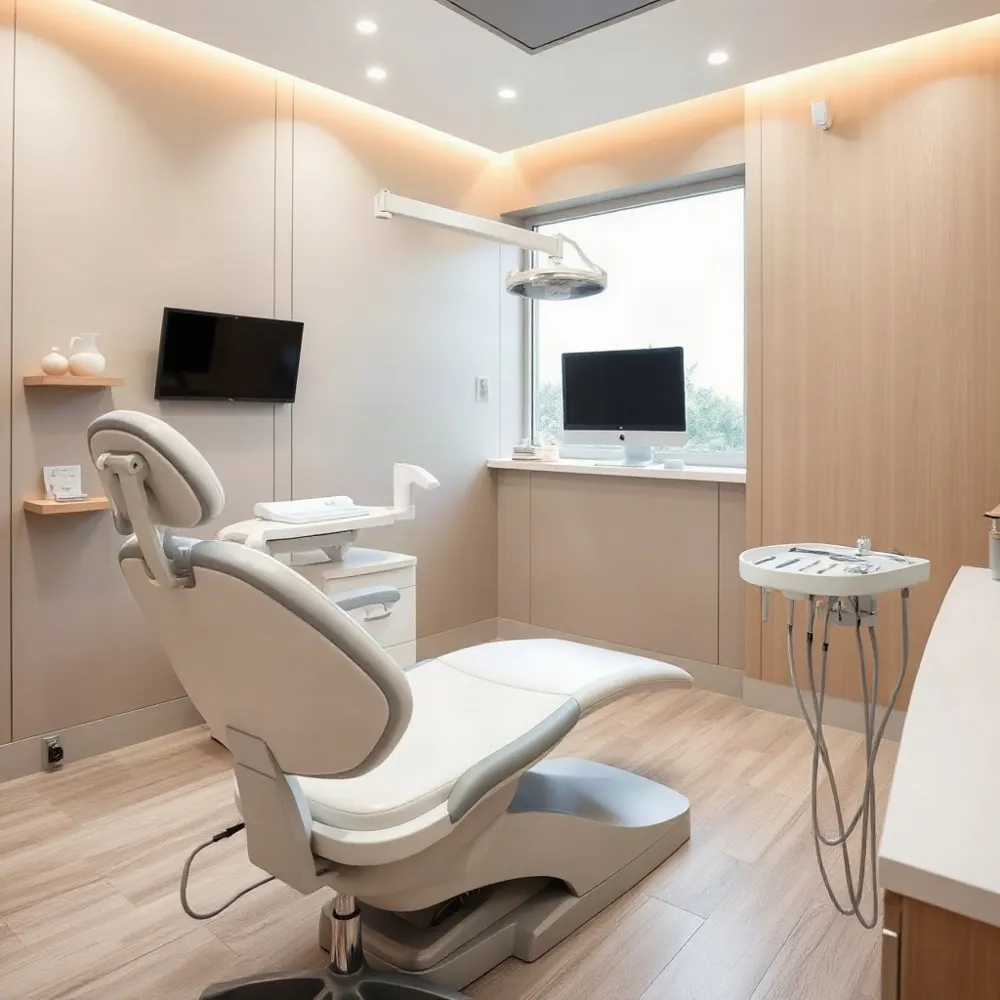
Orthodontic care starts with more than the appearance of your teeth. An orthodontist considers tooth position, bite, individual needs, and treatment goals before discussing an approach. At Trielle Orthodontics, care is built around individualized treatment plans, so the conversation can reflect the person as well as the smile.
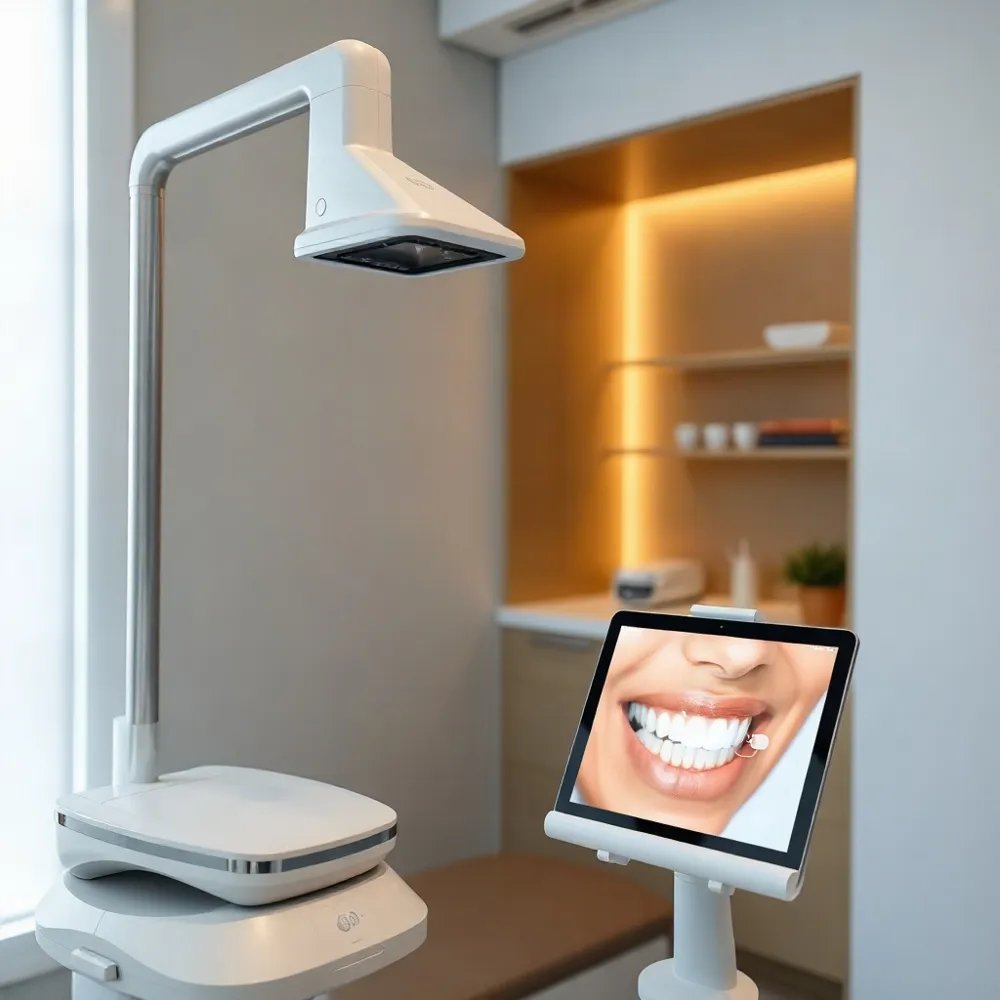
Digital records and planning tools can help organize information and show a possible sequence of tooth movements. For clear aligners, a digital setup can illustrate treatment stages and an anticipated result, giving patients and clinicians something concrete to review together. A review of digital clear-aligner planning describes how records and software support this process, while emphasizing professional review of the proposed setup (digital planning with clear aligners).
These images are planning aids, not promises. What appears on screen may differ from how treatment progresses, and the right option depends on clinical findings that software alone cannot interpret. An orthodontist’s examination and judgment guide the recommendation; technology can make the discussion easier to follow and help patients take part in decisions.
From Records to a Treatment Plan
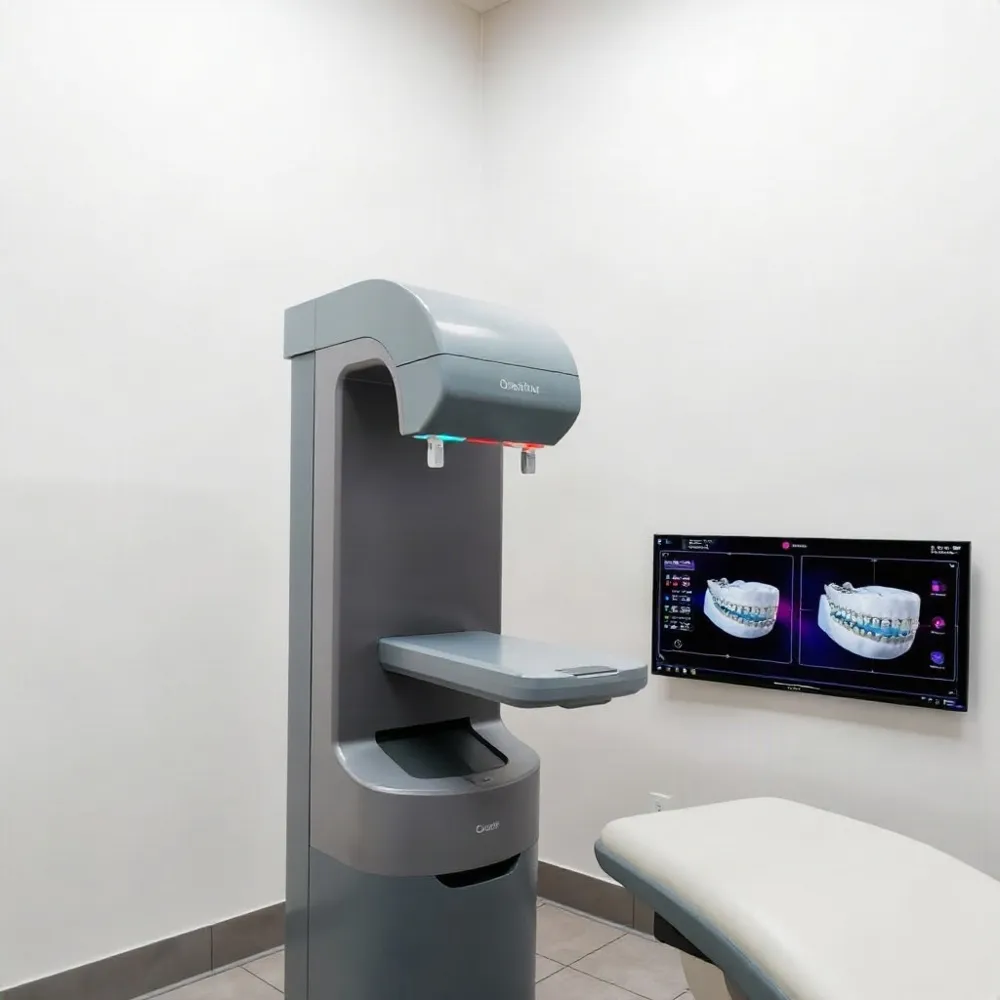 Orthodontic treatment planning starts with understanding more than tooth position. The orthodontist considers your bite, jaw relationships, dental and medical history, and goals to recommend an approach for alignment and function.
An assessment may include an examination, photographs, X-rays, and digital scans or traditional impressions. Together, these records can help identify crowding, spacing, or bite concerns and show which factors may affect treatment choices. At Trielle Orthodontics, care is centered on personalized orthodontic treatment plans, shaped around a patient’s diagnosis and needs.
Digital models and planning software can help map anticipated tooth movements and illustrate possible stages of care. For clear aligners, a virtual setup may be reviewed and approved by the orthodontist before aligners are made, giving the patient and clinician a way to discuss the proposed plan. A review of digital clear-aligner planning describes how records and software can support this process, while emphasizing professional oversight (digital planning with clear aligners). A simulation is a planning aid, not a guarantee of the final result.
Based on the examination and goals, the orthodontist may discuss braces, clear aligners, or another suitable approach. The conversation can cover likely movement, expected timing, limitations, comfort, and how each option may affect brushing and flossing. Trielle Orthodontics also emphasizes patient education, so questions about the recommendation and day-to-day care can be part of the planning discussion.
The plan is individualized, and progress may lead to adjustments. Regular professional review helps the orthodontist assess how treatment is going and decide whether the plan should change.
What Digital Tools Can Show
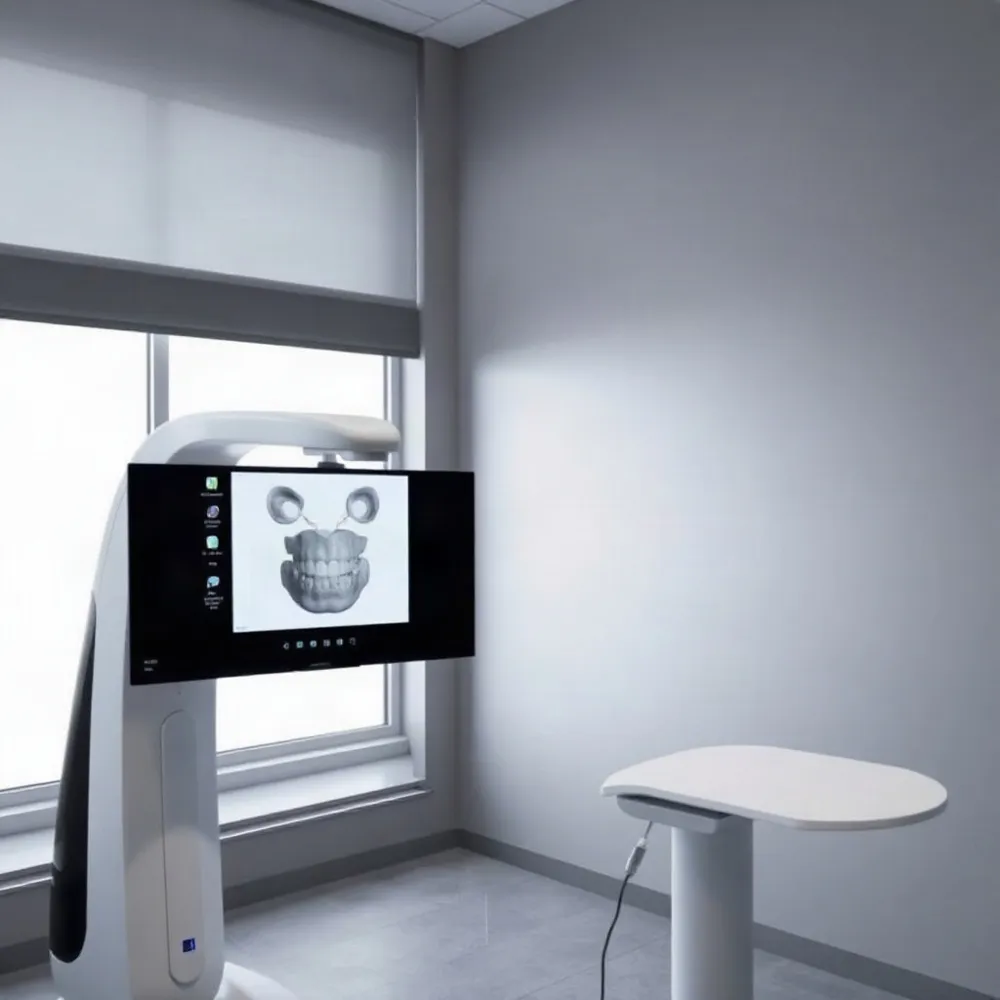 Digital technology can give an orthodontist a detailed view of teeth and bite relationships. An intraoral scanner captures tooth surfaces to create a three-dimensional model, which the care team can examine from different angles. For some records, a scan can take the place of a putty impression, and the model can be reviewed with the patient during the visit.
These records can inform an individualized plan and help clinicians consider appliance options, including clear aligners. In clear-aligner treatment, planning software can map proposed tooth movements across a series of stages, with the orthodontist reviewing the virtual setup before treatment proceeds, as described in this review of digital clear-aligner planning. The appropriate approach still depends on the patient’s teeth, bite, and treatment needs.
A visual treatment plan can make proposed steps easier to discuss than a verbal explanation alone. Patients can ask questions about the options and take part in decisions, while remembering that a simulation is a planning aid, not a guarantee of the final result. At Trielle Orthodontics, individualized treatment planning is part of care; its personalized orthodontic treatment plans are based on diagnostic information and each patient’s needs.
Digital models can also help clinicians compare records over time and assess whether a plan needs refinement. Technology provides useful information, but the orthodontist interprets it and guides treatment. Trielle’s emphasis on patient education gives patients a chance to discuss what the records show and how the proposed approach fits their goals.
AI as Support for Clinical Judgment
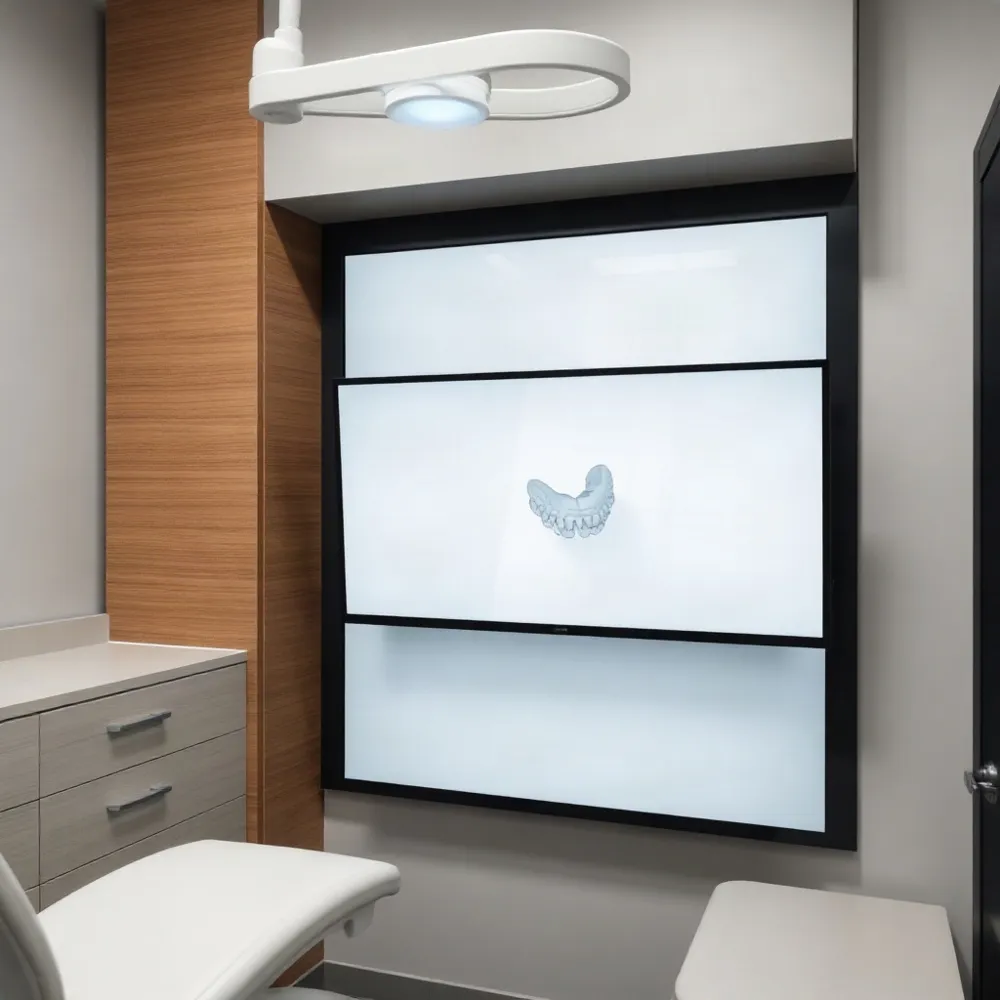 Artificial intelligence and digital tools can help orthodontists interpret records, but they are aids to clinical reasoning, not stand-ins for an examination or an individualized plan. For patients, that distinction matters: software can organize information and show possible paths, while the orthodontist weighs the findings against health, goals, and circumstances.
Depending on the software and the records available, tools may analyze scans and images, measure tooth positions, identify anatomical landmarks, and assess bite relationships. Developing applications may also help classify orthodontic concerns, assess facial asymmetry, estimate growth patterns, or support planning for clear aligner treatment. The scope of these functions varies by tool, and no single capability should be assumed to be part of every practice’s workflow. A review of AI-driven applications in orthodontics describes the technology as support for diagnosis and planning, rather than a replacement for professional oversight.
Digital models and treatment visualizations can make a proposed course of care easier to discuss. An orthodontist can use them to explain possible tooth movements, compare options, and clarify what a simulation can and cannot predict. A virtual preview is a planning aid, not a promise of a particular result; actual progress depends on the clinical situation and response to treatment.
These tools also have limits. Their outputs depend on the quality and completeness of the records, as well as the software’s design. An algorithm cannot capture every factor revealed through a clinical examination or conversation. At Trielle Orthodontics, treatment planning is personalized, with recommendations grounded in the patient’s needs and goals rather than a software output alone. Questions about how a tool informed a recommendation can help patients understand the reasoning behind their plan.
Choosing an Approach That Fits
Two people may both notice crowded teeth yet need different care. Spacing, bite relationships, age, jaw development, and personal goals all affect which options an orthodontist may recommend. At Trielle Orthodontics, treatment planning is individualized, with options that include clear aligners and braces rather than a single approach for every smile.
Clear aligners are removable, so patients can take them out to eat and clean their teeth. That flexibility comes with responsibility: aligners must be worn as prescribed for treatment to proceed as planned. A review of digital clear-aligner planning describes how clinicians stage tooth movements and assess whether a case is suitable, while emphasizing the need for professional diagnosis and supervision (clear-aligner treatment planning. Braces also remain an important option; digital tools have not made them obsolete.
Whichever approach is chosen, professional monitoring matters. The orthodontist can assess progress and adjust the plan when needed. New technology alone does not promise faster treatment or a better result. Duration and outcomes depend on the movements required, the treatment method, case complexity, and how a patient responds.
A useful consultation is a conversation, not just a presentation of a plan. Ask why a treatment is recommended, which alternatives may suit your needs, what records are needed, how progress will be monitored, and what you will need to do during care. Trielle Orthodontics provides personalized treatment planning, giving patients an opportunity to discuss their goals and understand the reasoning behind the proposed approach.
Understanding Cost and Payment
Orthodontic fees vary because treatment is planned around each person’s needs, rather than a single standard package. The type of appliance, the complexity of alignment or bite concerns, and the expected treatment duration can all affect the price. Without a supporting source for a general U.S. price range, it is better to request a current estimate than rely on a broad figure.
Ask whether the estimate includes imaging, follow-up visits, and retainers, or whether any of these are billed separately. Insurance benefits and available payment plans may also affect your out-of-pocket cost, so confirm what applies to your coverage and proposed care.
A consultation is the best way to receive an estimate based on an individual diagnosis and treatment plan. At Trielle Orthodontics, care plans are tailored to the patient’s needs, and the practice offers flexible payment options. The consultation can clarify which services are included and what payment arrangements may be available. For more on individualized planning, see personalized orthodontic treatment plans.
A Plan Made With You
Digital records and treatment previews can make it easier to review your teeth, possible treatment steps, and available options together. For clear aligners, a virtual setup can show planned stages, but it remains a guide for discussion, not a promise of an exact result, as described in this review of digital clear-aligner planning.
A useful plan combines those tools with an orthodontist’s evaluation, your goals, and regular conversations as care progresses. At Trielle Orthodontics, individualized treatment planning is grounded in diagnostic records and discussion of the care options that fit each patient, rather than relying on a digital preview alone.
Use a consultation to ask which treatments may suit your needs, how progress will be monitored, what costs and payment options to expect, and what your own plan could involve. Clear answers help you take part in decisions and understand what comes next.