Designing Spaces That Prioritize Patient Calm
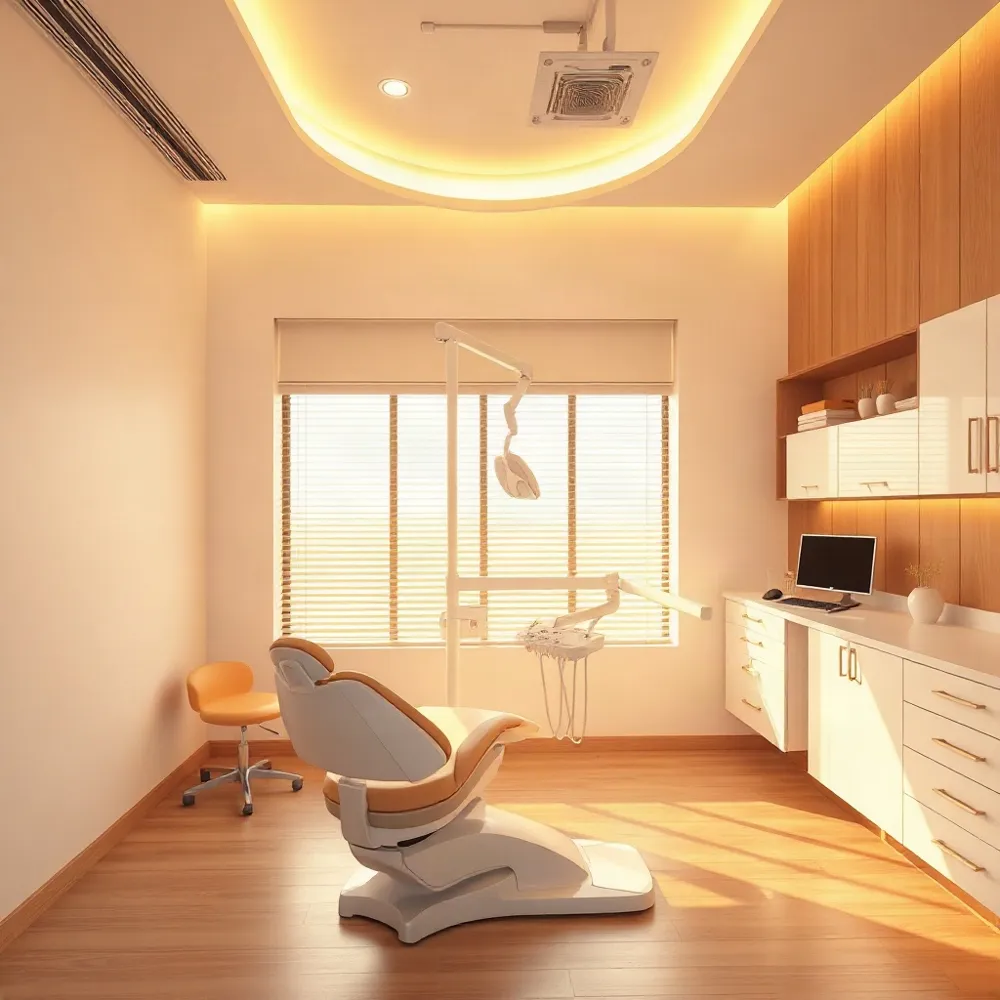
A clinical environment serves as the first non-verbal indicator of a practice's commitment to patient well-being. Research shows that physical surroundings directly influence emotional states, with 70% of patients reporting some level of anxiety regarding dental visits. At Trielle Orthodontics, the design philosophy centers on integrating a calming atmosphere with the precision required for Phase Two Orthodontics to ensure patients feel secure and empowered.
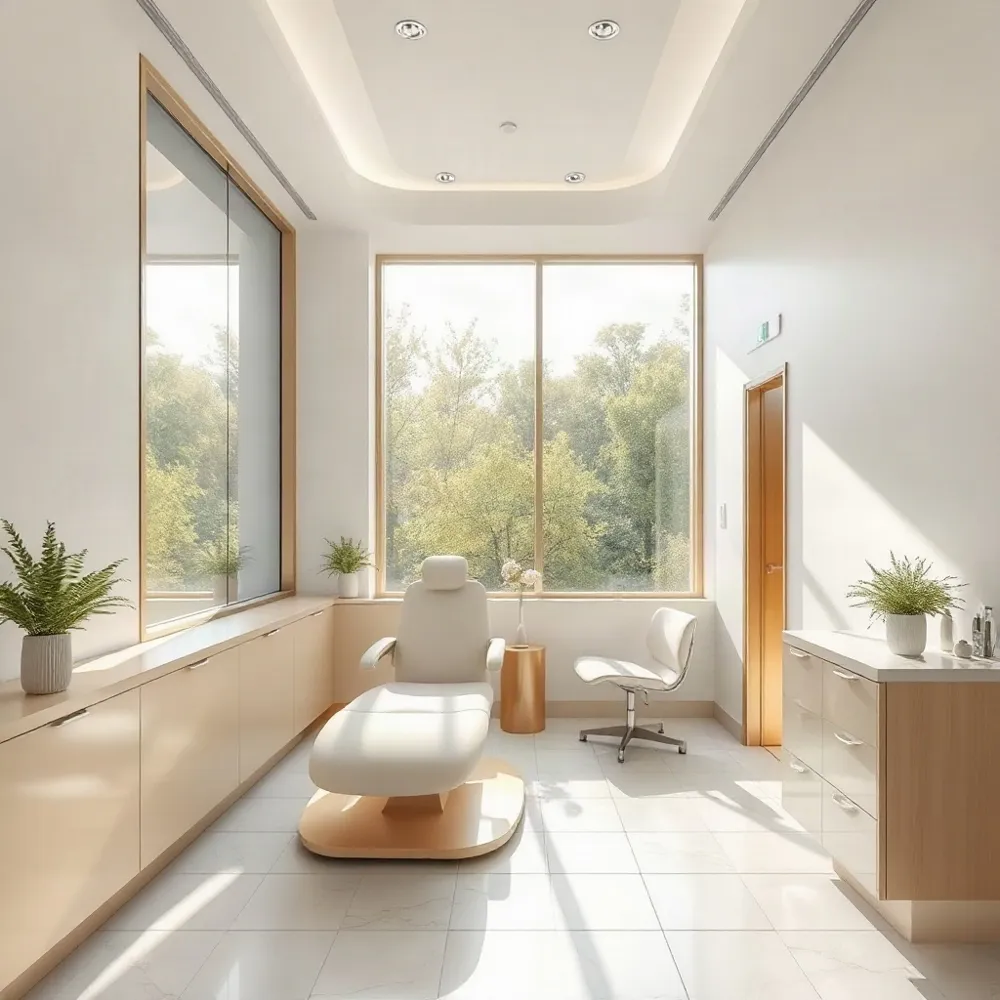
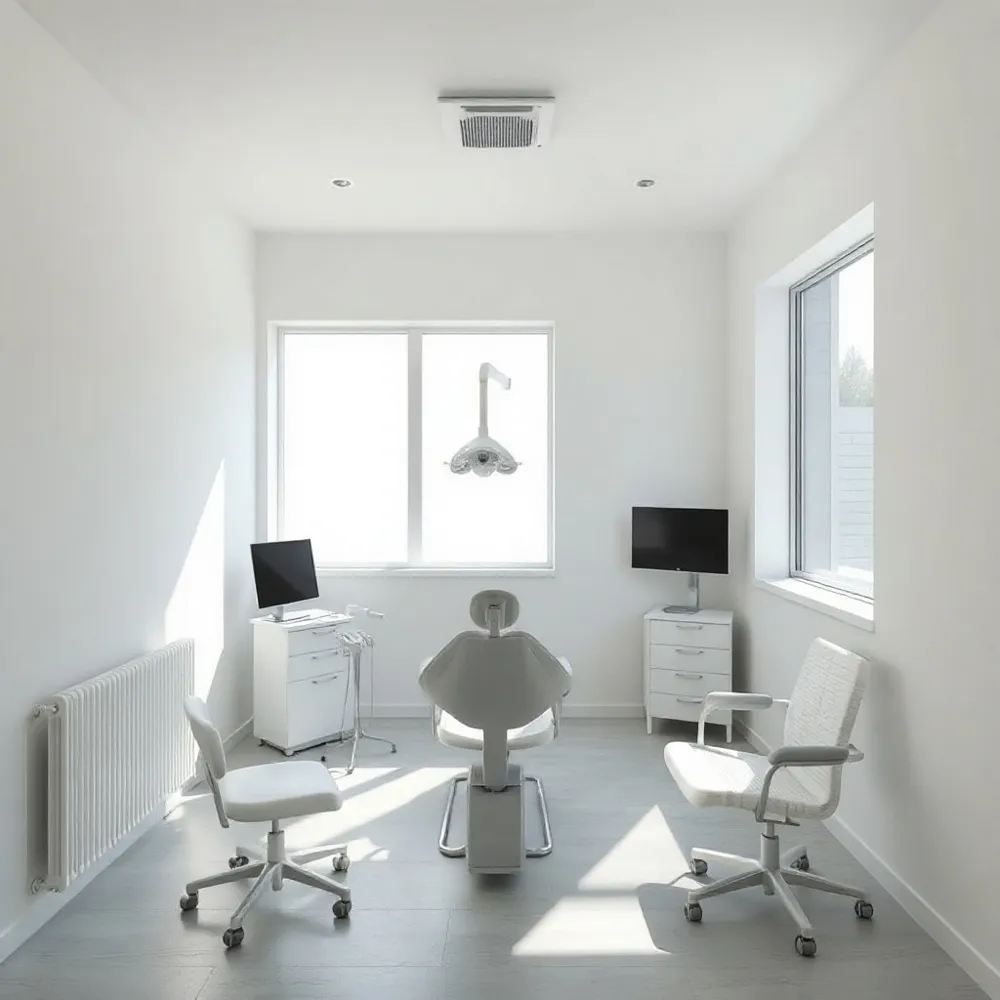
Thoughtful architectural choices, such as intuitive navigation and the use of natural light, help reduce the clinical coldness often found in traditional medical settings. Unlike offices that rely on crowded waiting areas, Trielle Orthodontics utilizes intentional layout designs that facilitate both privacy and efficient workflows. Incorporating biophilic elements like greenery or soft, earth-toned palettes can actively lower patient stress levels while fostering a professional, high-tech environment. By balancing ergonomic zones with modern technology, practices create a space where patients feel comfortable enough to return for regular care, ultimately improving overall treatment adherence.
Strategic Layouts for Workflow Efficiency and Comfort
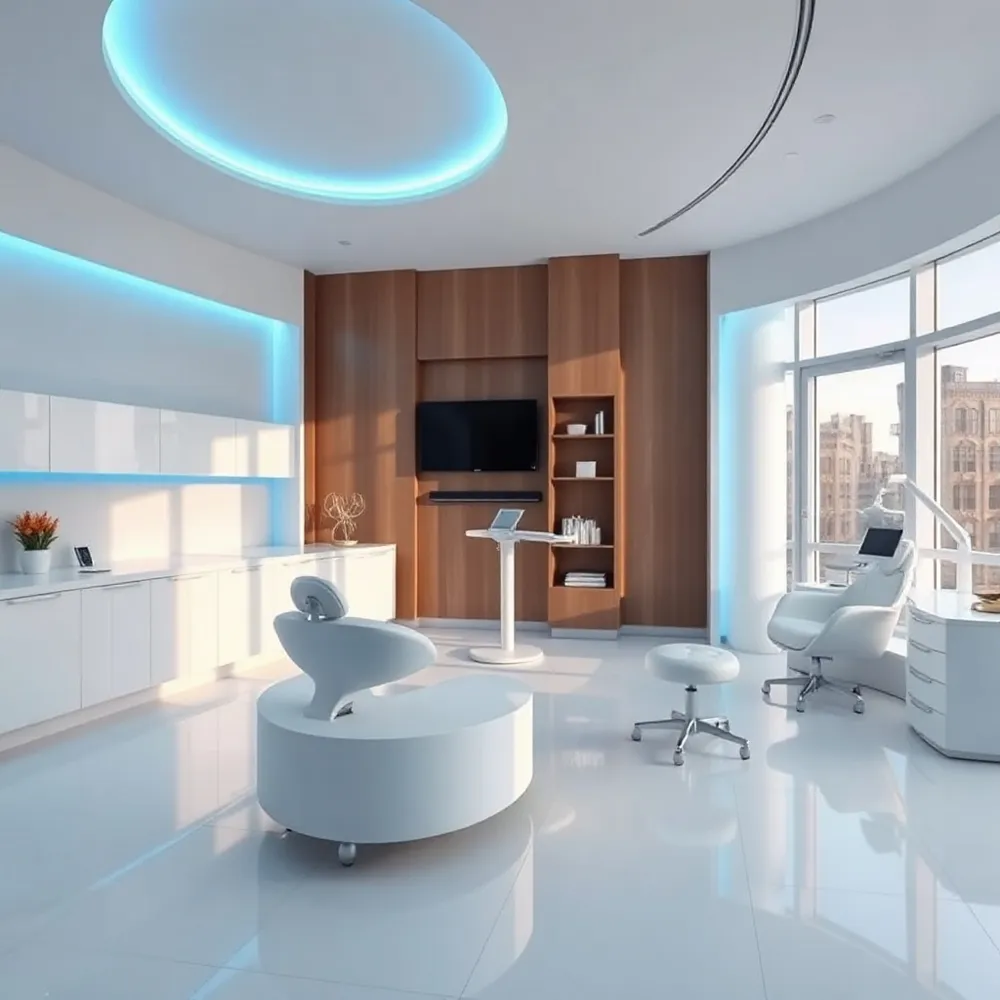 Designing an orthodontic workspace requires balancing the fast-paced nature of clinical procedures with the need for a calming, patient-focused atmosphere. At Trielle Orthodontics, the office layout is crafted to support high-tech treatments such as clear aligners or Phase One Orthodontics by grouping essential clinical services, such as sterilization and imaging, in close proximity to treatment chairs. This design strategy minimizes unnecessary movement for clinicians while ensuring that staff remain visible and accessible to patients throughout their appointment.
Efficient floor plans often leverage circular or loop traffic patterns to prevent congestion and back-tracking, which is critical in busy orthodontic practices that manage higher patient volumes than general dental offices. While many practices rely on open bay designs to foster connectivity, these spaces benefit from partial dividers or frosted glass to maintain privacy and acoustic control. By implementing these structural elements, a practice ensures that the office remains manageable for younger patients while respecting the need for personal space during Phase Two Orthodontics adjustments.
Creating a sensory-aware environment further bridges the gap between clinical efficiency and comfort. According to NIDCR research, sensory adaptations such as dimmed lighting and reduced noise levels serve as vital tools for neurodivergent patients or those experiencing dental phobia. By integrating professional floor planning tools, Trielle Orthodontics positions equipment within natural reach zones, which supports ergonomic, steady care. This synthesis of physical layout and human-centered design allows the team to prioritize clear transitions between arrival and treatment areas, ultimately reducing anxiety and setting a standard for modern care.
Integrating Personal Connections at Every Touchpoint
 A patient's experience begins long before they enter the treatment chair. Building trust from the first point of contact requires a warm, professional tone that signals care and competence. At Trielle Orthodontics, the team understands that human connection is a fundamental component of effective orthodontic care, as clinical outcomes are often linked to how comfortable and informed a patient feels during their journey. When staff prioritize a welcoming demeanor immediately upon arrival, it establishes a foundation of safety that carries through to complex procedures.
Active listening and meaningful eye contact serve as essential tools for practitioners to manage dental anxiety. By focusing entirely on what the patient says, staff can demonstrate that they prioritize the individual's needs over a rushed clinical schedule. This level of attentiveness, practiced rigorously at Trielle Orthodontics, allows the team to address specific concerns before they escalate. Such engagement ensures that patients feel like partners in their own health, whether they are undergoing Phase One Orthodontics or transitioning into later stages of care.
Customizing Interactions Through Preparation
Reviewing patient charts before a visit transforms routine appointments into opportunities for rapport. By remembering personal milestones or family details, team members can initiate genuine conversations that shift the focus from the clinical nature of the office to a more personal connection. This approach helps demystify the environment and supports the high standards found at Trielle Orthodontics. Whether discussing progress with Phase Two Orthodontics or answering questions related to Patient Information, the practice utilizes this data to ensure every interaction feels tailored and supportive.
Ultimately, healthcare providers can improve the overall patient experience by blending clinical expertise with intentional social engagement. A warm greeting and friendly demeanor create a positive first impression and help patients feel at ease. By fostering a personal connection, staff make patients feel valued and respected, which significantly enhances the overall clinical experience.
Communication Techniques That Empower Patients
 Effective communication serves as the foundation for a successful patient experience, transforming clinical encounters into collaborative partnerships. When dental and orthodontic providers prioritize active listening, they signal to patients that their unique health goals take precedence over routine operations. At Trielle Orthodontics, the team uses these insights to tailor care plans, ensuring that every patient feels heard and understood from the initial consultation through their final result.
Using open-ended questions is an essential technique for uncovering the motivations and anxieties that a patient may not otherwise volunteer. Instead of asking if a patient is nervous, a provider might ask what specific aspects of their treatment they find most challenging. This approach moves the conversation away from standard technical jargon and toward the patient's personal perspective. At Trielle Orthodontics, this practice is central to the Phase One Orthodontics process, where understanding a child's comfort level is just as vital as identifying their specific bite needs.
Building Trust Through Empathetic Language
Managing fear requires a delicate balance of transparency and empathy. When clinicians explain each step of a procedure before it begins, they demystify the experience and help patients regain a sense of control. This proactive communication style helps mitigate the apprehension that causes so many patients to avoid returning for necessary follow-up care. For those exploring Phase Two Orthodontics, clear and consistent updates throughout the transition ensure that the path remains predictable and approachable.
Providers must also cultivate high levels of self-awareness to recognize when their own communication style might need adjustment. A one-size-fits-all tone rarely works, especially when moving between different patients who may have vastly different levels of dental knowledge or sensory sensitivities. By observing non-verbal cues and adjusting their volume, vocabulary, and pace, staff can mirror a patient's emotional state to foster authentic rapport. This focus on individual engagement confirms that trielleorthodontics.com is not merely a service provider, but a dedicated partner in long-term oral health.
Sensory Design and Biophilic Elements
The atmosphere of a clinical environment relies on more than just professional equipment. Integrating sensory design helps lower patient stress and foster a sense of security. Soft, warm-toned LED lighting is often preferred over harsh fluorescent options, as it prevents the clinical glare that can heighten patient anxiety. Color plays an equally important role in this strategy, with earth tones, soft greens, and blues frequently used to promote feelings of calm and trust.
Biophilic design further enhances this tranquil environment by intentionally connecting the indoor space to nature. The inclusion of potted plants serves as both a decorative touch and a way to improve indoor air quality. Trielle Orthodontics supports this focus on nature through layouts that maximize natural light, transforming sterile waiting and treatment areas into inviting, warm spaces. These elements demonstrate a commitment to holistic patient well-being, moving away from the traditional, cold medical aesthetic.
Managing acoustics and scent is essential for maintaining a truly relaxing office demeanor. Noise control remains a priority, with many practices providing noise-canceling headphones to mask the sound of drill equipment. Similarly, aromatherapy using lavender or eucalyptus diffusers can help create a spa-like environment that puts a patient at ease before their appointment begins. By carefully managing each of these sensory inputs, the practice environment becomes a supportive space that minimizes the intimidation often associated with orthodontic office design.
Leveraging Technology for Patient Education and Comfort
Modern digital tools allow clinicians to translate complex orthodontic concepts into clear, visual outcomes. At Trielle Orthodontics, the integration of intraoral scanners like iTero serves as both a diagnostic asset and a way to demonstrate precise, high-tech care. By providing patients with a real-time view of their dental structure, these scanners help demystify the treatment process, making it easier for individuals to understand their specific needs for clear aligners or other corrective programs.
In-chair technology acts as a powerful buffer against anxiety during longer procedures. Many practices now utilize noise-canceling headphones or ceiling-mounted screens to allow patients to escape into a more serene environment. Similarly, Trielle Orthodontics pairs professional expertise with state-of-the-art tools to ensure that every patient feels comfortable throughout their Phase Two Orthodontics care. These distractions effectively mask the sounds of equipment, which often trigger tension in sensitive patients.
Digital infrastructure also extends to the administrative side of the patient visit. Adopting mobile check-ins and automated patient portals reduces the physical congestion typically seen in busy waiting areas. By minimizing the time a patient spends waiting, a practice demonstrates respect for their schedule. This efficiency is consistent with the professional standard that prioritizes a seamless, stress-free clinical environment from the moment a patient arrives at trielleorthodontics.com.
Accommodating Pediatric and Special Needs Patients
Creating an inclusive safe space requires intentional adjustments to the physical environment and clinical flow. For many pediatric patients or those with autism spectrum disorder, the standard clinical setting can prove overwhelming due to harsh lighting and loud, unpredictable noises. Trielle Orthodontics addresses these sensitivities by providing a personalized space where lights can be dimmed and background noise managed through sound-dampening elements or noise-canceling headphones. These modifications help stabilize the internal experience, ensuring that patients feel secure rather than overstimulated during their appointments.
- Visual preparedness: Utilizing social stories or step-by-step photographs helps young patients understand exactly what to expect during their visit, reducing the anxiety associated with the unknown.
- Child-centric zones: Trielle Orthodontics incorporates designated areas that offer a sense of autonomy, turning the visit into a positive, predictable experience.
- Collaborative care: Integrating insights from parents and specialists allows the team to tailor sensory strategies consistently across every phase of treatment, from initial consultations to complex alignment procedures.
By prioritizing these sensory-friendly design choices, the practice fosters trust and lowers barriers to care. Whether a child is visiting for Phase One Orthodontics or an adult seeking specialized support, a measured approach to sensory design ensures every patient receives high-quality, compassionate treatment in a supportive atmosphere.
Commitment to Excellence Through Thoughtful Design
A clinical environment serves as a physical manifestation of a practice's core values. At Trielle Orthodontics, the design philosophy centers on the idea that structural layout and patient comfort are inseparable components of high-quality care. By integrating private consultation zones with Phase Two Orthodontics stations, the practice ensures that every movement within the office reinforces a sense of safety and professional intentionality.
Designing a space that prioritizes the patient experience builds the trust required for long-term retention. Unlike traditional clinical settings that may prioritize strict assembly-line workflows over individual needs, Trielle Orthodontics balances efficiency with personalized attention. This approach helps reduce dental anxiety, ensuring that even complex treatment plans remain accessible and manageable for every patient.
Creating a safe space is an ongoing process rather than a static goal. Because patient needs evolve alongside advancements in dental technology, successful practices must continuously refine their environments to remain welcoming. By valuing both the physical layout and the human side of every encounter, the practice maintains a standard of excellence that keeps patients confident in their orthodontic journey.