Why Adult Orthodontics Is More Popular Than Ever
The number of adults pursuing orthodontic care has reached an all-time high. According to the American Association of Orthodontists, one in three orthodontic patients today is over the age of 18. This surge reflects a broader cultural shift: adults are increasingly recognizing that a straighter smile supports better oral health, not just appearance.
Common motivations include correcting misalignment that has worsened over time, preventing uneven enamel wear and gum disease, and boosting confidence in both social and professional settings. The pandemic-era "Zoom boom" — hours of daily video calls — made many adults acutely aware of dental flaws they had previously overlooked.
A persistent myth holds that braces are only for teenagers. In reality, healthy teeth can be moved at any age through the same physiological process. Adults' teeth naturally shift over time, which can lead to crowding, bite problems, and other issues that orthodontic treatment can address.
Modern advances have reshaped what treatment looks like for grown patients. Clear aligners, ceramic brackets, and lingual braces offer discreet, comfortable options that fit seamlessly into adult routines. At Trielle Orthodontics in Union, NJ, personalized care plans and modern technology make it possible for adults to achieve lasting results without the conspicuous look of traditional metal braces.
Understanding Adult Orthodontics and What It Means
 Adult orthodontics refers to orthodontic treatment provided to patients over 18. One in three orthodontic patients today is an adult, according to the American Association of Orthodontists. The goals are the same as for younger patients: to correct alignment and bite problems for better oral health and a more confident smile.
Common issues treated in adults include crowding, overbite, underbite, open bite, jaw pain, uneven tooth wear, and gum disease. These problems can worsen over time if left untreated, making daily tasks like chewing and cleaning more difficult.
The physiological process of moving teeth is the same at any age. Healthy teeth can be moved because the body's natural bone remodeling response continues throughout life. Tooth movement depends on the same biological mechanism regardless of whether the patient is 15 or 50.
However, adult bone is fully grown and less malleable than a child's, so movement can be slower. Treatment duration for adults typically ranges from 12 to 24 months, though complex cases may take longer. Adults also often have existing dental work that must be considered before starting orthodontic care.
Before treatment begins, any active decay, gum disease, or unstable restorations must be addressed. This ensures a healthy foundation for tooth movement, and it may require coordination with a general dentist or periodontist. At trielleorthodontics.com, we prioritize a thorough evaluation before creating a personalized treatment plan.
The benefits of adult orthodontics extend well beyond appearance. Straighter teeth are easier to clean, which reduces the risk of cavities and gum disease. Proper alignment also improves chewing and speaking function, and can help prevent future dental problems such as excessive enamel wear and TMJ discomfort.
Is Age 40 Too Old for Invisalign?
No, age 40 is not too old for Invisalign. There is no upper age limit for clear aligner treatment. Many adults in their 40s, 50s, and beyond successfully straighten their teeth with Invisalign. While treatment may take slightly longer than for younger patients, it offers a discreet, removable solution that fits an adult lifestyle. At Trielle Orthodontics, we create personalized treatment plans for adults of all ages, ensuring your oral health is optimized before starting.
Ultimately, adult orthodontics means it is never too late to achieve a healthier, more confident smile with a customized approach that prioritizes both aesthetics and long-term dental wellness.
Key Things to Know Before Starting Orthodontic Treatment
Before any brackets or aligners are placed, a thorough evaluation is essential. The process typically begins with an initial consultation that includes a clinical exam, X-rays, photos, and a digital scan of your teeth. Your orthodontist will use these records to discuss treatment options, estimate the timeline, and answer any questions you have about the process.
Pre-Treatment Oral Health Requirements
A healthy foundation is non-negotiable for orthodontic success. Any active gum disease, cavities, or unstable restorations must be addressed before treatment begins. Placing braces on diseased gums or teeth can worsen inflammation and slow progress, so your orthodontist may coordinate with your general dentist or periodontist to ensure your mouth is ready.
Dietary Adjustments and Discomfort Management
For the first few days after placement or an adjustment, sticking to soft foods like yogurt, mashed potatoes, pasta, and smoothies helps reduce soreness. Hard, crunchy, sticky, or chewy foods should be avoided throughout treatment, as they can damage brackets and wires. Mild discomfort after adjustments is normal and can be managed with over-the-counter pain relievers or orthodontic wax applied to any irritated spots inside the cheeks and lips.
It also takes a few days for your cheeks, lips, and tongue to adjust to the new sensation of braces or aligners. During this adjustment period, orthodontic wax is a lifesaver for soothing irritation.
Oral Hygiene and Appointment Cadence
Keeping teeth clean becomes more involved with brackets and wires. Special tools such as floss threaders, water flossers, and interdental brushes are needed to remove plaque around each bracket and below the gumline. Patients who wear clear aligners must brush thoroughly before reinserting trays to avoid trapping food against teeth. Regular appointments every 4 to 8 weeks allow the orthodontist to check progress, make adjustments, and ensure treatment stays on track.
Adults considering treatment often ask what disqualifies them from getting braces. The most common barrier is untreated periodontal disease, significant jawbone loss, or extensive cavities, as braces need stable, healthy teeth and gums to work effectively. Poor oral hygiene can also complicate results. At Trielle Orthodontics, we perform a comprehensive evaluation to identify any underlying issues and recommend pre-treatment care so that you can proceed with confidence.
Types of Braces and Aligners for Adults
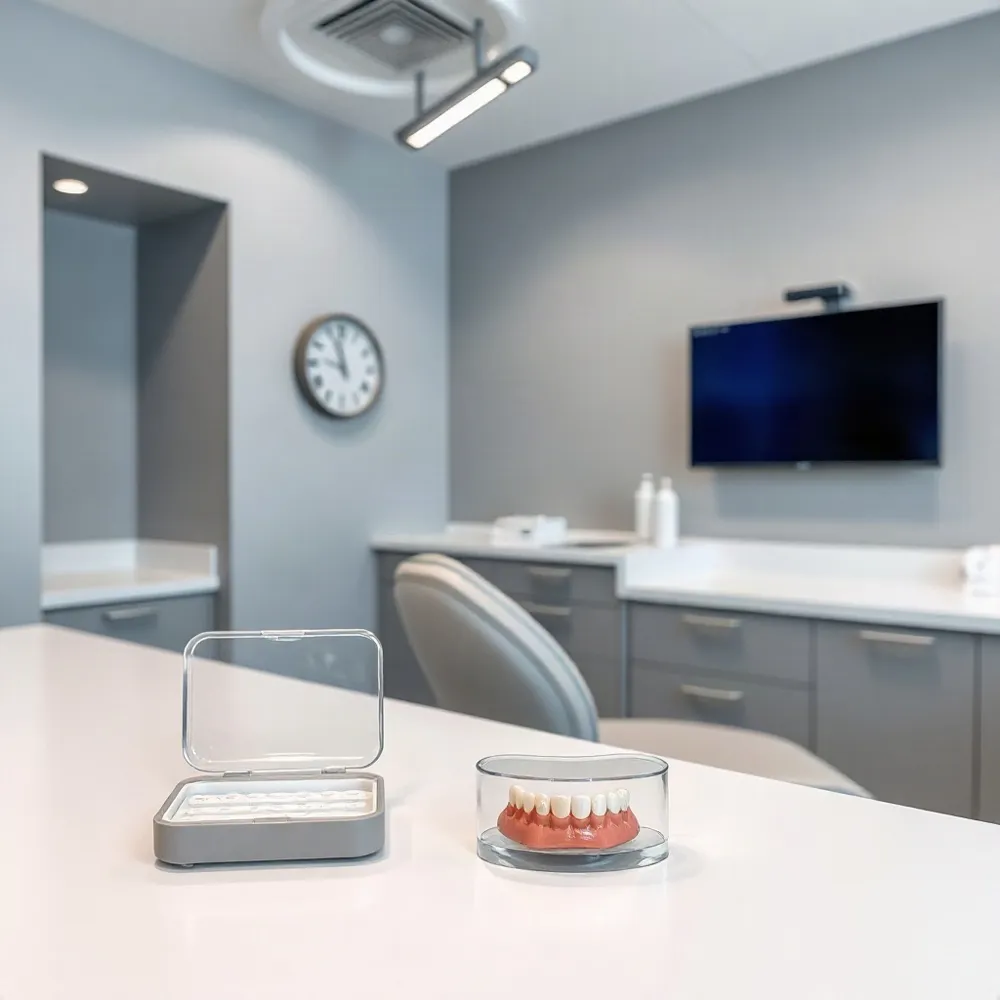 Adults today have a wide range of orthodontic options that balance effectiveness with discretion. The right choice depends on the complexity of the case, personal aesthetic preferences, and lifestyle factors.
Traditional Metal Braces
Traditional metal braces remain a reliable and durable choice, especially for complex alignment issues such as severe crowding, large gaps, or significant bite problems. Modern metal braces use smaller brackets and thinner wires than in the past, making them more comfortable and less bulky than older versions.
Ceramic Braces
For adults who want a less noticeable appearance, ceramic braces use tooth-colored or clear brackets that blend with natural tooth enamel. They are a popular aesthetic alternative to metal braces while still providing effective, fixed treatment.
Lingual Braces
Lingual braces attach to the back (lingual side) of the teeth, making them virtually invisible from the front. This option offers maximum discretion but may require an adjustment period as the tongue adapts to the brackets.
Clear Aligners
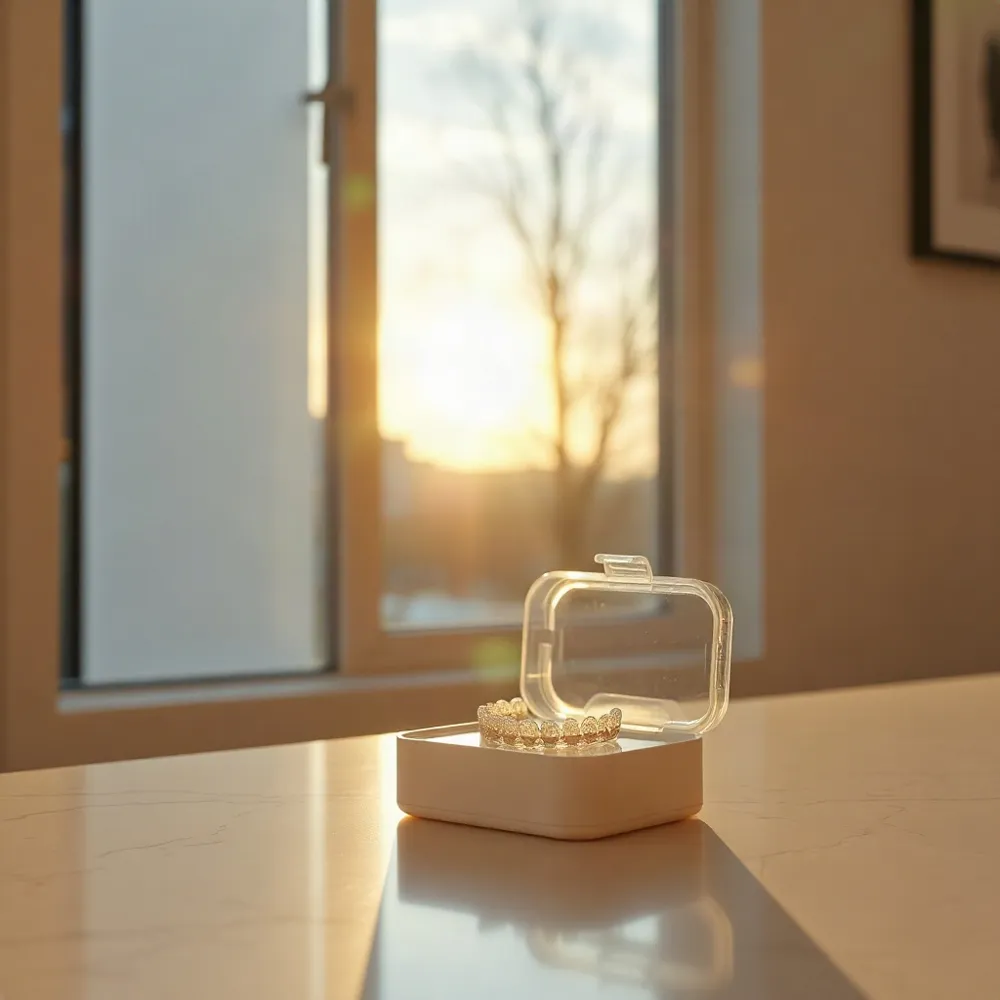
Clear aligners, such as Invisalign, ClearCorrect, and Spark, are custom-made from smooth, transparent medical-grade plastic. They are removable for eating and brushing, nearly invisible, and particularly popular among adults for their lifestyle flexibility. Research shows that clear aligners can straighten teeth faster and more comfortably than braces in some cases, though they require discipline to wear 20–22 hours daily for consistent results.
Self-Ligating Braces
Self-ligating braces (like the Damon system) use a specialized slide or clip to hold the archwire instead of elastic ties. This design can reduce friction, require fewer adjustment appointments, and potentially shorten overall treatment time for certain cases.
Supporting Appliances
Alongside the main appliance, orthodontic treatment often includes retainers to maintain results after active treatment, along with archwires, elastics, and mouthguards. Elastics apply targeted force to correct bite relationships, while mouthguards protect teeth during sports. At Trielle Orthodontics, each patient receives a personalized plan that may combine several of these elements to achieve optimal alignment and long-term stability.
Clear Aligners: The Discreet Solution for Adults
For adults who want to straighten their teeth without the appearance of metal braces, clear aligners have become the preferred choice. The most widely doctor-recommended brand is Invisalign, which uses advanced SmartTrack material for predictable tooth movement. Other provider-supervised systems, such as ClearCorrect and Spark, also offer custom-made trays overseen by a qualified orthodontist to ensure safe and effective treatment.
Treatment begins with a 3D digital scan that captures the exact shape of your teeth. Based on this scan, a series of custom aligners is fabricated, with each tray worn for one to two weeks before moving to the next. The aligners must be worn 20–22 hours per day and are removed only for eating, drinking, and brushing. Because there are no brackets or wires, oral hygiene is straightforward and there are no food restrictions.
Clear aligners are highly effective for mild to moderate crowding, spacing, and bite issues. For severe malocclusions or significant tooth rotations, traditional braces may offer more predictable results. Treatment typically lasts 6 to 18 months, with visible changes often appearing within weeks. At Trielle Orthodontics, we help patients select the aligner system that best fits their smile goals, lifestyle, and budget.
Patient compliance is the single most important factor in clear aligner success. Skipping wear time, even for a few hours, can stall progress and extend treatment duration. Adults who follow their orthodontist's instructions consistently see the smoothest results. With proper wear and regular check-ins every 6 to 10 weeks, Invisalign and similar systems deliver results comparable to braces for most cases.
Cost of Adult Orthodontics and Insurance Options
The cost of adult orthodontics in the United States typically ranges from $3,000 to $10,000, depending on the type of treatment, case complexity, and geographic location. Traditional metal braces are the most affordable option, generally costing between $3,000 and $7,500. Ceramic braces and clear aligners like Invisalign usually fall between $3,500 and $8,500, while lingual braces often cost more due to their custom fabrication and specialized placement.
Adults may pay 10–20% more than teens for similar treatment. The reason is that adult bone is denser and more firmly set, and many adults have existing restorations that add complexity to the treatment plan. At Trielle Orthodontics in Union, NJ, we provide personalized consultations to give you an accurate estimate based on your specific needs, and we offer a range of flexible payment options to make the investment manageable.
Insurance Coverage and Payment Strategies
Many dental insurance plans classify adult orthodontics as a cosmetic procedure and do not offer coverage, or they provide a limited lifetime maximum benefit that may cover only a portion of the total cost. Some employer-sponsored plans restrict orthodontic benefits to dependents under a certain age. When coverage is available, it typically comes with a separate lifetime cap and higher out-of-pocket costs.
Medicaid coverage for adult braces is not guaranteed in every state. Coverage is generally only available when orthodontic treatment is deemed medically necessary for a severe functional issue such as an overbite or underbite that affects chewing. To qualify, you must visit an orthodontist who accepts Medicaid, undergo an exam, and submit documentation proving medical necessity. Eligibility rules vary by state, so checking your local Medicaid program is essential.
Beyond insurance, adults have several payment avenues. Flexible spending accounts (FSAs) and health savings accounts (HSAs) can be used to pay for treatment with pre-tax dollars. Many orthodontic practices, including Trielle Orthodontics, offer in-house monthly payment plans and third-party financing to spread the cost over time without interest, making it possible to achieve a confident smile on a comfortable budget.
Is Adult Orthodontics Worth the Investment?
 Orthodontic treatment works just as effectively for adults as it does for children and teenagers. Healthy teeth can be moved at any age through the same biological process, and adult patients often bring better compliance to the table — precisely following wear schedules and attending regular adjustments, which leads to more predictable results. A consultation with a specialist like Trielle Orthodontics is the first step in confirming that your gums and bone structure are healthy enough to support treatment.
Long-Term Health Benefits Beyond the Smile
The value of adult orthodontics extends well beyond a straighter smile. Correcting crowding and bite problems reduces uneven enamel wear that can lead to cavities and cracks. Aligned teeth are easier to clean, which lowers the risk of gum disease — a condition that is particularly concerning for adults, as misaligned teeth make plaque buildup harder to remove. Proper alignment also supports healthier chewing and speaking patterns and can relieve jaw pain associated with TMJ disorders. The American Association of Orthodontists notes that adult treatment addresses both functional and aesthetic concerns, providing confidence that lasts a lifetime.
Modern Options Fit Adult Lifestyles
Discreet treatment options such as clear aligners, ceramic braces, and lingual braces allow adults to undergo orthodontic care without drawing attention at work or in social settings. Clear aligner therapy uses smooth, transparent plastic trays that are removable for meals and oral hygiene — eliminating food restrictions and making it easier to maintain professional appearances. Trielle Orthodontics incorporates these modern technologies into individualized treatment plans that prioritize comfort and convenience.
Making Treatment Affordable
The cost of adult orthodontics typically ranges from $3,000 to $10,000 depending on case complexity and appliance type, but the investment is manageable through several payment strategies. Many practices, including Trielle Orthodontics, offer flexible monthly payment plans and accept insurance benefits that may cover a portion of the treatment — up to $3,000 in some plans. Flex spending accounts (FSAs) and health savings accounts (HSAs) can also be used to pay for treatment with pre-tax dollars.
| Factor | Adult Orthodontics vs Younger Patients | Key Consideration |
|---|---|---|
| Effectiveness | Equally effective when gums and bone are healthy | Adult bone is denser; treatment may take slightly longer |
| Compliance | Adults often follow instructions more closely | Predictable outcomes with consistent wear |
| Health Benefits | Reduces enamel wear, gum disease, and TMJ pain | Functional improvement is a primary adult motivator |
| Discretion | Clear aligners and ceramic braces are widely available | Fits professional and social routines |
| Cost Access | $3,000-$10,000 typical range | Payment plans, FSA/HSA, and insurance can help |
Finding Adult Orthodontics Near Union, NJ
For residents of Union, New Jersey, Trielle Orthodontics provides personalized orthodontic care tailored to adults. The practice offers a full range of services, including clear aligners, dental braces, adult orthodontic treatments, and facial aesthetic treatments, all designed to meet your lifestyle and goals.
The practice emphasizes comfort and modern technology, creating individualized treatment plans for each patient. For adults seeking a discreet solution, options like clear aligners or ceramic braces blend naturally with teeth. Trielle Orthodontics also offers flexible payment options to make treatment more accessible.
You can schedule a consultation to explore which option fits your needs and begin your journey toward a healthier, straighter smile with a team that understands the specific requirements of adult orthodontic care.
Your Smile Journey Starts Today
Adult orthodontics is effective, discreet, and offers lasting benefits for both oral health and self-confidence. The American Association of Orthodontists reports that one in three orthodontic patients is now an adult, reflecting a broad shift in how people approach tooth alignment later in life.
There is no upper age limit for treatment. As long as gums and bone are healthy, teeth can be moved successfully at any age — adults often achieve the same lasting results as younger patients. For residents of Union, NJ, Trielle Orthodontics offers personalized treatment plans and flexible payment options to make the process accessible.
Taking the first step is as simple as scheduling a consultation. An orthodontist can evaluate your specific needs, discuss the options available, and help you begin a journey toward a healthier, more confident smile.