The Foundation of a Healthy Bite
A child's bite develops in tandem with their jaw. When the upper and lower jaws grow at different rates or in misaligned positions, the result can be an overbite, underbite, or narrow palate. Addressing these skeletal problems early can prevent more complex orthodontic issues later.
Growth modification uses appliances to guide jaw development during the active growth phase. Unlike traditional braces, which move teeth into position, these devices influence the underlying bones. This approach is most effective in children aged 7 to 12, when the skeleton is still flexible and responsive to treatment.
A child who receives growth modification treatment at the right time often avoids extractions, prolonged braces, or jaw surgery down the road. At Trielle Orthodontics in Union, NJ, an initial consultation includes digital X-rays and 3D scans to determine whether growth modification is the right path for a child's bite and facial development.
Understanding Growth Modification
 Growth modification is a treatment strategy that uses functional appliances to influence the size, position, and relationship of a child's upper and lower jaws. Unlike traditional braces, which move individual teeth, these appliances work on the skeletal foundation itself, guiding the jaw's natural development while it is still actively growing.
The American Association of Orthodontists recommends children have their first orthodontic checkup by age 7. The optimal window for growth modification is typically between ages 7 and 10, when the jaw is flexible and growing rapidly. Starting during this period allows orthodontists to correct skeletal issues like overbites, underbites, and crossbites proactively.
At Trielle Orthodontics, early evaluation helps determine whether a child is a candidate for growth modification. A comprehensive assessment — including digital X-rays, 3D scans, and clinical photographs — identifies bite discrepancies that can be corrected more efficiently during the growth years. This proactive approach can prevent the need for extractions, prolonged treatment, or surgery later in life.
Fixed vs. Removable: Choosing the Right Appliance
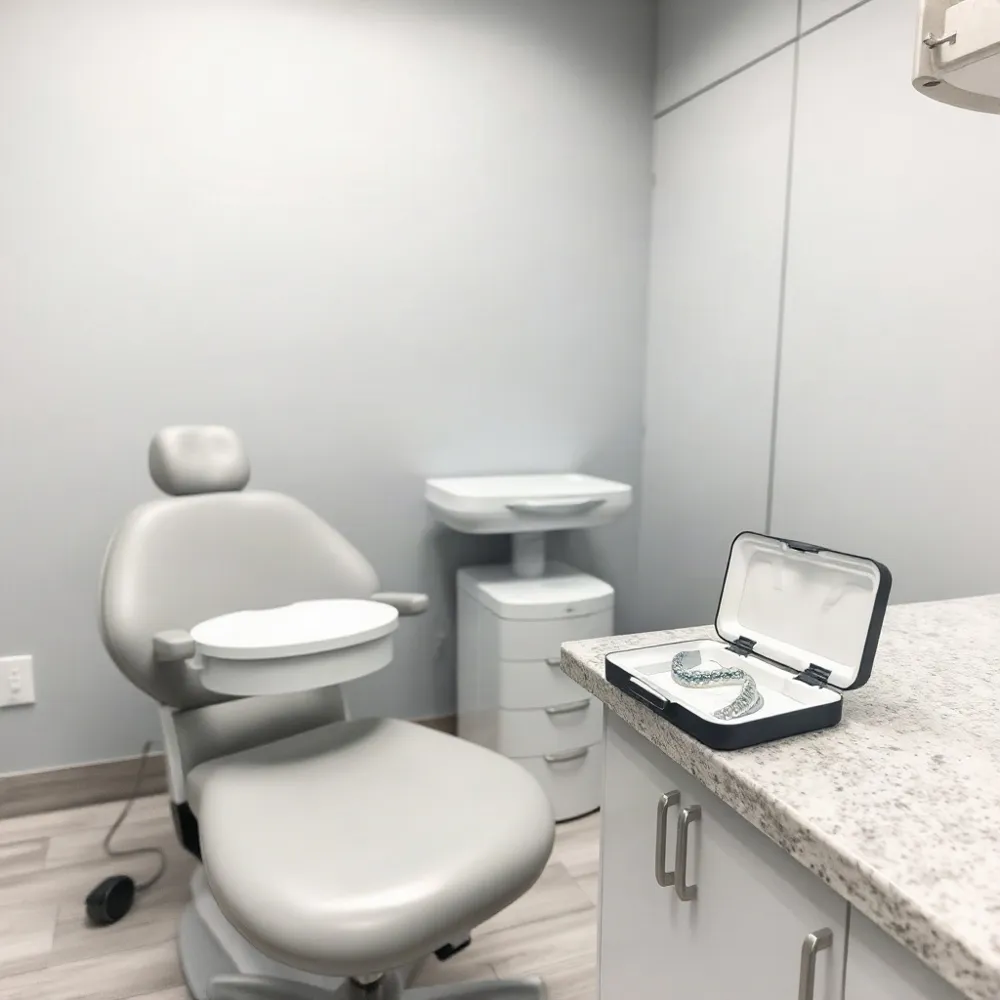 Functional appliances fall into two broad categories: fixed and removable. Each type offers distinct benefits depending on the child's age, the severity of the bite problem, and the level of daily cooperation the patient can provide.
Removable Appliances and the Role of Compliance
Removable appliances, such as the Twin Block, Bionator, and Frankel appliance, can be taken out for eating, brushing, and sports. Their success depends heavily on the child wearing them as directed. The Twin Block uses two interlocking bite blocks to posture the lower jaw forward. The Bionator guides the lower jaw into a more favorable position with a less bulky design. The Frankel uses acrylic shields to reduce pressure from the cheeks and lips while encouraging proper tongue posture. These appliances are well-suited for motivated patients who can follow a wear schedule consistently.
Fixed Appliances for Reliable, Nonstop Correction
Fixed appliances are bonded to the teeth, so they work around the clock without relying on daily patient compliance. The Herbst appliance is a fixed device that encourages forward growth of the lower jaw in severe overbites. The MARA appliance attaches to the molars and forces the lower jaw forward as the patient closes their mouth, training the bite over time. The Forsus appliance is a spring-loaded system used alongside braces that applies continuous, gentle pressure to correct a Class II malocclusion.
Making the Right Choice
At Trielle Orthodontics, the choice between a fixed or removable functional appliance is made during a thorough evaluation that includes digital X-rays and 3D scans. The orthodontist considers the child's growth stage, the specific jaw discrepancy, and the family's lifestyle to recommend the most effective path toward a balanced bite and harmonious facial development.
Correcting Overbites with Jaw Guidance
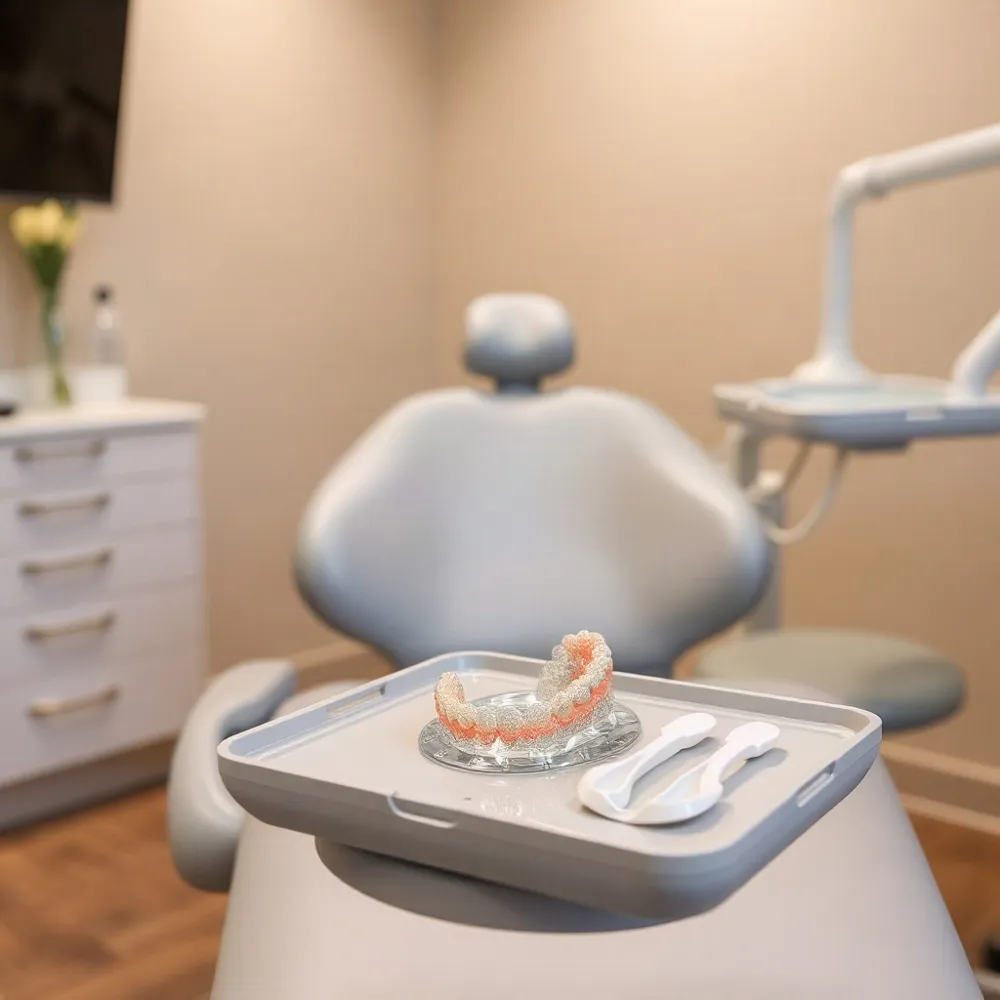 For children with a skeletal overbite — where the upper jaw outpaces the lower — growth-guidance appliances offer a way to correct the bite without surgery. These fixed devices hold the lower jaw forward, encouraging the jaw joint and surrounding bone to grow into a balanced position.
The Herbst appliance is one of the most common fixed solutions for skeletal overbites in growing patients. It attaches to the upper and lower molars and uses a telescoping rod to posture the mandible forward continuously. Because it is cemented in place, compliance is automatic — the appliance works 24 hours a day without requiring the child to remember to wear it. Treatment typically lasts about 12 months, and the approach is most effective when the patient is still actively growing, generally between ages 9 and 14.
The MARA appliance (Mandibular Anterior Repositioning Appliance) works on a similar principle. It uses crowns on the lower molars with metal arms that engage the upper molars, pushing the lower jaw forward when the child closes their mouth. Like the Herbst, it is fixed and requires no patient cooperation once placed.
Forsus is another fixed option, often used in combination with braces. It consists of a spring-loaded metal bar that connects the upper first molars to the lower archwire, applying gentle forward pressure to the mandible. It is smaller and less bulky than the Herbst, making it a good choice for adolescents who need less aggressive correction.
Headgear is the traditional alternative, but its bulky facebow and fabric strap must be worn 12 to 16 hours each day for effective results. Because compliance is a common challenge, many orthodontists now prefer fixed appliances like the Herbst or MARA for children who need reliable, nonstop correction. At Trielle Orthodontics, personalized treatment plans consider the severity of the overbite, the child's growth stage, and lifestyle factors to select the most effective appliance.
Expanding the Palate for Better Breathing and Bite
A narrow upper jaw can crowd teeth, create a crossbite, and even restrict nasal breathing. Palatal expanders address this by widening the upper jaw (maxilla) during childhood, when the bone is still growing and the midpalatal suture has not yet fused.
The American Association of Orthodontists recommends that children have their first orthodontic checkup by age 7, which is the ideal window to assess whether expansion is needed.
Types of Orthodontic Expansion Appliances
Fixed Palatal Expander. Cemented to the back molars, it uses a screw mechanism that the orthodontist turns periodically to widen the jaw. Fixed expanders do not rely on patient compliance, making them a reliable choice for children.
Removable Palatal Expander. A plastic plate with expansion screws that the child can take out for cleaning. Success depends on consistent wear as prescribed.
Rapid Palatal Expander (RPE). A type of fixed expander with a central screw turned once or twice daily for a short period. The RPE quickly separates the two halves of the upper jaw at the midpalatal suture, creating new bone that fills in over several months.
For older teens and adults whose jawbones have fused, expansion may require a surgically assisted approach. At Trielle Orthodontics, your orthodontist evaluates each patient's age and skeletal maturity to recommend the most effective type of expander.
Best Age for Jaw Expansion
The optimal age for a palatal expander is between 7 and 10 years old, before puberty. During this window, the midpalatal suture is still open, allowing the expander to separate the bones with less discomfort and greater stability. Early expansion can create space for crowded permanent teeth, correct a unilateral or bilateral crossbite, and improve nasal airflow.
A child as young as 6 may be a candidate if enough permanent molars are present to anchor the expander. A 5-year-old would generally be too young, as the primary teeth are not stable enough to support the appliance.
Correcting Crossbites Early
A crossbite occurs when the upper teeth sit inside the lower teeth. Left uncorrected, it can cause the lower jaw to shift to one side, leading to uneven tooth wear, jaw pain, and restricted growth. Expansion widens the upper arch so the teeth meet correctly, preventing these complications. Early treatment between ages 7 and 10 is the most effective and least invasive approach.
Addressing Deep Bites and Other Challenges
Not every bite problem involves the jaw being too far forward or backward. Some children have a deep overbite, where the upper front teeth overlap the lower front teeth excessively, or a crossbite, where the upper teeth sit inside the lower teeth. Orthodontists use specialized appliances to correct these issues during the growth window.
Correcting a Deep Overbite with a Biteplane
A deep bite is treated with a biteplane, a wire-and-acrylic appliance that prevents the patient from biting all the way down on their back teeth. By blocking full closure, the back teeth are allowed to naturally erupt, reducing the excessive overlap of the front teeth. Orthodontists at Trielle Orthodontics will evaluate each patient's unique bite and recommend the most comfortable and effective appliance, whether removable or fixed, for their needs.
Managing Space with a Nance Appliance
A Nance appliance is a fixed space maintainer that prevents the upper molars from drifting forward after early tooth loss. It uses metal bands on the back molars connected to a small acrylic button on the roof of the mouth. While it may cause temporary tongue obstruction, speech typically normalizes within a few days. Trielle Orthodontics uses the Nance appliance as part of a broader strategy to preserve space for permanent teeth and avoid more complex treatment later.
Bitesplints and Dual Arch Expansion
For crossbites, a bitesplint can help guide the teeth into proper alignment. A Bionator is another common choice — it is a removable appliance that promotes forward growth of the lower jaw while also allowing for dual arch expansion. These devices work best during active jaw development and often serve as a foundation for later comprehensive orthodontic treatment.
| Appliance | Primary Use | Key Feature |
|---|---|---|
| Biteplane | Deep overbite correction | Prevents back tooth contact, allowing natural eruption |
| Nance Appliance | Space maintenance | Fixed acrylic button on palate holds molars in place |
| Bitesplint | Crossbite correction | Guides teeth into proper alignment |
| Bionator | Jaw guidance and expansion | Promotes forward lower jaw growth and dual arch width |
Habit-Breaking and Myofunctional Appliances
Thumb Sucking Appliances
Prolonged thumb sucking beyond age four can push teeth forward and alter jaw growth. Habit-breaking appliances make it uncomfortable to suck the thumb, helping children break the habit even while asleep. These appliances are minimally invasive and often resolve the issue within a few months.
Tongue Habit Appliances (Cribs, Prongs)
Tongue thrusting — pushing the tongue against or between the teeth during swallowing — can also distort jaw development. Tongue habit appliances use cribs, prongs, rakes, or spikes to remind the tongue to rest in the correct position. By retraining the swallow pattern early, these devices help close open bites and support proper facial growth.
Myofunctional Appliances Overview (Myobrace, Myosa, etc.)
Myofunctional appliances go beyond repositioning the jaw—they address the muscles and habits that shape it. The Myobrace System trains the tongue and lips to function correctly while gently aligning teeth. The Myosa System treats breathing, myofunctional, and TMJ disorders in both children and adults. Other options include the Myotalea System for strengthening airway and orofacial muscles, and the Myoretainr for maintaining results after braces or aligners. These appliances work best when combined with myofunctional exercises that retrain swallowing, breathing, and resting tongue posture.
Influence of Lip Seal, Nasal Breathing, and Tongue Posture
Three factors directly shape a child's facial development: proper lip seal, nasal breathing, and correct tongue posture. When any of these are missing — due to allergies, enlarged tonsils, or habitual mouth breathing — the craniofacial structure can develop imbalances, leading to long-face syndrome or midface deficiencies. Myofunctional appliances help restore these functions early, allowing the jaw to grow in a more balanced, natural way. At Trielle Orthodontics, evaluating these habits is part of creating a personalized treatment plan that supports both bite correction and long-term oral function.
Treatment Timeline and What to Expect
Treatment with a functional appliance follows a structured sequence that begins before the appliance is ever placed and continues well after the bite correction is achieved.
Comprehensive Evaluation and Custom Planning
Every functional appliance case starts with a thorough orthodontic evaluation. The orthodontist gathers digital X-rays, 3D scans, and clinical photographs to see the full picture of the child’s dental and skeletal structure. These records are used to design a treatment plan tailored to the child’s specific bite issue and growth stage.
At Trielle Orthodontics in Union, NJ, this evaluation helps determine not only which appliance is best suited but also the ideal timing for starting treatment.
Duration of Functional Appliance Therapy
Most functional appliances are worn for 9 to 12 months, taking advantage of a period when the child’s jaw is still actively growing. During this time, regular visits track growth changes and allow the orthodontist to adjust the appliance as needed. The jaw gradually adapts to the new positioning guided by the device.
A Herbst appliance, for example, works best for children who are still growing, typically between the ages of 9 and 14. It is most effective during early interceptive treatment, when the lower jaw can be naturally guided forward. Orthodontists rarely use Herbst appliances in adults except for sleep apnea treatment, so the ideal candidates are young patients who have not yet stopped growing.
Transition to Braces or Aligners and Long-Term Retention
Once functional appliance therapy achieves the desired jaw and bite changes, the child often transitions to braces or clear aligners to perfect the final alignment of individual teeth. Because the skeletal foundation has already been corrected, this second phase is typically shorter and less complex.
After active treatment ends, a retainer is prescribed to hold the results in place while the bite and jaw finish maturing. Consistent retainer wear and regular follow-up visits are needed to prevent the teeth from shifting back.
Long-Term Benefits and Proper Care
Growth modification appliances are used to guide the development of the jaw and facial structures in children, typically between the ages of 7 and 12, when skeletal growth is still active. Unlike traditional braces, which primarily move teeth, these appliances influence the position, size, and relationship of the upper and lower jaws to correct bite issues such as overbites, underbites, and crossbites.
By harnessing a child's natural growth window, they promote balanced facial development and can prevent more serious orthodontic problems later in life. This proactive approach often reduces the need for extractions, prolonged treatment, or even jaw surgery. At Trielle Orthodontics, early evaluation and customized treatment plans help patients achieve healthier, more harmonious smiles with lasting results.
Improved Facial Balance and Self-Esteem
Successful growth modification leads to more balanced facial features. When the jaws align properly, the facial profile improves, which can boost a child's self-esteem and social confidence. These changes are not just cosmetic; a properly functioning bite supports better speech, chewing, and overall oral health.
Reduced Risk of TMJ Disorders
By establishing a balanced bite during growth, functional appliances reduce long-term wear on teeth and minimize the risk of temporomandibular joint (TMJ) disorders. A well-aligned jaw distributes chewing forces evenly, preventing uneven strain on the joints and muscles that can lead to pain and dysfunction later in life.
Oral Hygiene Challenges and Importance of Compliance
Some appliances can make brushing and flossing more difficult, so children may require assistance to maintain good oral health during treatment. Because many functional appliances are removable, consistent wearing as directed is critical for success. Patient compliance and parental involvement are essential to achieve the intended jaw changes within the expected timeframe.
Regular follow-up visits allow the orthodontist to monitor progress, adjust the appliance, and ensure the treatment stays on track. Once the desired growth changes are achieved, the child often transitions to braces or aligners to perfect final tooth alignment.
Building Better Bites for Life
Starting treatment during a child's growth spurt, typically between ages 7 and 12, gives an orthodontist the best chance to gently guide jaw position and dental alignment. The American Association of Orthodontists recommends that every child have an orthodontic evaluation by age 7, a step that can catch skeletal issues like a narrow palate or an underdeveloped lower jaw before they become harder to correct.
Growth appliances offer a non-surgical path to a balanced bite, improved breathing, and a more harmonious facial profile. At Trielle Orthodontics, each plan is built around the patient's unique growth pattern, skipping a one-size-fits-all approach in favor of personalized care that accounts for the severity of the bite problem, the child's age, and their compliance needs.
Early intervention with the right appliance can reduce the need for extractions, shorten later treatment with braces or aligners, and lower the risk of TMJ disorders. The long-term result is a foundation for oral health that supports clear speech, comfortable chewing, and lasting confidence.