Rethinking the Smile: A New Priority for Busy Lives
Digital scans. Traditional putty impressions are a thing of the past. Intraoral scanners capture a precise 3D image of your teeth in minutes, eliminating the gagging and discomfort older methods caused.
3D treatment planning. Advanced software lets your orthodontist map out every tooth movement before treatment even begins, leading to more predictable results and shorter wear times.
Smart aligner tech. From attachments to bite ramps and precision cuts, modern aligners use technology at every step to correct complex issues that were once only treatable with traditional braces.
This tech-first approach means fewer office visits, fewer surprises, and a simpler path to the smile you've always wanted. It's why we built our practice around it.
Clear Aligners: The Modern Choice for Busy Professionals
Clear aligners have become the go-to for adults who want straight teeth without the brackets. They're removable, virtually invisible, and let you eat, brush, and floss normally. Trielle Orthodontics uses this technology to offer a discreet experience that fits around your career and daily life.
Many working adults also report that aligners fit their schedule better. There are no food restrictions, and you can keep your daily routine without interruption. For professionals with back-to-back meetings or frequent client interactions, this matters. As one guide for busy professionals notes, the discreet nature of aligners often makes them the preferred option for those in client-facing roles.
A Look at the Options: Aligners vs. Braces
Clear aligners. Best for mild to moderate crowding or spacing. They are removable and offer the most flexibility.
Ceramic braces. Use tooth-colored brackets that blend in. They work for more complex cases while being less noticeable than metal.
Lingual braces. Placed behind the teeth, they're invisible from the front but can be less comfortable and harder to clean.
Metal braces. The most reliable and cost-effective option, now with smaller brackets and stronger wires than before.
The choice isn't one-size-fits-all. A consultation is the only way to know which method matches your needs. With a thorough exam, adult orthodontics with clear aligners or traditional braces can be tailored to your smile.
| Feature | Clear Aligners | Modern Braces |
|---|---|---|
| Appearance | Nearly invisible | Visible metal or ceramic |
| Removability | Yes | No |
| Comfort | High comfort, low irritation | Irritation possible |
| Treatment Time | Often 12-18 months | 12-24 months |
| Complexity | Mild to moderate | Simple to complex |
| Office Visits | Fewer visits | More frequent adjustments |
How Modern Orthodontics Fits Into a Busy Lifestyle
Orthodontic technology is advancing to keep pace with busy lives. From 3D scanning to clear aligners, the focus is on convenience and results. Modern technology in orthodontics is changing how we approach treatment, making it faster, more comfortable, and more flexible for the modern professional.
For working adults, the convenience is undeniable. With fewer in-office visits and more predictable outcomes, you can plan your treatment around your career. These innovations in orthodontic technology are reshaping what's possible in practice, minimizing the impact on your time and your confidence.
Reduced treatment time. Digital planning and advanced materials often cut treatment time by 30-40%.
Fewer visits. Remote monitoring and longer intervals between appointments make fewer trips to the orthodontist necessary.
Better comfort. Modern materials and techniques result in less friction and irritation, making the entire process more pleasant.
Why Straight Teeth Are a Health Imperative
Adult orthodontic treatment has moved beyond the days when metal braces were the only visible option. Today, a growing number of adults seek orthodontic care, with roughly one in three orthodontic patients now being adults, according to the American Association of Orthodontists. This shift reflects changing attitudes and technological advances that make treatment more discreet, comfortable, and adaptable to busy schedules.
Clear aligners and modern braces are at the forefront of this transformation. Clear aligners offer a removable, nearly invisible approach, while contemporary brackets use smaller, more efficient designs. For adults, the primary benefits are predictability and time-saving efficiency, as highlighted in this guide on clear aligners. At Trielle Orthodontics, we combine these technologies with personalized treatment plans tailored to each patient's professional and personal commitments.
Clear Aligners vs. Traditional Braces
Appearance. Clear aligners (like Invisalign at Trielle Orthodontics) are practically invisible, while traditional braces use visible metal brackets. For working adults, this discretion is a major draw.
Maintenance. Aligners are removable, so brushing and flossing remain straightforward. Braces require special tools like interdental brushes. Trielle Orthodontics emphasizes oral hygiene with both, but aligners simplify daily care.
Comfort. Modern aligners use smooth plastic that's gentle on cheeks, while traditional braces have brackets and wires that can irritate. Digital scanning and 3D technology at Trielle reduce discomfort and enhance fit.
Effectiveness. Alone, aligners correct most issues, but complex movements may benefit from braces. At Trielle Orthodontics, we use digital treatment planning to determine the best approach for each case.
Technological Advancements in Orthodontics
Orthodontic technology has evolved rapidly, moving from bulky impressions to 3D digital scans that take seconds and eliminate gagging. This is part of a broader trend toward innovations in orthodontic care. Digital scanning also enables virtual treatment previews, letting patients see their future smile before treatment begins.
Another advance is the use of 3D printing to create precise aligners and retainers in-house. This speeds up treatment and reduces office visits, a benefit for busy professionals. Trielle Orthodontics stays current with these developments, offering patients the latest in comfort and efficiency.
Why Patients Choose Trielle Orthodontics
Choosing where to get orthodontic care is a personal decision. At Trielle Orthodontics, we stand out by combining advanced technology with a patient-first approach. Unlike some practices that rely on generic protocols, we create individualized treatment plans and offer flexible payment options. Our team also provides comprehensive education, so you understand every step of your journey.
For adults juggling work and family, we schedule appointments to minimize disruption. Our investment in modern technology, from 3D scanning to clear aligner therapy, means shorter, more comfortable visits. We're committed to making orthodontics accessible and effective for every patient.
From Ancient Wires to Digital Precision
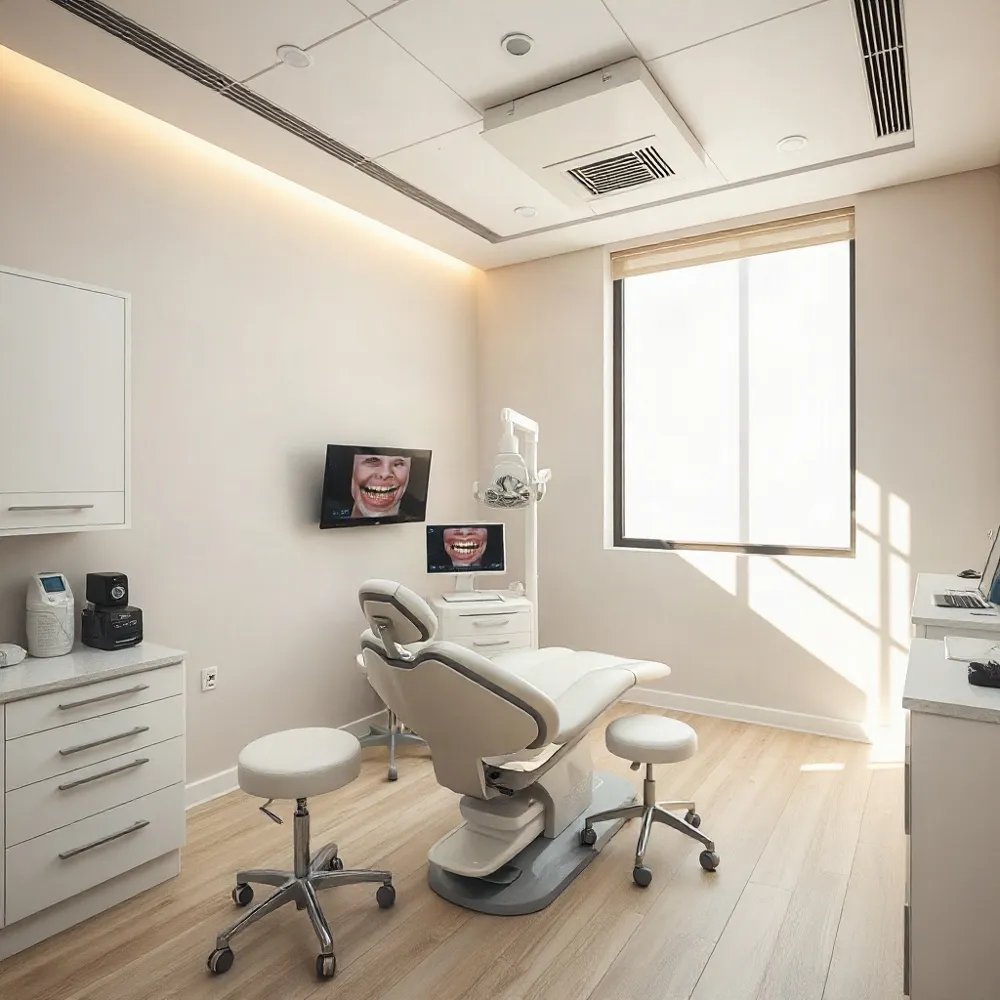 Orthodontics has come a long way from the days of bulky metal headgear and wrapped-around-each-tooth bands. Understanding that evolution explains why modern options like clear aligners and digital scans have become the standard. For context, early fixed appliances of the 20th century gave way to bonding techniques that made brackets smaller and more comfortable. That trajectory accelerated dramatically with the arrival of computer-aided design and 3D printing, which reshaped how doctors plan and deliver treatment.
By the 1990s, the introduction of clear aligner therapy offered a removable, nearly invisible alternative to traditional braces. Today, digital impressions have replaced messy putty molds at many forward-looking practices, and AI-supported software maps tooth movement with remarkable precision. These are precisely the modern orthodontic technologies that Trielle Orthodontics brings to Union, NJ, patients, making the journey faster, more predictable, and considerably more comfortable.
Key Milestones in Orthodontic Technology
Digital Scans. Intraoral scanners capture thousands of images per second, creating a precise 3D model of your teeth in minutes. No goopy impressions, no gagging, and immediate visualization of the proposed end result.
3D Printing & AI. Three-dimensional printing produces aligner trays and retainers with micrometer accuracy, while AI-driven treatment planning simulates each tooth's path, reducing guesswork and shortening overall treatment time.
Clear Aligners. Removable, transparent trays straighten teeth discreetly and allow normal eating and brushing. Clear aligners work well for adults and teens alike, offering a flexible alternative to fixed braces.
Why Adult Patients Are Choosing Modern Options
Adults now make up a growing share of orthodontic patients, and they consistently cite aesthetics and convenience as deciding factors. Clear aligners let you straighten your smile without derailing professional appearances or lifestyle routines. For busy professionals, the ability to remove trays for meetings, workouts, and meals is a clear advantage. Trielle Orthodontics pairs this modern convenience with flexible payment options and personalized care, ensuring that fitting treatment into a packed schedule never means compromising on quality. Whether you're weighing clear aligners or modern braces, the options for busy adults put comfort and control firmly in your hands.
Clear Aligners: Discreet and Flexible for Professionals
One of the most common patient questions isn’t just “Do clear aligners work?”—it’s “which version will I get?” The answer depends heavily on the brand and treatment plan you choose. Some aligners are designed for straightforward bite corrections, while others tackle complex tooth movement that was once only possible with traditional braces. Understanding these categories helps you ask the right questions at your consultation.
Entry-Level Aligners. These are the most basic clear aligners, often sold through mail-order companies without in-person supervision. They work for minor tooth tipping and spacing but offer little control over bite mechanics. While appealing for their low initial cost, they typically lack the clinical oversight needed for healthy tooth movement.
Mid-Range Aligners. When you choose a mid-range aligner system, you get a blend of digital planning and limited orthodontic oversight. These are often used by general dentists who have not specialized in orthodontics. They can address mild to moderate crowding but may require additional attachments and refinements.
Comprehensive Aligners. Comprehensive systems, such as Invisalign’s advanced tiers, are designed for the full scope of orthodontic issues, including deep bites, open bites, and significant rotations. They include extensive clinical monitoring, often with remote check-ins, and are backed by proprietary materials engineered for predictable movement.
Most people recognize the brand name Invisalign, but there is no single “Invisalign version.” Instead, the brand offers tiers that range from simple to comprehensive, each with different levels of doctor involvement and treatment complexity. For adults with busy schedules, the highest-tier comprehensive aligners provide the most predictable path to a stable, healthy bite, because they are supported by continuous professional oversight and advanced digital tracking.
The practical difference between these versions shows up in the details: how much tooth surface is covered, how attachments are designed, and how often you need to visit your orthodontist. At Trielle Orthodontics in Union, NJ, every aligner plan is customized around your specific anatomy and goals. The team uses the latest 3D scanning technology to map your smile, ensuring that whether you start with a basic or comprehensive plan, your treatment is supported by precise data rather than guesswork.
Braces Evolved: Modern Options for Every Lifestyle
Choosing between clear aligners and traditional braces often comes down to more than just appearance. Each approach tackles tooth movement differently, and the right fit depends on your lifestyle, the complexity of your case, and how much flexibility you need day to day. Understanding the core differences helps you ask the right questions at your consultation.
Clear aligners use a series of removable, transparent trays that gently shift teeth over time. Because they are nearly invisible and can be taken out for eating and brushing, they appeal strongly to adults and teens who want discretion and convenience. Traditional braces, meanwhile, rely on brackets and wires fixed to the teeth. They work continuously and are often preferred for more complex movements, such as rotating molars or closing large gaps.
A Head-to-Head Look
Appearance. Clear aligners are practically invisible, while braces use visible metal or ceramic brackets. The American Association of Orthodontists notes that aligners offer a discreet way to straighten teeth for those who want minimal visual impact (source).
Removability. Aligners come out for meals and brushing, which simplifies oral hygiene and lets you eat whatever you like. Braces stay on full-time, so certain foods like popcorn, nuts, and sticky candy are off-limits.
Comfort. Aligners are smooth plastic with no sharp edges, while braces can cause mouth sores and require wax for irritation. Modern aligner materials also exert gentle, consistent force (PMC research).
Treatment Time. Aligners often achieve results faster for mild to moderate cases, sometimes in under a year. Braces may take longer for complex corrections but work continuously without patient compliance.
Compliance Needs. Aligners succeed only if you wear them 20–22 hours daily. Braces require no patient compliance once placed, making them more forgiving for forgetful wearers.
When comparing options, Trielle Orthodontics stands out for its personalized approach to both aligners and braces. Unlike one-size-fits-all strategies, the practice develops individualized treatment plans that match your unique anatomy and goals, and it pairs that with modern scanning technology for precise, predictable results. Whether you lean toward the convenience of clear aligners or the reliability of traditional braces, the team ensures your treatment fits your schedule and your smile.
Why Technology Tips the Balance
Modern orthodontics relies heavily on digital tools that make treatment faster and more comfortable. Digital scanners replace messy impressions, and 3D imaging lets your orthodontist map out the exact movement of every tooth before treatment begins. These innovations are reshaping how practices deliver care, as patients increasingly expect precision and efficiency (modern technology in orthodontics).
Trielle Orthodontics integrates these same technologies into its practice, from digital scanning for accurate treatment planning to streamlined monitoring that reduces office visits. For busy adults, this means fewer appointments and shorter chair time, without compromising the quality of your result. The practice’s commitment to modern tools is one reason patients in Union, NJ, choose it for both aligners and braces.
Making the Right Choice
Ultimately, the best option depends on your specific needs. Clear aligners offer near-invisibility and flexibility, making them ideal for professionals and teens who prefer a subtle approach. Traditional braces provide continuous force and can handle more complex movements, which is why they remain a reliable choice for many cases. A thorough examination will reveal which path aligns with your oral health and lifestyle.
At Trielle Orthodontics, you’re not just choosing between aligners and braces. You’re choosing a treatment plan built around your comfort and goals. The practice takes time to explain every step, from the initial scan to the final retainer, so you feel confident throughout. With flexible payment options and a focus on patient education, Trielle makes it easier to invest in a straighter smile without the stress. Schedule a consultation to see which option fits your life best.
Adults Can Wear Braces: What to Expect
Finishing active treatment is a milestone, but the real work continues behind the scenes. Teeth have a natural tendency to drift back toward their original positions. This movement, called relapse, can happen slowly over months or years. That's why orthodontists prescribe a dedicated retention phase once aligners or braces come off.
Retainers hold the teeth in their new alignment while the surrounding bone and gum tissue adapt. For most patients, this means wearing a retainer full time for the first several months, then switching to nighttime wear. Consistency matters more than perfection: a retainer worn every night is far more effective than one worn sporadically during the day.
Why Teeth Move Again
Adult patients often ask why teeth shift even years after treatment. The causes include natural aging, changes in the jaw, and habits like grinding or pushing the tongue against the teeth. According to the AAO, clear aligners and other treatments straighten teeth, but the underlying tendency to move never disappears. Visit the AAO's guidance on aligners to see how they explain retention in the context of ongoing care.
Periodontal ligament fibers, which connect the tooth root to the bone, have elastic memory. They pull the tooth back toward its former spot unless a retainer holds it in place. This is why even patients who followed every step of their orthodontic plan can notice slight rotation or crowding years later, especially in the lower front teeth.
The Fixed vs. Removable Retainer Trade-off
Orthodontists offer two main retainer types: fixed (bonded to the back of the teeth) and removable (clear or wire). Each has strengths. Fixed retainers are invisible and require no patient compliance, but they can complicate flossing. Removable retainers are easier to keep clean, yet they depend on the patient wearing them every night.
Fixed Retainers. Bonded permanently behind the teeth. They never get left at home, making them ideal for patients who travel or forget. However, they can accumulate tartar if not cleaned carefully, and they need periodic checks to ensure the bond holds.
Removable Retainers. Clear plastic or wire retainers that pop in and out. They are easier to brush around and can be replaced if lost. The trade-off is that they require daily wear, and skipping nights accelerates relapse.
For busy adults, the choice often comes down to lifestyle. Fixed retainers remove the daily decision, while removable options offer flexibility. At Trielle Orthodontics in Union, NJ, the team discusses these trade-offs during the final appointment, factoring in your oral hygiene routine, sleep habits, and job demands. The goal is a retention plan you can sustain for decades, not just the first year.
Lifelong Retention as a Habit
The American Association of Orthodontists recommends lifelong retention, not to burden you, but to protect your investment. Teeth shift naturally with age, even without orthodontic history. A retainer worn a few nights a week after the first year helps maintain the alignment you worked hard to achieve. This habit is similar to wearing a nightguard if you clench—small, consistent effort prevents larger problems later.
Patients often wonder whether they need to wear retainers forever. The honest answer is yes. But the good news is that nighttime wear eventually feels as normal as brushing. Many adults find that a clear retainer doubles as a subtle safeguard against grinding, which is a common cause of enamel wear and tooth movement. If you are considering treatment and worry about the long-term commitment, you can discuss retention timelines during your initial consultation with Trielle Orthodontics.
Technology at the Forefront: Faster and More Comfortable
 Orthodontic care has moved far beyond the era of bulky metal bands and uncomfortable impressions. The evolution from traditional braces to today's clear aligners and digital workflows is a direct result of advancements in technology that now prioritize patient comfort, predictability, and efficiency. For adults managing busy schedules, these innovations mean fewer office visits, faster treatment times, and a far more transparent treatment journey.
A crucial shift in this evolution is the move from physical impressions to digital scans. 3D intraoral scanners capture a precise digital model of your teeth in minutes, eliminating the gagging and discomfort often associated with traditional putty impressions. This technology also powers detailed treatment simulations, allowing you to see your projected smile even before you begin. The practice at Trielle Orthodontics embraces this modern approach, making every consultation a comfortable and informative experience.
Digital treatment planning also enables the use of clear aligners, the cornerstone of modern adult orthodontics. These nearly invisible aligners are not only discreet but also offer the flexibility that busy professionals need — they can be removed for eating, brushing, and flossing. This combination of advanced technology and practicality is why clear aligners have become the top choice for many adults seeking to straighten their teeth without disrupting their professional and personal lives.
What This Means for You
The history and evolution of orthodontics shows a clear trajectory toward greater patient comfort and control. Today's technology, from 3D scanning to advanced aligner materials, has made orthodontic care accessible and appealing to a wider range of adults. Whether you are considering clear aligners or modern braces, the result is a more precise, efficient, and comfortable experience designed around you and your busy life.
Debunking Common Orthodontic Myths
 Many adults assume orthodontics is a purely cosmetic pursuit, yet the rationale for straightening teeth goes well beyond aesthetics. Misaligned teeth are harder to clean effectively, which raises the risk of plaque buildup, cavities, and gum disease over time. A crowded bite also creates uneven wear on enamel and can lead to jaw discomfort or chronic headaches, particularly when the misalignment is left unaddressed for years. These are the quiet reasons why adult treatment is less about vanity and more about protecting the long-term health of your smile.
This understanding is central to how Trielle Orthodontics approaches care. Instead of rushing toward a one-size-fits-all solution, the practice evaluates the full picture of each patient's oral health, including bite function and future wear patterns. That means treatment is planned not just for today's smile but for decades of comfortable, problem-free function ahead. Shifting the focus from appearance to health, prevention, and confidence is exactly why so many adults now see orthodontics as a worthwhile investment rather than an indulgence.
Boosting Career and Confidence Through Alignment
In professional settings, a confident smile is often a quiet advantage. Research has long connected dental appearance with how people are perceived, and modern orthodontic options for busy adults, such as those offered at Trielle Orthodontics, make it practical to address alignment without derailing a career. Whether through discrete clear aligners or modern braces, the path to a more polished presentation has never been more compatible with a demanding work schedule.
The perception of competence in interviews and client meetings can be shaped by subtle cues, and a healthy smile is one of them. While traditional braces once meant visible metal that could clash with professional attire or camera appearances, today's clear aligners offer a nearly invisible alternative that keeps pace with workplace standards. For adults balancing meetings, presentations, and travel, this discretion matters as much as the clinical result.
Why Appearance Still Matters at Work
First impressions are formed in seconds, and a confident, aligned smile can contribute to a favorable assessment of approachability and professionalism. Orthodontic treatment is not about vanity; it is an investment in how you present yourself in phone interviews, video calls, and face-to-face negotiations. The psychological benefits of feeling good about your smile often translate into more assertive body language and improved communication, both of which are career accelerators.
For working adults, the fear of looking unprofessional during treatment is common, but modern solutions have addressed this head-on. Unlike the bulky metal brackets of decades past, adult orthodontic options like ceramic braces and clear aligners let you straighten teeth with minimal visual impact. This allows you to maintain your professional image from day one, rather than waiting until the end of treatment to feel confident.
Time Efficiency: The Professional's Real Currency
A busy career leaves little room for frequent dental visits, which is why the efficiency of modern orthodontics is a major selling point. Practices like Trielle Orthodontics leverage advanced technology to reduce appointment times and streamline the monitoring process. Digital impressions and remote check-ins minimize time away from work, making treatment compatible with a demanding schedule. This approach stands in contrast to traditional methods that might require more frequent in-office adjustments.
The integration of technology in orthodontics has been a game-changer for professionals. 3D scanning replaces messy impressions, and predictive software helps plan your treatment timeline with precision, so you know exactly what to expect. For Trielle patients, this means less guesswork and more predictability, allowing you to schedule your orthodontic journey around your career milestones, not the other way around. While many practices tout these innovations, few match the patient-centered execution that prioritizes your time and comfort.
Confidence That Carries You Forward
Beyond the technical benefits, the psychological lift of a straighter smile can be felt in everyday interactions. Whether it's leading a team meeting, networking at a conference, or simply greeting colleagues, knowing your smile looks its best reduces self-consciousness and frees you to focus on your message. This boost in self-esteem is a documented outcome of orthodontic treatment, and for adults, it can be the difference between hesitating and speaking up.
When comparing providers, consider the level of personalization each offers. The best orthodontic care for professionals is one that understands the demands of your life. At Trielle Orthodontics, treatment plans are customized to your facial structure, lifestyle, and goals, with flexible payment options to ease the financial commitment. This level of individual attention is not something you'll find at every practice, especially those that treat every patient the same. By choosing a provider that values your time and confidence, you're not just straightening your teeth; you're investing in a more assured professional future.
Invest in Your Smile, Reap Lifelong Rewards
Many adults assume that achieving a straighter smile is purely cosmetic. The reality is more substantial. Alignment problems can directly affect how easily you clean between teeth, how your jaw joints behave through the day, and even how confidently you speak and laugh in professional settings. As a result, adult orthodontics has moved beyond appearance and is now recognized for its role in ongoing oral health.
When teeth are crowded or overlapping, routine brushing and flossing becomes more difficult, which raises the risk of plaque buildup, cavities, and gum disease. Additionally, untreated bite problems can lead to uneven tooth wear, jaw pain, and even headaches. Addressing these issues with orthodontic care is a preventive health decision, one that can reduce the need for more complex dental treatments down the line. According to the American Association of Orthodontists, the benefits extend beyond aesthetics to include better function and long-term oral health.
Trielle Orthodontics approaches adult treatment with exactly this larger health picture in mind. Rather than offering a one-size-fits-all product, the practice builds each plan around your bite, your lifestyle, and your goals. Whether that means clear aligners for flexibility at work or discreet braces that fit around a busy calendar, the focus stays on giving you a healthy, functional smile that performs as well as it looks.
Adult Orthodontics vs. Traditional Braces: What Actually Changes
For decades, orthodontics was dominated by traditional metal braces, which could be bulky and highly visible. While those brackets and wires still work for complex cases, they present challenges for adults navigating professional environments, client meetings, and public speaking. Clear aligners, on the other hand, offer a nearly invisible approach, letting you straighten your teeth without drawing attention. Because aligners are removable, you can brush and floss normally, avoid most dietary restrictions, and keep your regular eating habits intact.
That's not to say aligners suit every clinical situation. More severe rotations or bite corrections may still require brackets. The advantage of modern orthodontics is that you're not choosing between comfort and results. Trielle Orthodontics evaluates your unique tooth movement needs and recommends the approach that will get you there efficiently, whether that's a clear aligner system or a more traditional appliance. The goal is always to match the technology to the outcome you need, not the other way around.
How Technology Is Making Treatment Easier for Adults
Modern orthodontic technology has fundamentally reshaped the experience. Digital scanning has replaced messy impressions, offering a faster, more comfortable start to treatment. Detailed 3D imaging lets providers plan each movement in advance, often with the help of computer-guided simulations, so both you and your orthodontist know what to expect before a single aligner is worn. This precision reduces guesswork and shortens the path to your final result.
Trielle Orthodontics integrates these same advances seamlessly into its practice. During a consultation, the team uses current imaging tools to map out your treatment, showing you a realistic preview of the outcome. You'll also receive practical guidance on how to care for your aligners and what to expect at each stage, so you can stay confident throughout the process. It's the kind of technology-forward care that keeps pace with a professional adult's schedule.
Why Aesthetic Options Are No Longer a Compromise
There's a lingering assumption that clear aligners are less effective at straightening teeth than their metal counterparts. That belief doesn't hold up in modern practice. In many cases, clear aligners can correct crowding, spacing, and mild bite issues with comparable efficiency to braces, while offering a level of discretion that suits a professional adult's daily life. For those who need it, modern ceramic braces provide a subtler alternative without sacrificing durability.
What matters most is that your treatment plan is built around your specific anatomy and goals. Trielle Orthodontics doesn't push a product because it's trendy; they recommend treatment based on what will actually give you a healthy, lasting bite. If clear aligners are the best fit, they'll walk you through the process and expected treatment time. If you need more comprehensive correction, they'll explain those options just as thoroughly. The point is to give you choices, not limitations.
Orthodontic Care Fits Into Your Busy Schedule
For adults, the biggest concern often isn't the treatment itself but how to fit orthodontic appointments into an already full week. Juggling work projects, family commitments, and personal time makes it difficult to imagine adding regular visits to the orthodontist. This is where modern orthodontic technology helps. Many practices, including Trielle Orthodontics, now offer flexible scheduling and streamlined appointments, so check-ins don't disrupt your day. Some clear aligner systems even allow for fewer in-person visits, reducing the total number of times you need to drive to the office.
This balance between professional life and treatment is a key reason why adult orthodontics continues to grow in popularity. As shown in a recent guide for busy professionals, the combination of discreet appliances and shorter consultation times makes orthodontic treatment a realistic goal even for people with high-demand careers. When the process is predictable and fits into your routine, the upfront commitment feels more manageable.
What to Expect From Your First Consultation at Trielle Orthodontics
Walking into an orthodontist's office for the first time can feel a little intimidating, especially as an adult. But the first appointment at Trielle Orthodontics is designed to be informative and stress-free. You'll start with a comprehensive examination, which includes a review of your dental records and imaging. This isn't a one-size-fits-all checkup — it's an opportunity to discuss your smile goals, your lifestyle, and any concerns you have about treatment.
During the consultation, the team will walk you through the recommended treatment plan in plain language, answer your questions about aligner maintenance or follow-up visits, and outline the expected timeline. If you've been putting off a consult because you're worried about the unknown, this is the moment that clarifies everything. You'll know exactly what to expect before you leave the room, and you'll have a concrete sense of which option fits your life best. Ready to explore your options? Schedule a consultation with Trielle Orthodontics today to see how personalized, technology-driven care can give you the smile you've been considering.