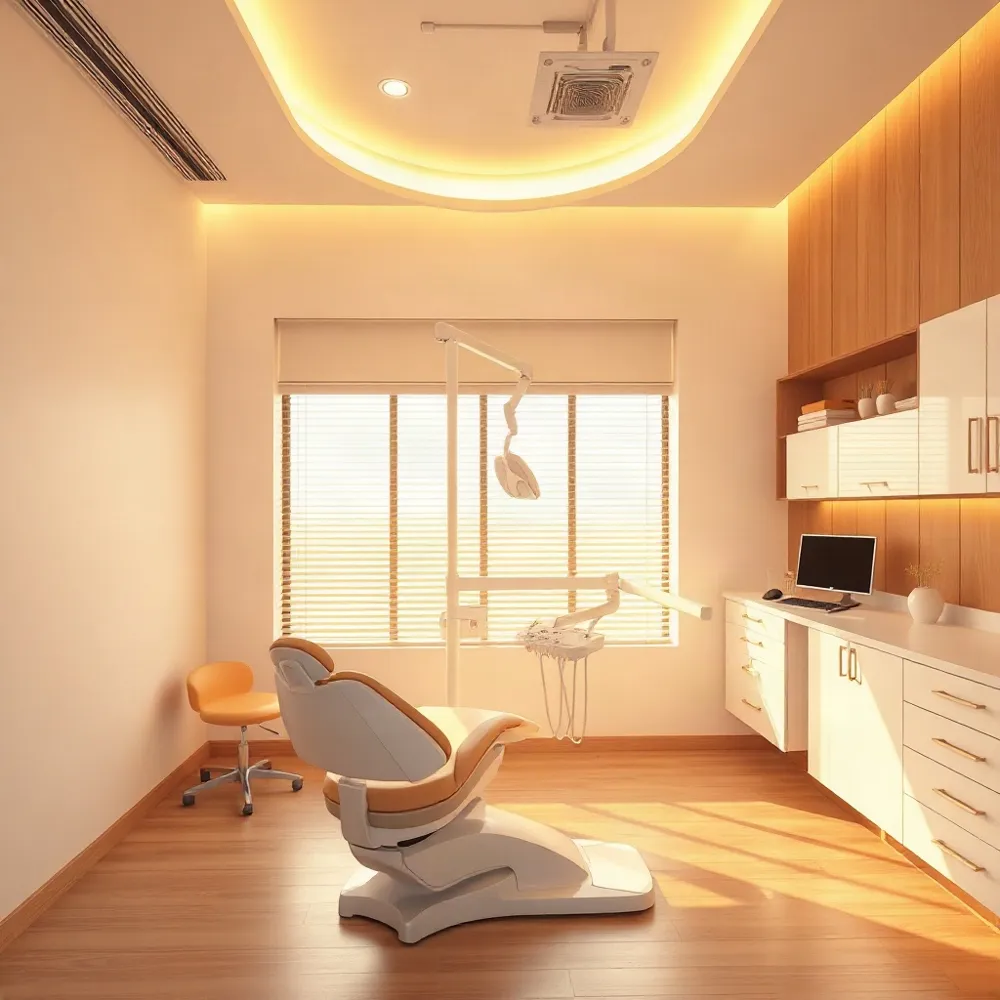
A Smile’s Crucial Early Years
Most parents assume orthodontic treatment waits until the teenage years, when all permanent teeth have arrived. In reality, the American Association of Orthodontists recommends that every child receive an orthodontic evaluation no later than age 7. By this point, enough permanent teeth have erupted and the jaw is still growing, making it the ideal window to spot developing problems early. The AAO’s guidance explains that early evaluation does not always mean early treatment, but it lets an orthodontist identify issues while they are still correctable.
Why age 7 specifically? At this age, a child typically has a mix of baby and permanent teeth, so the orthodontist can see how the bite is forming and whether the jaws are developing proportionately. Research on early orthodontic treatment notes that interceptive care during this phase can guide jaw growth, correct crossbites, and create space for permanent teeth, reducing the need for more complex treatment later. Waiting until all adult teeth erupt often means the only option left is extractions or surgery.
Common Warning Signs Parents Can Spot
You do not need a dental degree to notice potential problems. Several signs are visible at home or during everyday activities: prolonged thumb or finger sucking, teeth that overlap or appear crowded, difficulty chewing or biting, mouth breathing, and teeth that protrude noticeably. A child who grinds their teeth at night or complains of jaw pain may also be developing a bite issue. Early intervention specialists recommend paying attention to these cues, since addressing them early can prevent them from worsening.
Another strong indicator is the bite itself. An underbite, where the lower front teeth sit ahead of the upper teeth, or a crossbite, where some upper teeth fall inside the lower teeth, rarely self-corrects. Deep bites and open bites (where front teeth do not meet) are equally telling. Parents who notice these patterns, or a jaw that shifts when the child opens or closes their mouth, should schedule an evaluation sooner rather than later. Signs like these are often easy to overlook because children adapt to their bite, but the underlying problem does not go away.
How Trielle Orthodontics Approaches Early Treatment
When an evaluation at age 7 reveals a developing issue, Trielle Orthodontics in Union, NJ takes a measured, individualized approach. Unlike practices that push immediate braces for every child, Trielle designs treatment plans based on what each child actually needs. Some children only require monitoring, while others benefit from growth appliances or early braces to guide jaw development. This tailored strategy ensures no child undergoes unnecessary treatment, yet those who need help get it at the optimal time.
Monitoring. If the bite is developing normally, Trielle simply tracks growth at periodic visits, stepping in only if a problem emerges.
Growth appliances. For skeletal issues like a narrow palate or significant underbite, Trielle uses appliances to guide the jaw while it is still growing, often avoiding more invasive treatment later.
Early braces. When crowding or misalignment is already present, targeted early braces or aligner therapy can correct it before it becomes more complex.
The practice also emphasizes patient education and comfort, using modern technology to make early visits positive and stress-free. Flexible payment options reduce the financial barrier, so parents do not have to postpone care. Early intervention of this kind is a proactive health measure, not just a cosmetic one, and it sets the stage for a healthier smile throughout the teen years and beyond.
The Long-Term Payoff
Addressing orthodontic problems early does more than straighten teeth. It creates room for permanent teeth, corrects harmful bite patterns, and can even improve speech and breathing. Children who receive early treatment often spend less time in braces during their teenage years, and they avoid the more extensive procedures that become necessary when problems are left to worsen. The benefits of early orthodontic intervention extend well beyond the initial treatment phase.
For parents, the takeaway is simple: an evaluation at age 7 is a low-cost, high-value step. It provides peace of mind, whether the child needs immediate treatment or simply monitoring. Trielle Orthodontics makes that first visit easy, with a thorough assessment and a clear explanation of what, if anything, comes next. That clarity is what separates proactive orthodontic care from the reactive approach of waiting for problems to become obvious.
| Warning Sign | What It Indicates | Recommended Action |
|---|---|---|
| Prolonged thumb sucking | Can shift front teeth and affect jaw growth | Evaluate by age 7 |
| Overlapping or crowded teeth | Lack of space for permanent teeth | Early space management |
| Underbite or crossbite | Jaw misalignment that may worsen | Growth appliance |
| Mouth breathing or jaw pain | Potential airway or bite issues | Orthodontic consultation |
| Protruding front teeth | Increased risk of trauma | Early correction |
The Age 7 Milestone in Orthodontics
Many parents are surprised to learn that the American Association of Orthodontists recommends a child receive their first orthodontic evaluation no later than age 7. This guidance is grounded in the timing of dental development: by age 7, most children have a mix of baby teeth and permanent first molars, which gives an orthodontist enough information to spot emerging bite problems early. According to AAO, this early assessment helps identify issues such as crossbites, underbites, crowding, and harmful oral habits while the jaw is still growing.
At this age, treatment is usually not about placing braces. More often, it is about monitoring growth and, when needed, intervening early to guide the jaw into a healthier position. Research published in the National Library of Medicine shows that early intervention can correct certain problems more effectively and with less complexity than waiting until all permanent teeth have erupted.
For parents wondering whether their child needs early treatment, common signs include difficulty chewing, mouth breathing, teeth that stick out, or a jaw that shifts when biting. “Trielle Orthodontics” in Union, NJ offers personalized early evaluation at this age, using modern diagnostic tools to determine whether your child needs comprehensive treatment now or simply monitoring. Their approach emphasizes comfort and individualized care, making the first visit a low-stress experience for both child and parent.
- Crowded or misplaced teeth
- Difficulty biting or chewing food
- Mouth breathing or snoring
- Jaws that shift or make sounds
- Teeth that meet abnormally or not at all
Why Early Evaluation Matters
 For families across Union, NJ, Trielle Orthodontics brings advanced, comfortable orthodontic care to patients of all ages. The practice specializes in clear aligners, dental braces, adult orthodontics, facial aesthetic treatments, and thorough patient education, so every smile gets a personalized treatment plan.
Early care. Trielle Orthodontics follows the American Association of Orthodontists' guidance that children should receive an orthodontic evaluation by age 7. This proactive check allows the team to spot developing bite problems while the jaw is still growing, as described in the AAO's Child Orthodontics guide.
Modern tools. Instead of relying solely on traditional impressions, the practice uses modern diagnostic technology for greater accuracy and comfort, making the first visit easier for nervous patients.
Flexible plans. Understanding that cost is a concern for many families, Trielle Orthodontics offers flexible payment options and works with insurance to make treatment accessible.
Trielle Orthodontics takes a patient-first approach that contrasts with high-volume or corporate-run clinics. Each treatment plan is individualized, and the team invests time in patient education so families understand every step before they begin. Whether a child needs early intervention with braces or an adult wants discrete clear aligners, the practice delivers care centered on the person behind the smile.
Common Signs Your Child Needs an Orthodontist
Knowing what to watch for can be the difference between a simple, brief treatment and a longer, more complicated one. The American Association of Orthodontists recommends that every child receive an orthodontic evaluation by age 7, when the permanent first molars and incisors have typically erupted and the jaw is still growing. At Trielle Orthodontics in Union, NJ, we offer personalized evaluations for children at this age, using modern technology to spot issues early and build an individualized treatment plan.
Crowding and Misalignment
Crowded, overlapping, or poorly aligned teeth are among the most obvious signs. When permanent teeth come in without enough room, they can shift into awkward positions that are hard to clean and more prone to decay. Early intervention can guide the jaw to create space, reducing the need for extractions later. Trielle Orthodontics pairs this proactive approach with clear aligners and dental braces, so your child's treatment fits their comfort and lifestyle.
Bite Problems: Overbite, Underbite, and Crossbite
Bite issues are a major reason for early evaluation. An overbite, underbite, or crossbite can affect chewing, speech, and jaw growth. If you notice your child's jaw shifting to one side, or their front teeth protruding, it's worth an evaluation. At Trielle Orthodontics, we address these problems while the jaw is still developing, which often makes treatment faster and more comfortable than waiting until adulthood.
Oral Habits That Interfere with Growth
Prolonged thumb sucking, pacifier use beyond the toddler years, or tongue thrusting can push teeth forward and alter the bite. These habits, if they persist, can change the shape of the jaw. Early evaluation helps identify whether these habits are likely to cause lasting damage. Trielle Orthodontics provides patient education so parents understand what to watch for and when to step in.
Difficulty Chewing, Biting, or Speaking
If your child struggles to chew or bite food properly, avoids certain foods, or has a speech issue like a lisp, it may relate to how their teeth and jaws fit together. Early evaluation can determine whether orthodontic treatment will help. At Trielle Orthodontics, our approach includes flexible payment options so that addressing these issues early doesn't become a financial burden.
When to Act
The American Association of Orthodontists recommends an evaluation by age 7, but many children benefit from an even earlier check if problems are already visible. At Trielle Orthodontics, we'll guide you through the process, explaining what's normal and what might need attention. Scheduling an early evaluation gives your child the best chance at a healthy smile.
Oral Habits That Signal Early Intervention
 Many parents assume orthodontic treatment waits until the teenage years, when most permanent teeth have arrived. The American Association of Orthodontists recommends that children receive their first orthodontic evaluation no later than age 7. By this point, a child typically has a mix of baby teeth and permanent teeth, giving an orthodontist enough information to assess how the jaws and teeth are developing.
Age 7 is not a magic number for beginning treatment. For most children, it simply marks the ideal time for a checkup. An orthodontist can identify subtle problems like a developing underbite, a narrow palate, or early crowding before they become harder to correct. When intervention is needed, the timing works in a child's favor: the jaw is still growing and the tissues remain pliable, which makes guided correction more predictable.
Why the Age 7 Evaluation Matters
The goal of an early evaluation is not to rush into braces. Rather, it lets the orthodontist distinguish between problems that will self-correct as the child grows and those that require active treatment. Research published in the National Library of Medicine notes that early diagnosis and treatment can address skeletal discrepancies and harmful oral habits while growth is still underway, often reducing the severity of later treatment.
Jaw growth guidance. An appliance can gently steer jaw development to correct an underbite, crossbite, or narrow arch while the bones are still growing.
Room for permanent teeth. Early expansion can create space so adult teeth erupt into better positions, lowering the risk of crowding and impaction.
Habit interruption. Thumb sucking, tongue thrusting, and mouth breathing can be addressed while they are easier to break, protecting the bite.
Shorter later treatment. Children who receive timely intervention often need shorter, simpler second-phase treatment than those who wait.
Trielle Orthodontics in Union, NJ applies this same evidence-based approach. During a child's first visit, the team looks for early warning signs such as crowded teeth, an uneven bite, or jaw discomfort. When a problem is detected, the practice builds a personalized plan that fits the child's growth stage. Parents leave with a clear explanation of what to watch for and when the next checkup should happen, rather than a one-size-fits-all timeline.
The early orthodontic evaluation also gives parents peace of mind. Many children simply need monitoring, and regular visits let the orthodontist track growth without committing to treatment too soon. For those who do benefit from early care, options like growth appliances and limited-phase braces address the underlying cause of the problem, not just the visible symptom. That focus on the root issue is a hallmark of how Trielle Orthodontics approaches growing patients.
| Consideration | If Left Untreated | With Trielle Orthodontics |
|---|---|---|
| Timing | Harder corrections later | Appropriate care at each growth stage |
| Crowding | Potential impaction | Early space management |
| Bite issues | Worn enamel, jaw strain | Guided jaw development |
| Patient experience | Longer, complex treatment | Comfortable, personalized plan |
What Early Intervention Can Achieve
Age 7 is widely recognized as the ideal first evaluation point in orthodontics. According to the American Association of Orthodontists, children should see an orthodontist by this age, when the jaw is still growing and the first permanent molars and incisors have typically erupted. This timing gives a specialist the chance to spot developing bite problems, such as underbites, crossbites, or crowding, before they become more complex to treat.
Early intervention during this window can guide jaw growth and create space for permanent teeth, often reducing the need for extractions or more extensive treatment later. Early orthodontic treatment approaches address issues while the bones are still pliable and responsive, which makes meaningful correction possible with less force and shorter timelines. By acting at age 7, a specialist can influence how the upper and lower jaws develop together.
At Trielle Orthodontics in Union, NJ, the first visit for a child is used to assess growth, bite alignment, and any habits that might affect tooth position. Rather than rushing to install braces, the focus is on identifying what needs early guidance and what can simply be monitored. Flexible payment options and individualized treatment plans make it easier for families to act early without financial strain, a practical consideration that sets the practice apart from providers who only offer a single treatment path.
When Early Treatment Is Needed
Most parents first think about braces when a child reaches the preteen years, but the American Association of Orthodontists recommends that every child see an orthodontist by age 7. This early visit is not about starting treatment immediately; it is about evaluating how the jaw and teeth are developing. As the AAO explains, by this age enough permanent teeth have erupted to spot emerging problems such as crowding, crossbites, or jaw discrepancies that would be far harder to correct later.
For many children, the orthodontist will simply monitor growth and schedule periodic checkups. However, around one in four kids may benefit from early orthodontic intervention before all adult teeth arrive. At Trielle Orthodontics in Union, NJ, the initial age-7 exam includes gentle diagnostics and a clear explanation of what, if anything, needs attention now versus later. This proactive approach means parents never have to wonder whether a crooked tooth or a slight underbite is a phase or a real concern.
Why Phase 1 Care Matters
Phase 1 (also called interceptive) treatment typically happens between ages 7 and 10, while a child's jaw is still growing and the tissues remain highly adaptable. Research published in the PMC journal confirms that guiding facial growth at this stage can prevent more complex problems down the road, such as impacted teeth or severe bite misalignment. The goal is not to finish treatment early but to create the space and alignment that make Phase 2, usually in the early teen years, shorter and simpler.
Compared with waiting until adolescence, starting early at Trielle Orthodontics means the practice can use growth appliances to steer the upper and lower jaws into a healthier relationship. When a child waits, the only option may be extracting permanent teeth or, in extreme cases, jaw surgery. By addressing the issue while growth remains, patients often avoid those invasive steps entirely. For parents who notice signs like persistent thumb sucking, crowding, or an uneven bite, this early evaluation is the smart first move.
| Timing | What Happens | Typical Goals |
|---|---|---|
| Age 7-10 | Phase 1 monitoring or growth guidance | Prevent crowding, correct crossbites, guide jaw growth |
| Age 11-13 | Phase 2 full braces or aligners | Align permanent teeth, finalize bite |
| No intervention | Waiting until all adult teeth erupt | Often requires extractions or surgery |
Taking Action Beyond the Recommended Age
 The American Association of Orthodontists recommends that children receive their first orthodontic evaluation by age 7 AAO. This is not a strict rule that every child needs braces that early; rather, it is a checkpoint. At this age, the jaw is still growing and the permanent teeth are beginning to erupt, which makes it an ideal time to spot developing bite problems such as underbites, crossbites, crowding, and harmful oral habits early intervention benefits.
Research supports the value of this early evaluation. A scientific review in the journal PMC notes that early treatment can prevent more complex problems from becoming severe and may reduce the need for extractions later PMC study. While not every child requires immediate intervention, the screening itself is a valuable step. It allows the orthodontist to determine whether monitoring, a growth appliance, or no treatment is the right path.
Evaluation. At age 7, the orthodontist checks jaw growth, bite alignment, and the eruption of permanent teeth. This visit is low-pressure and often requires no treatment, just a written plan for future monitoring.
Intervention. When signs like severe crossbites, crowding, or skeletal discrepancies appear, early intervention with a growth appliance or limited braces can guide the jaw into a better position growth appliance success stories.
Monitoring. For many children, the age 7 evaluation simply starts a watch list. The orthodontist tracks growth at intervals and steps in only if a problem develops, avoiding over-treatment AAO.
Should intervention be needed, Trielle Orthodontics in Union, NJ designs individualized treatment plans that address both the visible smile and the underlying bite. Unlike approaches that wait until all permanent teeth erupt, early-stage care at Trielle takes advantage of natural growth to create more room and reduce treatment time later. For families wondering when should a child begin orthodontic treatment, the age 7 visit is the most reliable starting point.
| What to Watch For | Why It Matters | Trielle Orthodontics Response |
|---|---|---|
| Crooked or misaligned teeth | Hard to clean; risk of decay | Personalized plan with clear aligners or braces |
| Uneven bite (crossbite, underbite) | Jaw strain; uneven wear | Growth guidance to correct bite early |
| Jaw cracking or creaking | Sign of TMJ issues | Comfort-focused approach with flexible timing |
| Gaps or crowding | Future extraction risk | Monitoring or early appliances as needed |
A table like the one above reflects the kind of thoughtful screening Trielle offers at every appointment. While other practices may press for immediate braces on every child, Trielle’s philosophy is measured: treat only what benefits the patient, and monitor the rest. For parents exploring early intervention signs, this balanced approach reduces guesswork and avoids unnecessary treatment costs signs of early intervention.
Early Steps Lead to Healthy Smiles
Many parents wonder when braces for kids age 10 or younger become necessary. The American Association of Orthodontists recommends that every child have an orthodontic evaluation by age 7, a guideline rooted in the fact that the first permanent molars and incisors typically erupt around this time (AAO). At this age, a child's jaw is still growing, making it the ideal window to spot problems that braces for kids age 10 might address too late for non-surgical correction.
While age 7 is the standard screening point, many practices, including Trielle Orthodontics, see children a bit later, around age 10. This distinction matters: early evaluation at 7 allows interceptive treatment that can prevent more complex issues later. However, for many kids, treatment starting at 10 still falls within the