Modern Impressions for Modern Smiles
Orthodontic impressions are detailed 3D records of a patient's teeth and bite that form the foundation of every treatment plan. For decades, creating these records meant biting into a tray of messy putty — an experience that could trigger gagging and anxiety. Digital scanning has replaced that process with a slim wand that captures thousands of images in minutes.
At Trielle Orthodontics in Union, NJ, the switch to digital impressions means patients avoid the discomfort of traditional molds while getting faster, more accurate treatment planning. The practice uses intraoral scanning to create a precise 3D model of every smile before braces or aligners are ever ordered.
Comfort and Convenience for Every Patient
For many patients, the thought of dental impressions brings back memories of bulky trays filled with gooey, foul-tasting material that must be held in place for several minutes. Digital impressions replace this entire experience with a slim, wand-like intraoral scanner that glides gently over the teeth and gums.
The scanner captures thousands of detailed images per second, stitching them together into a precise 3D model on a nearby screen. There is no putty, no tray, and no unpleasant taste or smell. The process is so quick that a full-arch scan is typically completed in 30 seconds to a few minutes, significantly reducing chair time compared to traditional methods.
For patients with a strong gag reflex, dental anxiety, or sensitive teeth, this difference is transformative. A 2022 study published in The Open Dentistry Journal found that patients rated digital impressions significantly higher for comfort, with fewer reports of gagging, breathing difficulty, and queasiness compared to conventional polyvinyl siloxane impressions. In the study, 60% of patients who received traditional impressions said they would prefer digital for future treatment, and 72% would recommend digital impressions to a friend.
At Trielle Orthodontics, the intraoral scanner makes the first visit far less intimidating. Patients can watch their own teeth appear on the monitor in real time, which turns a potentially stressful step into an engaging, educational moment. The practice's 5.0 rating and hundreds of positive reviews reflect how much this modern approach matters to the community.
Beyond comfort, digital impressions also eliminate the mess and waste of traditional materials. There are no plastic trays to discard, no alginate to clean up, and no plaster models to store. The digital file can be stored indefinitely in the cloud and shared with labs or specialists in seconds, speeding up the entire treatment timeline.
Superior Accuracy for Better Outcomes
The accuracy of an impression directly affects how well braces, aligners, and retainers fit. Traditional alginate impressions can suffer from distortion due to material shrinkage, tearing, or human error during trimming and assembly. Digital impressions, captured with an intraoral scanner, eliminate these variables by recording the teeth optically — building a precise 3D model from thousands of individual data points.
Studies confirm that digital scans offer accuracy equal to or greater than conventional methods. A review of 24 studies found that 67% reported digital impressions were more accurate in micron-level measurements than traditional impressions. For orthodontic patients at Trielle Orthodontics, this means the data used to plan treatment is free of the distortions that can lead to ill-fitting appliances.
Better accuracy translates directly to better-fitting appliances. When a clear aligner or bracket tray is fabricated from a distorted model, the result can be poor fit, prolonged treatment time, or the need for remakes. Digital impressions reduce crown remakes due to margin issues by 40% and fit issues by 33%, according to industry data. Patients benefit from appliances that seat correctly on the first try, shortening the overall treatment timeline.
The precision of digital scanning also allows orthodontists to detect subtle issues that might be missed in a physical mold. Software processes the scan in real time, immediately revealing tooth wear, existing decay, or deformities that could affect appliance fit. At Trielle Orthodontics, this detailed view supports more predictable results compared to practices relying on standard radiographs and conventional impressions alone.
Efficiency That Speeds Up Treatment
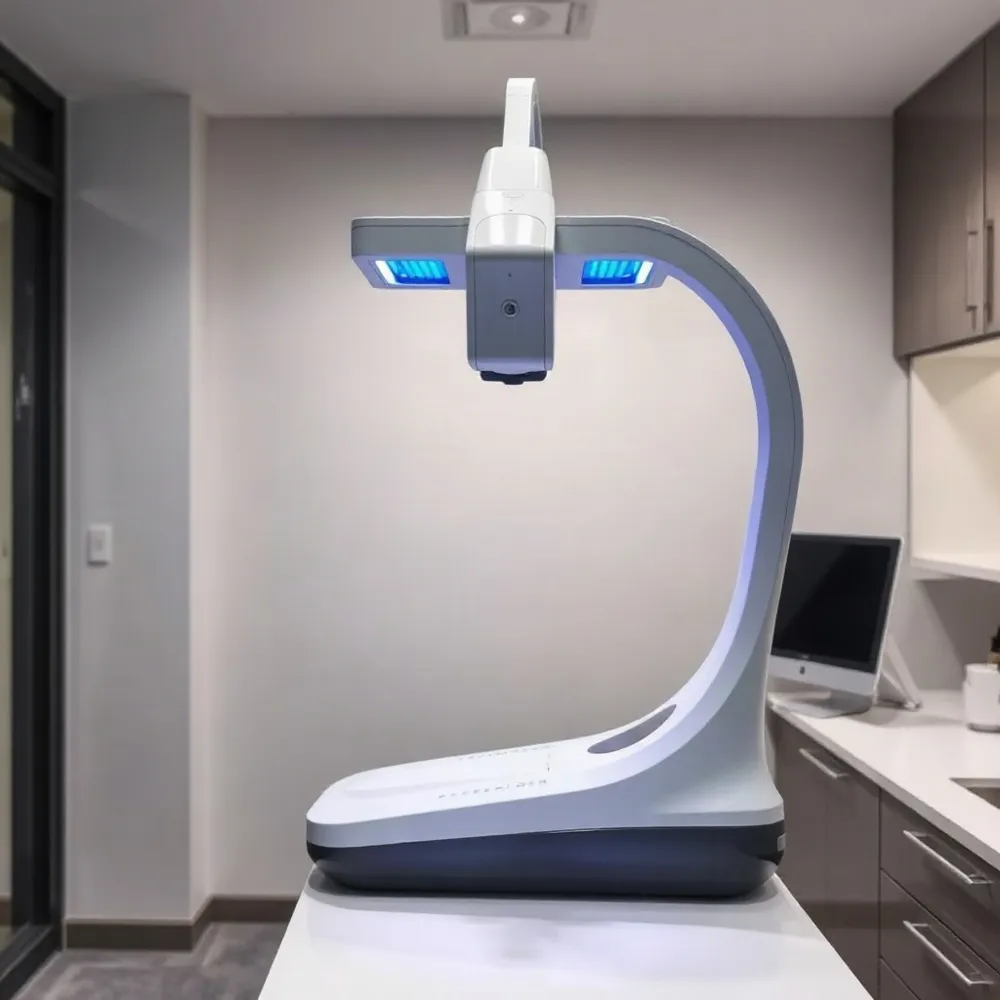 Time is a valuable resource for orthodontic patients. Traditional workflows, which rely on shipping physical molds to labs and scheduling multiple appointments for retakes, can extend treatment timelines. Digital impressions cut through this delay at every stage.
A full-arch intraoral scan can be completed in 30 seconds to a few minutes, a dramatic reduction compared to the 5-10 minutes required for conventional alginate impressions. The scan data is available instantly for review and can be sent electronically to a lab in seconds, rather than waiting for a physical model to be packaged, shipped, and poured. This digital transfer alone can shave days off the turnaround time for fabricating aligners, retainers, and braces.
Fewer office visits are another direct result. Because digital scans can be stored and resent without requiring a new patient appointment, issues that once demanded a return visit for a new impression can now be resolved remotely. One study found that 68% of patients preferred digital impressions for the time involved in the procedure, and a 2024 study published in PMC confirmed that digital workflows significantly reduce the need for retakes by eliminating distortions caused by material shrinkage, tearing, or air bubbles.
Immediate scan verification means the orthodontist can check the accuracy of the impression while the patient is still in the chair. If a gap or incomplete area is detected, the scan can be corrected on the spot. This prevents the wasted time and material costs associated with sending a flawed physical impression to the lab and waiting for a remake. At Trielle Orthodontics in Union, NJ, this same-day verification process means fewer follow-up appointments and a smoother path from consultation to appliance delivery.
For patients, the cumulative effect is measurable: shorter individual appointments, fewer total visits, and a faster overall treatment timeline. The efficiency of digital impressions transforms what was once a multi-step, multi-week process into a streamlined experience that gets patients to their final smile sooner.
Enhanced Patient Education and Engagement
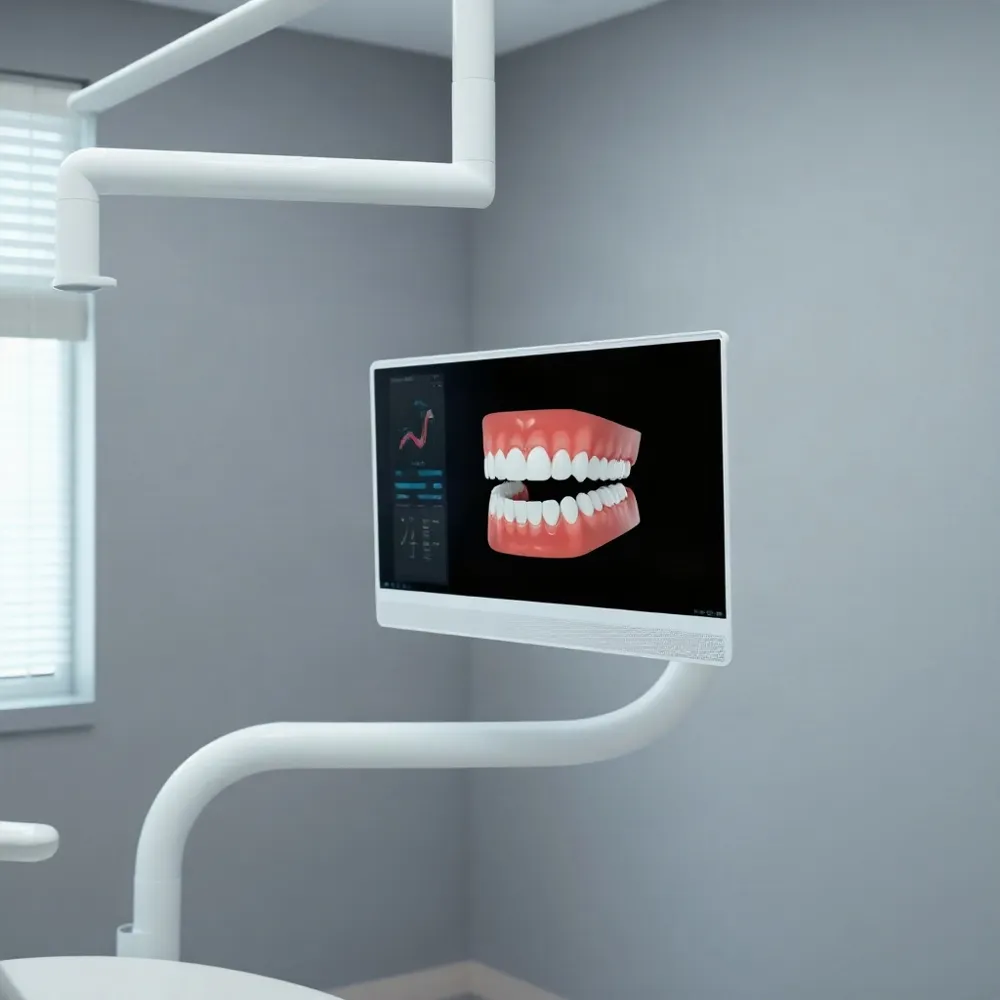 One of the most immediate benefits of digital impressions is the ability to see a detailed 3D model of your teeth on a chairside monitor during the appointment. Instead of waiting days for plaster models, the scan appears on screen in real time, giving you and your orthodontist a shared view of your current dental anatomy.
This instant visualization transforms the consultation. You can see not only your teeth and bite as they are, but also a simulated preview of your projected treatment outcome. At Trielle Orthodontics, this means you can look at a 3D image of your future smile before any braces or aligners are placed, making it easier to understand the treatment plan and feel confident in the process.
Seeing the evidence on screen helps patients feel more involved in their care. Studies show that digital impressions lead to significantly higher ratings for comfort and a stronger preference for recommending the method to others. This visual communication helps answer questions and builds trust, which directly improves case acceptance and overall satisfaction.
Why Trielle Orthodontics Leads With Technology
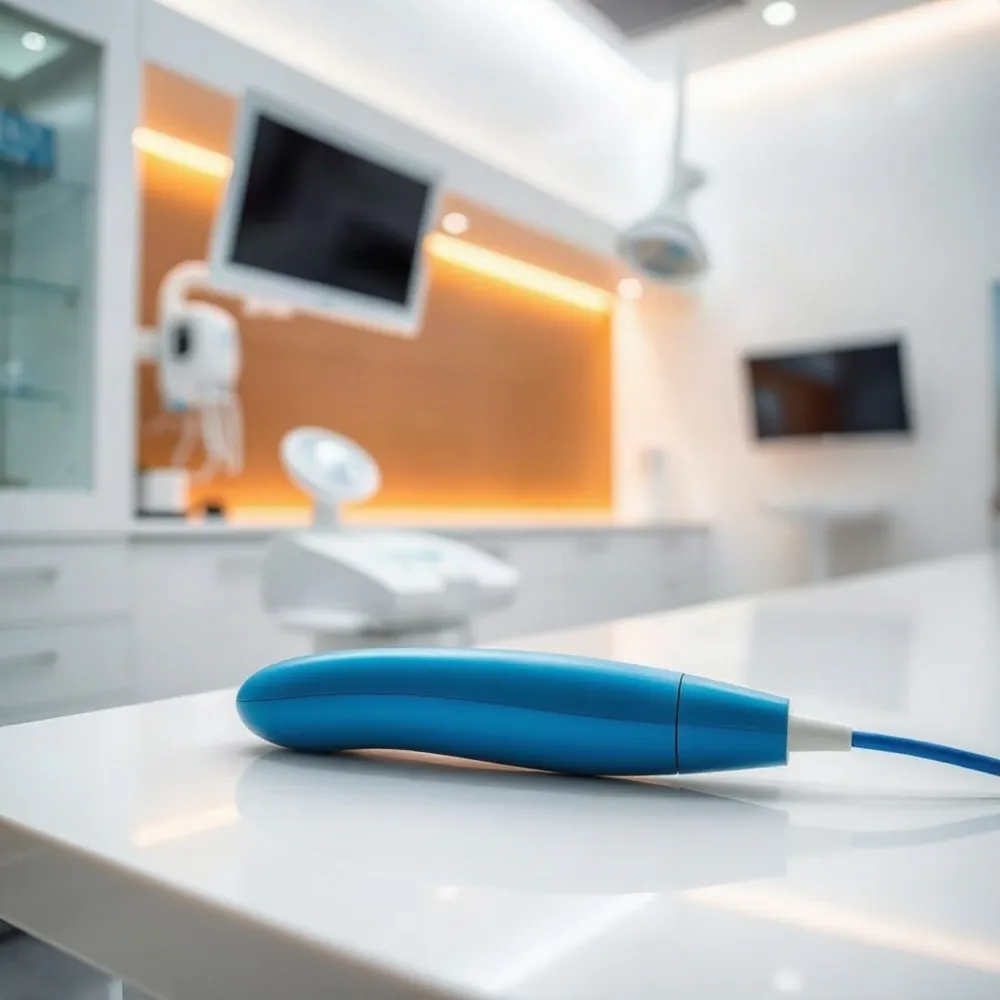 Adopting digital impression technology is a choice that reflects a practice's commitment to patient-centered care. Trielle Orthodontics in Union, NJ has integrated the iTero digital impression system into its daily workflow, replacing the traditional putty trays and messy materials that many patients dread.
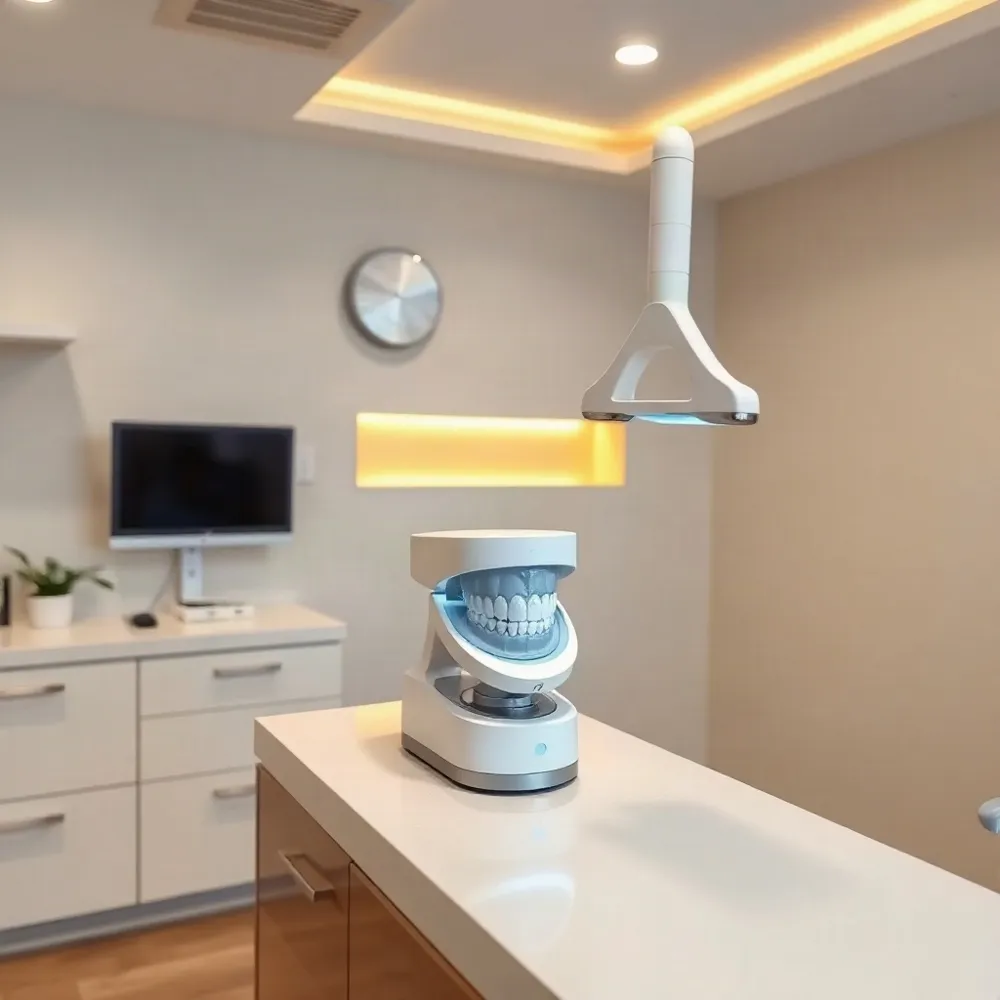
With the iTero scanner, a slim wand captures thousands of detailed images of your teeth and gums in minutes, creating a precise 3D model. This process eliminates the gagging, unpleasant taste, and discomfort associated with conventional molds. The digital scan is instantly available on a chairside monitor, so you can see exactly what your orthodontist sees and discuss your treatment options together.
This technology supports a fully personalized treatment approach. The accurate digital model allows for precise treatment planning, whether you are considering clear aligners, braces, or other orthodontic solutions. According to a 2022 study in The Open Dentistry Journal, patients consistently preferred digital impressions over conventional ones for comfort and overall experience, with 92% of those who experienced digital scans first preferring them for tooth and gum sensitivity.
At Trielle Orthodontics, modern technology goes hand in hand with individualized care. The practice's high patient satisfaction ratings reflect a focus on comfort, clear communication, and predictable results. If you are ready to experience a more comfortable and technologically advanced approach to orthodontics, schedule a consultation at Trielle Orthodontics and see how digital impressions can transform your smile journey.
Embrace the Future of Orthodontics
Digital impressions offer a trifecta of benefits: they are more comfortable for the patient, more accurate for the orthodontist, and more efficient for the entire treatment timeline. Studies confirm that patients overwhelmingly prefer the digital approach, rating it significantly higher for comfort and recommending it to others.
Trielle Orthodontics in Union, NJ, has fully adopted intraoral scanning to deliver this modern standard of care. The practice combines the precision of 3D digital models with personalized treatment planning, ensuring every appliance fits correctly and every smile is predictable from the start.
If you are ready to experience orthodontic care that prioritizes your comfort and delivers outstanding results, schedule a consultation at Trielle Orthodontics today. Discover how digital impressions can transform your treatment journey.